
Quick Answer
How Do I Know If I Have a Sewage Backup?
The most common signs of a sewage backup include multiple drains backing up at once, gurgling sounds from toilets or drains, a persistent sewage odor inside your home, water coming up through floor drains, and toilet water rising when you run the sink. Sewage is a Category 3 biohazard — never touch it or attempt cleanup yourself.
- ✓Multiple drains backing up simultaneously = main sewer line blockage
- ✓Gurgling sounds from drains = partial blockage becoming complete
- ✓Sewage odor indoors = sewer gas escaping into your home
- ✓Water coming up through floor drains = sewage backup in progress
- ✓Sewage is a Category 3 biohazard — do NOT touch it
- ✓Call 610-228-7440 immediately for 24/7 biohazard response
Signs You Have a Sewage Backup Don't Ignore These
Sewage backups are one of the most hazardous situations a homeowner can face. The sooner you recognize the signs, the sooner you can protect your family.
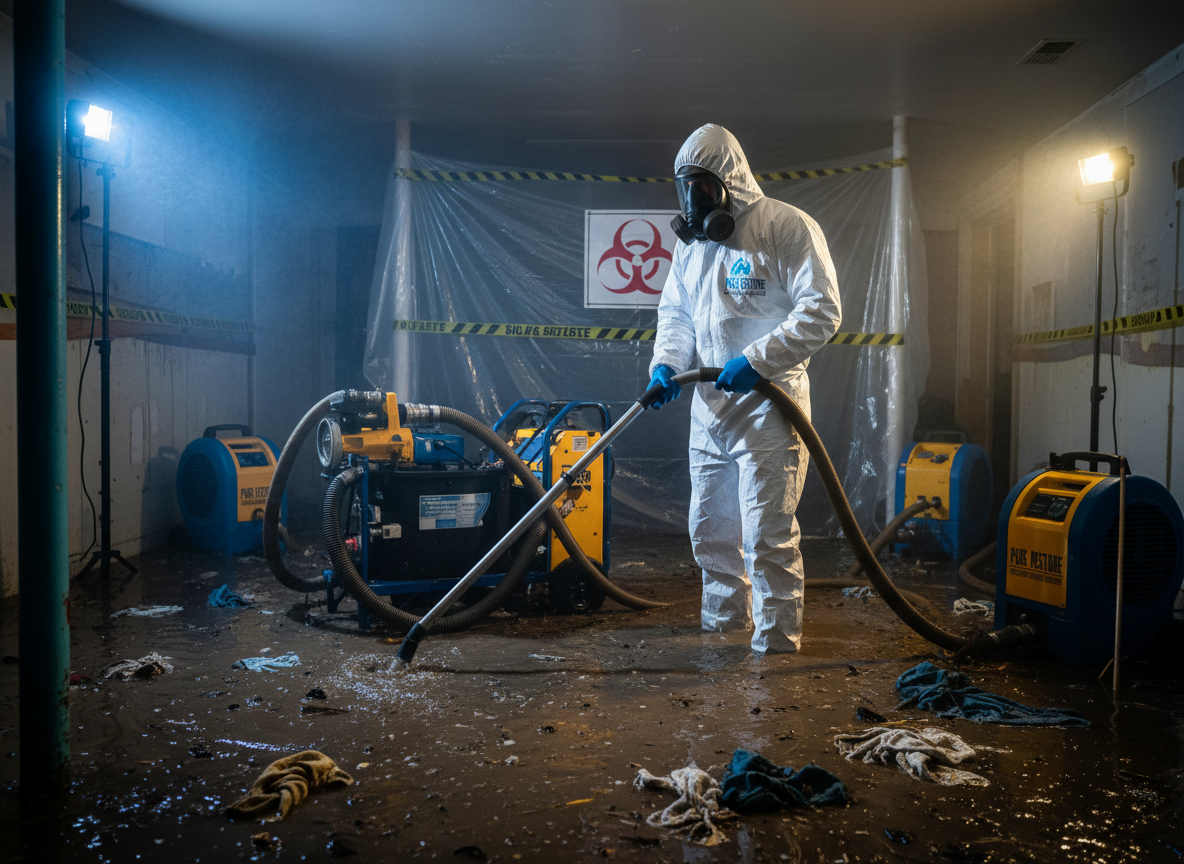
⚠️ Biohazard Warning
Sewage is classified as a Category 3 biohazard. Never touch sewage water, attempt to clean it yourself, or allow children or pets near it.
7 Warning Signs of a Sewage Backup
Multiple drains backing up at once
If your toilet, sink, and shower are all draining slowly or backing up simultaneously, this indicates a main sewer line blockage — not just a localized clog.
Gurgling sounds from drains or toilets
Gurgling noises when you flush or run water indicate air trapped in the sewer line — often caused by a partial blockage that will become complete.
Sewage odor inside your home
A persistent smell of rotten eggs or sewage — especially near floor drains or in the basement — means sewer gas is escaping into your living space.
Water backing up into floor drains
Floor drains are often the first place sewage appears during a backup because they're the lowest point in the system.
Toilet water rising when you run the sink
If the toilet water level rises when the sink runs, your sewer line is blocked and water is backing up through the path of least resistance.
Wet spots or lush patches in your yard
A cracked or collapsed underground sewer line leaks sewage into soil, appearing as unusually green grass or wet patches.
Sewage visible in your basement or crawl space
This is the most obvious and most urgent sign — a biohazard emergency. Do not touch it. Call a professional immediately.
What to Do Immediately
- Stop using all water. Every drop adds to the backup.
- Keep everyone out. Treat it as a biohazard.
- Call a professional. Sewage cleanup requires proper PPE and hospital-grade disinfection.
- Call your insurance. Document everything before cleanup begins.
The Bottom Line
Sewage backups don't fix themselves. Call 610-228-7440. We respond 24/7 with full biohazard protocols.
