Quick Answer
How Do I File a Water Damage Insurance Claim?
Document everything with photos and video before touching anything. Call your insurance company immediately to report the claim and get a claim number. Then call a professional restoration company for emergency mitigation — most policies require you to take reasonable steps to prevent further damage. Don't throw anything away until the adjuster has seen it.
- ✓Document all damage with photos/video BEFORE cleanup
- ✓Call insurance immediately — get a claim number
- ✓Call a professional restoration company for emergency mitigation
- ✓Don't throw away damaged items until the adjuster sees them
- ✓Usually covered: sudden water damage (burst pipes, appliance failure)
- ✓Usually NOT covered: gradual leaks, outside flooding, maintenance neglect
How to File a Water Damage Insurance Claim (And Get What You Deserve)
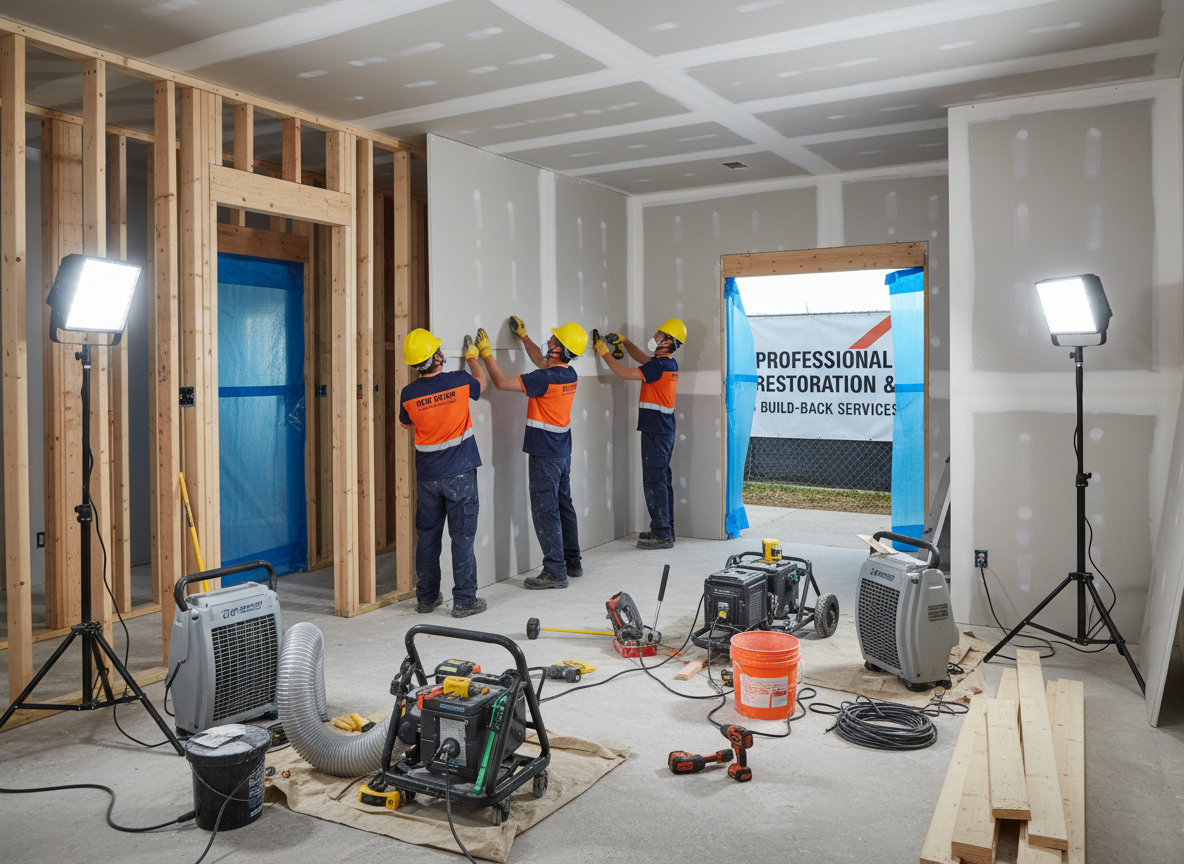
Filing a water damage insurance claim can feel overwhelming — but how you handle the process can mean the difference between a full payout and a fraction of what you deserve.
Step 1: Document Everything Before You Touch Anything
Take photos and video of all standing water, damaged areas, and affected belongings. Photograph the source of the water if visible. Note the date and time.
Step 2: Call Your Insurance Company Immediately
Get a claim number, ask about your deductible and coverage limits, and ask if you need pre-approval before starting emergency mitigation.
Step 3: Call a Professional Restoration Company
Don't wait for the adjuster. Most policies require you to take reasonable steps to prevent further damage. A professional restoration company will extract water, document damage with professional equipment, and communicate directly with your adjuster.
💡 Pro Tip
Choose a restoration company that works with insurance regularly. At My Water Damage Hero, we handle all insurance documentation and communication.
Step 4: Meet with the Insurance Adjuster
Be present during the inspection. Show them all affected areas. Share your photos, videos, and documentation. Don't sign anything you don't understand.
Step 5: Understand What's Covered
- Covered: Sudden, accidental water damage (burst pipes, appliance failures)
- Often NOT covered: Gradual damage, outside flooding, maintenance neglect
- Gray areas: Sewer backups and sump pump failures (may require riders)
Common Mistakes That Reduce Your Payout
- Waiting too long to report
- Throwing away damaged items before the adjuster sees them
- Not documenting enough
- DIY cleanup without professional documentation
- Accepting the first offer without review
The Bottom Line
Document everything, report promptly, hire a professional, and don't accept less than you deserve. Call 610-228-7440 — we're here 24/7.
