
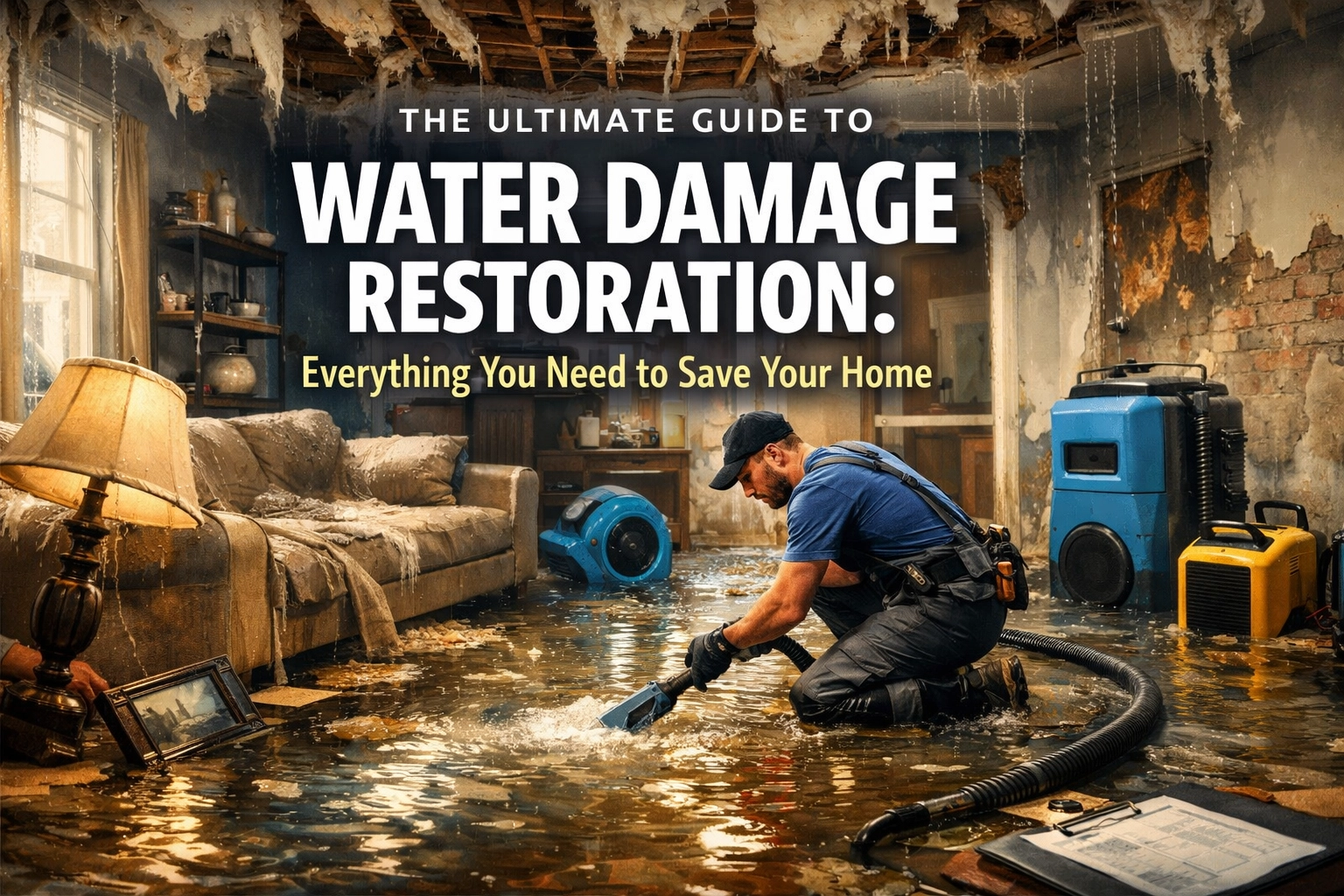
Hey there! If you’re reading this, you might be standing in a puddle or staring at a scary-looking wet spot on your ceiling. First things first: take a deep breath. We know how stressful this is. Your home is your sanctuary, and seeing it under attack by water: whether from a burst pipe, a leaky roof, or a flash flood: is a total nightmare.
But here’s the good news: with the right steps and a little help from the pros, you can save your home. At My Water Damage Hero, we see this every day. We know what works, what doesn’t, and how to get your life back to normal as quickly as possible. This guide is your roadmap through the soggy mess of water damage restoration. Let’s dive in!
Before you go rushing into a flooded basement like a superhero, you need to make sure you’re safe. Water and electricity are a deadly combo.
You can’t start drying out until you stop the "wet" from getting wetter. Find the source. If it’s a burst pipe, shut off the main water valve. If it’s a roof leak during a storm, you might have to wait for the rain to stop, but you can put buckets down to catch the drips.
Once the water is stopped, grab your phone. Before you move a single rug or mop a single drop, take photos and videos.
Your insurance company is going to want to see exactly what happened. This evidence is gold when it comes time to file your claim. Pro tip: Save a small piece of the damaged carpet or flooring to show the adjuster the original quality of your materials.
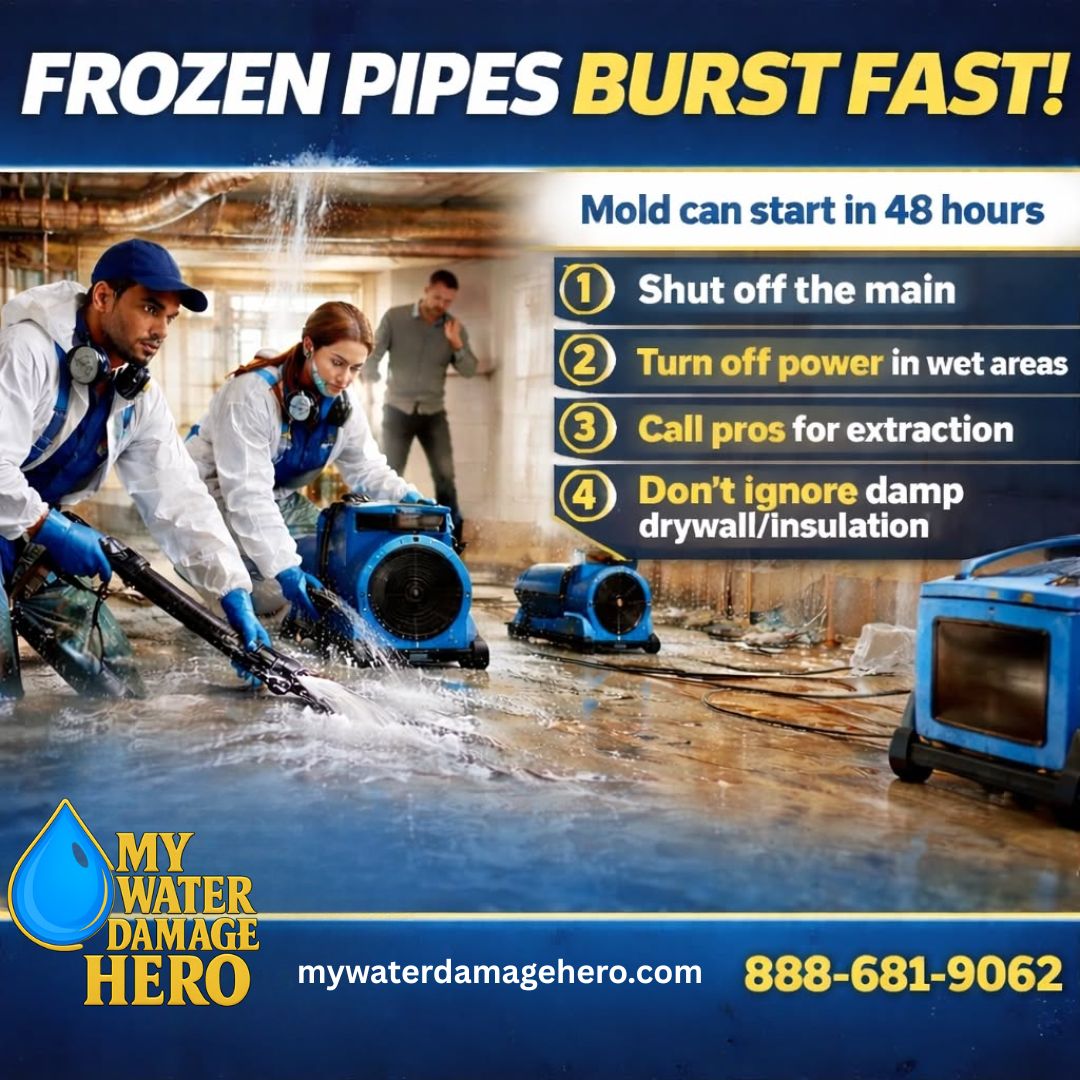
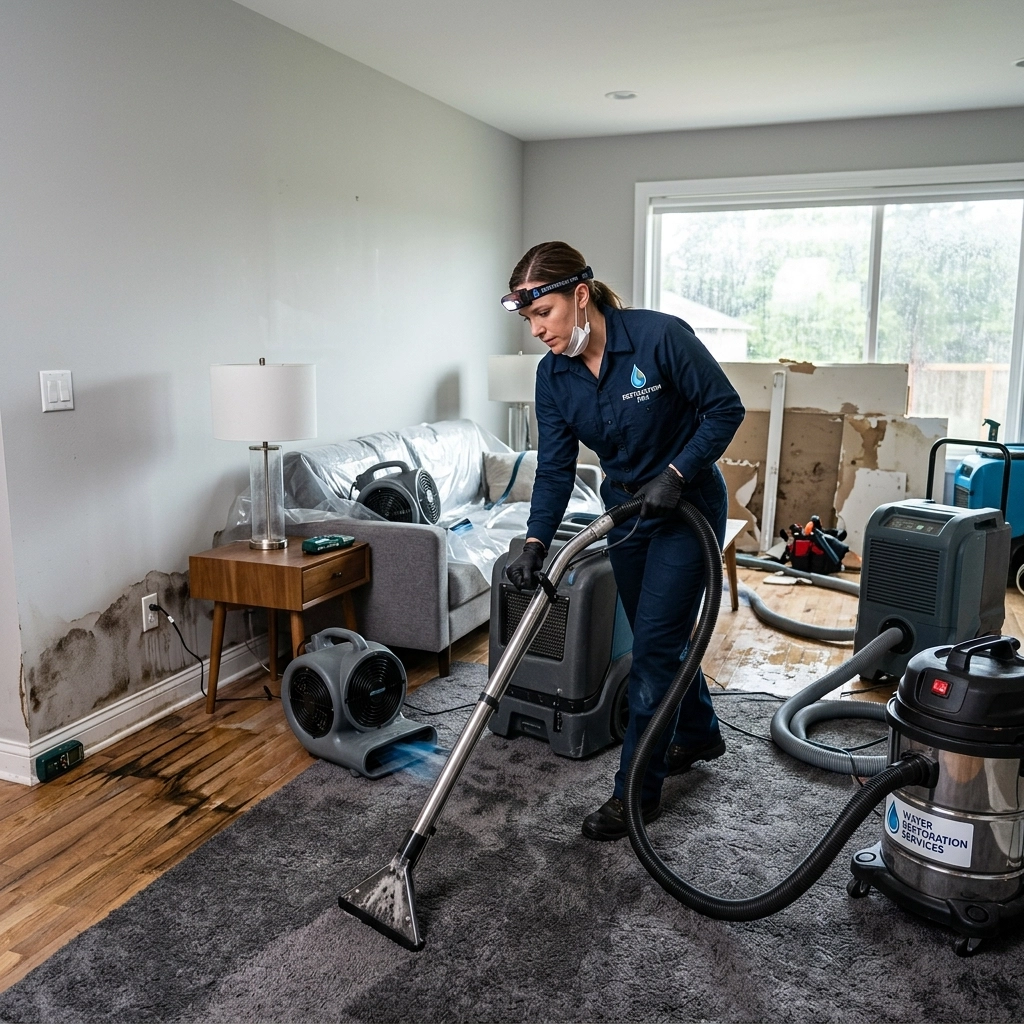
Now comes the hard work: getting the water out. Time is your biggest enemy here. If water sits for more than 24 to 48 hours, you’re looking at a high risk for mold growth.
Just because you can't see the water anymore doesn't mean your house is dry. Water hides inside drywall, under floorboards, and deep in your insulation.
To prevent long-term rot and the need for mold remediation, you need to manage the air quality and moisture levels.
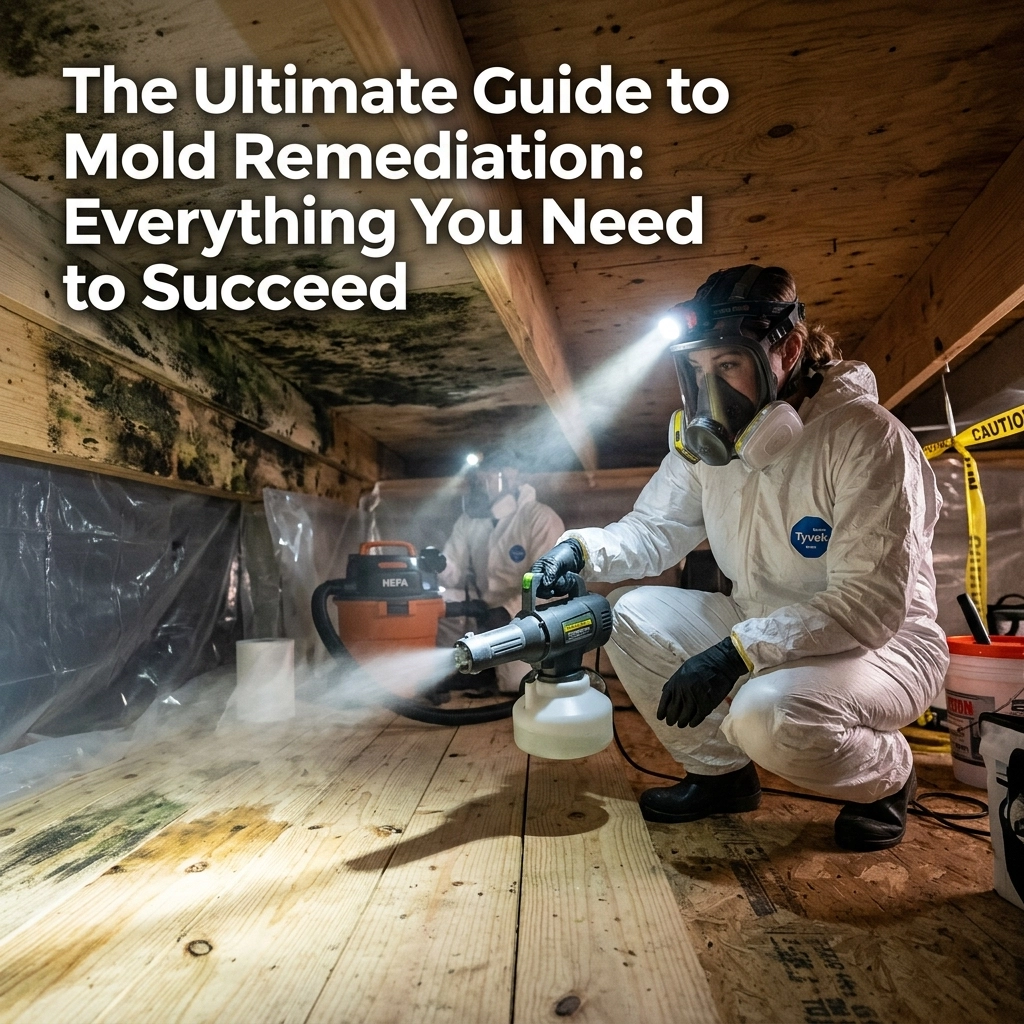
We can't stress this enough: mold starts growing within 24 to 48 hours of a water event. If you see fuzzy spots, smell something musty, or notice black staining, you’re dealing with a mold issue.
Mold remediation is a specialized process. You can't just spray bleach on it and hope for the best. In fact, bleach often just "bleaches" the color of the mold while the roots keep growing deep inside porous materials like wood or drywall.
If you find mold, you need to:
Floodwater is rarely clean. Even a "clean" pipe leak can pick up dust, pet dander, and old chemicals as it flows through your house.
Everything that was touched by water needs a deep clean. Hard surfaces like tile or wood can usually be disinfected with a 1:10 bleach-to-water solution (wear gloves!). However, porous items: like your sofa, mattress, or thick rugs: might need to be tossed if the water was contaminated.
This is also the perfect time to think about carpet cleaning. Once the floors are dry, a professional steam clean can remove any lingering bacteria and that "old basement" smell.
Once the house is dry and clean, it’s time to rebuild. This is the "Restoration" part of water damage restoration.

One thing many homeowners overlook is their HVAC system. When water sits in a house, the humidity goes through the roof. That moist air gets sucked into your vents, where it can lead to mold growth inside the ductwork.
As part of your full recovery, we highly recommend air duct cleaning. This ensures that the air you're breathing in your "newly restored" home is clean, fresh, and free of any mold spores or dust kicked up during the construction process.

Can you DIY some of this? Sure. If you spilled a bucket of water in the kitchen, you can handle that with a mop. But if you have a "flood" situation: where water is under the floors, inside the walls, or coming from a sewage backup: you need professional help.
Why call the pros?
Water damage is scary, but it doesn't have to be the end of your home's story. By acting fast, documenting everything, and focusing on thorough drying, you can prevent mold and structural issues.
Whether you're dealing with a leaky water heater or a major storm, My Water Damage Hero is here for you 24/7. We handle everything from the initial water suck-up to the final coat of paint, including specialized mold remediation, fire damage restoration, and air duct cleaning.
Stay dry out there, and remember: you don't have to be a superhero to save your home( you just have to call one!)
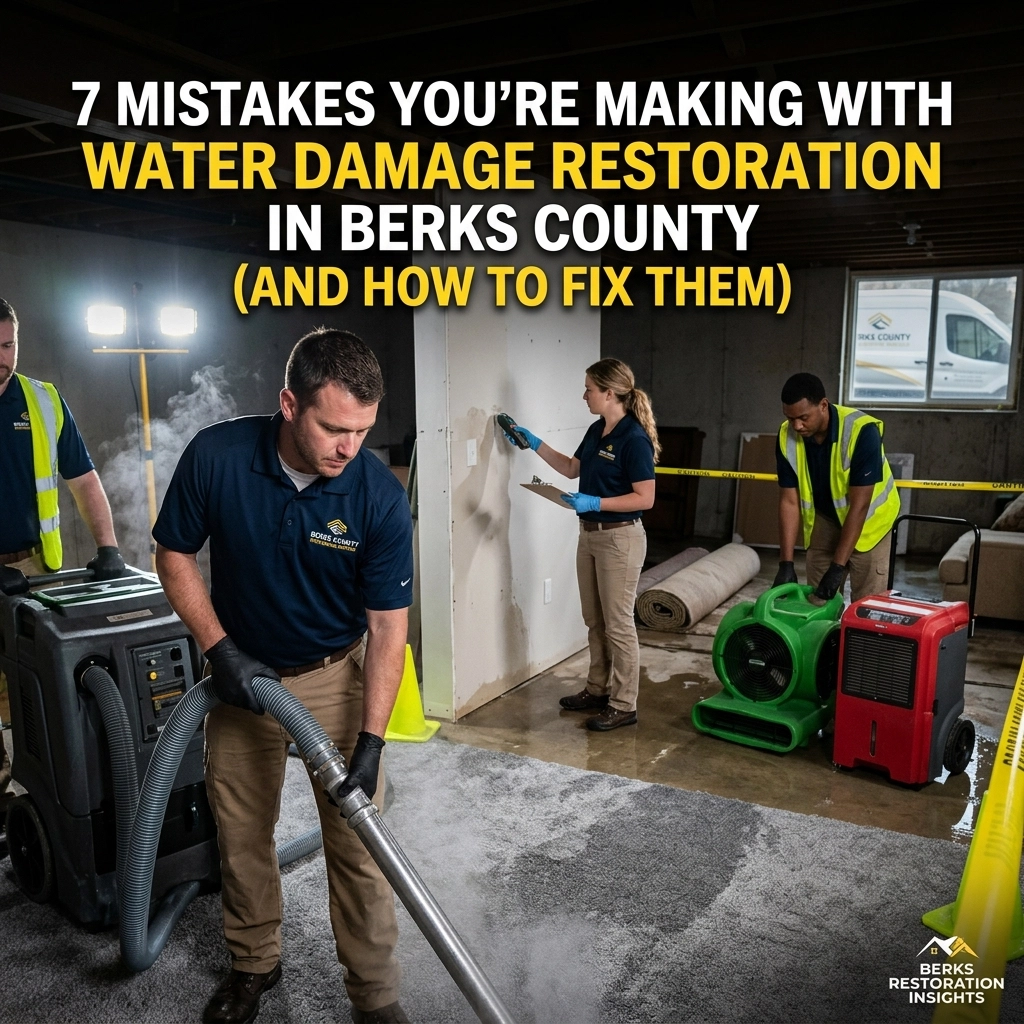
Contact us for quick, trusted restoration.
See how we’ve turned tough situations into success stories.

