
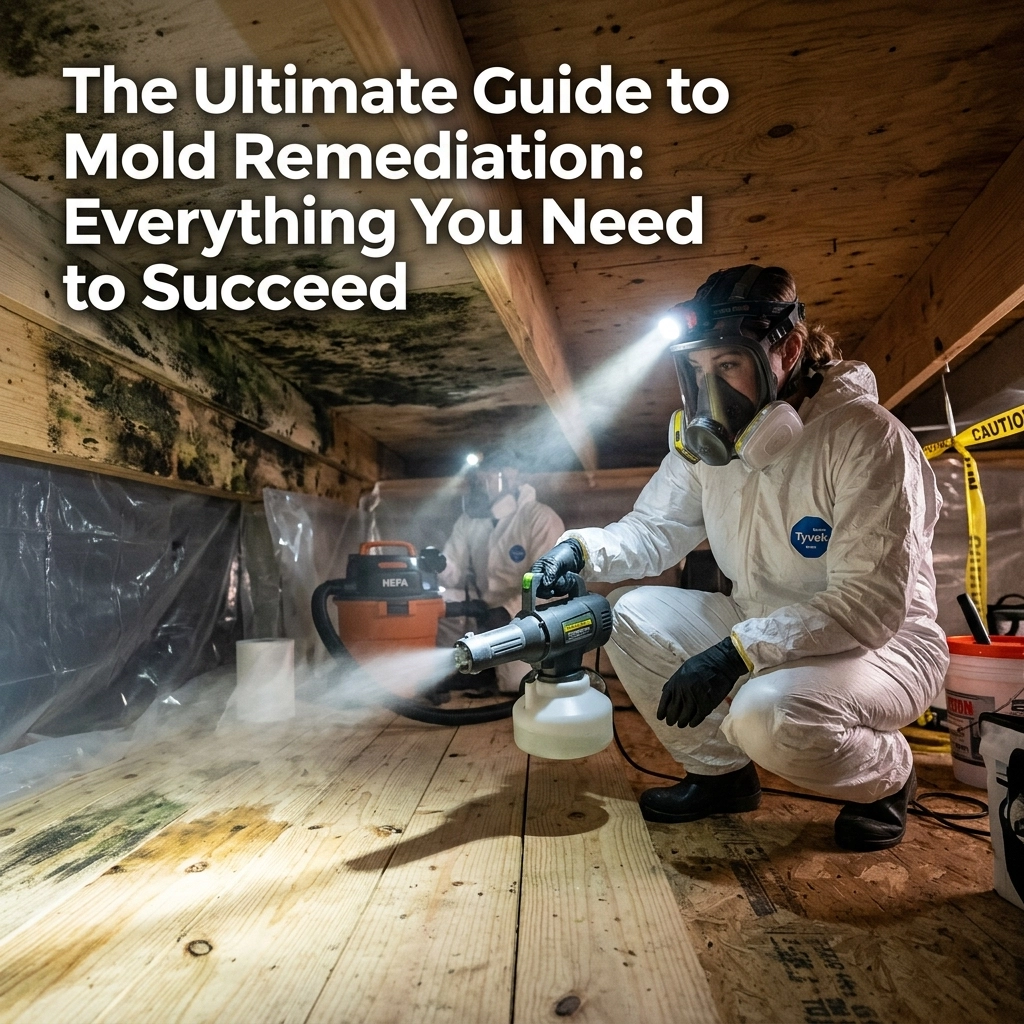
Hey there! I’m Tonya George, the Social Media Manager here at My Water Damage Hero. If you’ve found your way to this blog, chances are you’ve spotted something fuzzy in the corner of your basement or noticed a weird, musty smell that just won't go away.
Finding mold in your home is a total buzzkill. It’s stressful, it feels "dirty" (even though it's usually just a moisture issue!), and it can honestly be a bit scary. But don't worry: you’ve got the heroes on your side. In this guide, I’m going to break down everything you need to know about mold remediation in simple, plain English. No fancy jargon, just the facts on how to get your home back to being a healthy, happy place.
A lot of people think mold remediation is just a fancy way of saying "cleaning up mold." While cleaning is a big part of it, the "remediation" part is actually much bigger. It’s the full process of bringing mold levels back to a normal, natural state.
You see, mold is everywhere: it’s outside in the air and on the trees. But when it gets inside your walls or under your floors because of a leak, it starts to grow like crazy. Mold remediation involves identifying the water source, containing the area so spores don't fly everywhere, removing the mold, and making sure it doesn't come back.
I get it: home repairs are expensive and time-consuming. You might be tempted to just spray some bleach on that spot and call it a day. But mold is sneaky. If you see a small patch on your drywall, there’s a good chance there’s a much bigger party happening behind the wall.
Ignoring mold can lead to two big problems:
When our team at My Water Damage Hero comes out to a job, we follow a very specific process. Whether you’re trying to understand what the pros do or tackling a tiny spot yourself, these steps are the gold standard.
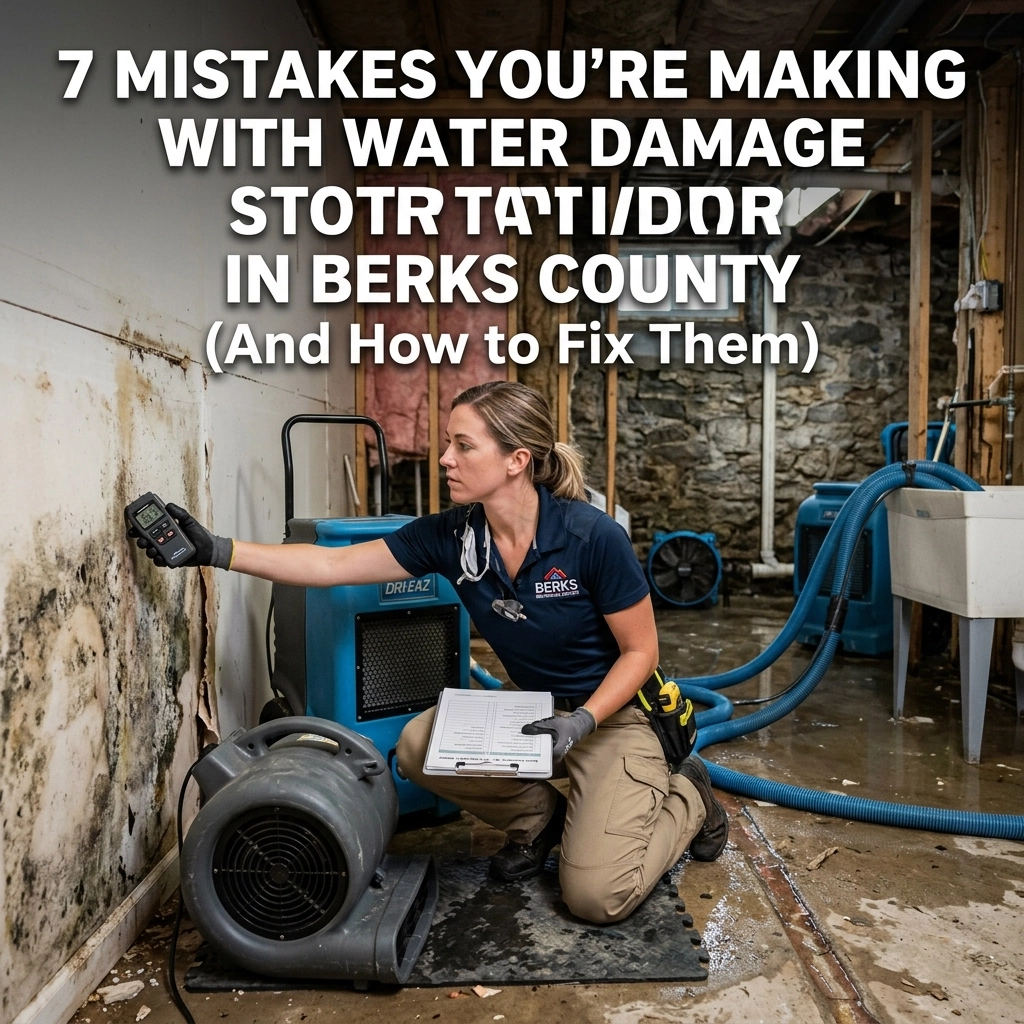
Before we pick up a single tool, we have to find out where the mold is hiding. We use moisture meters and thermal imaging to see what’s going on inside the walls. If you’ve recently had a pipe burst and needed water damage restoration, this is usually the phase where we check to see if mold started growing in those 24–48 hours after the leak.

This is the most important rule in the book: Mold is a symptom; water is the problem. If you clean up the mold but don't fix the leaky roof or the sweaty pipe, I promise you, that mold will be back in a few weeks. Every successful remediation starts with fixing the moisture issue.
You don’t want mold spores traveling from your basement up into your bedroom. We use heavy-duty plastic sheeting and "negative air pressure" to keep the affected area sealed off. This ensures that when we start scrubbing, the spores stay put.
While we work, we use high-grade HEPA air scrubbers. These machines "wash" the air, pulling out those tiny invisible spores so you aren't breathing them in. This is also a great time to think about air duct cleaning, as spores often settle in your HVAC system and get blown all over the house later.
Here is where we get into the nitty-gritty.

Once the "bad" materials are gone, we scrub the remaining surfaces with specialized, professional-grade antimicrobial cleaners. This kills any remaining spores and prevents new ones from landing and growing.
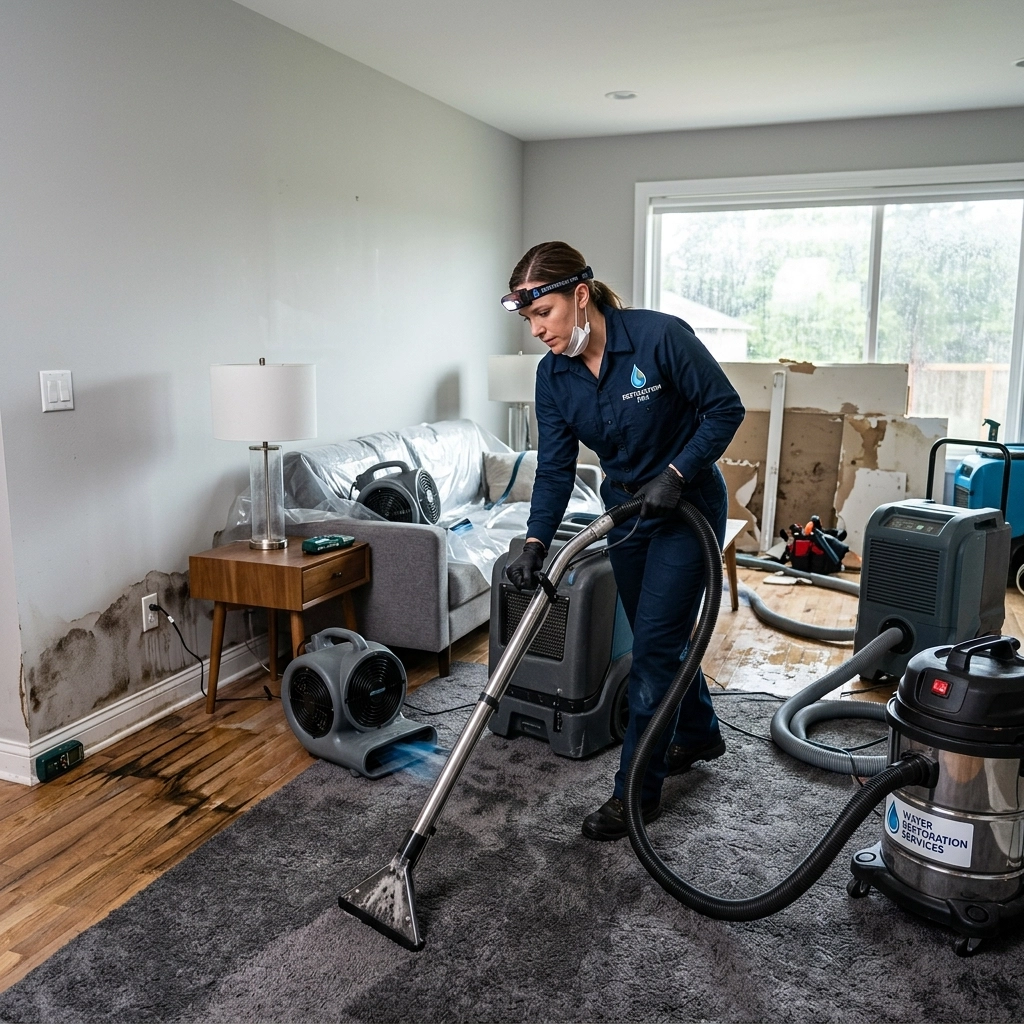
Finally, we bring in the big guns: commercial dehumidifiers and air movers. We need that area bone-dry before we even think about putting up new drywall. Once everything is dry, we do a final check to make sure the air quality is back to where it should be.
One thing homeowners often forget is their HVAC system. If you have mold in your house, your AC or heater has likely been sucking up those spores and distributing them through the vents. This is why we often recommend air duct cleaning alongside mold remediation. If you clean the walls but leave the dust and spores in the ducts, you’re just waiting for the next humid day for the mold to start all over again.

I love a good DIY project as much as the next person, but mold is one area where you have to be careful.
When you can DIY:
If the mold is on a hard surface (like a shower tile) and the area is smaller than a 3×3 foot square, you can usually handle it with some soap, water, and a bit of elbow grease. Just make sure you wear a mask and gloves!
When to call My Water Damage Hero:
When it’s a big job, the pros have the gear (like full-face respirators and industrial dehumidifiers) that most people just don't have in their garage.
Once your home is clean, you want to keep it that way! Here are my top tips for a mold-free life:
At My Water Damage Hero, we don't just fix buildings; we help people feel safe in their homes again. Whether you're dealing with the aftermath of a flood and need water damage restoration, or you're worried about the air your family is breathing, we've got the tools and the heart to get it done right.

If you're in Berks, Bucks, Chester, Delaware, or Montgomery counties and you think you’ve got a mold problem, don't stress. Give us a call, and let our heroes take it from here. We’re available 24/7 because we know that mold doesn't wait for business hours: and neither do we!
Stay dry and stay safe, everyone!
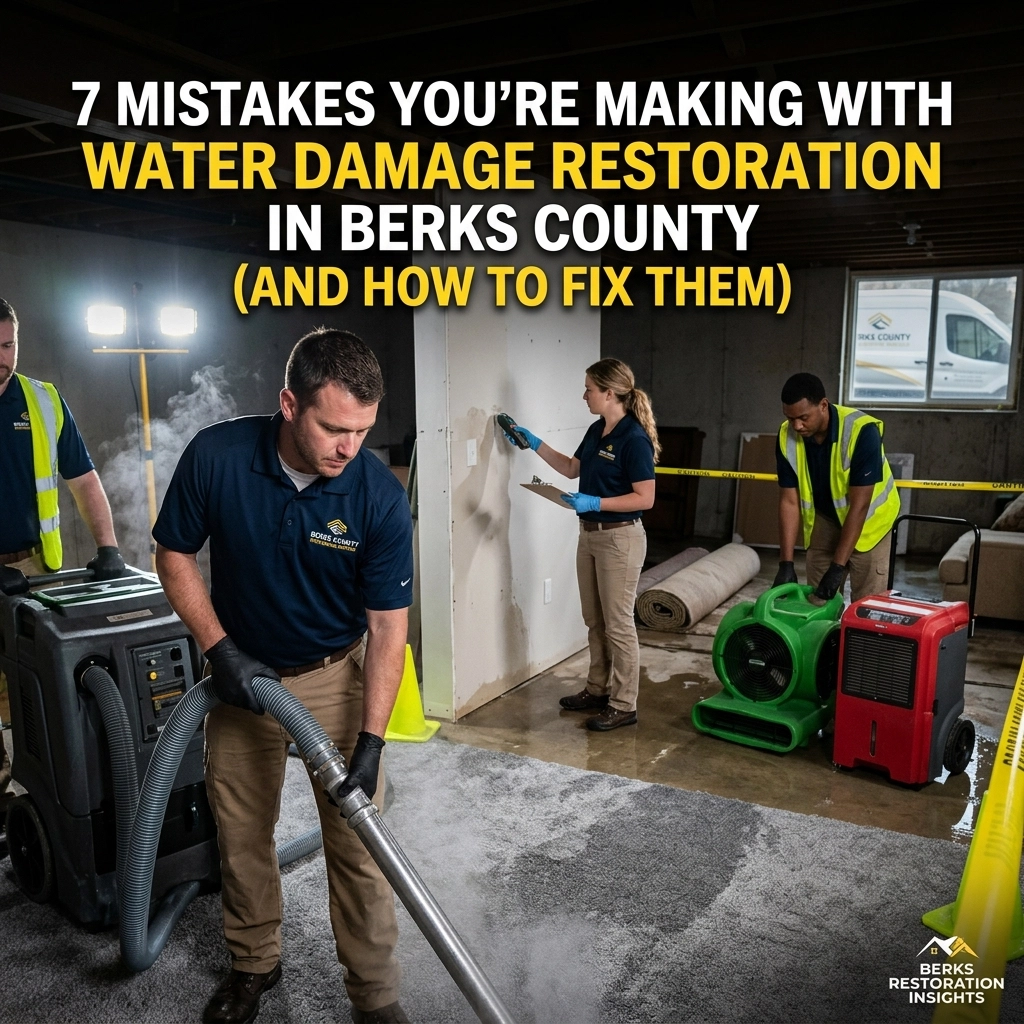
Contact us for quick, trusted restoration.
See how we’ve turned tough situations into success stories.

