
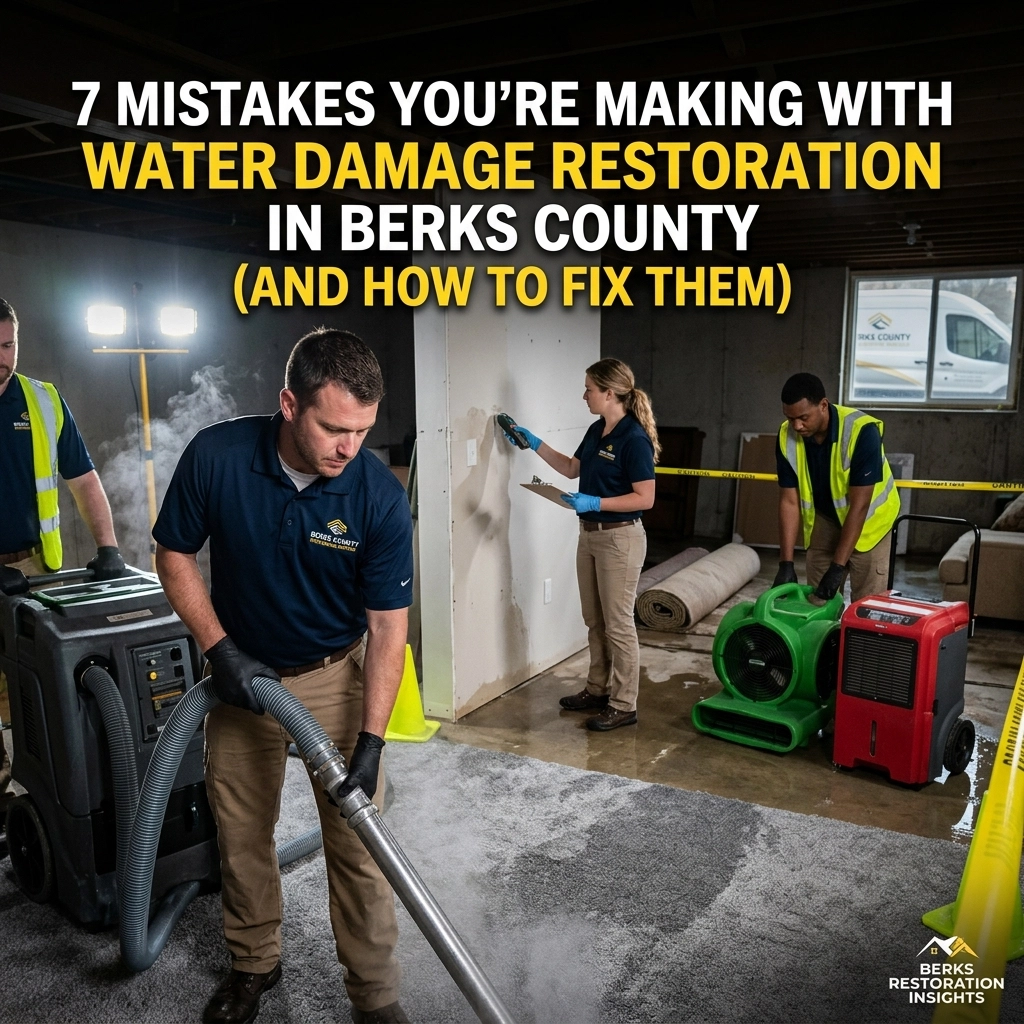
Living in Berks County, we’re no strangers to unpredictable weather. From heavy spring rains that turn basements into swimming pools to frozen pipes during a bitter January in Reading, water damage is a reality many of us have to face.
When your home is suddenly under water, it’s easy to panic. You want the water out, and you want it out now. But in the rush to fix things, many homeowners make critical errors that end up costing thousands more in the long run. Whether you’re dealing with a burst pipe in Wyomissing or a leaky roof in Kutztown, avoiding these common pitfalls is the difference between a quick recovery and a months-long nightmare.
Here are the seven biggest mistakes people make with water damage restoration and, more importantly, how you can fix them.
The biggest mistake you can make is the "wait and see" approach. You might think, "It’s just a little bit of water; it’ll dry out on its own if I open a window."
In the world of water damage restoration, time is your worst enemy. Within just 24 to 48 hours, mold can start to grow. Moisture seeps into your baseboards, wicks up into your drywall, and settles into your subflooring. The longer you wait, the more the water "migrates" to unaffected areas of your home.
How to Fix It:
Treat every water event as an emergency. Even if it seems minor, start the extraction process immediately. If you can’t get it bone-dry within a few hours using your own resources, call in a professional team. At My Water Damage Hero, we offer 24/7 emergency response because we know that a Sunday afternoon flood won't wait until Monday morning to start causing structural damage.
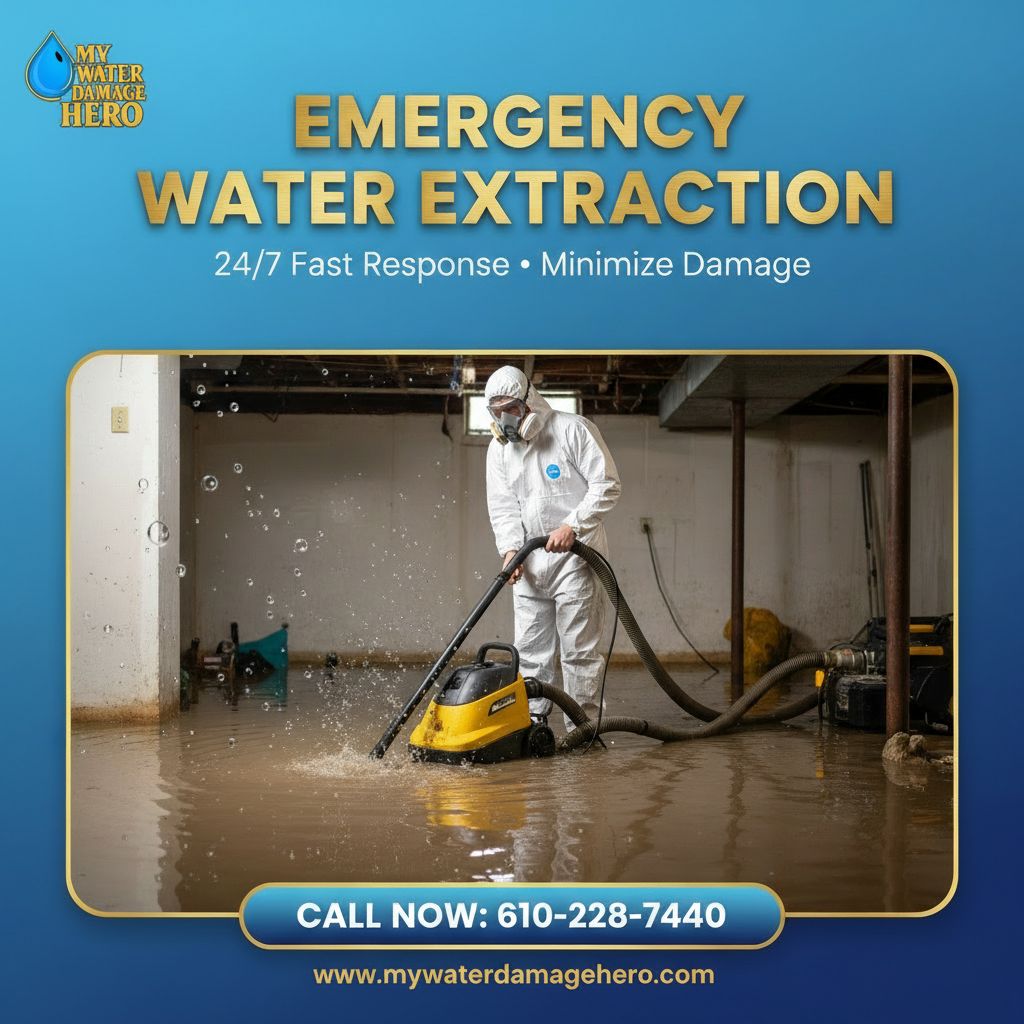
Water is sneaky. It follows the path of least resistance, which often means it’s hiding behind your walls, under your laminate flooring, or inside your cabinetry. If you only dry the surface of your carpet or mop up the visible puddles on the tile, you’re leaving a breeding ground for mold and structural rot.
This is a common issue in many of the older, historic homes throughout Berks County. Plaster walls and thick floorboards can trap moisture for weeks without showing signs on the outside.
How to Fix It:
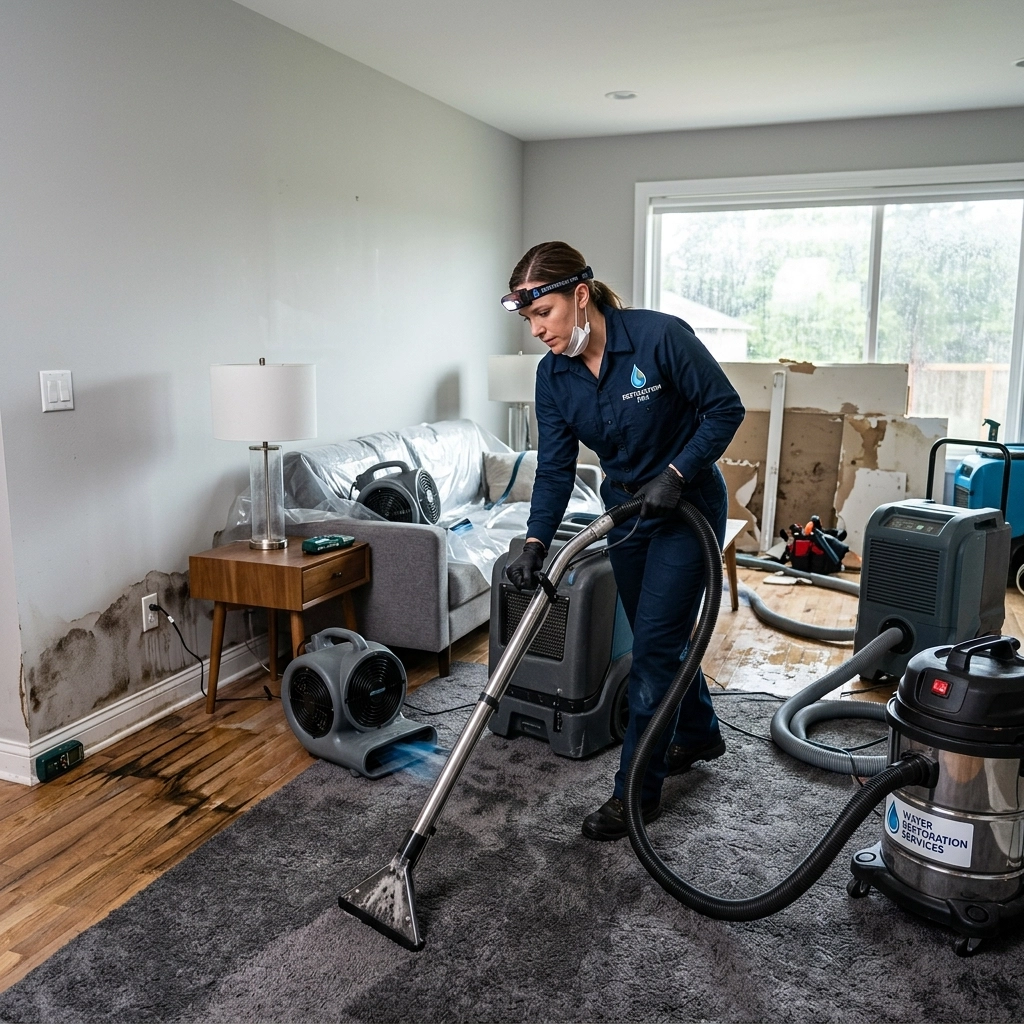
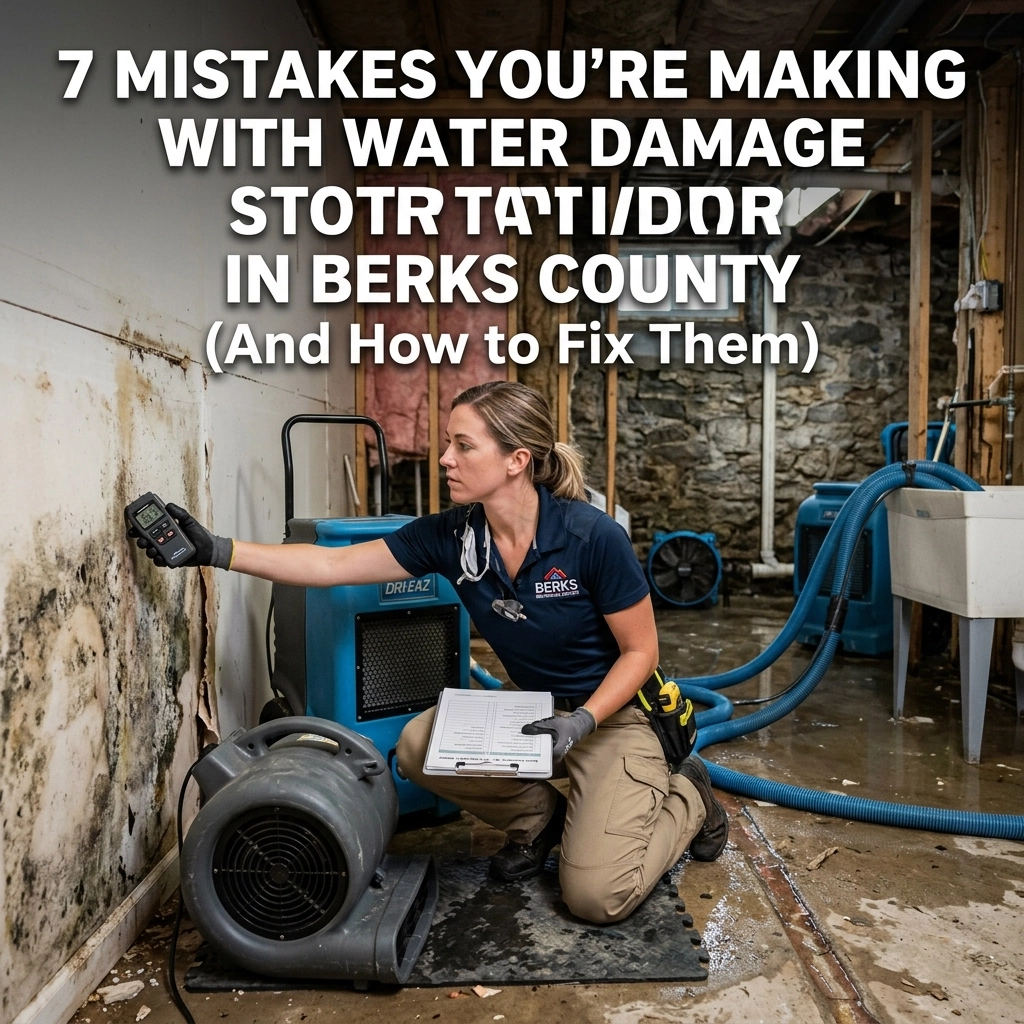
You need to use moisture meters and thermal imaging cameras to "see" through walls. Professionals use these tools to find hidden pockets of moisture. If you’re doing it yourself, don’t just look: feel. Check for soft spots in the drywall and use a heavy-duty shop vac to pull moisture from deep within carpets. However, if the water reached the walls, you likely need professional-grade moisture detection to ensure the studs aren't soaking wet.
We love a good DIY project, but a standard box fan from a big-box store in Muhlenberg isn't going to cut it for a flooded basement. Residential fans move air, but they don't have the "static pressure" needed to force moisture out of dense materials like wood or drywall. Similarly, a home dehumidifier usually can't pull enough gallons of water out of the air to keep up with a major leak.
Using the wrong equipment leads to a "false dry." The surface feels dry, but the humidity in the room remains high, leading to secondary water damage like warped furniture or peeling wallpaper.
How to Fix It:
Professional water damage restoration requires industrial-grade air movers and LGR (Low Grain Refrigerant) dehumidifiers. These machines are designed to pull moisture from the air even in low-humidity environments. If the job is bigger than a spilled bucket, rent pro-grade equipment or hire a team that brings the big guns.

When your basement is flooded, your first instinct is to jump in and start saving your belongings. Stop right there. Water and electricity are a deadly combination. Furthermore, not all water is created equal.
Walking into Black Water without the right protective gear can lead to serious illness.
How to Fix It:
Before you enter a flooded area, shut off the main power at the breaker box if it's safe to reach. If you have to stand in water to reach the breaker, call an electrician or the utility company first. Always wear rubber boots, gloves, and a mask. If you suspect sewage or "black water," do not attempt to clean it yourself. This requires specialized mold remediation and biohazard protocols.
Your insurance company isn't just going to take your word for it. Many homeowners start throwing away ruined carpet and soaked furniture before taking photos. This is a massive mistake that can lead to a denied claim or a much lower payout than you deserve.
How to Fix It:
Before you move a single item, take a "walk-through" video of the damage. Take high-quality photos of the source of the water (like a burst pipe) and all affected belongings. Keep a log of every conversation you have with your insurance adjuster and your restoration company. At My Water Damage Hero, we help our clients by providing detailed documentation and moisture logs that insurance companies require to process claims smoothly.
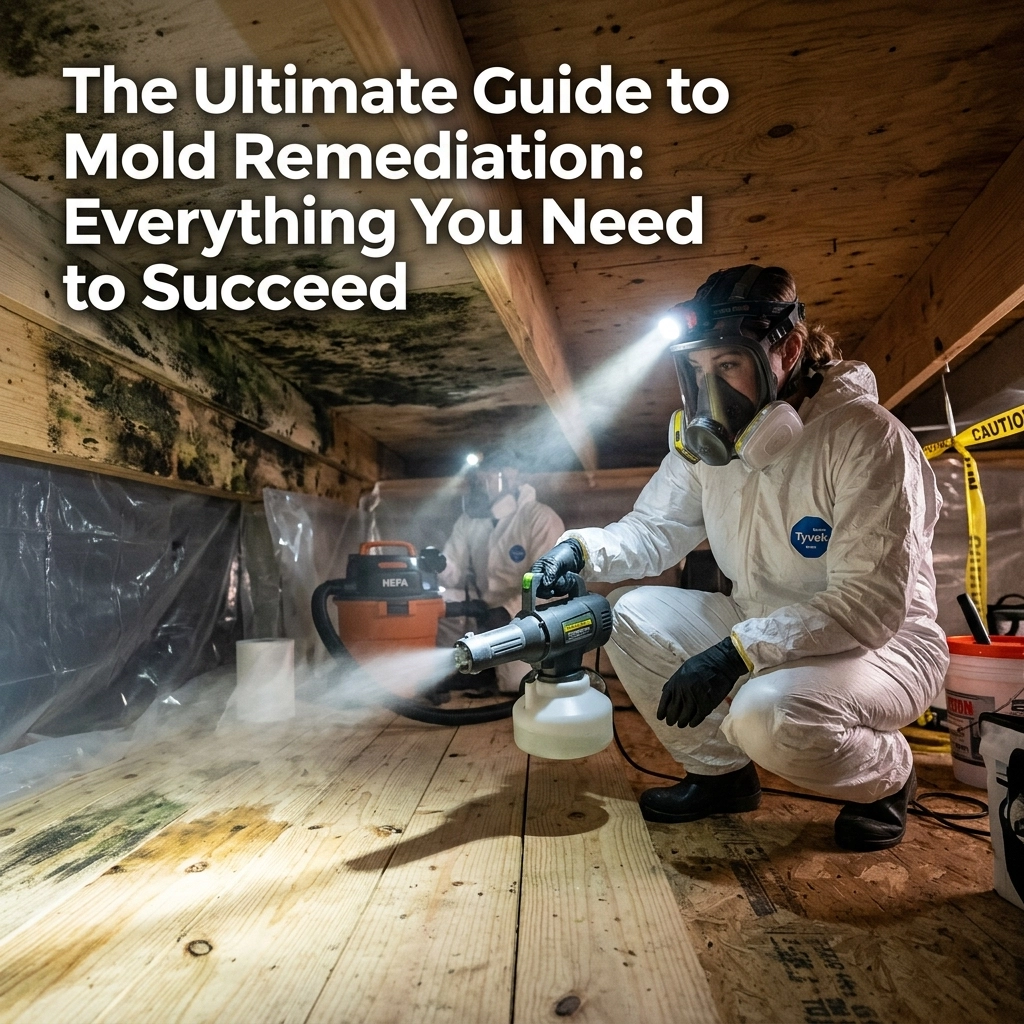
Many people think mold remediation is something you worry about weeks after a flood. In reality, mold is a silent partner to water damage. In the humid Pennsylvania summers, mold spores can activate and start colonizing your home in less than two days. Once mold gets into your HVAC system, you’ll also be looking at a bill for professional air duct cleaning to ensure your family isn't breathing in spores.
How to Fix It:
Assume mold is coming and act to prevent it. This means using antimicrobial treatments on surfaces as they dry. If you already see spots or smell a "musty" odor, don't try to scrub it with bleach (which can actually feed mold on porous surfaces). You need a professional estimate for mold remediation to ensure the roots of the mold are killed, not just the surface.
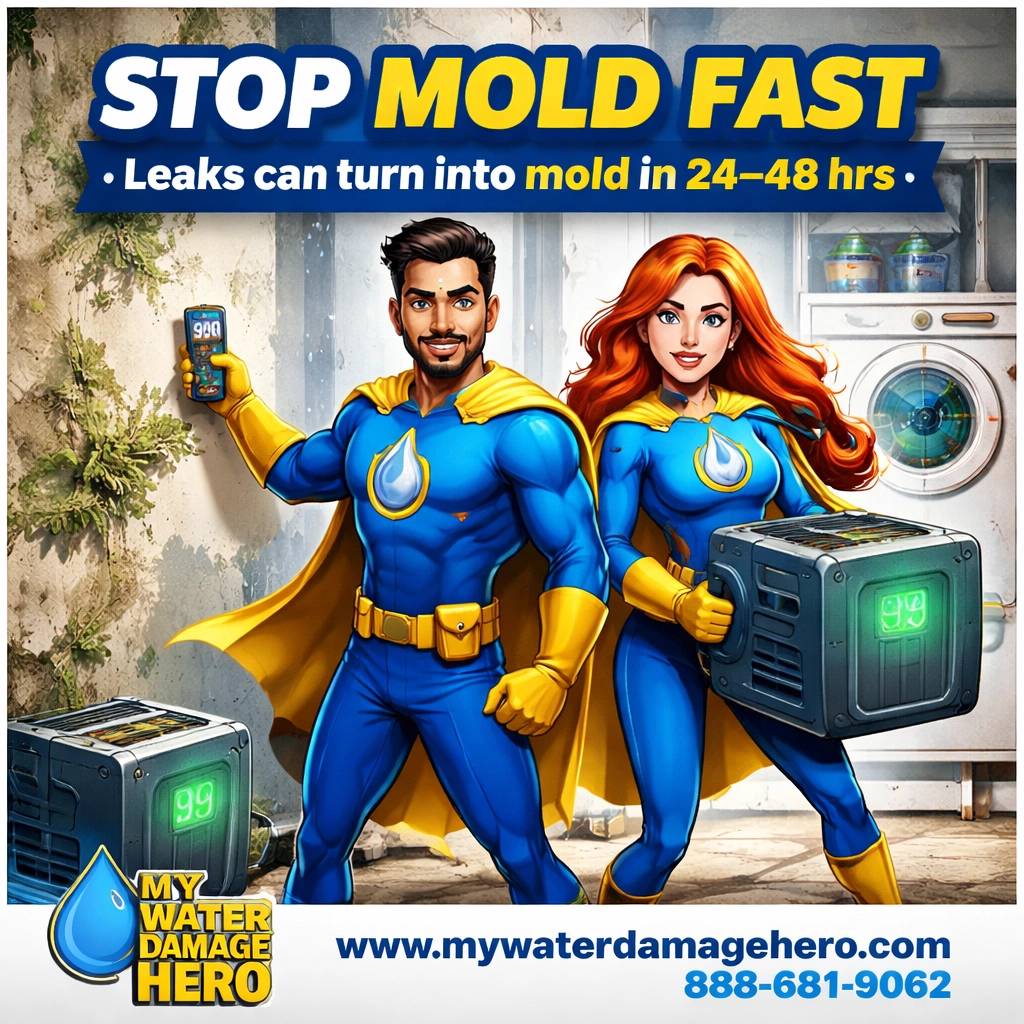
Once the water is gone and the fans are turned off, many homeowners think the job is done. But water often carries silt, bacteria, and allergens into your home. Even if your carpet looks dry, it might be harboring microscopic contaminants that can cause odors or health issues down the road.
This mistake often leads to homeowners needing fire damage restoration or professional carpet cleaning months later because the "lingering smell" just won't go away.
How to Fix It:
Restoration isn't just about drying; it's about sanitizing. After the drying phase, invest in professional carpet cleaning and upholstery cleaning. If the water damage was caused by a fire (and the subsequent water used to put it out), you’ll specifically need fire damage restoration techniques to handle soot and smoke odors.
Don't forget the air you breathe, either. If dust and debris from the restoration process settled into your vents, a thorough air duct cleaning will help restore your home’s indoor air quality to a healthy level.

We live and work right here in Berks County. We know the local architecture, the common plumbing issues in older Reading homes, and the specific challenges our weather brings. Whether you’re dealing with the aftermath of a storm or a kitchen pipe that decided to give up the ghost, we’re here to help you fix these mistakes before they become permanent problems.
Water damage is stressful, but it doesn't have to be a disaster. By avoiding these seven mistakes and acting quickly, you can protect your home’s value and your family’s health.
If you're currently facing a water emergency, don't wait for the damage to get worse. Give us a call, and let us be the hero your home deserves!
Contact us for quick, trusted restoration.
See how we’ve turned tough situations into success stories.

