
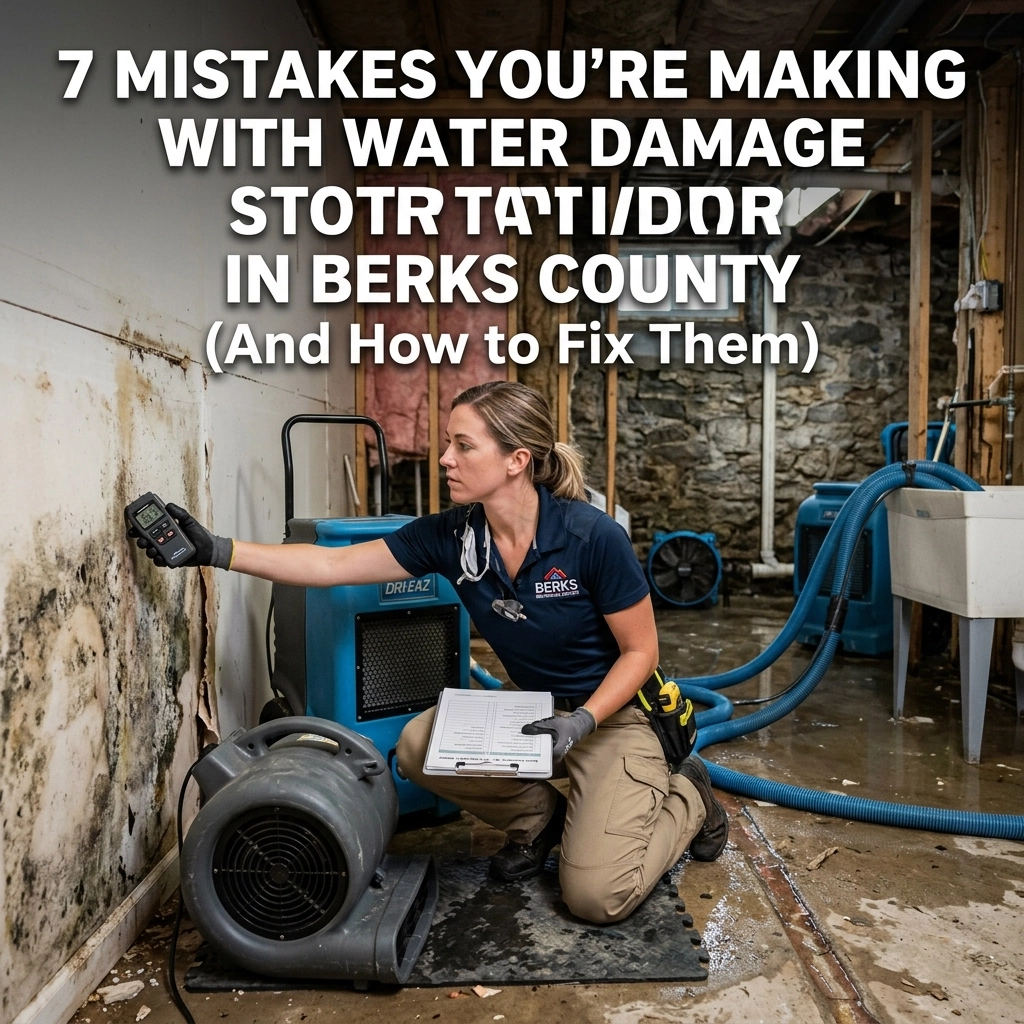
Living in Berks County, we’re no strangers to the occasional basement flood after a heavy spring downpour in Reading or a burst pipe during a freezing Kutztown winter. When water invades your home, your first instinct is likely "get it out: fast!" While that’s the right mindset, the way you go about it can make the difference between a simple cleanup and a total home renovation nightmare.
At My Water Damage Hero, we see homeowners try to do the right thing every day, only to accidentally make the situation worse. Whether you’re dealing with a leaky water heater in Wyomissing or a flooded crawlspace in Boyertown, avoiding these seven common mistakes will save your wallet and your sanity.
The absolute biggest mistake you can make is waiting. Maybe it’s just a small damp spot on the ceiling or a little bit of water in the corner of the basement. You think, "I'll handle it this weekend when I have time."
Here’s the reality: water doesn’t just sit there. It travels. It wicks up your drywall, soaks into your baseboards, and seeps under your floorboards. Within 24 to 48 hours, mold begins to grow. Once mold takes hold, you aren't just looking at water removal; you’re looking at full-scale mold remediation.
How to Fix It: As soon as you spot water, act. Even if you aren't sure how bad it is, call a professional for an inspection. In Berks County, the humidity can be high, which only speeds up the damage. Acting within the first few hours can save your structural beams and prevent a massive mold colony from moving in.

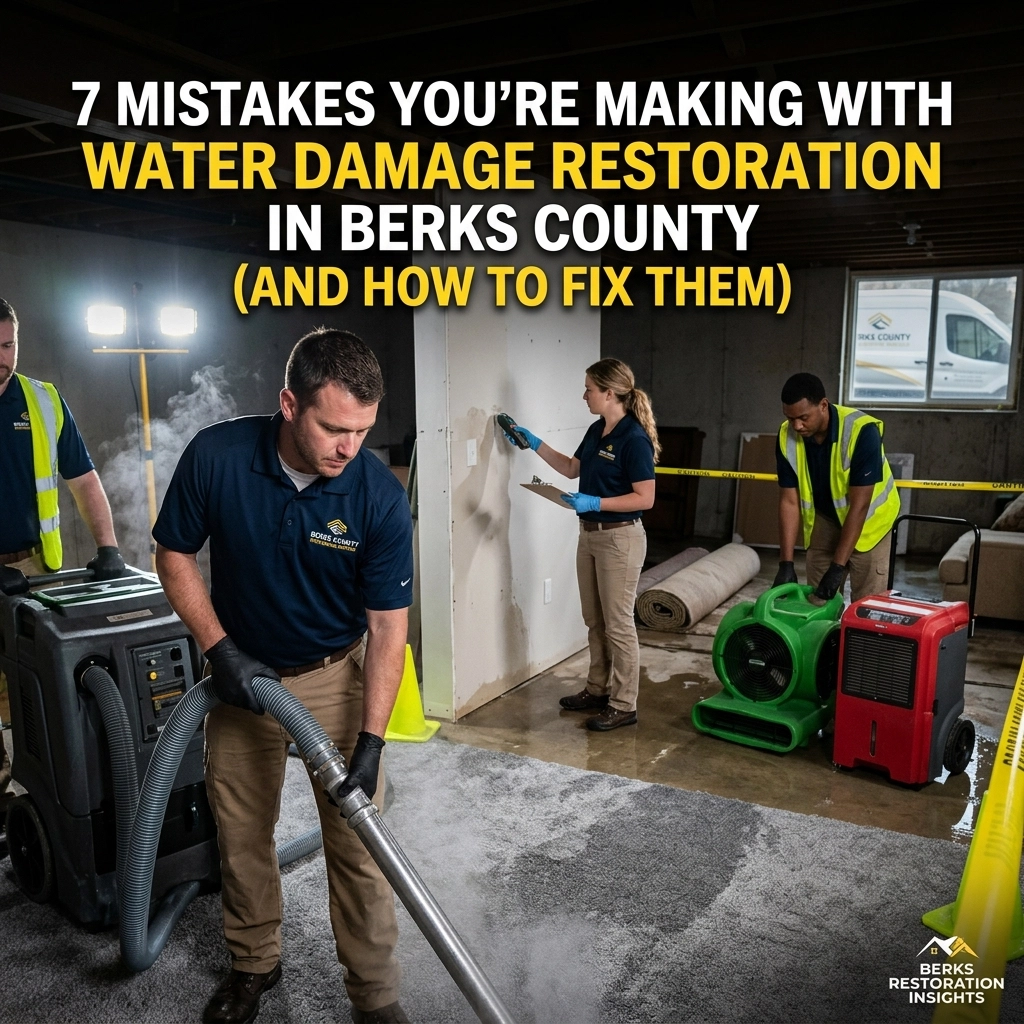
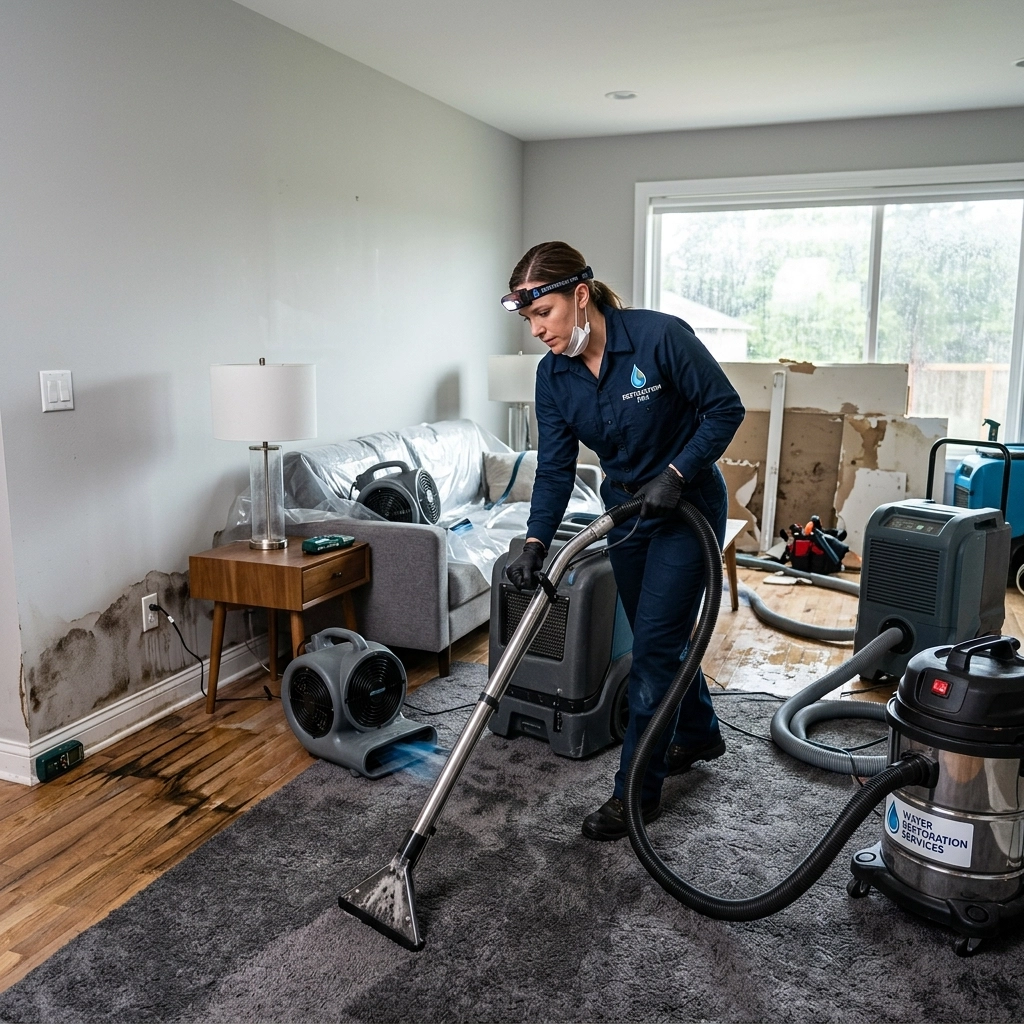
We love a good DIY project, but professional water damage restoration requires more than a household Shop-Vac and a few fans borrowed from the attic. Household vacuums aren't designed to pull water out of deep carpet fibers or pads, and standard fans just move humid air around: they don’t actually remove the moisture.
When you leave moisture behind, you’re basically creating a sauna for bacteria. This is especially true if the water came from an "unclean" source like a washing machine overflow or a heavy rainstorm.
How to Fix It: Professional restoration teams use industrial-grade centrifugal air movers and LGR (Low Grain Refrigerant) dehumidifiers. These machines pull gallons of moisture out of the air and the structure of your home every day. If you’re doing it yourself, you’re likely only drying the surface, leaving the "bones" of your house wet.
Just because the carpet feels dry to the touch doesn't mean the subfloor is safe. Water is sneaky. It loves to hide in the insulation inside your walls or in the "voids" under your kitchen cabinets. If you only dry the visible areas, you’re leaving the perfect environment for "hidden mold."
In Berks County’s older homes, water can get trapped in lath and plaster walls or under old hardwood floors. If that moisture isn't extracted, the wood will eventually rot, and you’ll start smelling that classic "musty basement" scent that never seems to go away.
How to Fix It: Use moisture meters and thermal imaging cameras. Professional restorers use these tools to "see" through walls and floors. If you're tackling a small leak yourself, make sure to check the surrounding areas, including the rooms below the leak. If you suspect moisture is trapped, you might need to remove baseboards or drill small "weep holes" to let the air circulate.
It sounds obvious, right? But in the panic of seeing a flooded kitchen, many people start mopping before they’ve even stopped the water from coming in. If you have a burst pipe or a failing appliance, the cleanup is useless until the "faucet" is turned off.
We’ve seen cases where a homeowner spent hours cleaning up a basement flood, only to have the sump pump fail again or a hidden pipe leak continue to saturate the area they just "dried."
How to Fix It: Find the shut-off valve immediately. Every homeowner in Berks County should know where their main water shut-off is located. Once the water is stopped, then: and only then: should the restoration process begin. If it’s a roof leak, get a tarp over it. If it’s a pipe, call a plumber or a restoration hero to get it capped.

Water damage isn't just a floor and wall problem; it’s an air problem. When water sits, it evaporates and increases the humidity in the entire house. This moisture can get into your HVAC system, leading to mold growth inside your vents.
If you’ve had a fire (requiring fire damage restoration) or significant water damage, the soot, dust, and mold spores can circulate through your home every time the AC kicks on. Many people forget that air duct cleaning is a vital part of the recovery process.
How to Fix It: After the initial drying is done, have your air quality tested. If there was a lot of standing water or smoke, a professional air duct cleaning can remove the contaminants that settled in your ventilation system. This ensures that your "restored" home actually smells fresh and is safe for your family to breathe in.

"I'll just tell the insurance company what happened." Unfortunately, that rarely works out in the homeowner's favor. Insurance adjusters need proof. If you start throwing away ruined carpet, damaged furniture, or soaked drywall before taking photos, you might be throwing away your claim money.
Restoration is expensive, and you want to make sure your policy covers as much as possible. Without a "paper trail" (or a digital one), you're at the mercy of the adjuster's imagination.
How to Fix It: Before you touch anything, take a video. Walk through the damaged area and point out where the water came from. Take close-up photos of high-value items that are damaged. Keep a log of every phone call you make to professionals. At My Water Damage Hero, we help our clients with this documentation because we know how stressful the insurance process can be.
There are three categories of water in the restoration world:
A common mistake is thinking Category 1 water stays clean. It doesn't. Once clean water touches a dirty floor, tracks through dust, or sits for more than 24 hours, it degrades into Category 2 or 3. If you're wading through basement water after a storm, you have to assume there are bacteria and chemicals in that water.
How to Fix It: Wear protection. If you’re going into a wet area, wear rubber boots and gloves. Don't let kids or pets play in the area. If the water is Category 3 (sewage), don't try to clean it yourself. That requires specialized sanitization that goes far beyond a standard carpet cleaning.

Dealing with water damage is overwhelming. You’re worried about your floors, your electronics, and the health of your family. The good news is that you don't have to be the expert: that’s what we’re here for.
Whether you need emergency water damage restoration, professional mold remediation to clear the air, or even a deep carpet cleaning after a minor spill, our team is ready to jump into action. We serve all of Berks County and the surrounding areas with 24/7 emergency response.
Don't let a small leak turn into a structural disaster. Fix the mistakes before they happen by calling in the heroes. We’ll get your home back to normal so you can get back to enjoying life in the beautiful Keystone State.
Contact us for quick, trusted restoration.
See how we’ve turned tough situations into success stories.

