
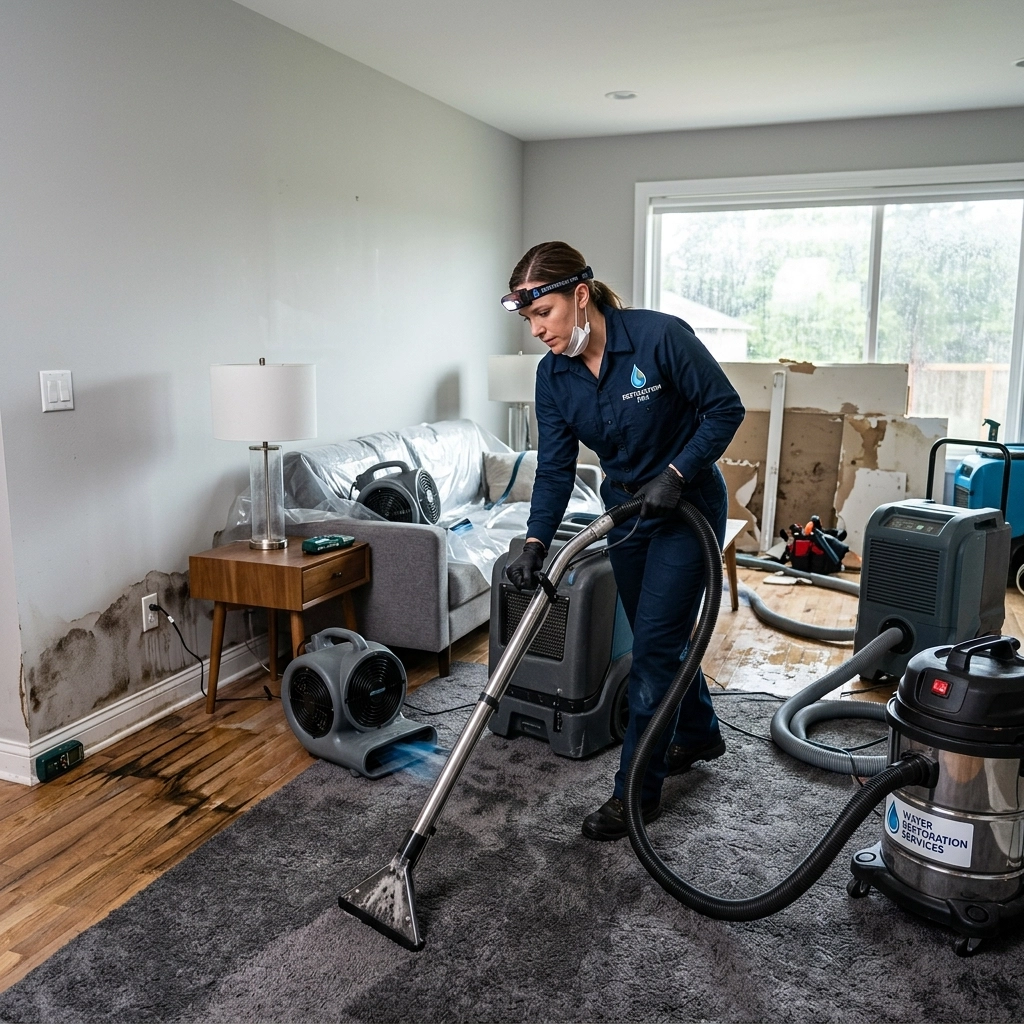
Finding a puddle in your basement or a damp spot on your ceiling is enough to make any homeowner panic. Whether it’s a burst pipe, a leaky roof, or a sudden storm, water damage is a race against the clock. At My Water Damage Hero, we see it every day: well-meaning homeowners trying to fix the mess themselves, only to accidentally make things worse.
When water hits your home, it doesn’t just sit there: it moves. It seeps into your floorboards, climbs up your drywall, and settles into your insulation. If you don't handle it the right way, you’re looking at long-term structural issues and the dreaded "M-word": mold.
To help you protect your home, we’ve put together a list of the seven most common mistakes people make with water damage restoration and, more importantly, how to fix them before they turn into a total disaster.
The biggest mistake you can make is thinking, "I'll deal with it tomorrow." When it comes to water, time is your biggest enemy. Within just minutes, water spreads through your home, soaking everything in its path. Within 24 to 48 hours, mold begins to grow.
By the time you wake up the next morning, that small leak could have already compromised your subflooring or started a colony of mold in your walls.
The Fix: You need to act immediately. The moment you notice water, start the cleanup process. If the job is bigger than a small spill, call in the pros for emergency water damage restoration. At My Water Damage Hero, we provide 24/7 emergency response because we know that an hour can be the difference between a simple dry-out and a massive renovation.
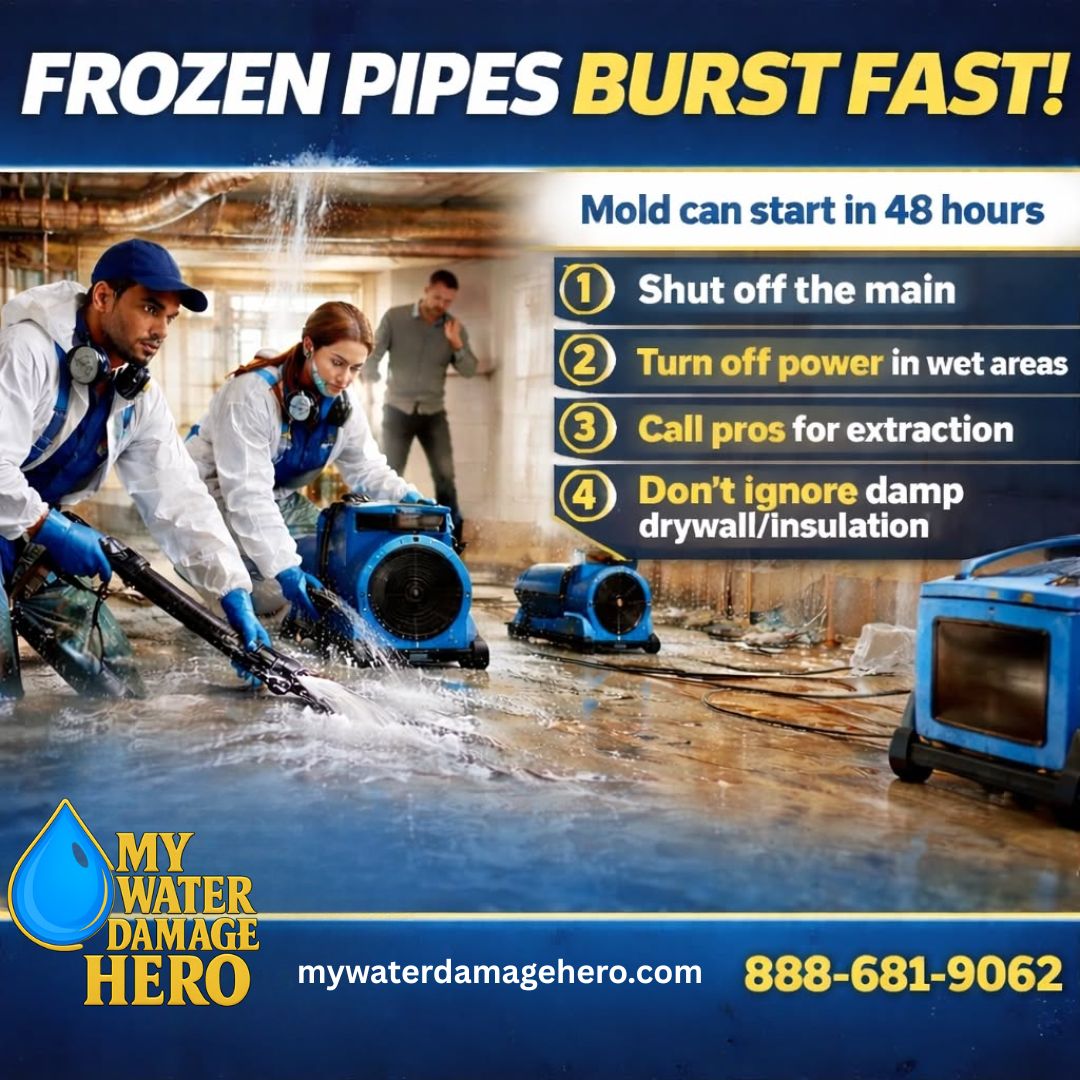
You’ve mopped up the floor, run a box fan for a few hours, and the carpet feels dry under your hand. You’re good to go, right? Wrong. This is a classic mistake that leads to "hidden" damage.
Water is sneaky. It travels through capillary action, meaning it can "climb" up inside your walls and stay trapped behind baseboards or under laminate flooring. Even if the surface feels dry, the structure underneath could be soaking wet, leading to rot and structural instability.
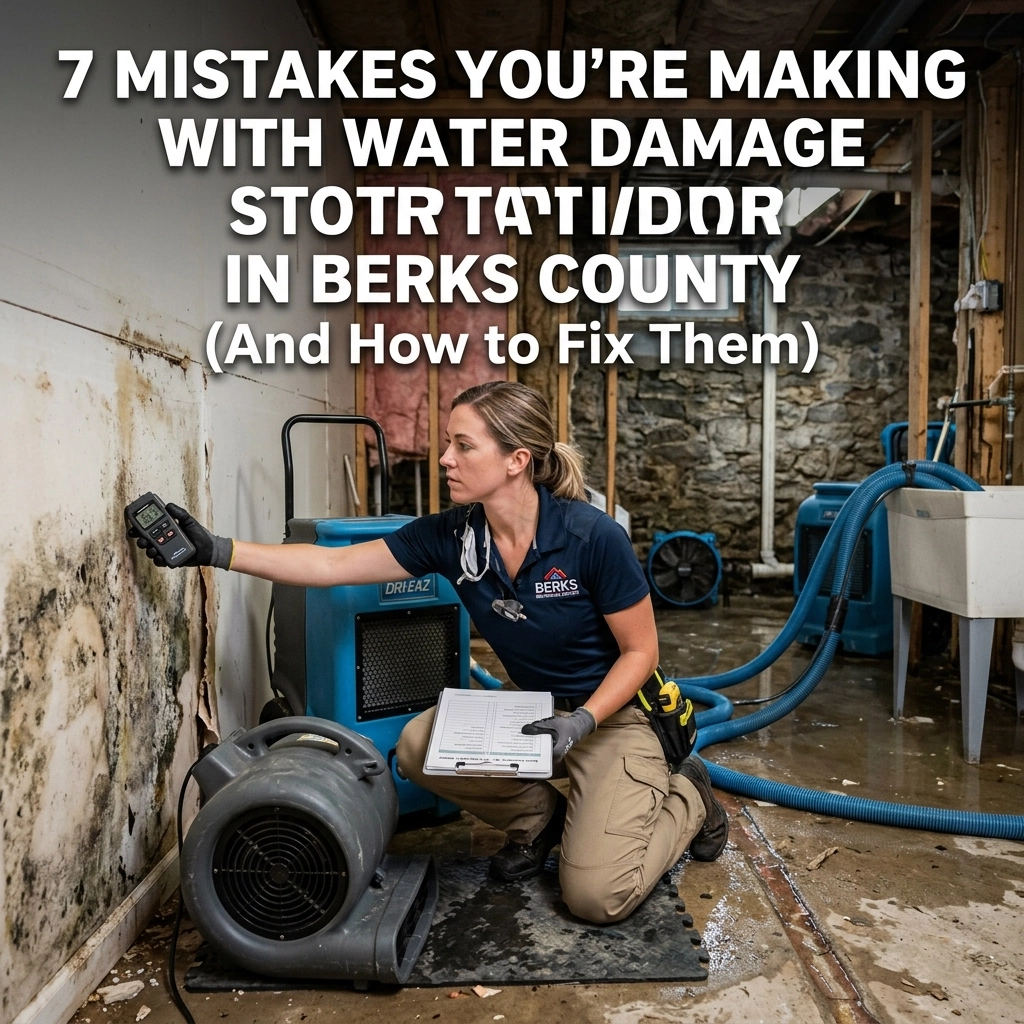
The Fix: Use professional-grade moisture meters. These tools can "see" through walls and floors to tell you exactly how much moisture is still trapped. If you don't have professional equipment, you’re essentially guessing. Our technicians use thermal imaging and moisture probes to ensure that every layer of your home is truly dry before we call the job finished.

We love a good DIY project, but a household wet-dry vac is not a restoration tool. These vacuums might get the standing water off the top of your floor, but they lack the suction power to pull moisture out of carpet padding or deep floor grooves.
Furthermore, using regular household fans to dry out a room usually just circulates humid air. Without a way to actually remove the moisture from the air, you’re just creating a tropical rainforest environment inside your house: which mold absolutely loves.
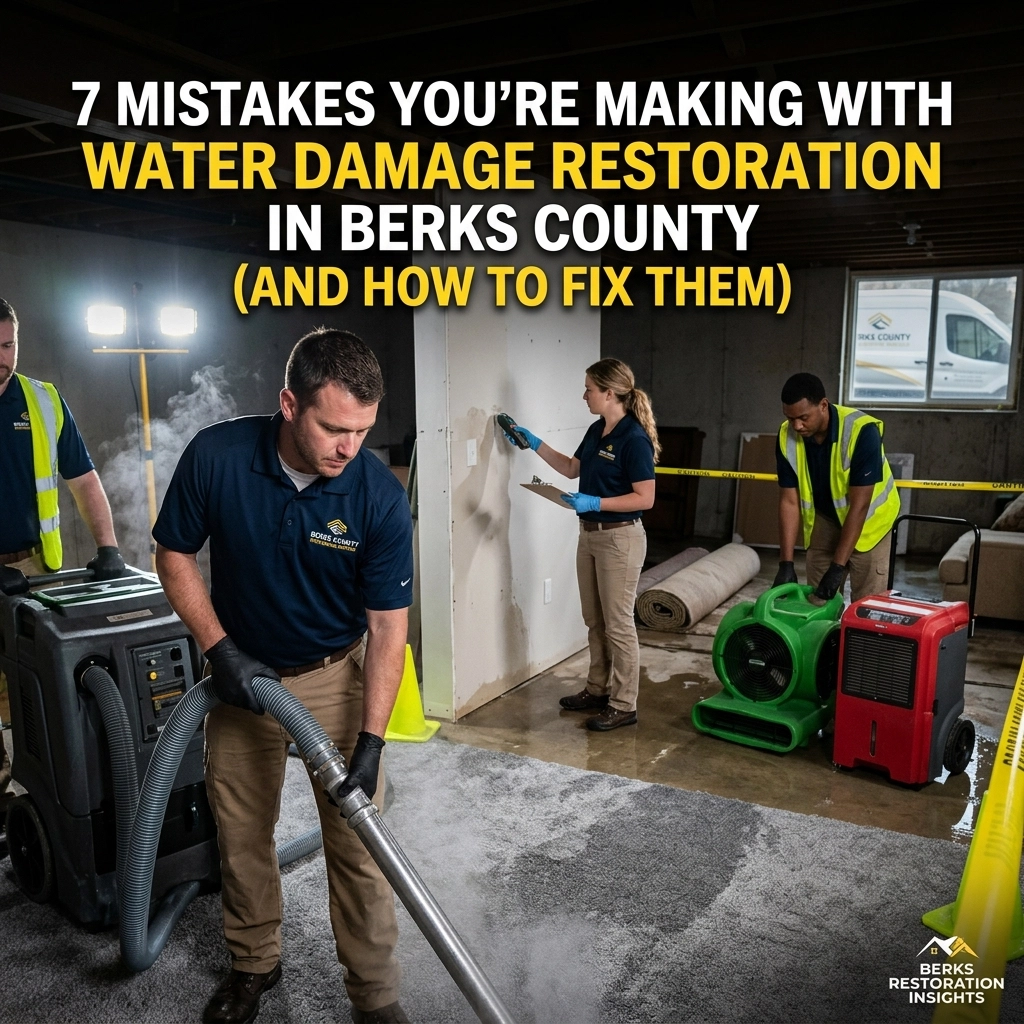
The Fix: Professional water damage restoration requires industrial-grade equipment. This includes high-velocity air movers and LGR (Low Grain Refrigerant) dehumidifiers. These machines are designed to pull gallons of water out of the air and the structure every single day. If you’re dealing with more than a gallon of water, put down the shop-vac and call for professional extraction.
Mold doesn't wait for an invitation. It is a natural byproduct of moisture, and it works fast. A common mistake is focusing entirely on the water and forgetting that the environment is now primed for mold growth. If you don't treat the area with antimicrobial solutions during the drying process, you might find yourself needing a full mold remediation service a week later.
Mold can cause health issues for your family, especially for those with allergies or respiratory problems. Simply drying the area isn't enough; you have to sanitize it too.
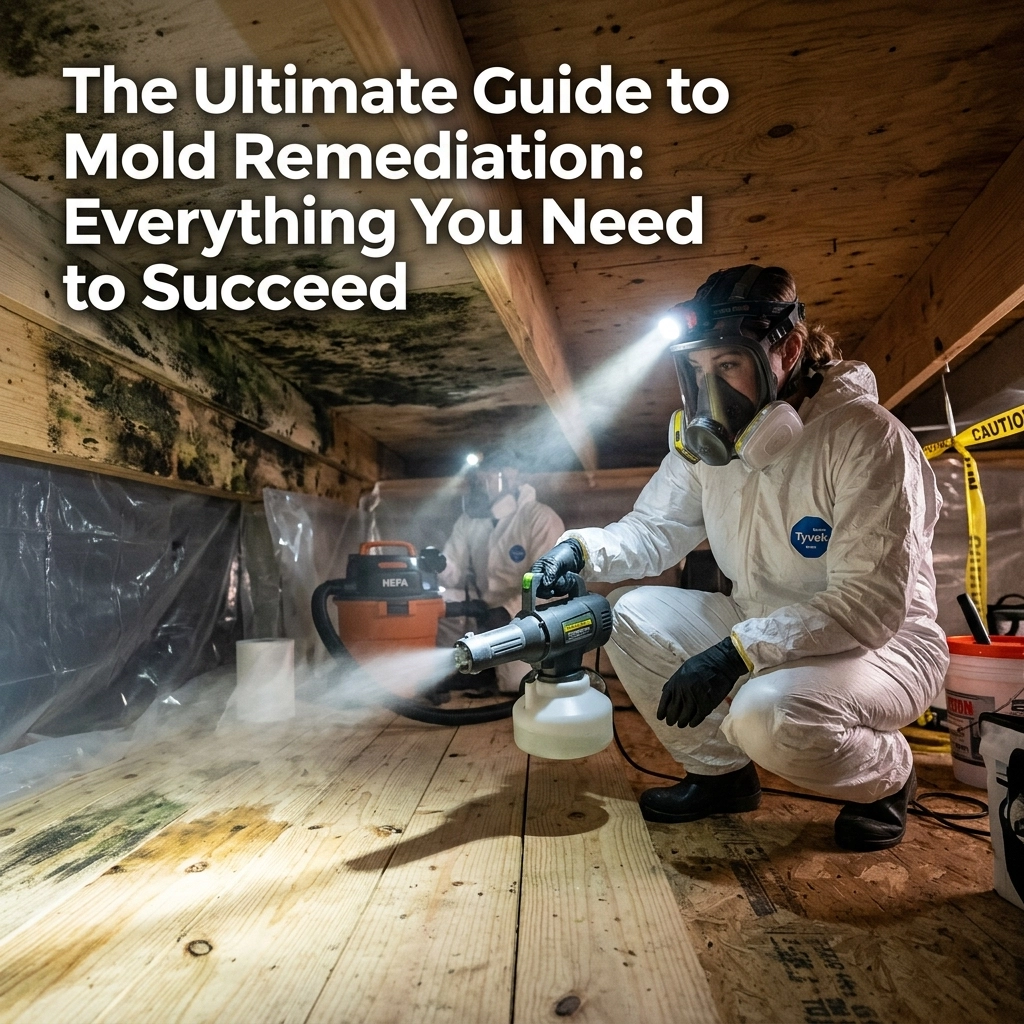
The Fix: Ensure that your restoration plan includes a mold prevention step. This involves applying professional-grade antimicrobials to prevent spores from taking root. If you already see fuzzy spots or smell a musty odor, you need to call a team that specializes in mold remediation to contain the area and safely remove the spores before they spread through your HVAC system.
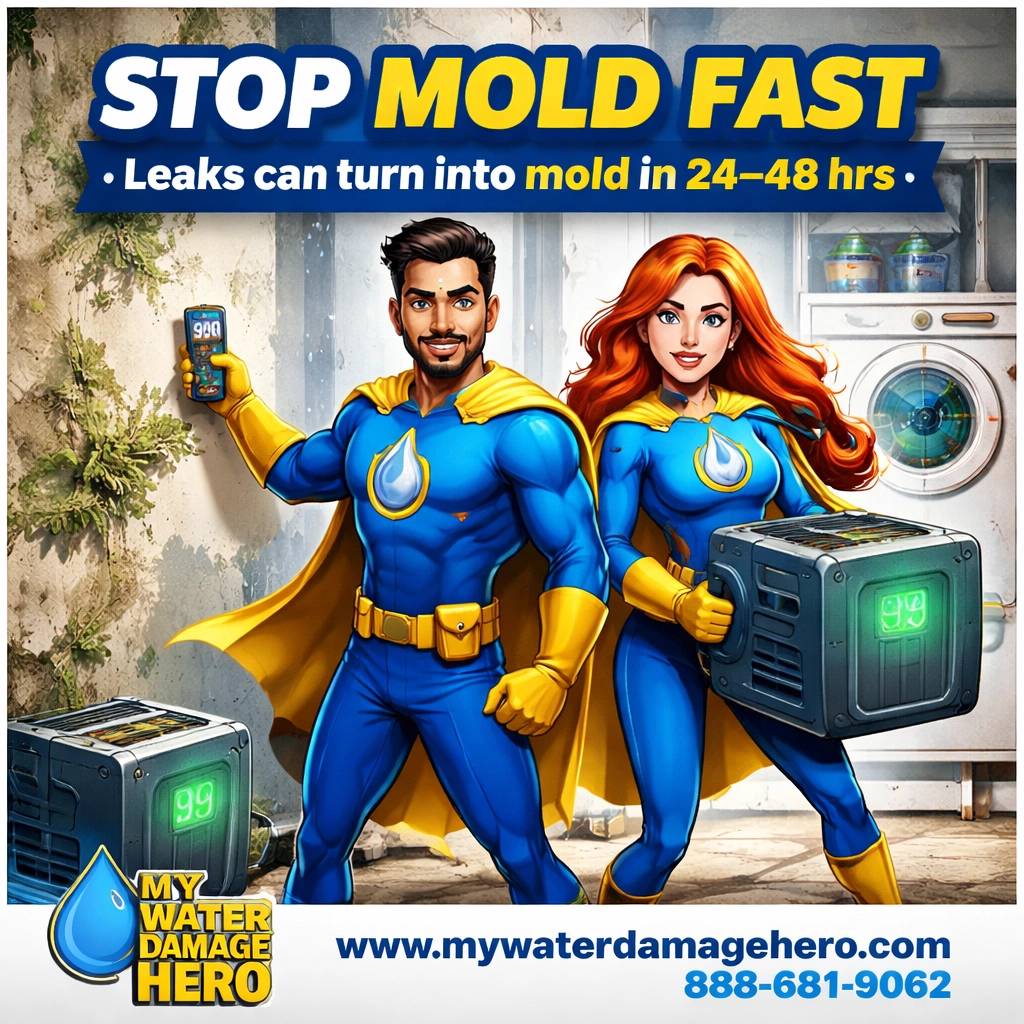
When your house is flooded, the humidity levels skyrocket. That moist air gets sucked into your HVAC system and travels through your air ducts. If there are dust and debris in your ducts (and let’s be honest, there usually are), they become a damp breeding ground for bacteria and mold.
Many homeowners finish the floor restoration but forget that their air quality has been compromised. Every time the AC kicks on, it could be blowing microscopic spores and dust throughout the house.
The Fix: Once the water is gone and the house is dry, schedule a professional air duct cleaning. This ensures that any moisture or contaminants that entered your ventilation system are removed. It’s also a great time to check your filters and ensure your home’s air is as clean as your newly restored floors.

Not all water is created equal. In the restoration world, we talk about three categories of water:
A major mistake is treating "Black Water" like "Clean Water." If you try to clean up a sewage backup with a mop and a bucket, you are exposing yourself to dangerous pathogens and bacteria.
The Fix: Know when to stay back. If the water is murky, smells bad, or came from a toilet or the street, do not touch it without full PPE (Personal Protective Equipment). Professionals have the gear and the heavy-duty disinfectants needed to handle Category 3 water safely. Your health is worth more than the cost of a professional cleanup.
In the heat of the moment, most people start throwing away ruined rugs and soaked boxes of old photos. While your instinct is to "get the trash out," you are literally throwing away your evidence for an insurance claim. If you don't document the damage properly, your insurance company may deny your claim or pay out much less than you deserve.
The Fix: Take photos and videos of everything before you move it. Document the source of the leak, the standing water, and every single item that was damaged. Keep a list of the model numbers for any electronics or appliances that were hit.
A professional restoration company like My Water Damage Hero can actually help with this. We work directly with insurance companies, providing them with the moisture maps and thermal images they need to process your claim quickly.
Restoring a home after water damage is about more than just getting things dry. It’s about making your home safe again. Sometimes, water damage is accompanied by other issues: perhaps a small fire caused a pipe to burst, requiring fire damage restoration, or your carpets are so saturated they need professional carpet cleaning to be salvaged.
Trying to juggle all of these tasks while managing your daily life is overwhelming. By avoiding these seven mistakes and calling in the experts, you ensure that your "heroic" DIY efforts don't turn into a long-term headache.
At My Water Damage Hero, we treat your home like it’s our own. From the initial water extraction to the final air duct cleaning, we handle the details so you can get back to your life. Whether you’re in Berks, Bucks, Chester, Delaware, or Montgomery county, we’re just a phone call away.
Don't let a small mistake turn into a major renovation. Let us be your heroes!
Contact us for quick, trusted restoration.
See how we’ve turned tough situations into success stories.

