
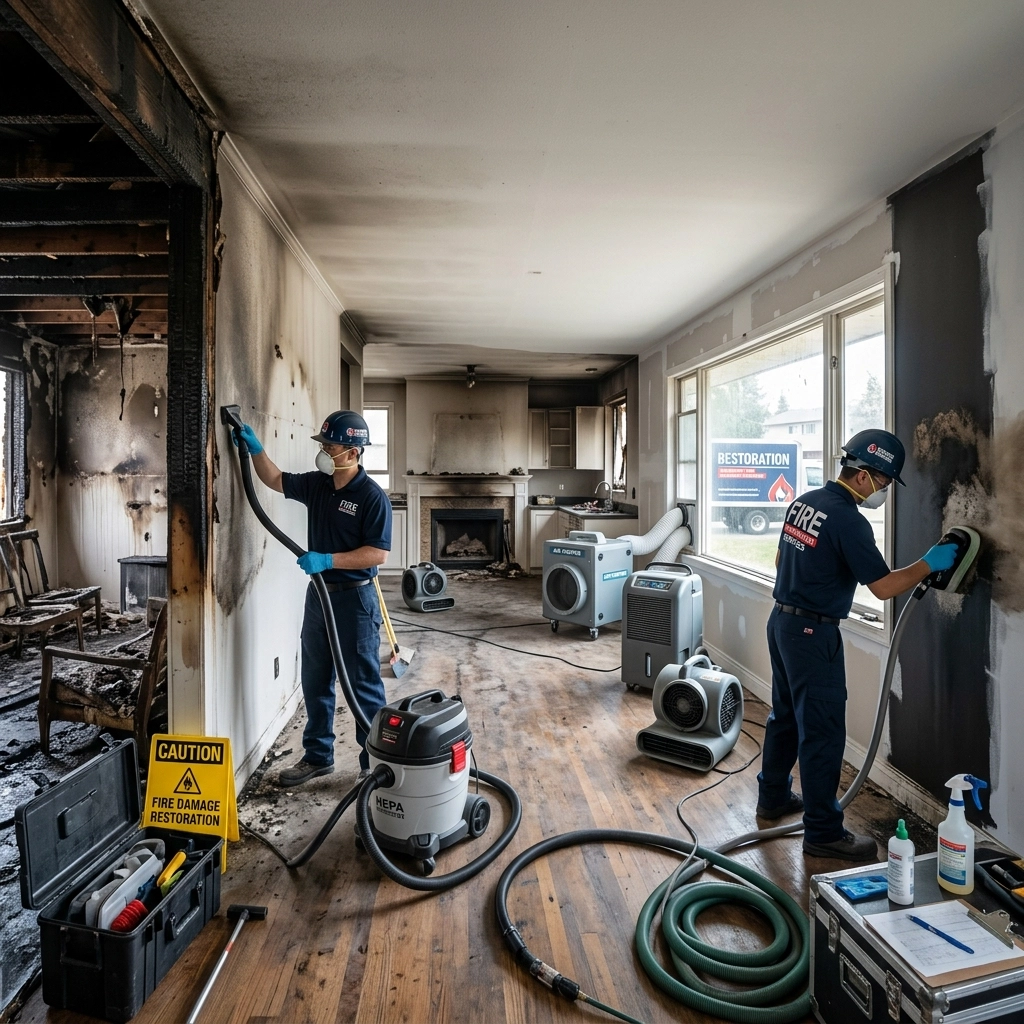
Dealing with a house fire is, quite honestly, one of the most stressful things a homeowner can ever experience. If you’re reading this because you’ve just gone through an emergency, first of all: we are so sorry. Take a deep breath. It’s a lot to handle, but the good news is that your home can be restored.
At My Water Damage Hero, we’ve walked this path with countless families. Fire damage restoration isn't just about cleaning up some ash; it’s a complex, multi-step process that involves everything from structural repairs to air quality control. In this guide, we’re going to walk you through exactly what happens after the fire trucks leave, how to keep your family safe, and what it takes to get your life back to normal.
Before we dive into the nitty-gritty of restoration, we have to talk about safety. Even if the fire was small or confined to one room, the structural integrity of your home might be compromised. Electrical systems could be damaged, and the air is likely filled with toxic particles.
Do not enter your home until the fire department has officially cleared it. Once you have the green light, your best bet is to call in the professionals immediately. The longer soot and smoke sit on your surfaces, the more permanent the damage becomes.
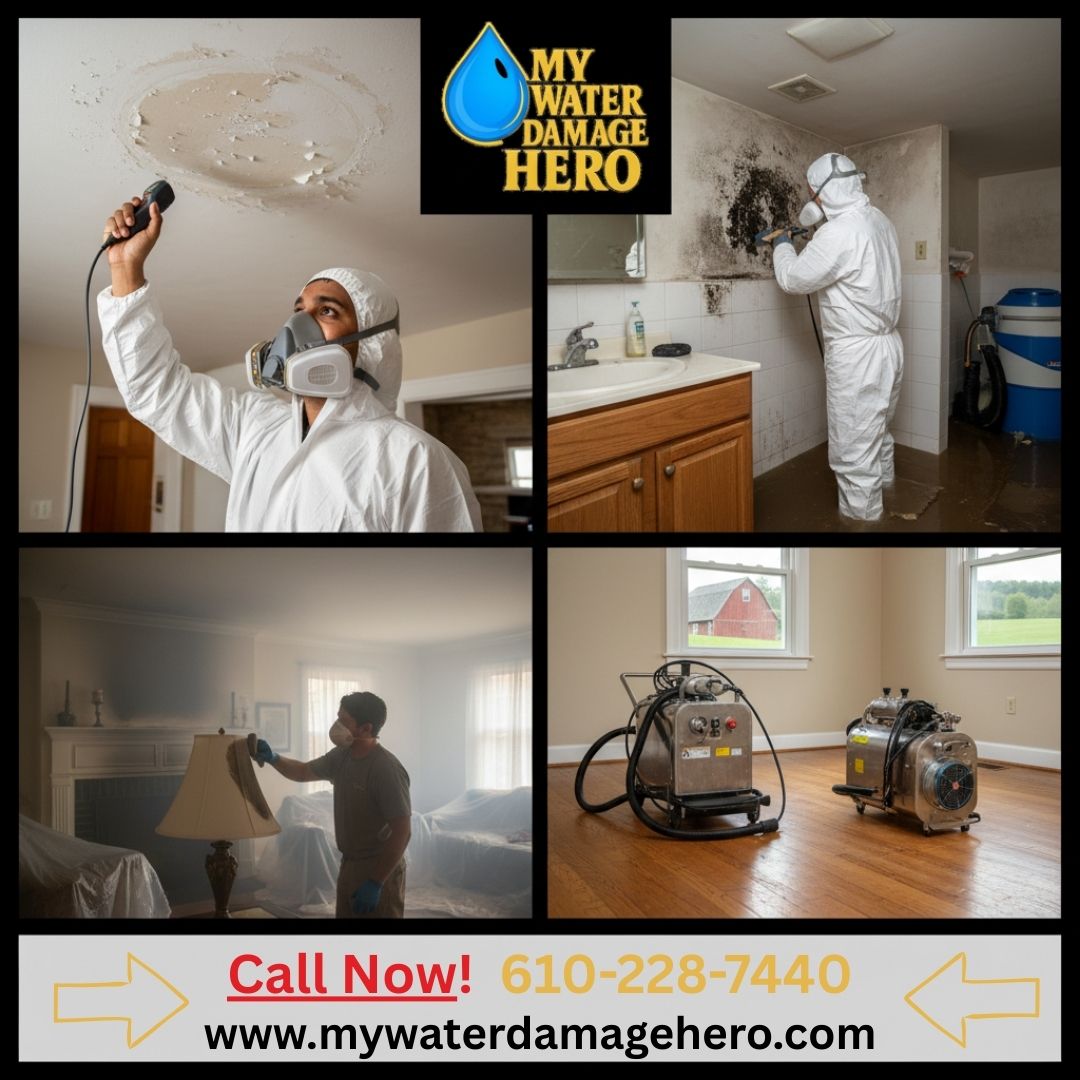
The very first thing a professional restoration team does is assess the damage. This isn't just a quick walk-through; it’s a detailed inspection of how deep the fire, smoke, and water have penetrated. We look at the walls, the roof, the floors, and the HVAC system to create a game plan.
While the assessment is happening, we also focus on securing the property. If a window was blown out or the roof was damaged, your home is vulnerable to the elements and intruders. We’ll board up windows, secure doors, and put tarps on the roof. This keeps the rain out and prevents further water damage while we work.
Once the site is secure, it’s time to get the "mess" out. This stage is all about clearing the way. Charred furniture, ruined drywall, and burnt carpeting need to go.
During debris removal, we also look for items that can be saved. This is called a "pack-out." We carefully remove salvageable belongings and take them to a secure facility to be cleaned and restored. It’s often surprising what can be saved with professional-grade cleaning! However, items that are heavily charred or structurally unsound are disposed of safely to make room for the rebuild.
Believe it or not, fire damage restoration almost always involves water damage restoration as well. Between the fire hoses and the sprinkler systems, your home might have more damage from water than from the actual flames.
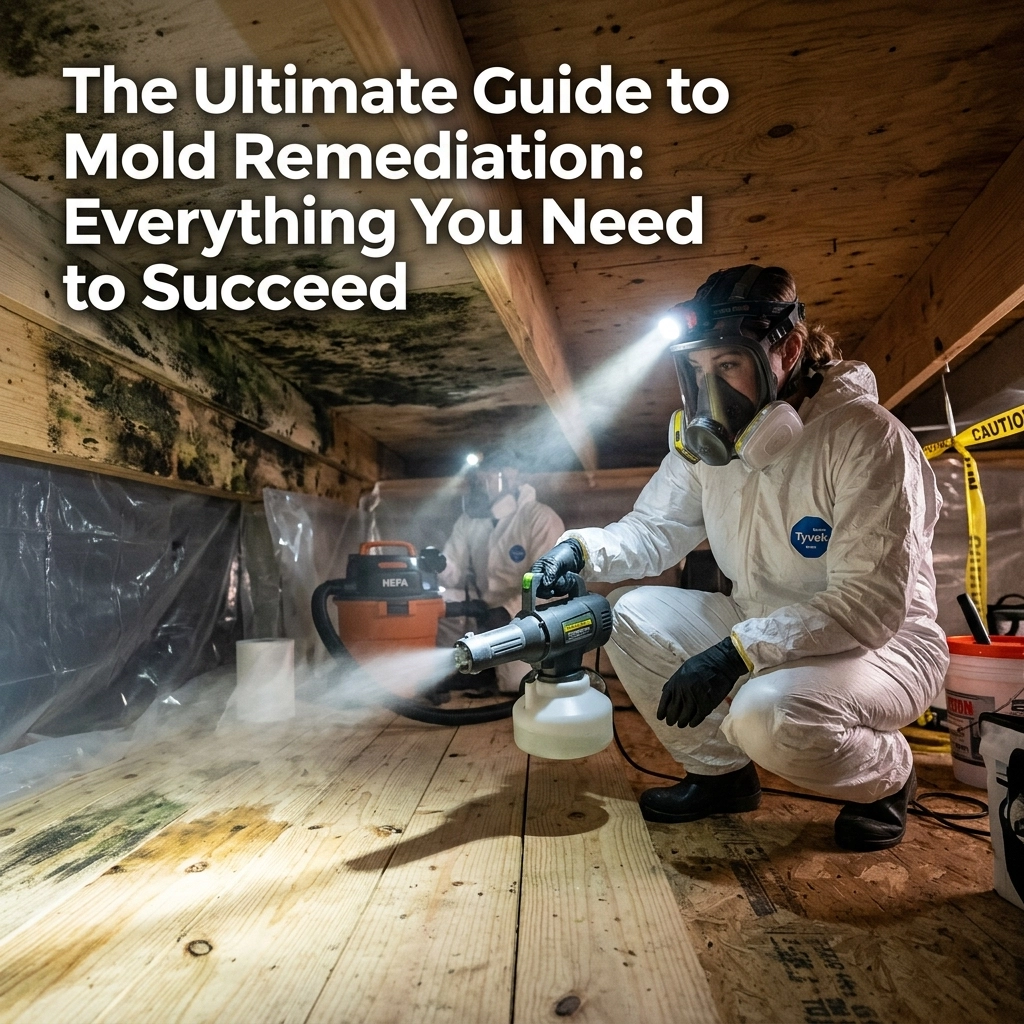
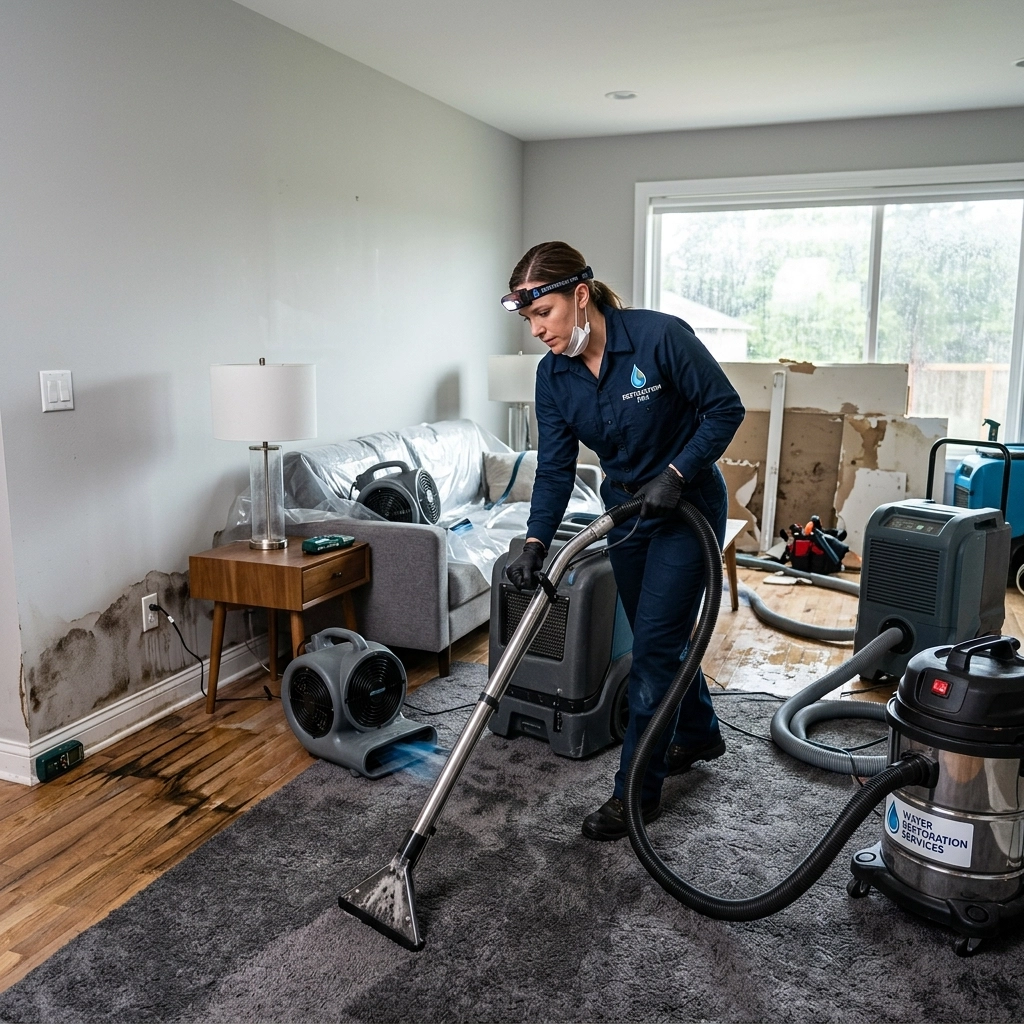
Water can’t wait. If it sits for more than 24 to 48 hours, you’re looking at a serious need for mold remediation. We use industrial-grade extractors to pull water out of carpets and floorboards, followed by high-volume dehumidifiers to pull moisture out of the air and the walls.

Using specialized drying technology is the only way to ensure that hidden pockets of moisture don't turn into a mold colony behind your drywall. We monitor the moisture levels daily until everything is back to a safe, dry baseline.
This is the most labor-intensive part of the job. Smoke and soot are incredibly invasive. Soot is oily and acidic; if it’s left on your walls or fixtures, it will cause permanent staining and corrosion.
Our teams clean every single inch of the affected areas. This includes:

We also use "thermal foggers" or ozone generators to neutralize the smell of smoke. You don't want your house to smell like a campfire for the next ten years, and standard air fresheners just won't cut it. We have to attack the odor at a molecular level.
The final step is where your house starts feeling like a home again. Now that everything is dry, clean, and odor-free, we can begin the actual rebuilding.
Fire damage restoration at this stage can involve:
Our goal is to return your property to its "pre-loss condition." When we’re done, you shouldn't be able to tell there was ever a fire in the first place.

It’s tempting to try and save some money by cleaning up yourself, but fire damage is tricky. Here’s why calling My Water Damage Hero is the smarter move:
The road to recovery after a fire can feel long, but it’s a road you don’t have to walk alone. By following a structured restoration process, you ensure that your home is not just "fixed," but safe and healthy for your family to return to.
Whether you need mold remediation from the water damage, intensive carpet cleaning, or a full-scale rebuild, My Water Damage Hero is here to be your guide. We take pride in being the experts who turn a disaster back into a dream home.
If you’ve experienced a fire, don't wait. Every hour counts when it comes to saving your belongings and preventing permanent damage. Give us a call, and let’s get to work on your restoration today!
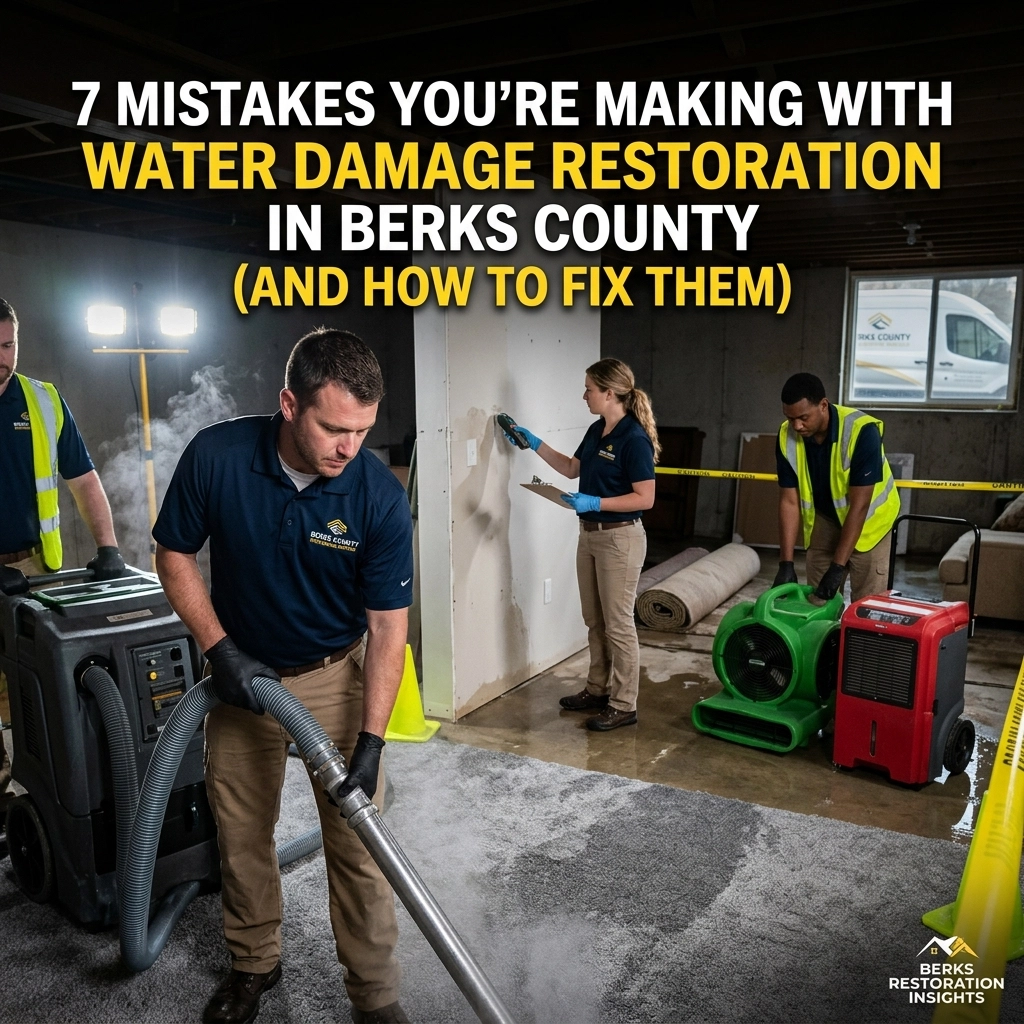
Contact us for quick, trusted restoration.
See how we’ve turned tough situations into success stories.

