
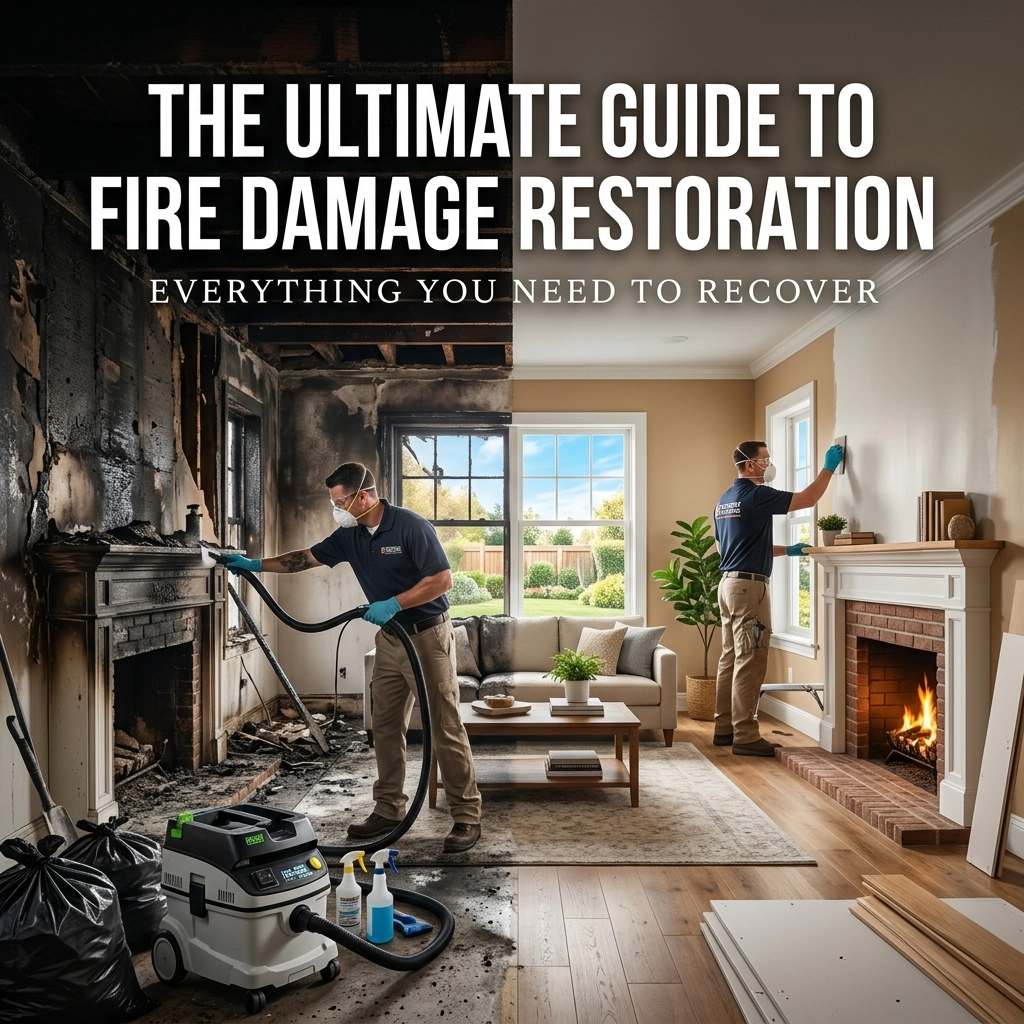
If you are reading this, chances are you’ve just been through one of the most stressful experiences a homeowner can face. Dealing with a house fire is overwhelming, scary, and leaves you with a million questions. Once the fire trucks leave and the smoke clears, the reality of the damage sets in. It isn't just about the charred walls; it’s about the water left behind by the hoses, the thick layer of soot on your furniture, and that heavy smoke smell that seems to stick to everything.
At My Water Damage Hero, we’ve helped countless families navigate the road to recovery. We know that right now, your home doesn't feel like home. But it can be again. This guide is designed to walk you through the entire fire damage restoration process so you know exactly what to expect and how to get your life back to normal.
Before we dive into the steps, it is important to understand that fire damage is a "triple threat." You aren't just dealing with fire; you are dealing with:

The very first thing that happens is a safety inspection. Even if the fire was small, the structural integrity of your home could be compromised. Support beams might be charred, or the roof might be unstable.
A professional restoration team will come in to assess:
This assessment isn't just for safety; it’s for your insurance company. We document everything to make sure your claim covers the full extent of the damage.
After a fire, your home is often vulnerable. Windows might be blown out, or the roof might have holes from the fire or the firefighters' ventilation efforts.
To prevent further damage from rain, wind, or even theft, we perform "board-up and tarping" services. We’ll secure broken windows, board up doors, and place heavy-duty tarps over the roof. This keeps the elements out while we work on the inside. Think of it as a protective shell for your home while it's in a fragile state.
It sounds strange to talk about water damage when we’re discussing a fire, but it’s often the biggest secondary problem. Firefighters use high-pressure hoses that can leave inches: or even feet: of standing water in your basement or living areas.
If this water isn't removed immediately, you’ll have a whole new set of problems, like warped floorboards and rot. Most importantly, damp conditions are a breeding ground for fungi. Without quick water damage restoration, you will likely need professional mold remediation very soon.
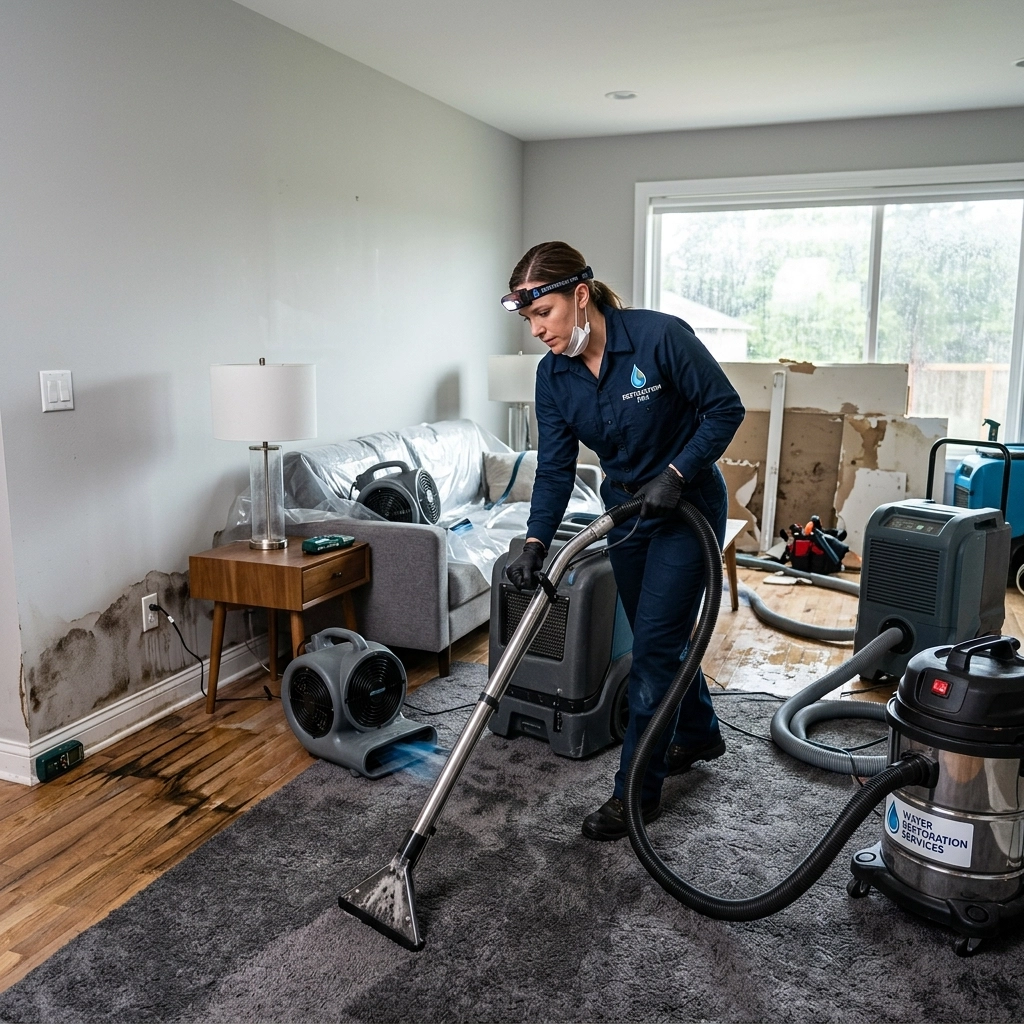
We use industrial-grade extractors and high-speed air movers to get the water out and dry the structure completely.
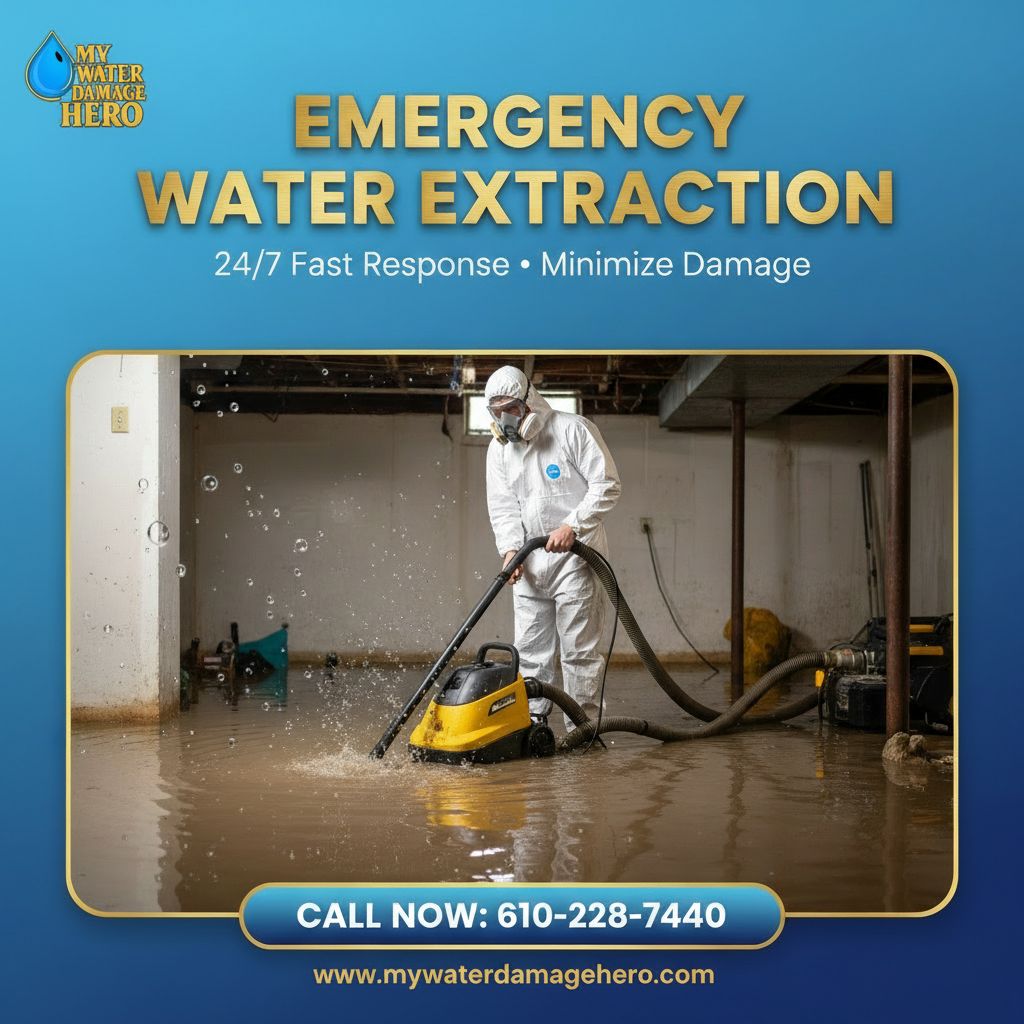
Once the site is dry and secure, it’s time for the "dirty work." This involves removing everything that cannot be saved. We systematically go through the house to remove:
This step is vital because charred wood and soot-covered materials are the primary source of that lingering "fire smell." By removing the debris, we’re removing the source of the odor. We take great care to sort through your belongings, helping you identify what might be restorable through specialized carpet cleaning or upholstery restoration.
This is often the most labor-intensive part of the fire damage restoration process. Soot is a fine, oily powder that gets into every crack and crevice. It’s also acidic, meaning it can permanently damage metal, glass, and wood if it sits too long.
Our teams use specialized cleaning agents to wipe down every surface: walls, ceilings, cabinets, and floors. But the cleaning doesn't stop with what you can see.
One of the most overlooked parts of fire recovery is the HVAC system. When a fire occurs, the smoke is pulled into the air ducts. If you turn on your heater or AC without professional air duct cleaning, you are simply blowing soot and smoke particles back into your clean rooms. We use powerful vacuums and brushes to ensure your air is safe to breathe.

Typical household sprays won't fix fire odor. We use advanced technology like ozone generators or hydroxyl generators. These machines break down the smoke molecules at a chemical level, actually neutralizing the smell rather than just covering it up.
The final phase is the most exciting: it’s where your house becomes a home again. This is the "build-back" phase. Depending on the damage, this might include:
Our goal is to make it look like the fire never happened. We want you to walk back into a space that feels fresh, clean, and safe.
It is tempting to grab a bucket and start scrubbing, but fire damage restoration is complex. Here is why hiring a pro matters:
Recovering from a fire is a journey, but you don't have to walk it alone. At My Water Damage Hero, we pride ourselves on being more than just a cleaning crew. We are your partners in getting your life back on track. We handle the soot, the water, and the construction so you can focus on your family.
If you’ve experienced a fire, don’t wait. The longer soot and water sit, the more damage they do. Reach out to a professional team immediately to secure your property and start the restoration process. Your "happily ever after" in your home is still possible: we’re here to help you build it back.
Whether you need immediate fire damage restoration, help with a flooded basement, or just a routine air duct cleaning to improve your home's air quality, My Water Damage Hero is ready to step in. We’re simple, we’re fast, and we’re here for you.
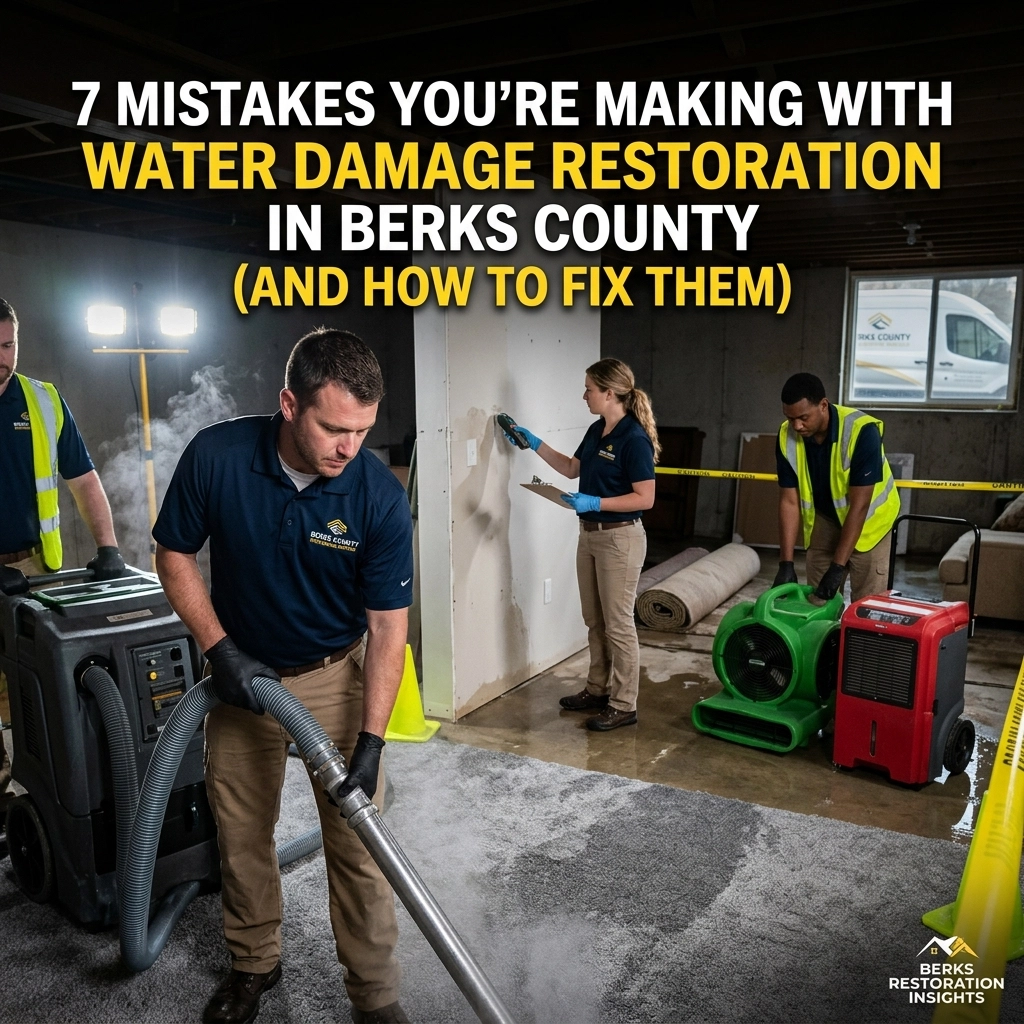
Contact us for quick, trusted restoration.
See how we’ve turned tough situations into success stories.

