
Hey there! I’m Tonya George, the Social Media Manager here at My Water Damage Hero. If you’ve clicked on this guide, chances are you’ve spotted a fuzzy patch on your drywall or you’re dealing with a weird, musty smell that just won't go away. First off, take a deep breath. Dealing with mold can feel overwhelming, but it’s something we handle every single day.
Mold isn’t just an eyesore; it’s a living organism that can affect your home’s structure and your family’s health. Whether you’re dealing with the aftermath of a leaky pipe or just moved into a humid basement, knowing the ins and outs of mold remediation is your best defense. In this guide, I’m going to break down everything you need to know in plain, simple English.
A lot of people use the terms "mold removal" and "mold remediation" interchangeably, but they’re actually a bit different. Because mold spores are naturally occurring everywhere (both indoors and outdoors), it’s technically impossible to remove 100% of mold from a home.
Mold remediation is the process of getting the mold levels in your home back to a "normal," healthy state. It involves identifying the source of moisture, containing the area so spores don’t spread, and cleaning or removing the materials that have been affected.

Mold is a bit of a homebody, it loves a warm, damp environment with plenty of food. In your house, "food" can be anything from drywall and wood to the dust sitting on your baseboards.
The biggest culprit is usually some form of water trouble. This is why water damage restoration is so closely tied to mold work. If you have a burst pipe, a roof leak, or even a slow drip under the sink, mold can start growing in as little as 24 to 48 hours. If you’ve recently dealt with a fire, the water used to put out the flames can also trigger growth, making fire damage restoration a two-part job of fixing char and preventing mold.
Sometimes mold is obvious, like a black patch in the corner of the shower. But often, it hides behind walls, under floorboards, or inside your vents. Here are the signs you should look out for:

When you call My Water Damage Hero, we don't just show up with a spray bottle and a rag. We follow a very specific, scientific process to make sure the mold is handled safely.
We start by finding the mold and, more importantly, finding the water source. There’s no point in cleaning mold if the leak is still active, it’ll just come back next week. We use tools like moisture meters and thermal imaging to see what’s happening inside your walls.
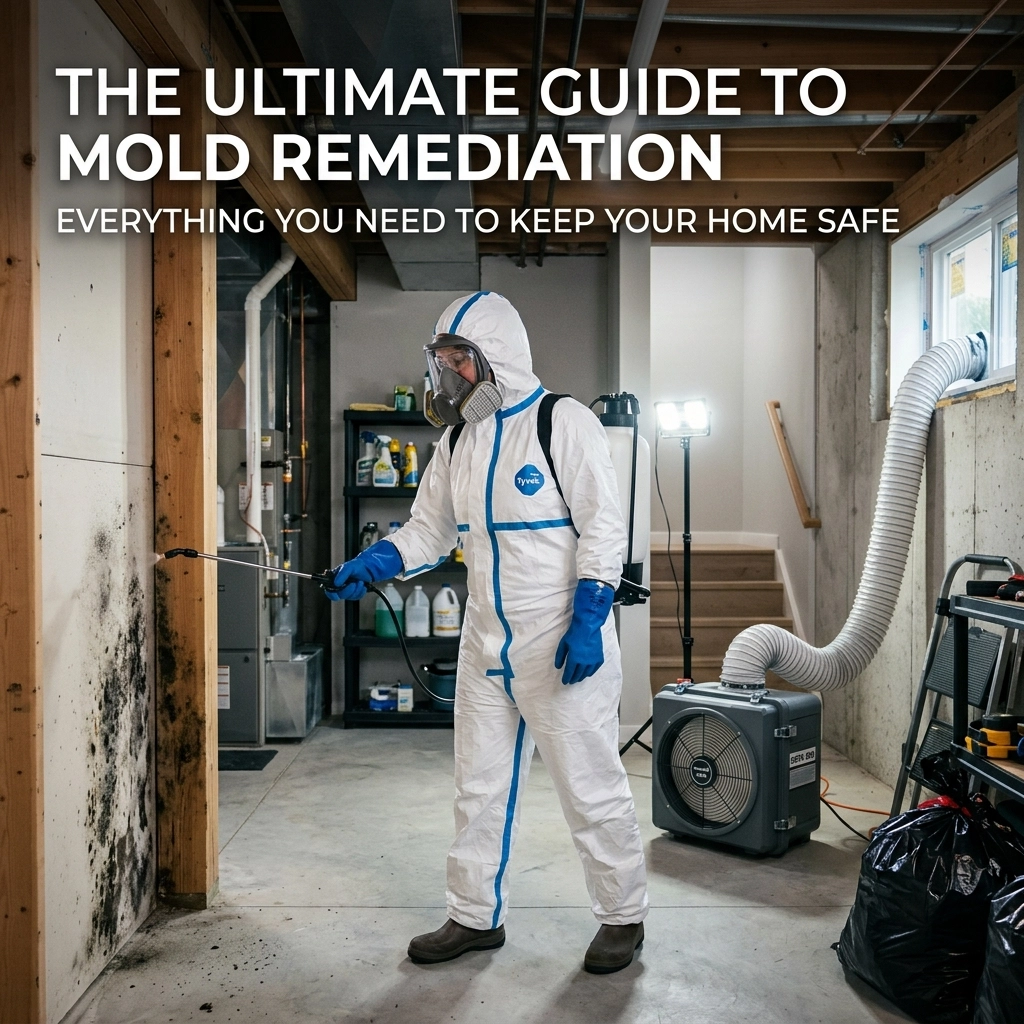
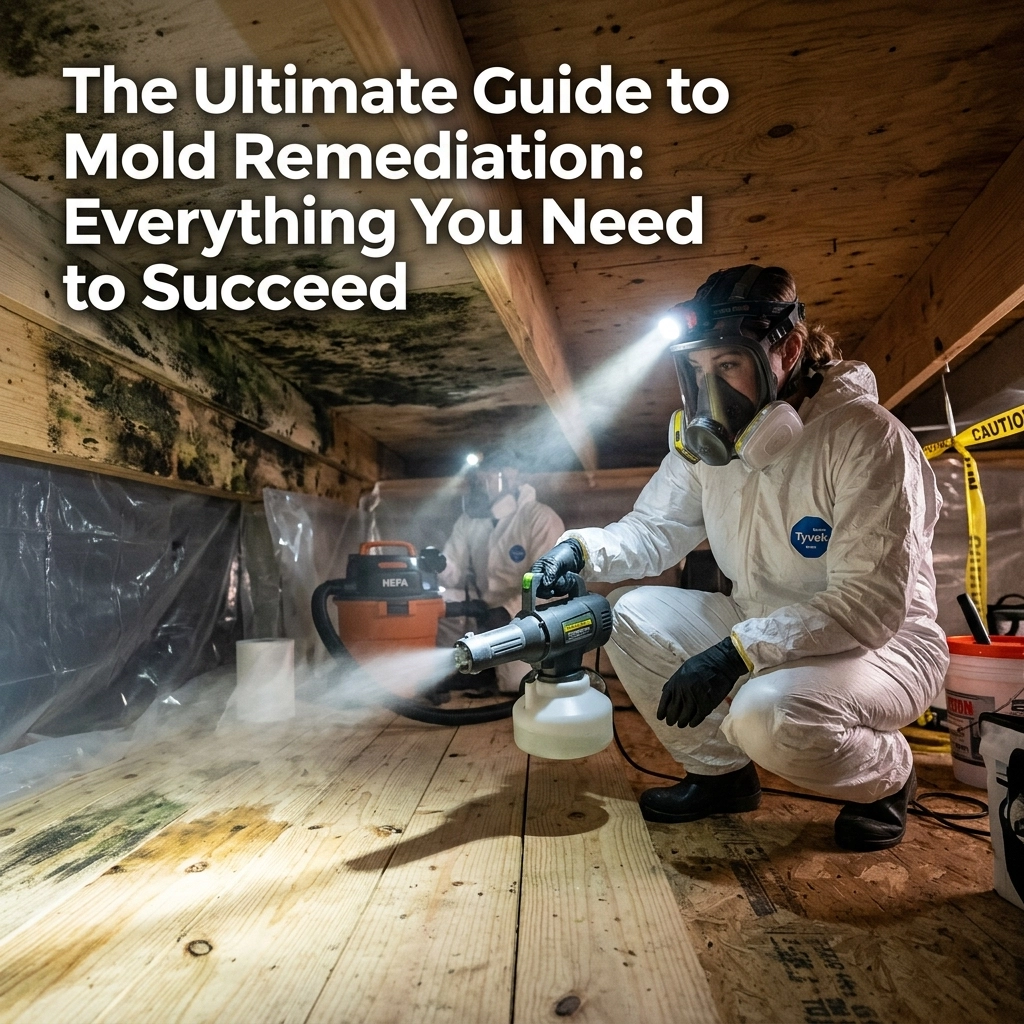
This is the most important step for your safety. Before we touch the mold, we seal off the area using heavy-duty plastic sheeting. We use "negative air pressure" machines that act like a vacuum, pulling air through a HEPA filter and venting it outside. This ensures that when we disturb the mold, the spores don't go flying into your kitchen or bedrooms.
While we work, we run industrial air scrubbers. These machines clean the air constantly, capturing those microscopic spores that you can't see but definitely don't want to breathe in.
Some things can be cleaned, but others have to go. Materials like drywall, insulation, and old carpet cleaning won't always save a rug if it’s been soaked and moldy for too long. These porous materials are bagged in the containment zone and safely removed from your home.
For the hard surfaces that stay, like wood framing or concrete, we use specialized antimicrobial cleaners. We don't just "kill" the mold; we remove it. Dead mold spores can still cause allergic reactions, so thorough cleaning is a must.
Once everything is clean, we have to get the area bone-dry. We use industrial-strength dehumidifiers and high-speed air movers. We don’t pack up until our moisture meters show that your home is back to safe levels.

I get asked this all the time: "Tonya, can't I just spray some bleach on it?"
The short answer is: Please don't.
Bleach is great for cleaning your countertop, but it’s not a fix for mold on porous surfaces like wood or drywall. In fact, bleach is mostly water. When you spray it on drywall, the chlorine stays on the surface while the water soaks in, potentially feeding the mold roots deeper into the wall. It might look white for a day or two, but it’ll be back with a vengeance.
Plus, scrubbing mold without containment just sends millions of spores into the air, which you’ll then breathe in. It's always safer to let the experts with the right gear handle the heavy lifting.
A huge part of keeping your home safe is looking at your HVAC system. Mold loves to hide in dusty ductwork where there's just enough condensation to let it thrive. If you have mold in one room and you turn on your AC, you could be blowing those spores all over the house.
This is why air duct cleaning is often a recommended partner to mold remediation. It ensures that the "lungs" of your home are clean and aren't circulating contaminants.

We love helping our neighbors, but we’d much rather you have a mold-free home! Here are a few simple tips to keep things dry:
We know you have choices when it comes to your home. At My Water Damage Hero, we treat your house like it’s our own. We keep things simple, we show up on time, and we don't use confusing jargon. Whether it's a small patch of mold or a major water damage restoration project, we have the tools and the heart to get your life back to normal.
We offer 24/7 emergency response because mold and water don't wait for business hours. We’re also pros at working with insurance companies to make the paperwork side of things as painless as possible for you.

Your home should be your sanctuary: the place where you feel safest. Mold can take that feeling away, but it doesn't have to stay that way. By understanding the process of remediation and taking quick action when you spot a problem, you can keep your family healthy and your property protected.
If you’re worried about mold in your home, don't wait. Give us a call at My Water Damage Hero. We'll come out, take a look, and give you a straight-talk plan to fix it. Stay dry out there!
Contact us for quick, trusted restoration.
See how we’ve turned tough situations into success stories.

