
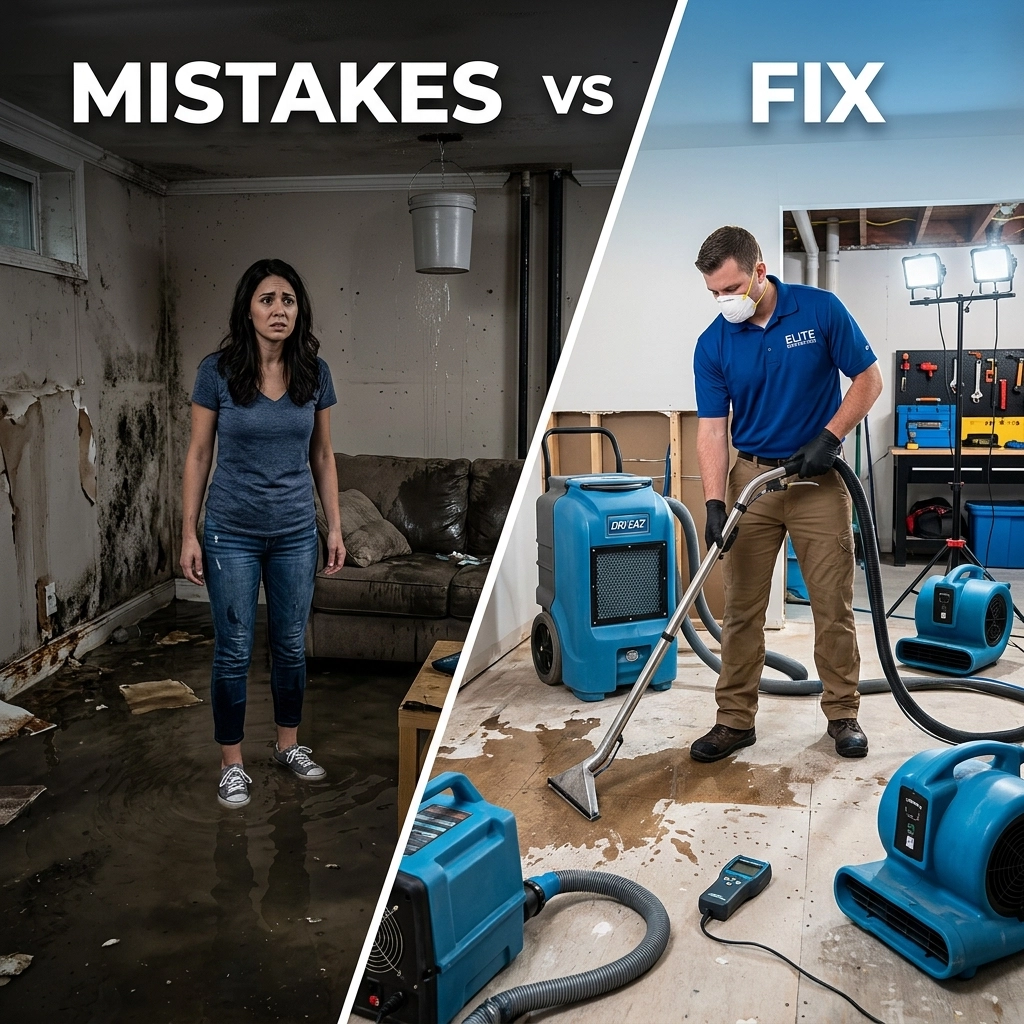
So, you’ve walked into your basement and found a literal lake. Or maybe you noticed a dark, damp spot on the ceiling that definitely wasn’t there yesterday. Your heart sinks. Water damage is one of those things every homeowner dreads, but almost everyone deals with at some point.
When disaster strikes, your first instinct is probably to grab every towel in the house and start mopping. While that’s a great start, water damage restoration is a lot more complicated than just soaking up a spill. In fact, many well-meaning homeowners accidentally make things worse by trying to handle it all themselves or waiting too long to act.
At My Water Damage Hero, we see these mistakes every single day. The good news? They are all totally avoidable. Here are the seven biggest mistakes people make during water damage restoration and, more importantly, how you can fix them before they turn into a full-blown catastrophe.
We get it. Life is busy. You see a small leak under the sink or a damp patch on the carpet and think, "I’ll deal with that this weekend." This is easily the #1 mistake homeowners make.
Water doesn't just sit there; it travels. Within minutes, it soaks into your floorboards, drywall, and insulation. Within 24 to 48 hours, the clock runs out, and mold remediation becomes your next big problem. The longer you wait, the more the water wicks up your walls and the higher your repair bill climbs.
As soon as you spot water where it shouldn’t be, act immediately. Don't wait for the morning or for the rain to stop. Turn off the main water valve if it’s a pipe burst, and call in the pros for an assessment. Even if you think you’ve dried it up, a professional moisture reading can tell you if the structure of your home is actually safe.

This is a classic "out of sight, out of mind" trap. You might run a shop vac over the carpet and think you're good to go because the surface feels dry to the touch. But what about the padding underneath? What about the subfloor? Or the wooden studs behind the drywall?
Water loves to hide in the dark, cramped spaces of your home. If moisture stays trapped in these areas, it will eventually cause wood rot and structural damage. It’s also the perfect environment for mold to thrive, which can eventually lead to the need for professional air duct cleaning if spores get into your HVAC system.
You need specialized tools to find hidden water. Professionals use infrared cameras and moisture meters to "see" through walls and under floors. If you’re doing it yourself, don’t just check the surface. Use a moisture meter (you can find basic ones at hardware stores) to check the levels in your drywall and baseboards. If the numbers are high, you still have work to do.
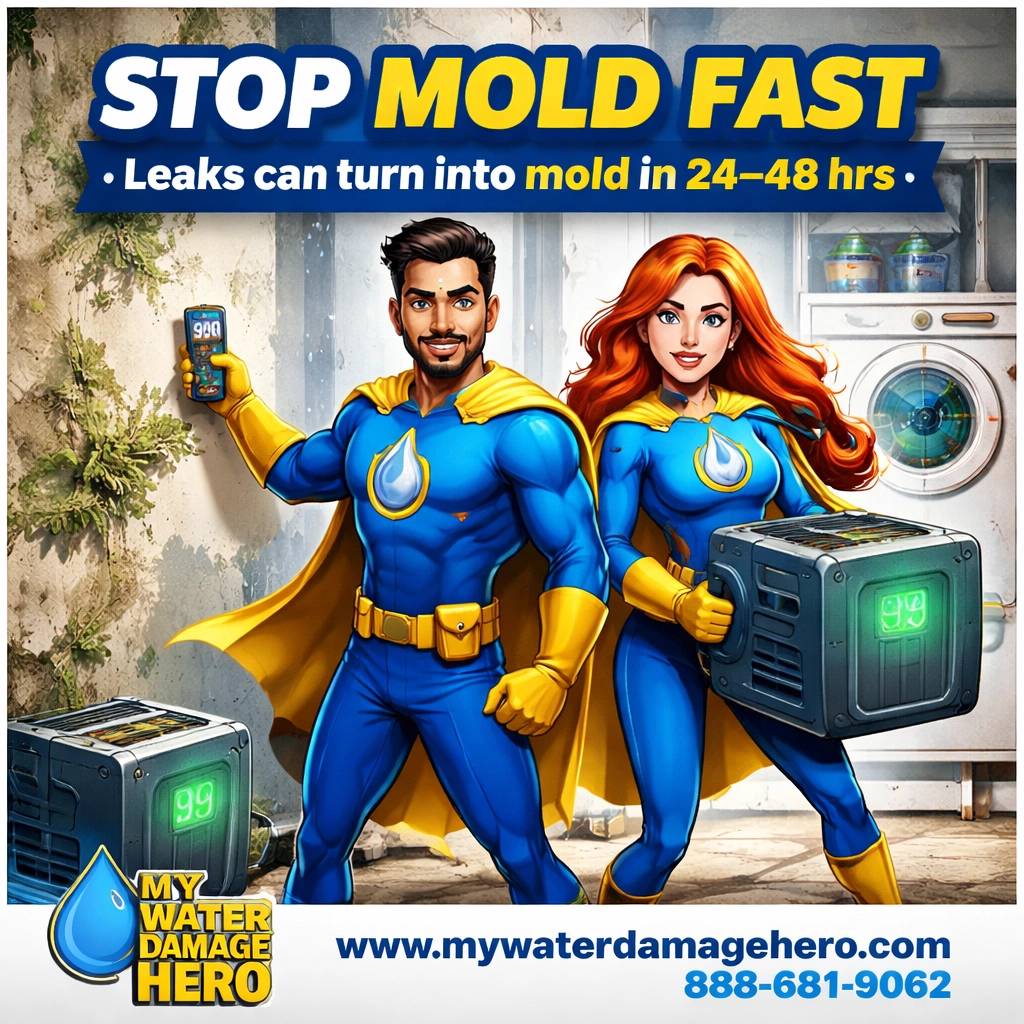
We’ve seen people try to dry out a flooded living room using their household hair dryer or a single oscillating fan they usually keep in the bedroom. While we admire the effort, it’s like trying to drain the ocean with a teaspoon.
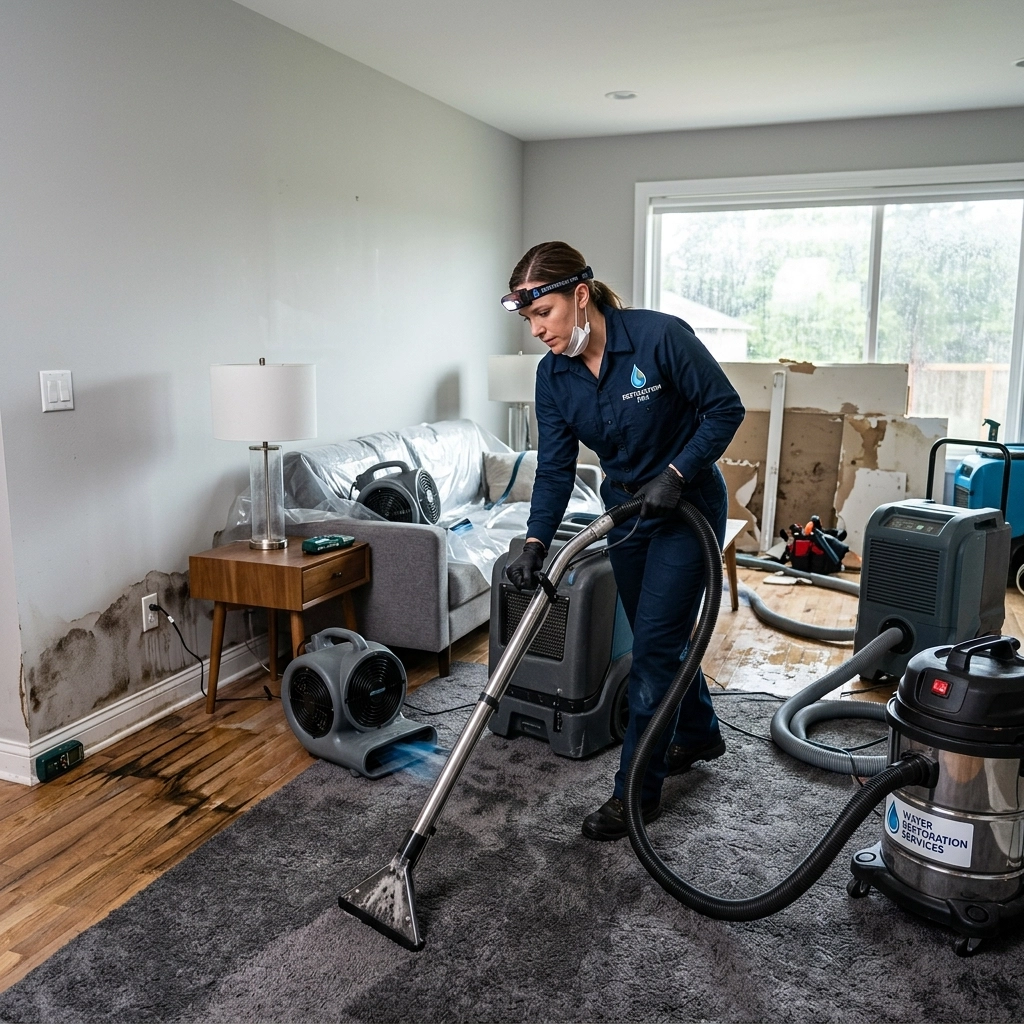
Household fans move air around, but they don’t actually remove moisture from the environment. To properly dry a home, you need a balance of high-velocity air movement and industrial-strength dehumidification. Without a dehumidifier pulling the moisture out of the air, the water you’re "blowing" off the floor just settles back onto the walls and ceiling.
Rent or hire professionals who use industrial-grade air movers and LGR (Low Grain Refrigerant) dehumidifiers. These machines are designed to pull gallons of water out of the air every single day. If you’re also dealing with damp rugs, professional carpet cleaning and drying are essential to prevent that "wet dog" smell from becoming permanent.
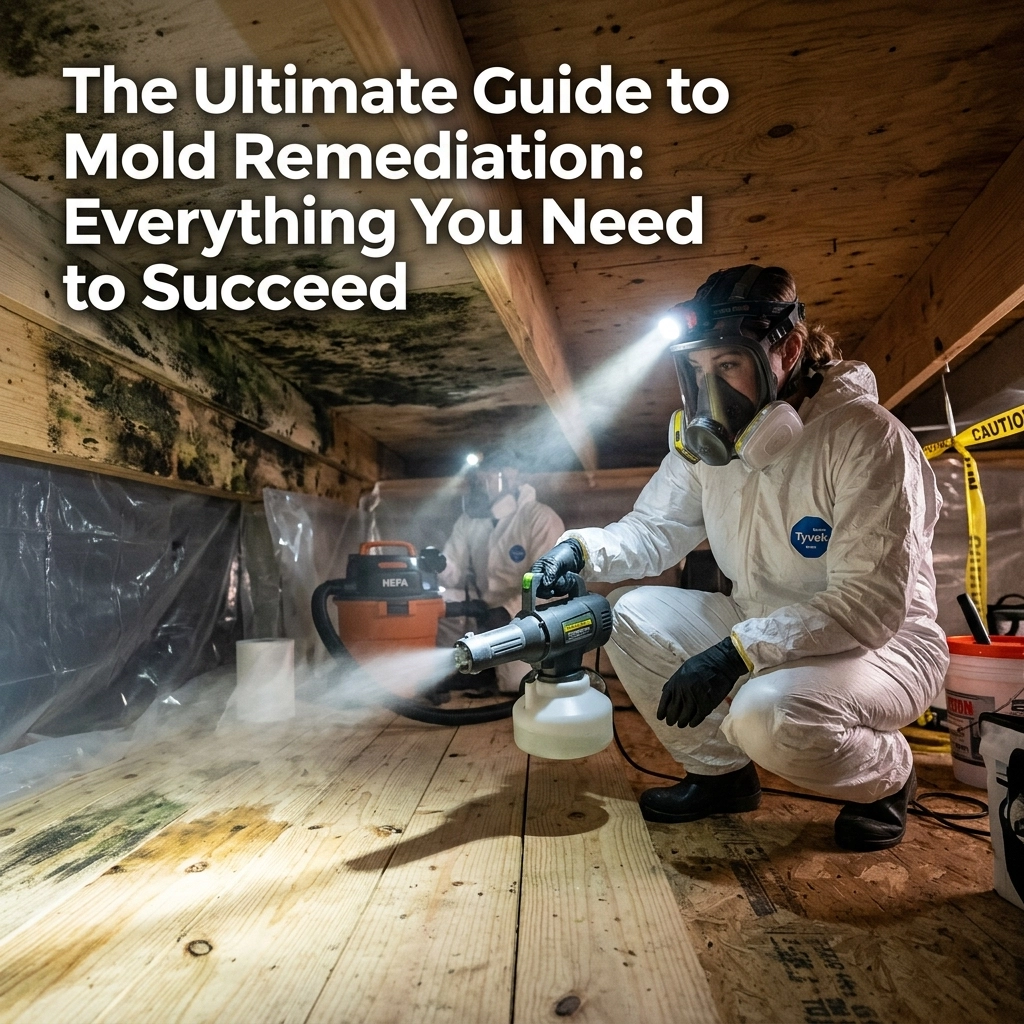
"It’s just a little bit of mildew, I’ll just spray some bleach on it." We hear this all the time, and it makes us cringe! First, bleach doesn't actually kill mold on porous surfaces like drywall; it just bleaches the color, leaving the "roots" alive. Second, mold is a serious health hazard.
If you have water damage, you have to assume mold is coming. It can cause respiratory issues, allergies, and can even be dangerous for your pets. Underestimating how fast mold grows is a recipe for a very expensive mold remediation project down the line.
If you see mold, don't touch it or try to scrub it away: this just releases the spores into the air. Keep the area sealed off and call a specialist. If you’ve had water damage, make sure the restoration team performs a thorough mold inspection once everything is dry. It’s much cheaper to prevent mold now than to remove it later.
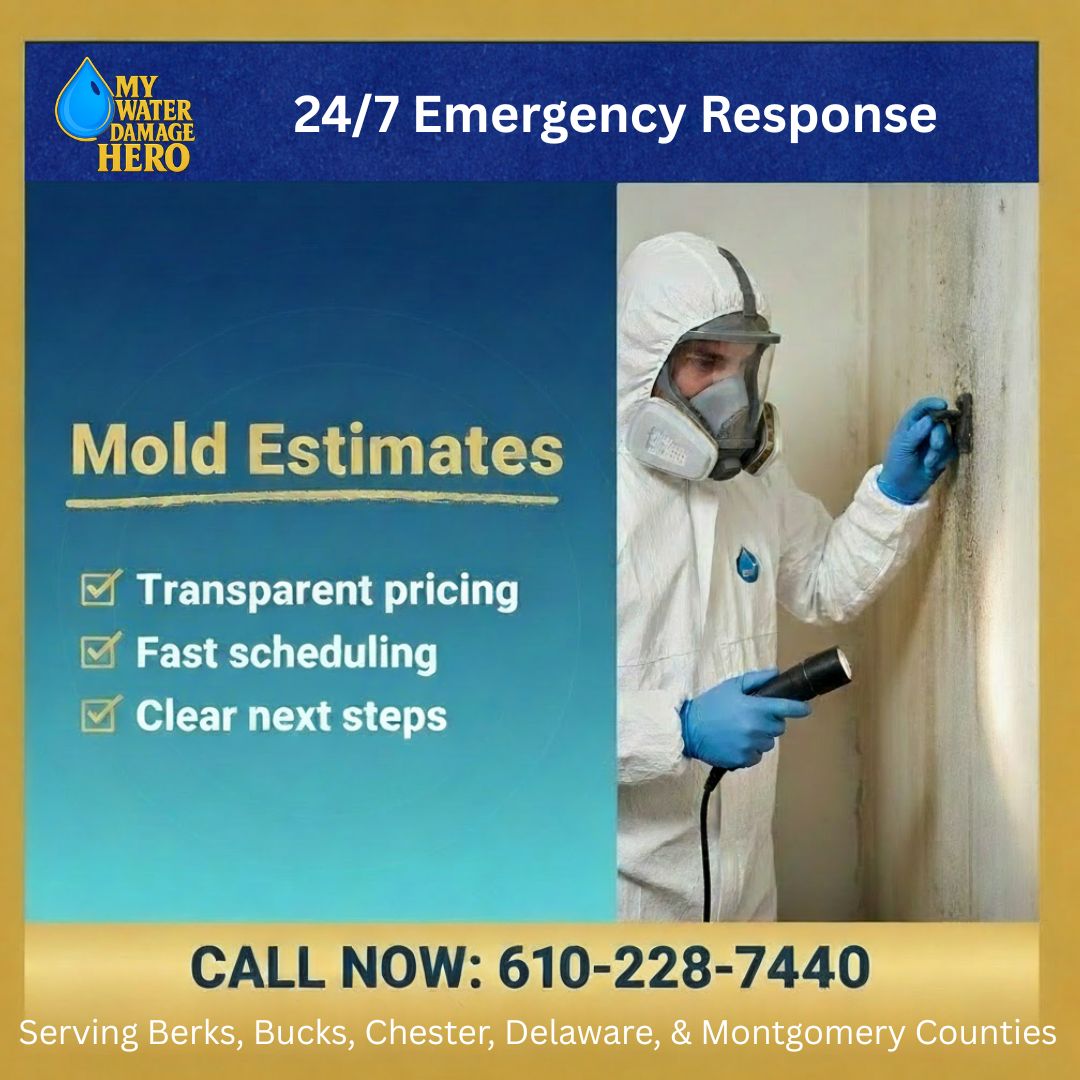
When your home is flooded, your first thought is saving your stuff. But your safety should always come first. There are three main risks during water damage restoration:
Before you step foot in a flooded room, turn off the power at the breaker box (if it’s safe to reach). If you’re dealing with anything other than a clean water leak (like a sink overflow), wear protective gear: gloves, boots, and a mask. If the water is murky or smells, stay out and let the experts handle it. They have the gear to deal with hazardous waste safely.
You’re in a rush to clean up, so you throw away the soaked rug, the ruined cardboard boxes, and the damaged drywall. Then you call your insurance company, and they ask for proof. Without photos or a list of lost items, getting your claim approved becomes a massive headache.
This mistake can cost you thousands of dollars in out-of-pocket expenses that should have been covered.
Before you move a single item or start the water damage restoration process, take photos and videos of everything. Capture the source of the leak, the standing water, and every single damaged item. Keep a log of what happened and when. This documentation is your best friend when it comes time to talk to your insurance adjuster.
We love a good DIY project as much as the next person, but water damage restoration is usually not the place to save a buck. Professionals don't just "dry things out." They sanitize the area, check for structural issues, and ensure that your home is safe to live in again.
Sometimes, water damage is a side effect of a bigger disaster. If you've had a fire, for example, the water used to put it out can cause as much damage as the flames. In those cases, you need a team that understands fire damage restoration as well as water mitigation.
Know your limits. If the water damage covers more than a small area (usually more than 10 square feet) or involves "gray" or "black" water, call the pros. My Water Damage Hero has the experience and the equipment to make sure the job is done right the first time. We can even help with the "invisible" parts of the cleanup, like air duct cleaning to ensure your indoor air quality is back to normal.

Water damage is stressful, but it doesn't have to be a disaster that ruins your home. By avoiding these seven common mistakes: acting fast, checking for hidden moisture, using the right gear, and prioritizing safety: you can get your life back to normal much sooner.
Remember, you don’t have to do this alone. Whether you need help with a soggy basement, mold remediation, or restoring your home after a fire, My Water Damage Hero is here to help you save the day.
Don't let a small leak turn into a big problem. Take a deep breath, grab your phone, and give the professionals a call. Your home (and your wallet) will thank you!
Contact us for quick, trusted restoration.
See how we’ve turned tough situations into success stories.

