
Hey there! I’m Tonya George, the Social Media Manager here at My Water Damage Hero. If you’re reading this, you might be staring at a soggy carpet or a dripping ceiling right now. First off: take a deep breath. We’ve seen it all, from minor sink overflows to full-blown basement floods.
Water damage is one of the most stressful things a homeowner can deal with. It’s messy, it’s expensive, and it feels like the clock is constantly ticking. In the rush to "just get it dry," many people make simple mistakes that actually end up costing them thousands more in the long run.
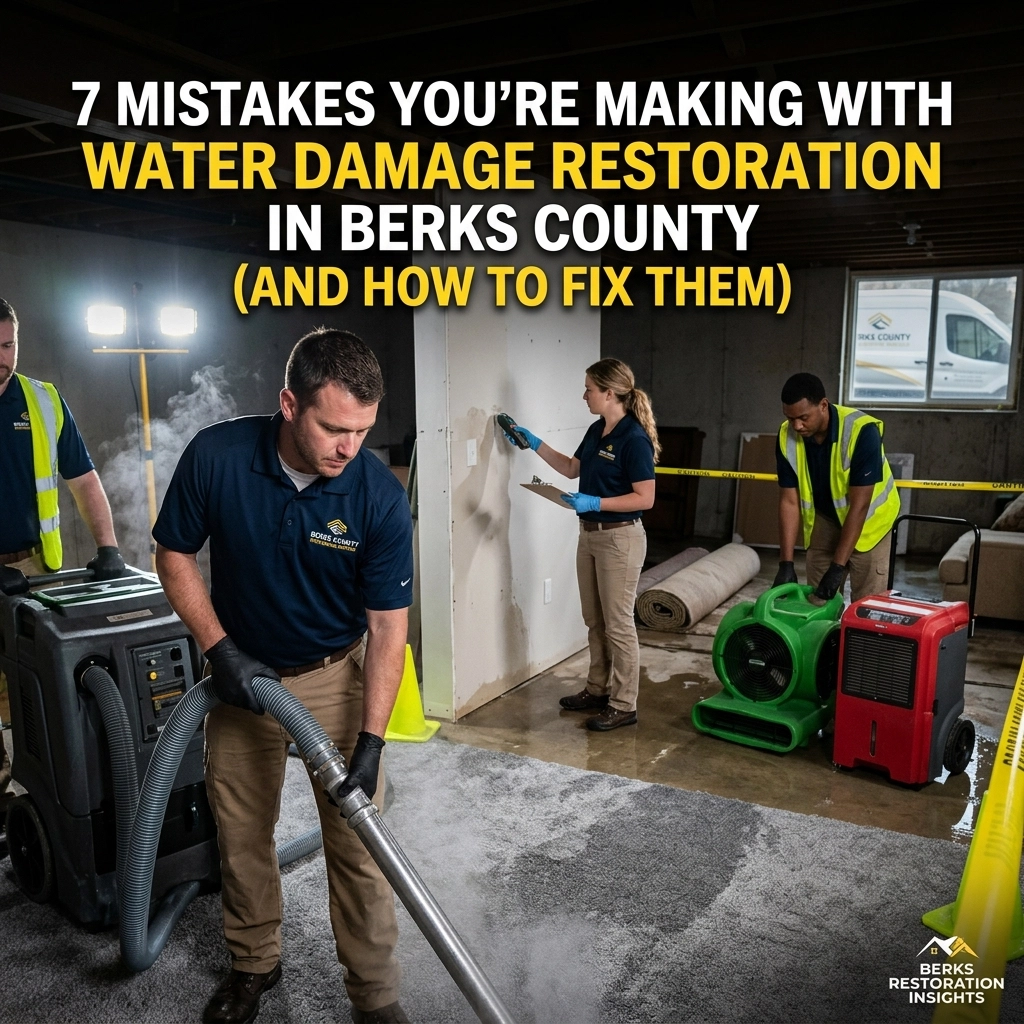
Today, I’m going to walk you through the 7 most common mistakes we see people make during water damage restoration and, more importantly, how you can fix them (or avoid them entirely). Let’s dive in!
This is the number one mistake, hands down. When water hits your floors or walls, the clock starts. Many homeowners wait a day or two to see if things "air out" on their own, or they wait until they’ve spent hours on the phone with an insurance adjuster.
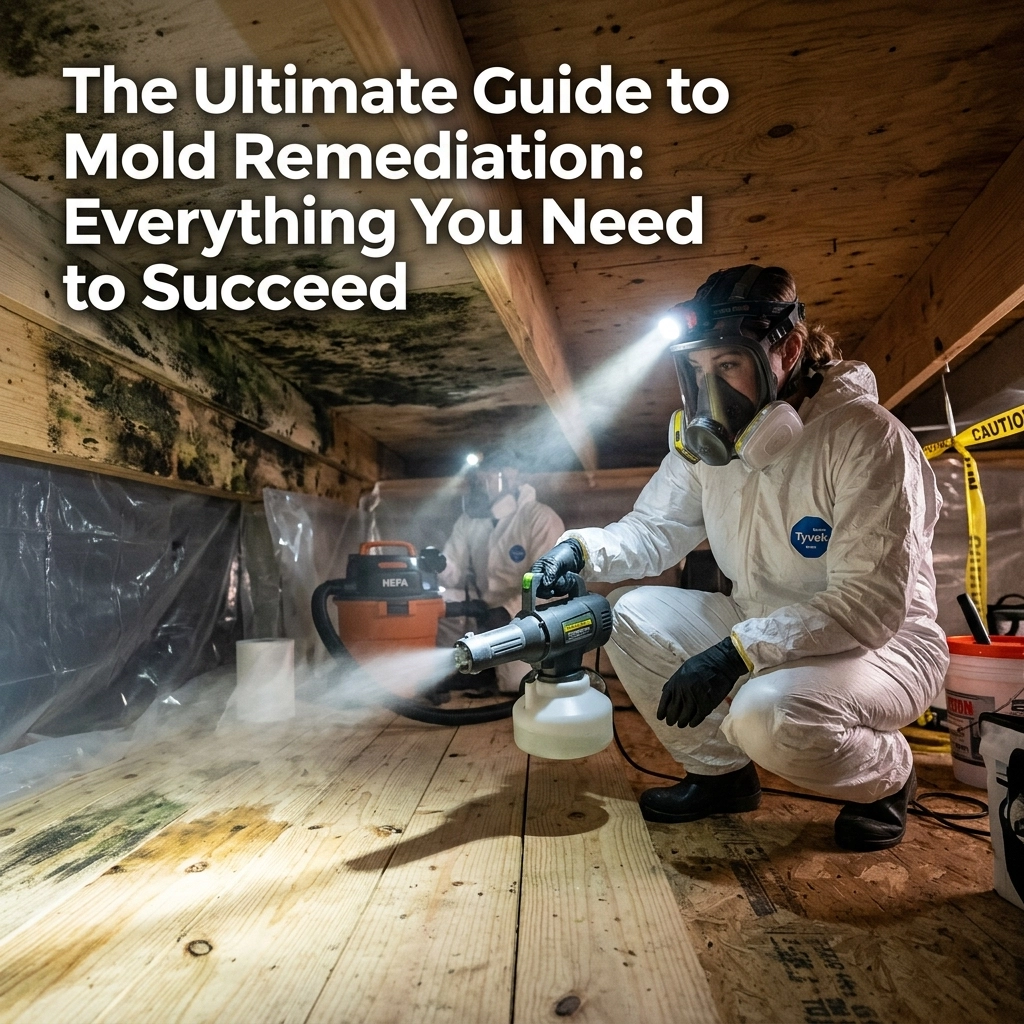
The Problem: Mold doesn't care about your schedule. It can start colonizing in as little as 24 to 48 hours. Beyond mold, water continues to soak deeper into your structural beams, subfloors, and drywall every minute it sits there. What could have been a simple drying job on Monday becomes a full-blown mold remediation project by Wednesday.
How to Fix It: Don’t wait. If you have standing water or a major leak, call a professional team immediately. At My Water Damage Hero, we offer 24/7 emergency response because we know that every hour counts. Mitigation needs to start the moment the water is stopped.
It’s natural to focus on the big puddle in the middle of the room. You mop it up, the floor looks shiny again, and you think you’re good to go.
The Problem: Water is sneaky. It follows the path of least resistance, which usually means it’s running under your baseboards, soaking into the insulation inside your walls, and hiding under your laminate or hardwood flooring. If you only dry the surface, the moisture trapped inside the walls will eventually rot the wood and cause hidden mold growth.
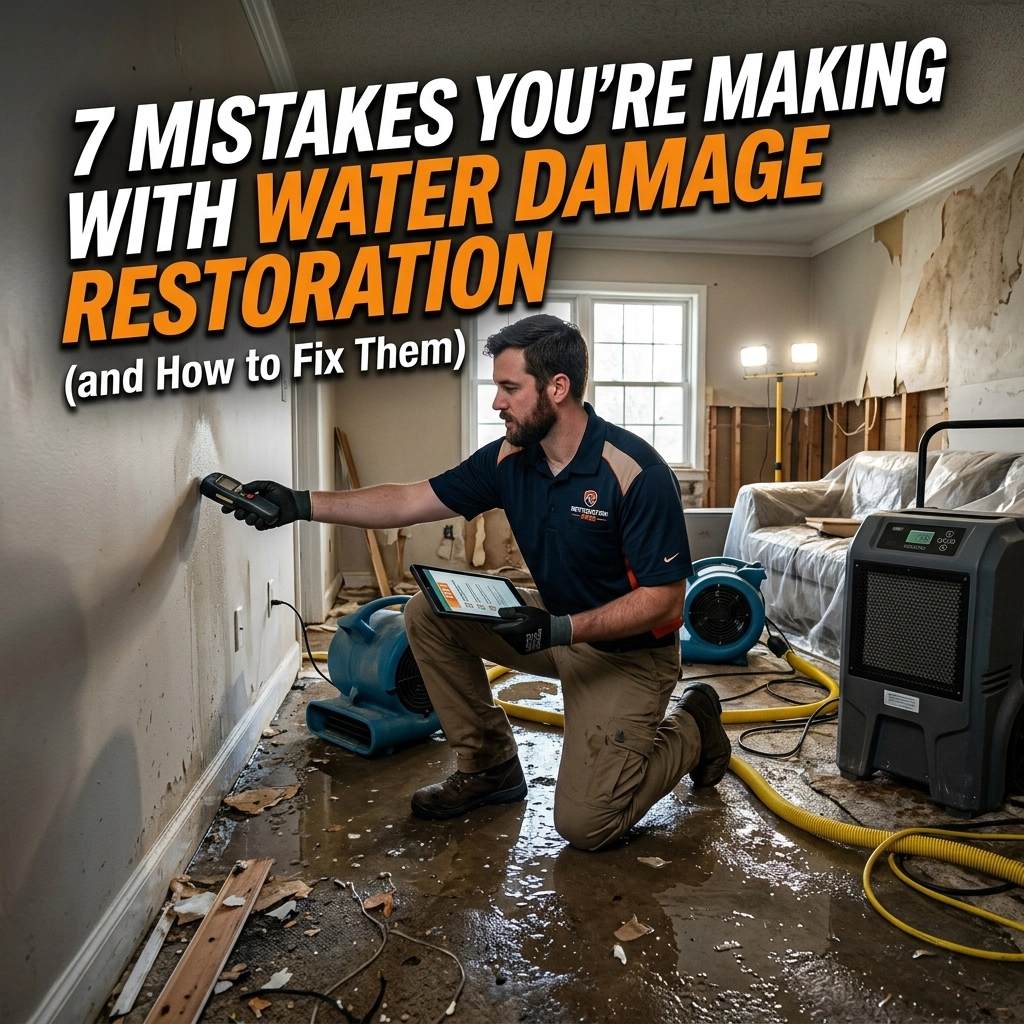
How to Fix It: You need to look "behind the scenes." Professionals use moisture meters and thermal imaging cameras to see exactly where the water traveled. If you’re doing it yourself, at the very least, you should check the crawlspaces and basements directly below the leak to see if water has seeped through the floor.
You’ve had a few house fans running for 24 hours. You touch the carpet, and it feels dry. You turn off the fans and move the furniture back. Mission accomplished, right?
The Problem: Carpet fibers dry much faster than the padding underneath or the subfloor below that. Just because the surface feels dry doesn't mean the structure is. Trapped moisture is a ticking time bomb for structural damage and odors. This is also how you end up needing professional carpet cleaning later just to get rid of that "musty basement" smell that won't go away.
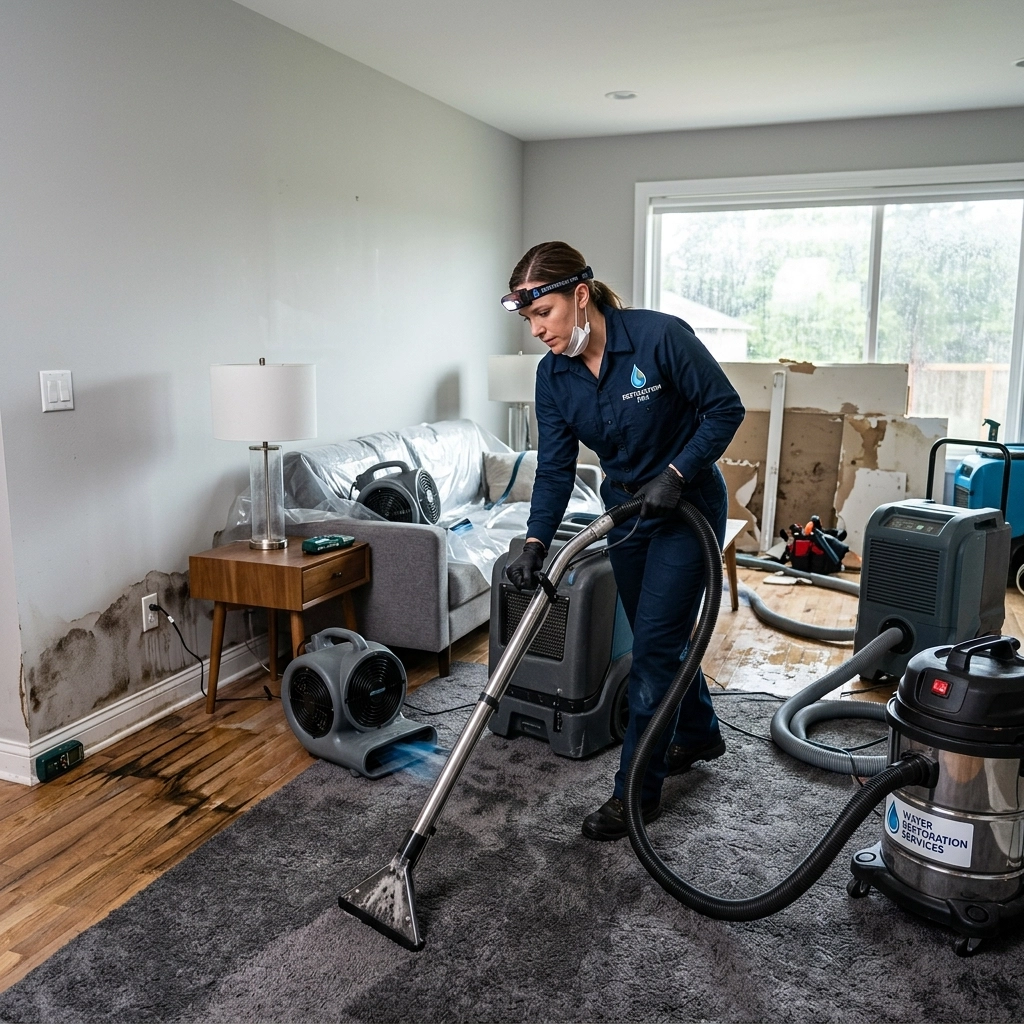
How to Fix It: Use industrial-grade equipment. We use LGR (Low Grain Refrigerant) dehumidifiers that pull gallons of moisture out of the air: moisture that standard home dehumidifiers just can't handle. You should keep drying equipment running until a moisture meter confirms that the internal materials have reached "dry standards."
We’ve seen people try to use their regular household vacuum or a small "shop-vac" to handle a flooded basement.
The Problem: A standard wet/dry vac is okay for a spilled gallon of milk, but it’s not meant for hundreds of gallons of water. It lacks the lift and suction power to truly extract water from deep within carpet fibers or upholstery. Furthermore, using standard household fans won't provide the high-velocity airflow needed to pull moisture out of dense materials like drywall.
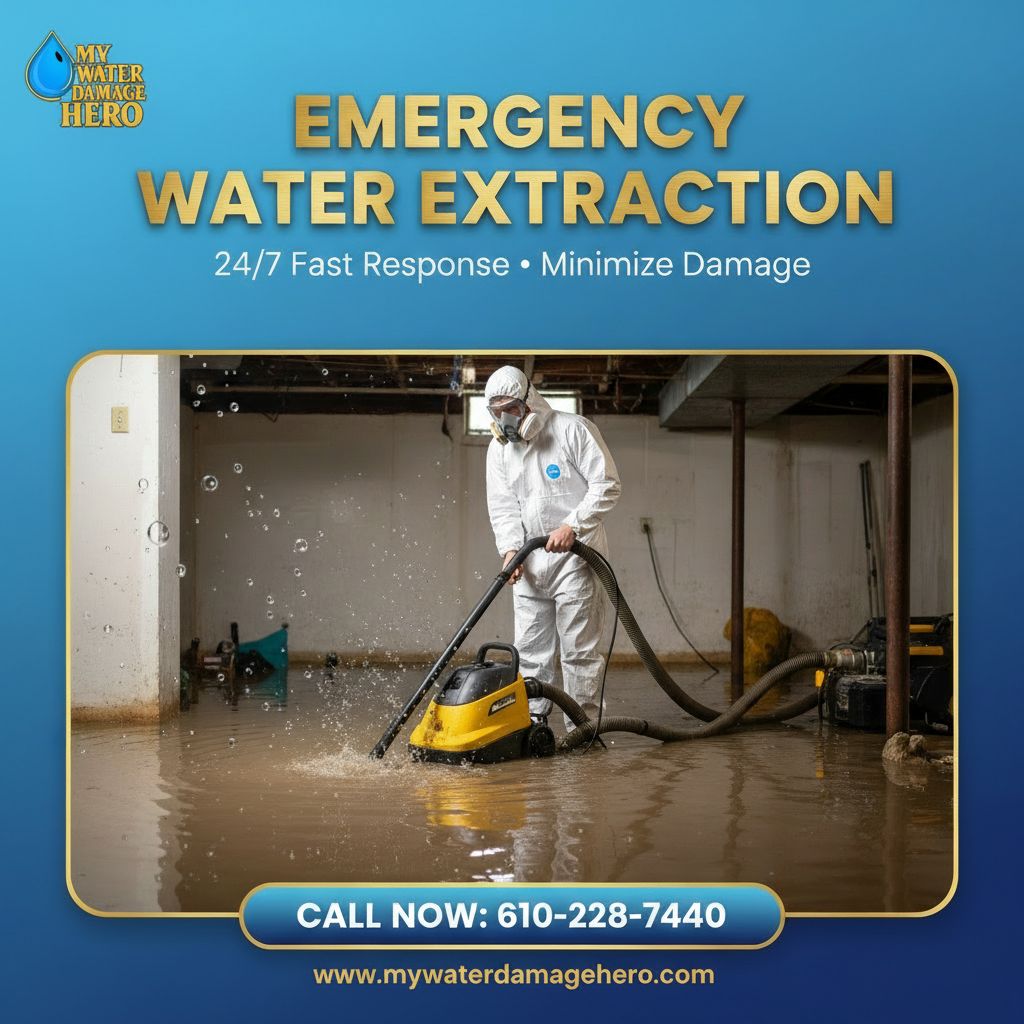
How to Fix It: Hire a team with professional extractors. Professional-grade extraction removes significantly more water than a shop-vac, which means the "evaporation" phase of drying goes much faster.
We love a good DIY project as much as anyone, but water damage restoration is one area where "doing it yourself" can backfire spectacularly.
The Problem: Without the right training, it’s easy to miss things. We’ve been called into homes months after a "DIY fix" because the floorboards are suddenly warping or the family is getting sick from hidden mold. If the water came from a "Category 3" source (like a sewage backup), attempting to clean it yourself without the right biohazard gear is actually dangerous to your health.
How to Fix It: Know when to call in the "heroes." If the damage covers more than a small area (like a single bathroom corner), or if the water is "gray" or "black" (contaminated), call a pro. It’s much cheaper to pay for professional drying now than to pay for a full structural rebuild and mold remediation later.

This might sound obvious, but you’d be surprised how often people start drying things out while the pipe is still technically dripping.
The Problem: If you don't fix the source: the leaky roof, the burst pipe, or the faulty water heater: you’re just throwing money away. The water will return, and you’ll be right back where you started. Sometimes the cause is internal, like an HVAC system backup, which might also mean you need air duct cleaning to ensure your indoor air quality hasn't been compromised by moisture in the vents.
How to Fix It: Identify and stop the water source before you do anything else. If it's a pipe, shut off the main water valve. If it's a roof leak, get a tarp over it. Once the "invasion" is stopped, then: and only then: can the restoration truly begin.
It seems logical: heat evaporates water, so cranking the furnace to 90 degrees should dry the house faster, right?
The Problem: Too much heat can actually be a disaster. High heat combined with high humidity creates a literal "greenhouse" for mold. Mold loves warmth and moisture. Additionally, excessive heat can cause wood floors and furniture to warp or crack because they dry unevenly.
How to Fix It: Focus on airflow and dehumidification, not just heat. Professional restorers use a balance of temperature and controlled airflow to "wick" moisture away without damaging the materials. Think of it like a cool breeze on a laundry line versus putting your clothes in a high-heat oven: one is much safer for the fabric!
While we’re talking about water, don’t forget that many water issues come hand-in-hand with other problems. If you’ve recently dealt with a fire, the water used to put out the flames can cause as much damage as the smoke itself. In those cases, you need a team that understands both fire damage restoration and water mitigation to ensure the smoke odors don't get "locked in" by the moisture.
Water damage is scary, but it doesn't have to be the end of your home's value. By avoiding these seven mistakes, you’re already miles ahead of most homeowners. Remember:
If you're feeling overwhelmed, that's what we're here for. At My Water Damage Hero, we take the stress off your shoulders. From the initial extraction to the final carpet cleaning or air duct cleaning, we make sure your home is safe, dry, and healthy again.
Stay dry out there!
: Tonya George
Social Media Manager, My Water Damage Hero
Contact us for quick, trusted restoration.
See how we’ve turned tough situations into success stories.

