
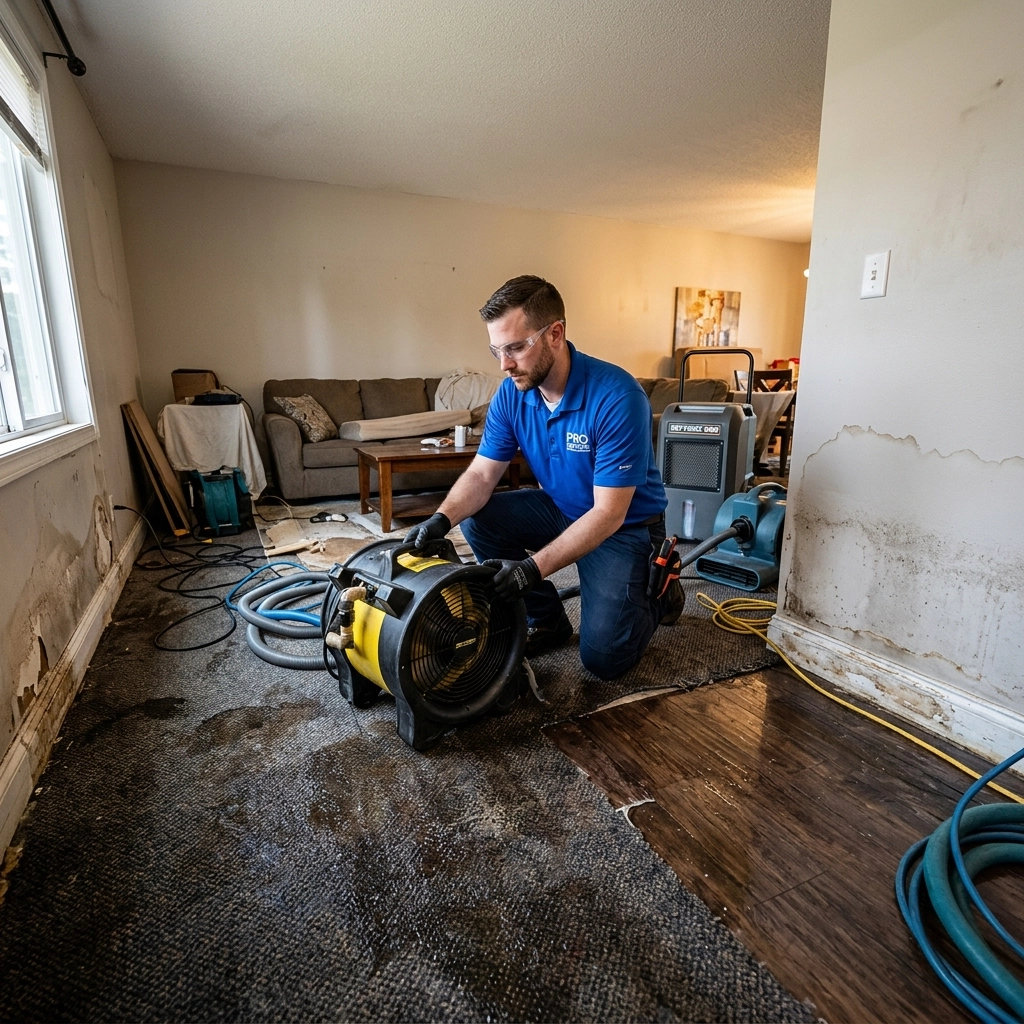
Hey there! If you’re reading this, chances are you’re staring at a puddle that wasn't there this morning, or maybe you’ve discovered a damp patch on your ceiling that’s looking a little too much like a science project. First off, take a deep breath. At My Water Damage Hero, we see this every day. Dealing with water in your home is stressful, and your first instinct is probably to grab every towel in the linen closet and start scrubbing.
But here’s the thing: water is sneaky. It doesn't just sit on the surface; it travels, hides, and invites unwanted guests like mold to move in. Most homeowners, with the best intentions, actually make a few critical errors during the cleanup process that can lead to massive repair bills down the road.
To help you protect your home (and your wallet), we’ve put together the seven most common mistakes people make with water damage restoration and, more importantly, how you can fix them.
The biggest mistake you can make is "sleeping on it." We get it, it’s late, you’re tired, and you think, "I'll deal with that leak in the morning." Or maybe you're waiting for an insurance adjuster to show up before you touch anything.
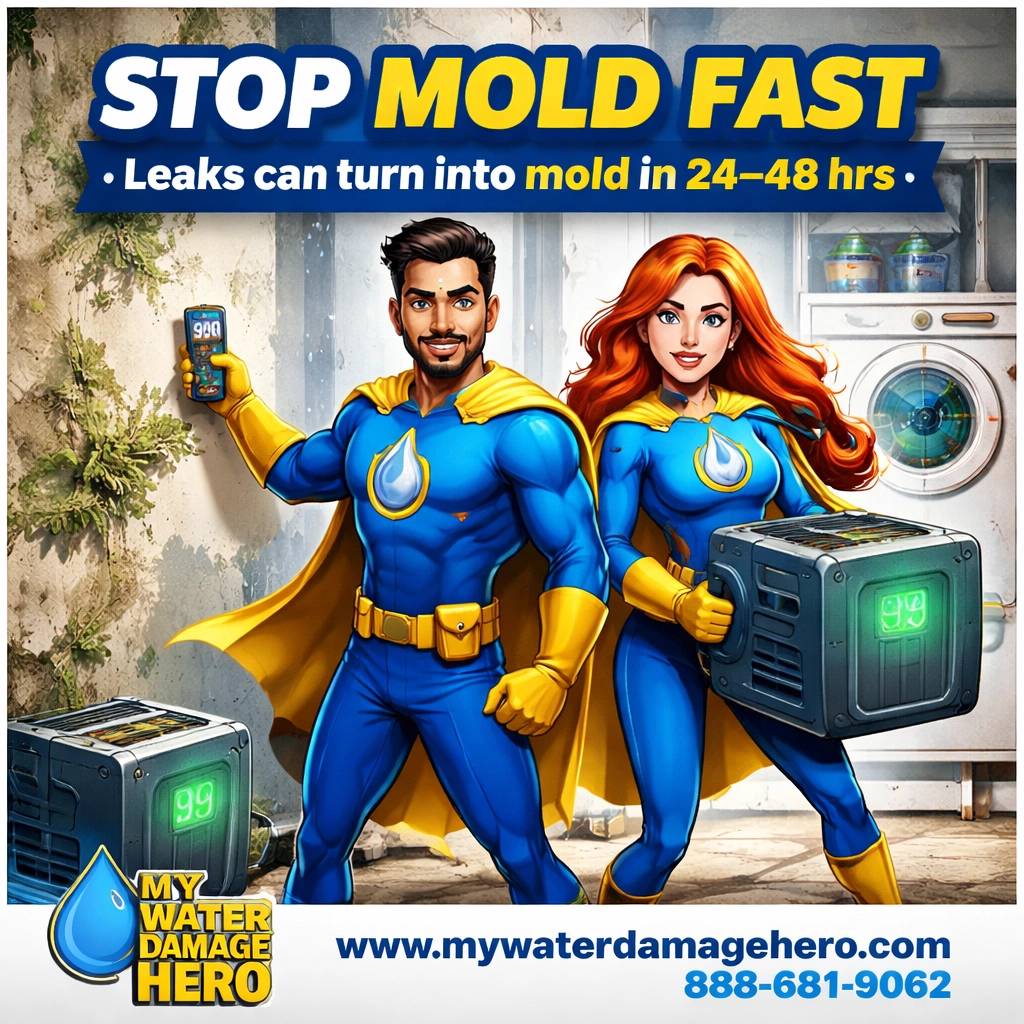
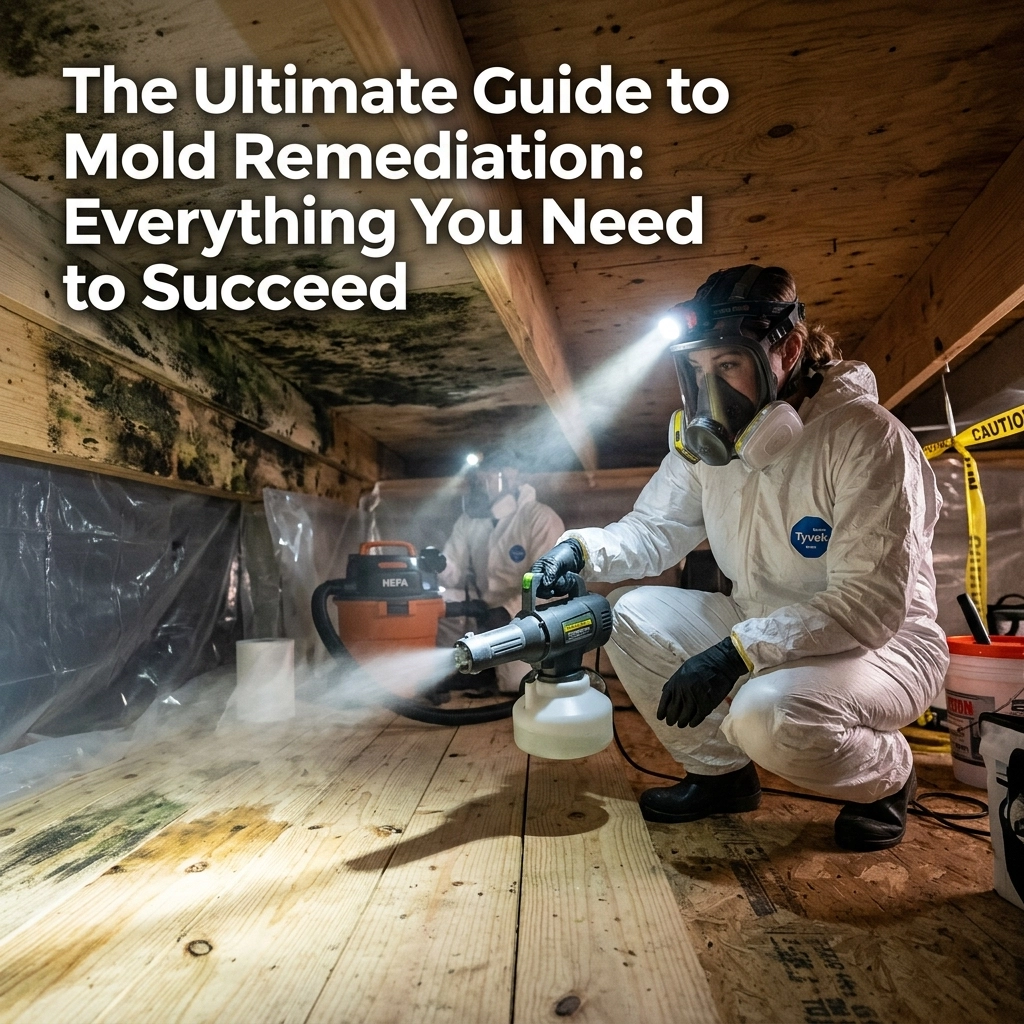
The Fix: You have a very narrow window of opportunity. Mold remediation experts will tell you that mold can start colonizing in as little as 24 to 48 hours. Water wicks into your drywall, insulation, and wooden studs the longer it sits.
Don't wait. Even if you haven't talked to your insurance company yet, you have a responsibility to "mitigate the damage." This means stopping the water and starting the drying process immediately. At My Water Damage Hero, we offer 24/7 emergency response because we know that every hour counts.
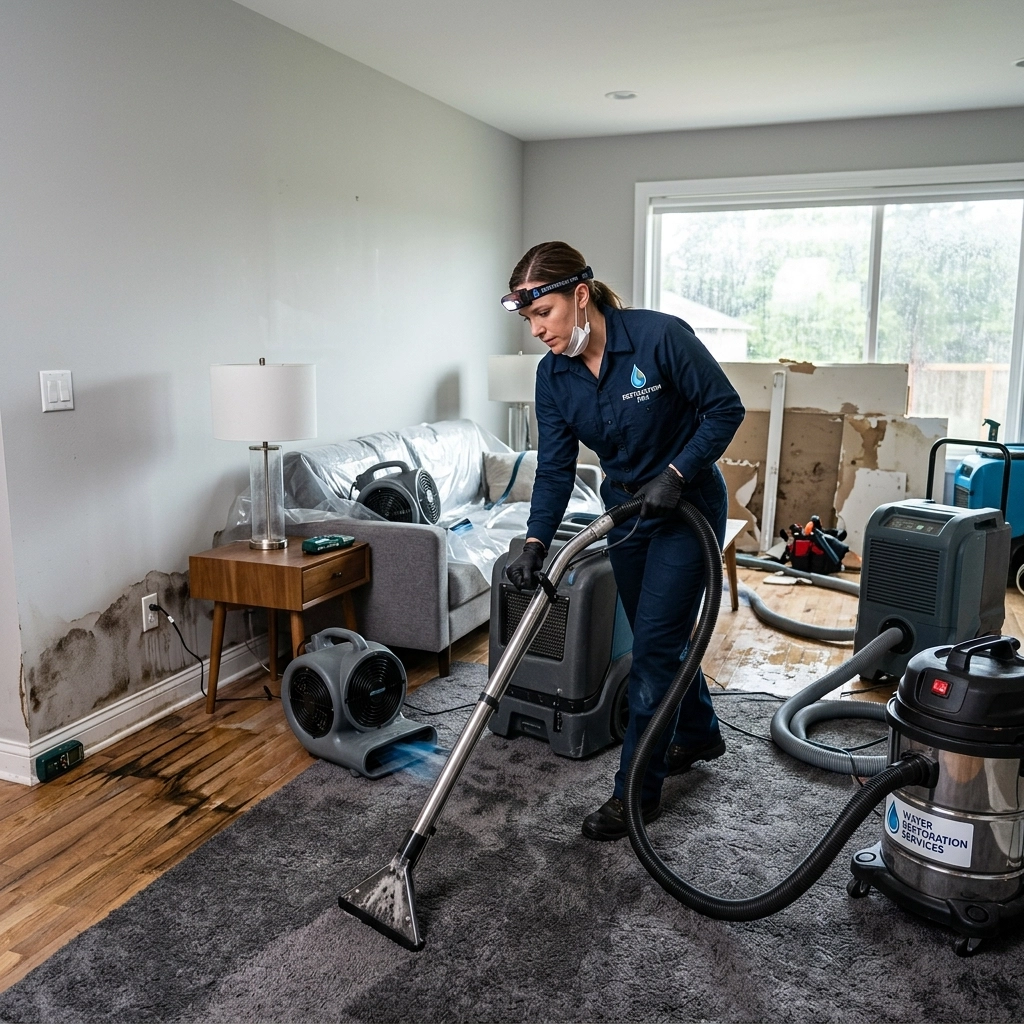
We love a good DIY project, but a standard shop vacuum and a few box fans from the garage aren't going to cut it for a flooded basement. Household fans move air across the surface, but they don't have the power to pull moisture out of deep structural materials.
The Fix: Professional water damage restoration requires industrial-grade equipment. We use LGR (Low Grain Refrigerant) dehumidifiers that can pull gallons of moisture out of the air and industrial air movers that create high-velocity airflow.
If you try to dry a carpet with just a regular fan, the surface might feel dry, but the carpet padding underneath stays soaked. That trapped moisture is a breeding ground for bacteria and odors. Sometimes, a professional carpet cleaning is also necessary after the drying is done to ensure no contaminants are left behind.
Water follows the path of least resistance. If a pipe bursts in your upstairs bathroom, that water is traveling down through the floorboards, into the ceiling joists, and behind the drywall of the room below. If you only clean up the puddle on the bathroom floor, you’re ignoring 90% of the problem.
The Fix: You need to look behind the scenes. Professionals use thermal imaging cameras and moisture meters to "see" through walls. These tools detect temperature differences and moisture levels that the human eye can't see.
If you suspect water has gotten behind a wall, the "fix" usually involves removing baseboards or even cutting small "breathable" holes to allow air to circulate inside the wall cavity. Don't assume that because you can't see the water, it isn't there.
This is a classic. You run a fan for 24 hours, touch the carpet, and think, "Hey, it feels dry! We're good." Unfortunately, your hand is a terrible moisture meter.
The Fix: Materials like wood, drywall, and subflooring are porous. They soak up water like a sponge. Even if the surface feels dry, the internal core of the material could still be saturated. If you stop the drying process too early, you're almost guaranteed to need mold remediation in a few weeks when that trapped moisture starts to rot the wood or grow fungus.
Always use professional standards to verify dryness. We monitor the moisture levels daily until they return to "dry standards" for your specific area and material type.
It sounds simple, but you’d be surprised how many people start the water damage restoration process while the leak is still active. If you’re pumping water out of a basement while the rain is still pouring through a foundation crack, you’re essentially trying to empty the ocean with a teaspoon.
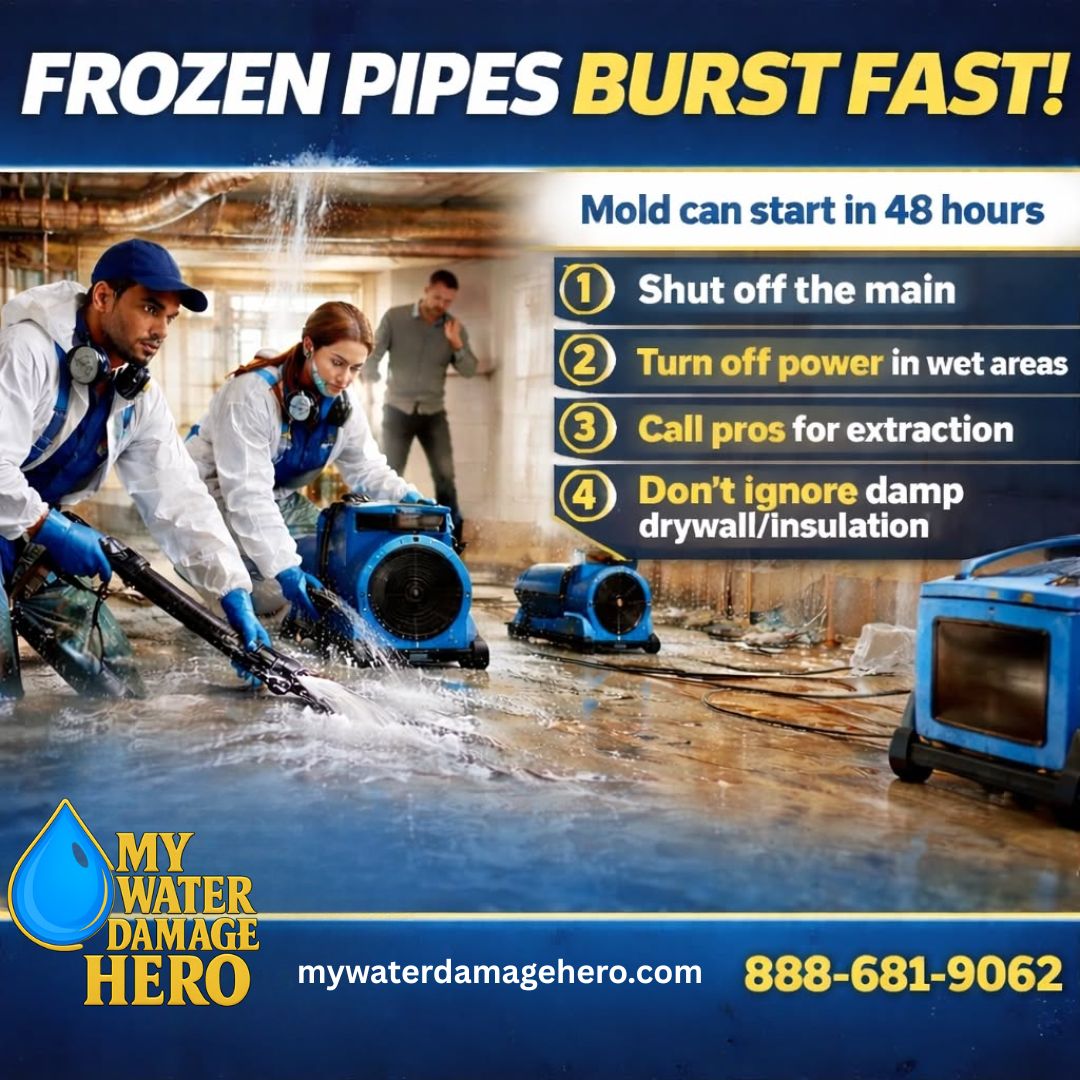
The Fix: Stop the source first. If it's a burst pipe, shut off the main water valve. If it's a leaky roof, get a tarp over it. If the damage was caused by a faulty appliance, like a dishwasher or washing machine, don't use it again until a pro has looked at it. Once the source is controlled, then: and only then: does the restoration work begin.
We all want to save money, but some types of water damage are dangerous. There are three categories of water:
The Fix: If you are dealing with Category 3 water, stop immediately. Do not try to clean this yourself. You need professional gear and sanitizing agents to make the space safe again. Furthermore, if the water has been sitting for more than 24 hours, or if it has entered your HVAC system, you need an expert.
Speaking of HVAC, water damage often leads to high humidity, which can send mold spores into your vents. In many cases, a thorough air duct cleaning is a necessary part of the restoration process to ensure your indoor air quality remains safe.

It seems logical: heat evaporates water, so cranking up the furnace or using a hair dryer should speed things up, right? Not exactly.
The Fix: Excessive heat can actually do more harm than good. High temperatures can warp hardwood floors, crack delicate materials, and: worst of all: create the perfect warm, humid environment that mold loves.
Effective drying is about balanced evaporation. You need a combination of controlled temperature, high-volume airflow, and, most importantly, dehumidification to pull the moisture out of the air. If you just heat the room without a dehumidifier, you’re just turning your home into a sauna, which makes the damage worse.
Sometimes, water damage isn't the only problem. If the water came from fire department hoses after a kitchen fire, you’re also dealing with soot and smoke. In these cases, fire damage restoration goes hand-in-hand with water cleanup. Smoke particles can get trapped in the same hidden spots as water, requiring specialized cleaning to remove the "burnt" smell and toxic residue.
Water damage is a race against time. By avoiding these seven mistakes, you're already miles ahead of most homeowners. Remember:
At My Water Damage Hero, we’re here to take the stress off your shoulders. Whether you need an emergency extraction, mold remediation, or just a professional carpet cleaning after a minor leak, we’ve got the tools and the team to get your home back to normal.
Don't let a small leak turn into a structural nightmare. Give us a call, and let us be your hero!

Stay safe, stay dry, and remember( we're always here to help!)
Contact us for quick, trusted restoration.
See how we’ve turned tough situations into success stories.

