
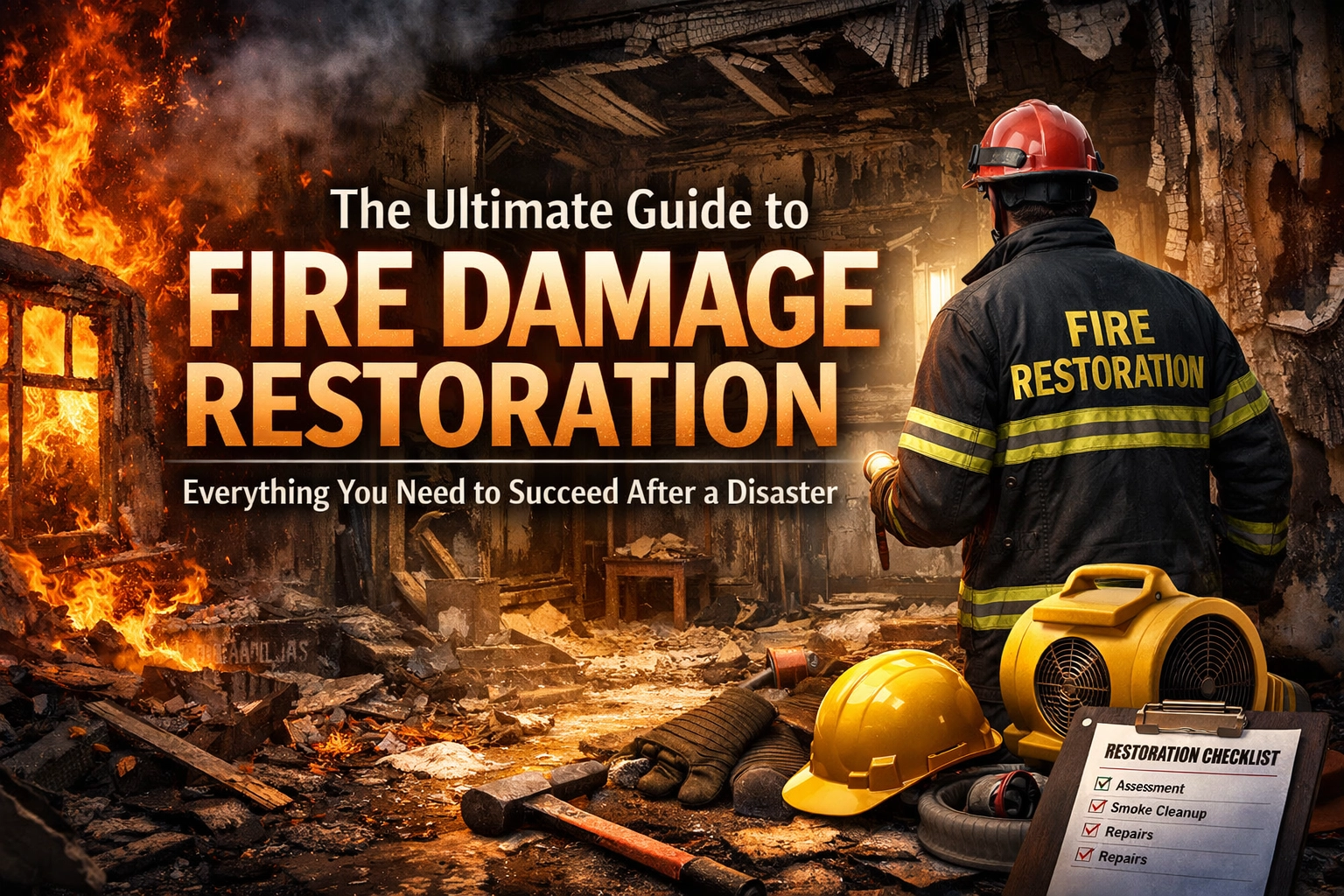
A house fire is one of the most stressful things a homeowner can go through. Even a small kitchen fire can leave behind a mess of smoke, soot, and: surprisingly: water damage. When the sirens fade and the fire trucks pull away, you’re left looking at your home, wondering, "What now?"
At My Water Damage Hero, we know that the road to recovery feels long, but it doesn't have to be overwhelming. This guide is here to walk you through the entire fire damage restoration process. We’ll explain what happens at each step, how to handle the "hidden" problems like mold and water damage, and how to get your life back to normal as quickly as possible.
Before we dive into the nitty-gritty of cleaning soot and rebuilding walls, let's talk about the most important thing: your safety.
Never enter a home after a fire until the fire department has officially cleared it. Fires can weaken the structural integrity of your floors and ceilings, and there’s always a risk of electrical hazards or gas leaks. Once you have the "all-clear," your first call should be to your insurance company, and your second should be to a professional restoration team.
When we arrive at a scene, our first job is to see exactly what we’re dealing with. Fire damage isn't always obvious. While you might see charred walls, we’re looking for things like:
We document everything with photos and videos for your insurance claim. This initial plan is the roadmap for the rest of the project.

A fire often leaves your home vulnerable. Broken windows, holes in the roof, and damaged doors are common. To protect your home from weather, animals, and theft, the restoration team will "board up" the property.
This involves:
Securing the home also helps keep the interior climate controlled, which is vital for the next step: drying out the water.
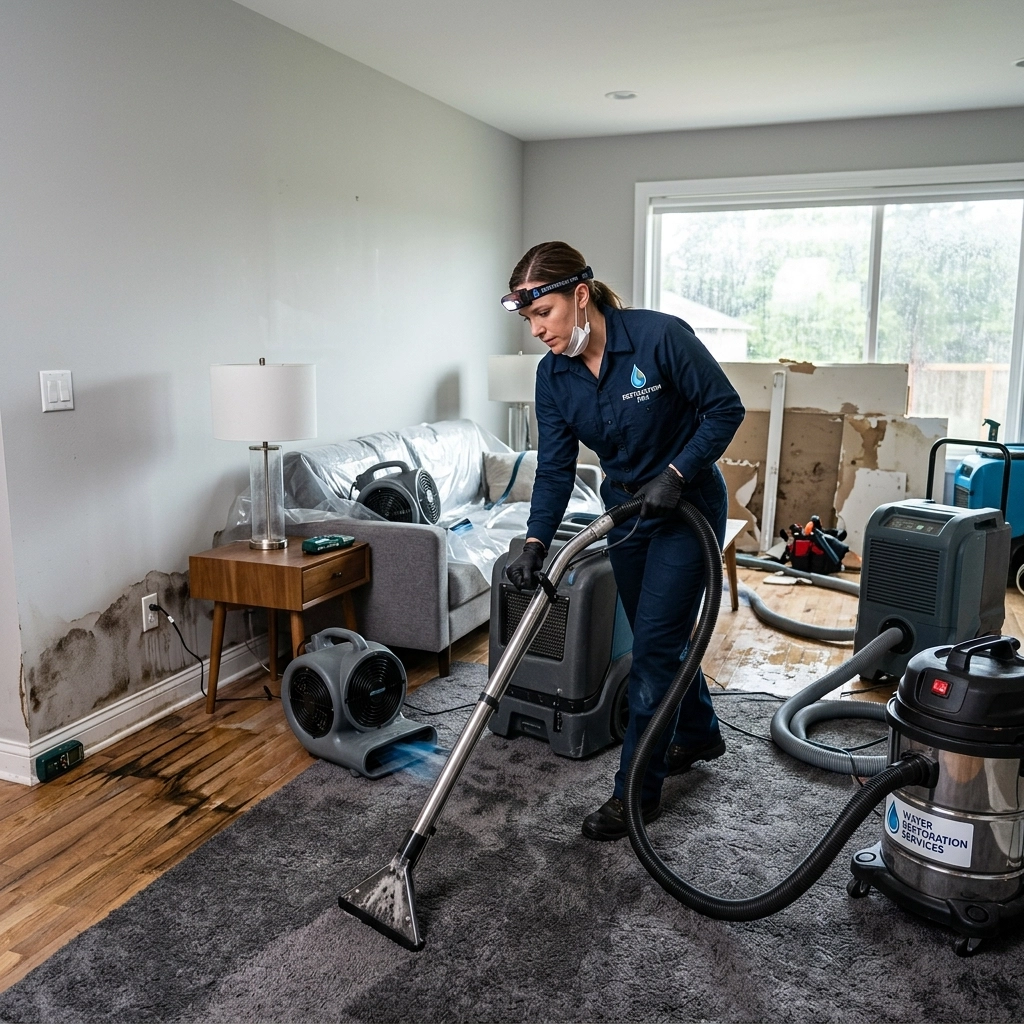
It sounds counterintuitive, but fire damage restoration almost always starts with water damage restoration. Between the fire hoses and the heat triggering sprinkler systems, your home is likely soaking wet.
Standing water can quickly lead to secondary issues, like warped wood floors and saturated drywall. More importantly, if the water isn't removed within 24 to 48 hours, you’re looking at a serious need for mold remediation.
We use industrial-grade pumps to get the water out and high-powered air movers and dehumidifiers to pull moisture from the air and the structure itself. We don't stop until our moisture meters show that everything is completely dry.
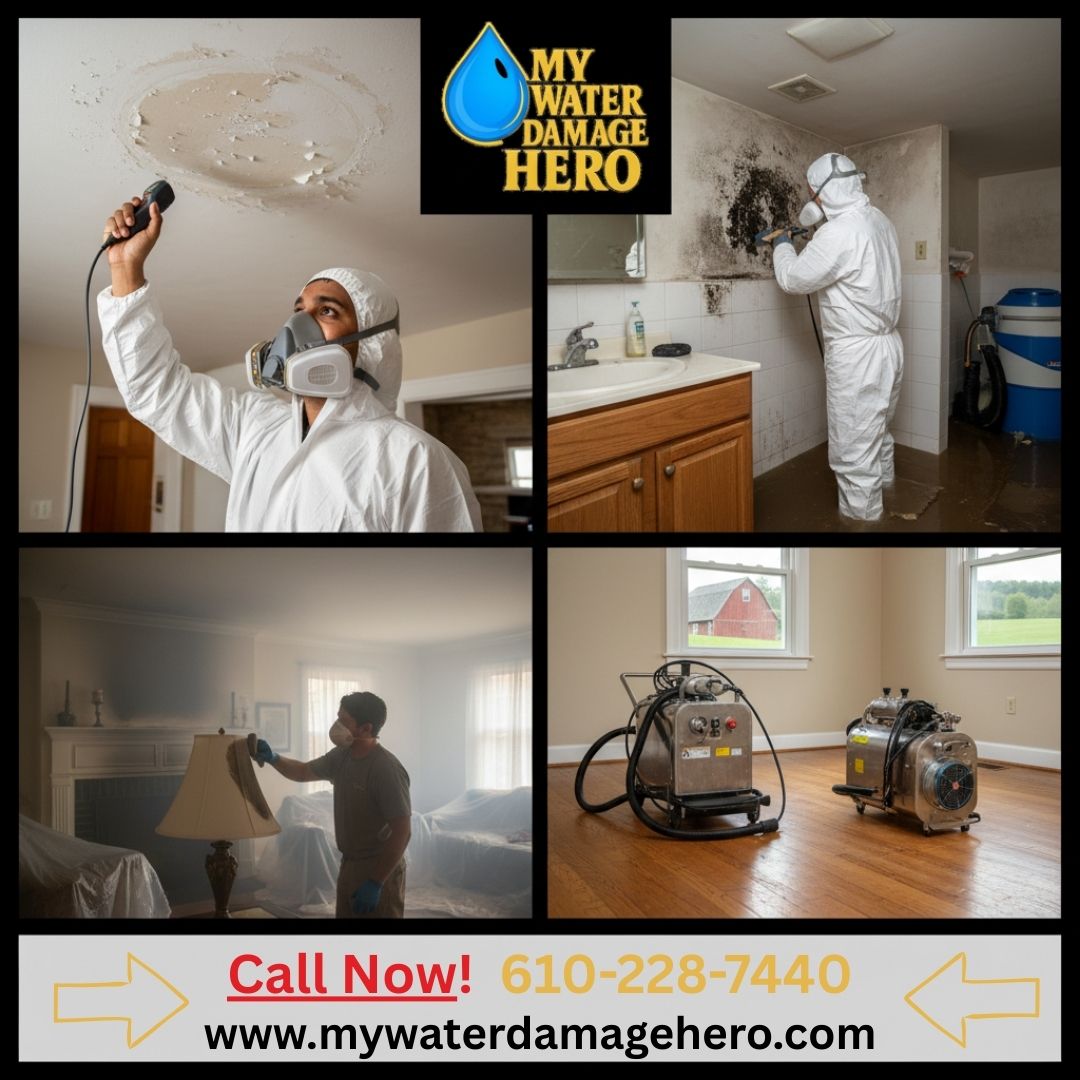
Once the site is dry, we have to clear out the "junk." This includes anything that is too damaged to be saved. Charred drywall, burnt insulation, and melted carpeting have to go.
It’s often safer and more efficient to remove a damaged wall down to the studs than to try and clean it. This step also involves removing personal items that are unsalvageable. We handle this part with care, knowing that these items represent your life and memories.

This is where the real "elbow grease" comes in. Soot is acidic. If it sits on your surfaces for too long, it can cause permanent staining, pitting, and corrosion on everything from metal appliances to marble countertops.
There are different types of soot depending on what burned:
We clean every inch: walls, ceilings, floors, and even inside your cabinets. This often includes professional carpet cleaning and upholstery cleaning to remove deep-seated particles that a standard vacuum just can't reach.
You know that "burnt" smell? It’s not just annoying; it’s actually tiny particles of smoke and chemicals floating in the air. Simply opening a window won't get rid of it.
The most critical part of this stage is air duct cleaning. Your HVAC system likely sucked in smoke during the fire. If you turn on your AC without cleaning the ducts, you’ll just blow soot and odors right back into your freshly cleaned rooms.
We use industrial air scrubbers and thermal fogging to neutralize the odor at a molecular level. We want your home to smell like a home again, not a campfire.

The final phase is reconstruction. This is the exciting part where your house starts looking like a home again!
Reconstruction can involve:
The goal of fire damage restoration is to return your property to its "pre-loss condition": or sometimes, even better!
Because so much water is used to put out a fire, mold is a very real threat. Even if you think the fire only affected the kitchen, the water could have seeped into the basement or behind the baseboards in the living room.
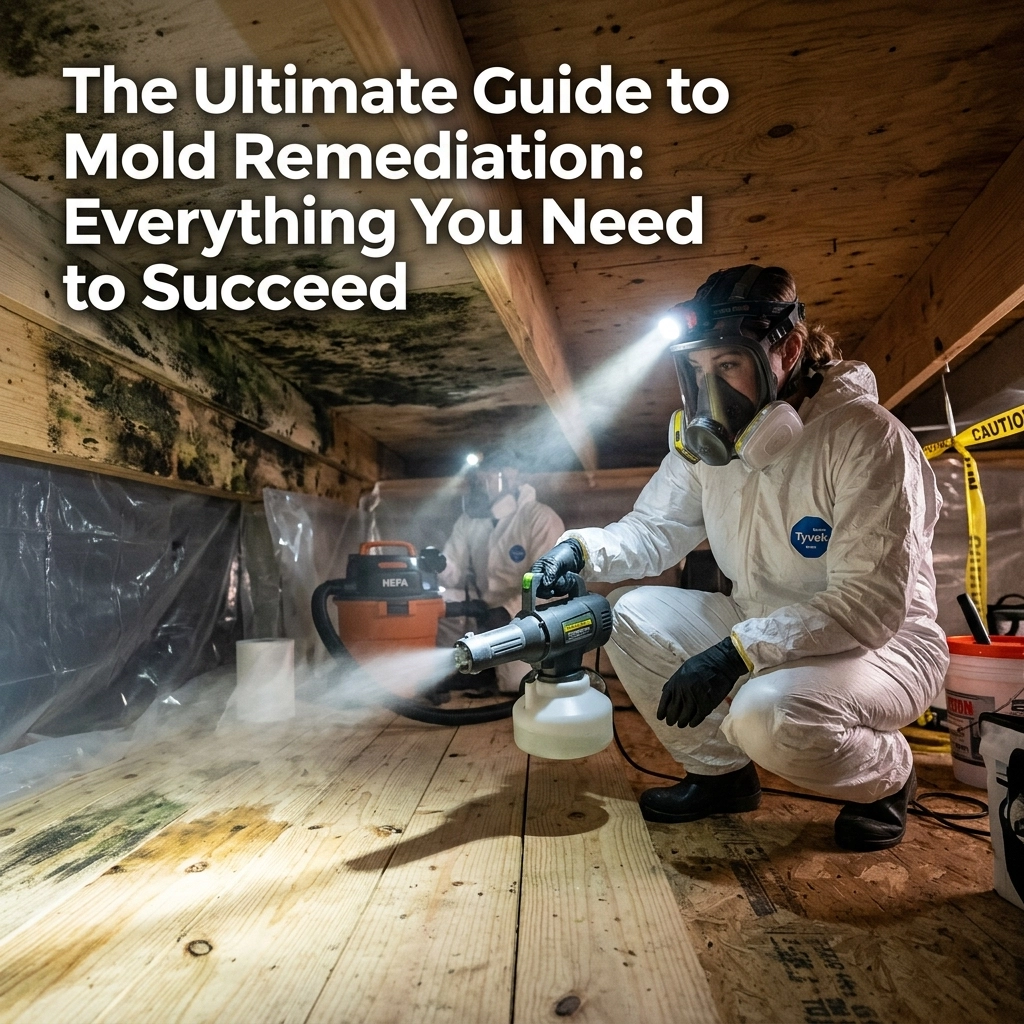
During the restoration process, make sure your team is performing regular checks for mold. Professional mold remediation is much easier to handle while the walls are already open for fire repairs than it is six months later when you realize there’s a musty smell you can't get rid of.
Dealing with insurance adjusters while you’re trying to recover from a fire is a lot to handle. Here are a few tips to make it easier:
It might be tempting to try and DIY the cleanup to save money, but fire damage is complex. Standard household cleaners can actually set soot stains permanently, and consumer-grade vacuums can blow soot deeper into your carpet fibers.
Professional restoration companies have the gear: like hydroxyl generators, industrial dehumidifiers, and HEPA-filtered vacuums: to do the job safely and thoroughly.
At My Water Damage Hero, we treat your home like it’s our own. We know that a fire is a traumatic event, and our goal is to take the burden of restoration off your shoulders so you can focus on your family. Whether you need help with water damage restoration, smoke cleanup, or air duct cleaning after a disaster, we’re ready to jump into action.
Recovery is a process, but with the right team by your side, you’ll be back on your feet before you know it.

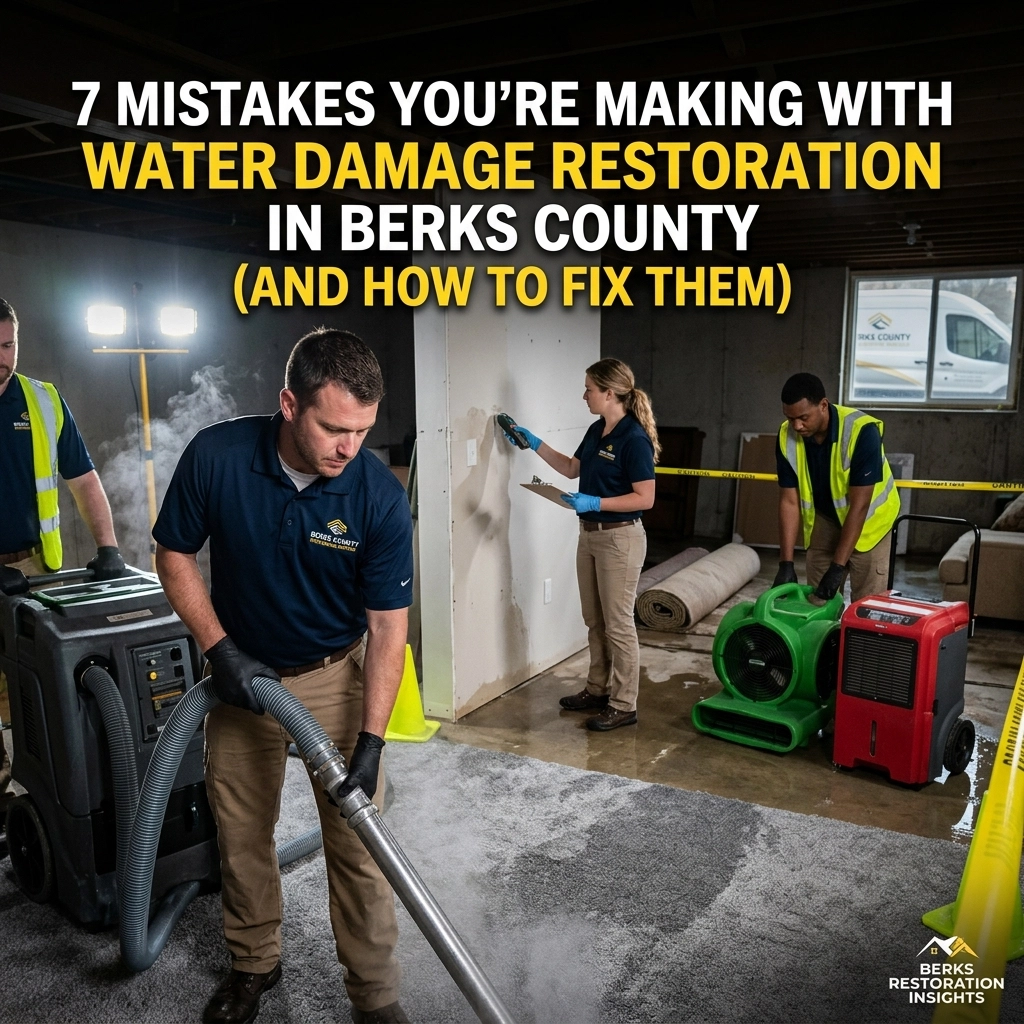
Contact us for quick, trusted restoration.
See how we’ve turned tough situations into success stories.

