March 23, 2026
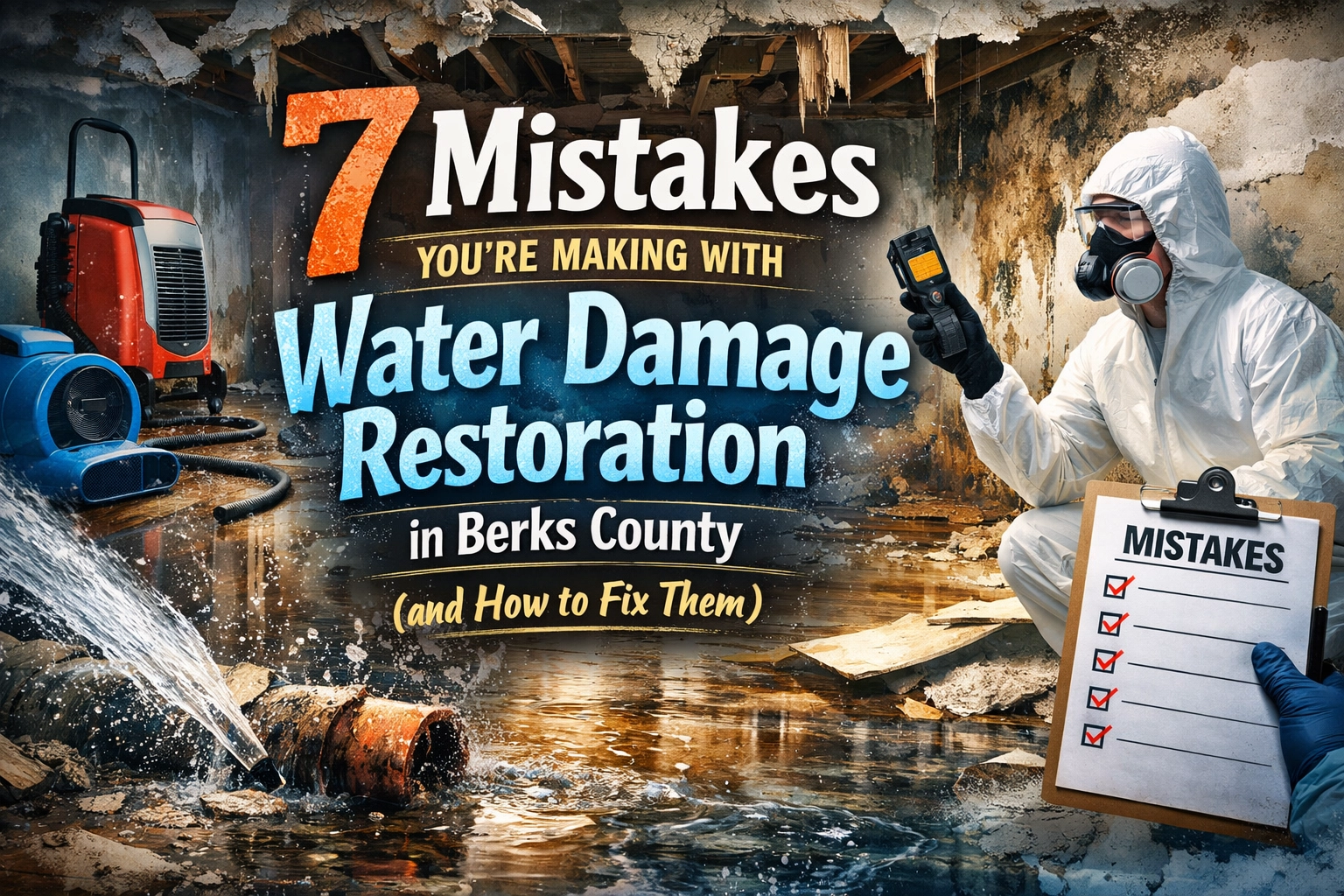
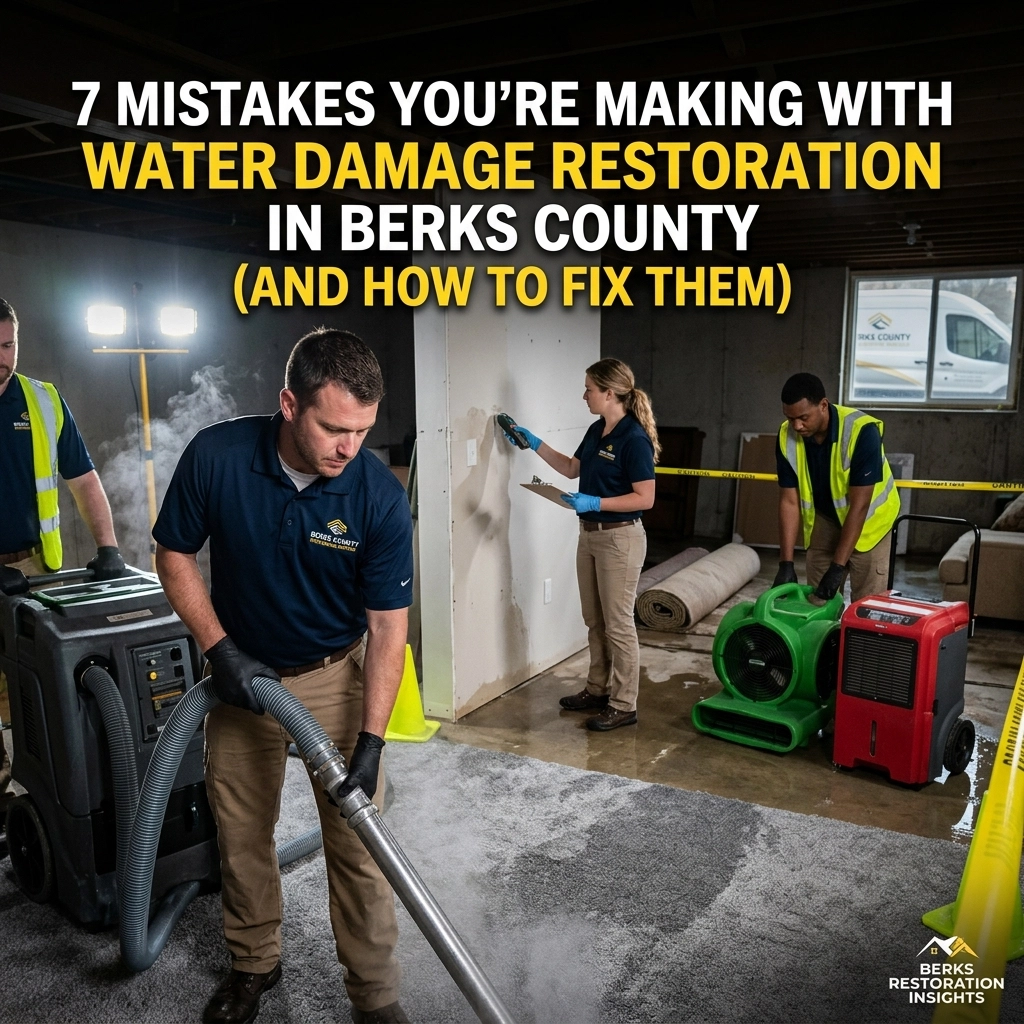
7 Mistakes You’re Making with Water Damage Restoration in Berks County (and How to Fix Them)
Water damage can go from “minor inconvenience” to “full-on renovation” way faster than most homeowners realize: especially in Berks County where older homes, basements, and seasonal storms are pretty common. The good news? A lot of the headaches people run into aren’t bad luck… they’re avoidable mistakes.
Below are the top seven slip-ups we see with water damage restoration (plus what to do instead). If you’re dealing with a leak, a flooded basement, or soggy carpet right now, treat this as your quick game plan.
1) Mistake: Waiting “to see if it dries on its own”
It’s tempting to crack a window, run a fan, and hope everything is fine. But water doesn’t just sit on the surface: it soaks into drywall, trim, insulation, subfloors, and framing. And once moisture gets trapped, the clock starts ticking.
Why it matters:
- Materials swell, warp, and break down the longer they stay wet
- Odors get worse as bacteria builds up
- Mold remediation becomes more likely because mold can start growing in as little as 24–48 hours
How to fix it:
- Start mitigation immediately: stop the water, extract standing water, and begin drying.
- If the area is more than a small spill (or you’re not sure what’s wet behind the scenes), call a professional water damage restoration team. Fast response usually saves money.
2) Mistake: Doing DIY drying with the wrong equipment
A shop vac and a couple box fans feel like a solid plan: until you realize they’re mostly drying what you can see. The real problem is the moisture you can’t see.
Common DIY issues:
- Fans move air but don’t control humidity (so moisture can just cycle through the room)
- Household dehumidifiers are often underpowered for big wet areas
- Wet padding under carpet cleaning jobs gets overlooked (and that padding can hold a ton of water)
How to fix it:
- Use commercial-grade air movers and dehumidifiers sized for the affected area.
- Get moisture readings (walls, floors, baseboards) so you’re not guessing.
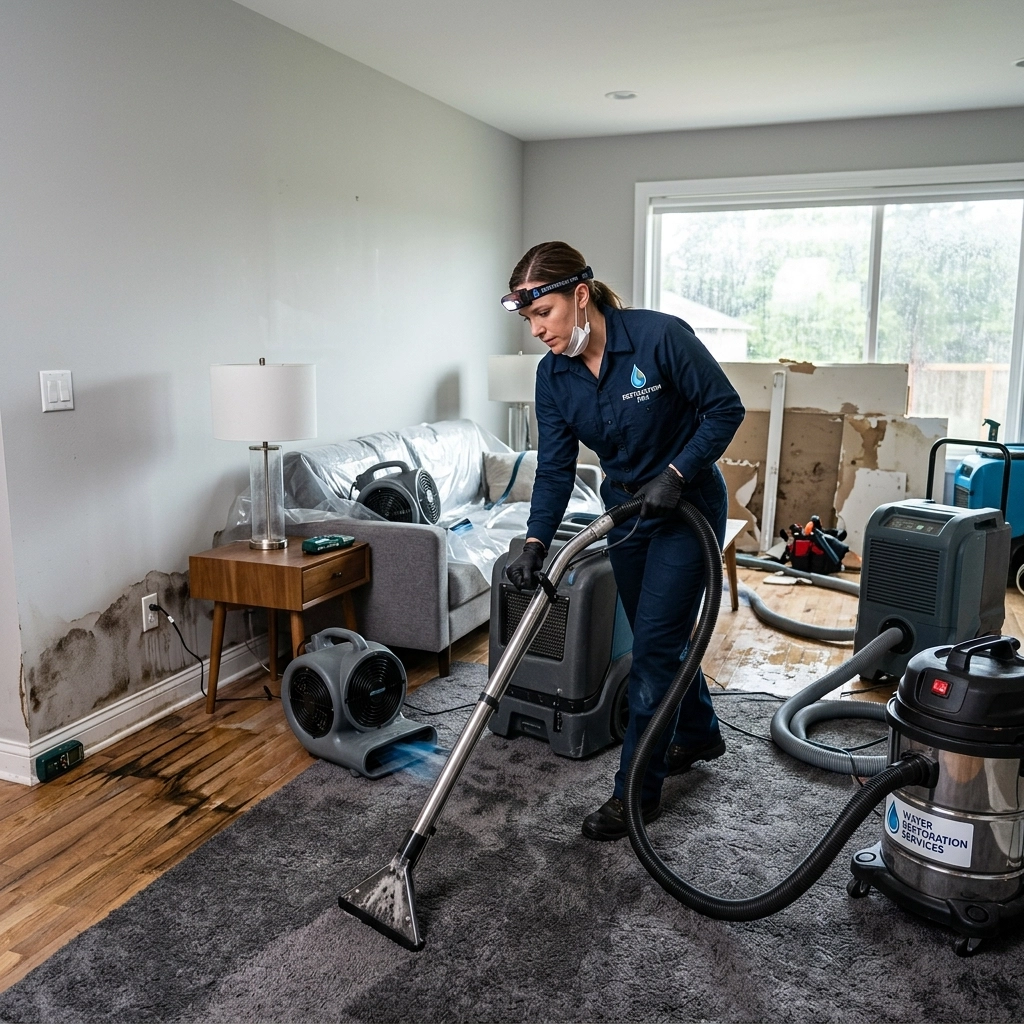
- If your carpet got soaked, don’t assume it’s “fine” because the top feels dry: padding and subfloor might still be wet.

3) Mistake: Missing hidden water damage (the “looks dry to me” problem)
Water travels. It wicks up drywall, slides under flooring, and collects in weird pockets: especially around baseboards, under cabinets, and near utility penetrations.
Hidden spots homeowners often miss:
- Under laminate or vinyl plank flooring
- Behind bathroom walls near the shower/tub
- Around sump pumps, floor drains, or foundation cracks
- Behind kitchen cabinets after a dishwasher or fridge line leak
- Inside HVAC closets or near returns (where moisture can affect indoor air)
How to fix it:
- Check beyond the obvious wet area: water rarely stays neatly contained.
- Look for subtle signs: bubbling paint, soft drywall, warped trim, buckling floors, “musty” smells.
- Pros use moisture meters and thermal imaging to confirm what’s wet, then dry it properly (instead of ripping out random materials).
4) Mistake: Cleaning up the water… but not fixing the source
This one is huge. You can dry everything perfectly, but if the leak is still happening (or comes back next rainstorm), you’ll repeat the whole mess: plus the next round is often worse.
Typical sources in Berks County homes:
- Old supply lines (toilets, sinks, washers)
- Water heater leaks
- Roof flashing issues
- Foundation seepage during heavy rain
- Frozen or burst pipes in winter
How to fix it:
- Stop the flow first. If it’s plumbing: shut off the main water valve.
- Document where it’s coming from (photos/videos help for insurance).
- Bring in the right help: plumber, roofer, or restoration team depending on the cause.
- If seepage is recurring, consider drainage improvements and sump pump checks.
5) Mistake: Not taking safety seriously (electric, structural, and contamination risks)
Water damage isn’t just annoying: it can be dangerous. Wet materials can compromise floors and ceilings, and water + electricity is a bad combo. Also, not all water is “clean.” A backed-up drain, toilet overflow, or floodwater can introduce bacteria and contaminants.
Safety hazards to watch for:
- Outlets, wiring, and appliances near wet areas
- Sagging ceilings (water pooling above drywall)
- Slippery floors and hidden trip hazards
- Potential contamination (especially in basements)
How to fix it:
- If water is near electrical outlets or your breaker panel, shut power off to the affected area and avoid contact.
- Don’t poke a bulging ceiling: get it assessed.
- If the water may be contaminated, treat it like a biohazard: limit exposure, avoid DIY cleanup, and plan for professional disinfection.
6) Mistake: Saving wet drywall, insulation, or carpet padding that should be removed
This is where people try to “be conservative” and accidentally create a mold problem. Some materials can be dried and saved. Others become a sponge and never truly recover.
Materials that often need removal (depending on severity and water type):
- Wet insulation (especially fiberglass)
- Swollen or crumbling drywall
- Baseboards and trim that have wicked water for days
- Carpet padding (even when the carpet looks fine)
- Particleboard cabinets or vanities that swell
How to fix it:
- Make the decision based on moisture readings and time wet: not just appearance.
- If the water was contaminated, removal is more likely (for health reasons).
- After removal, dry the framing/subfloor fully, then rebuild with confidence.
7) Mistake: Ignoring mold signs (and hoping bleach solves it)
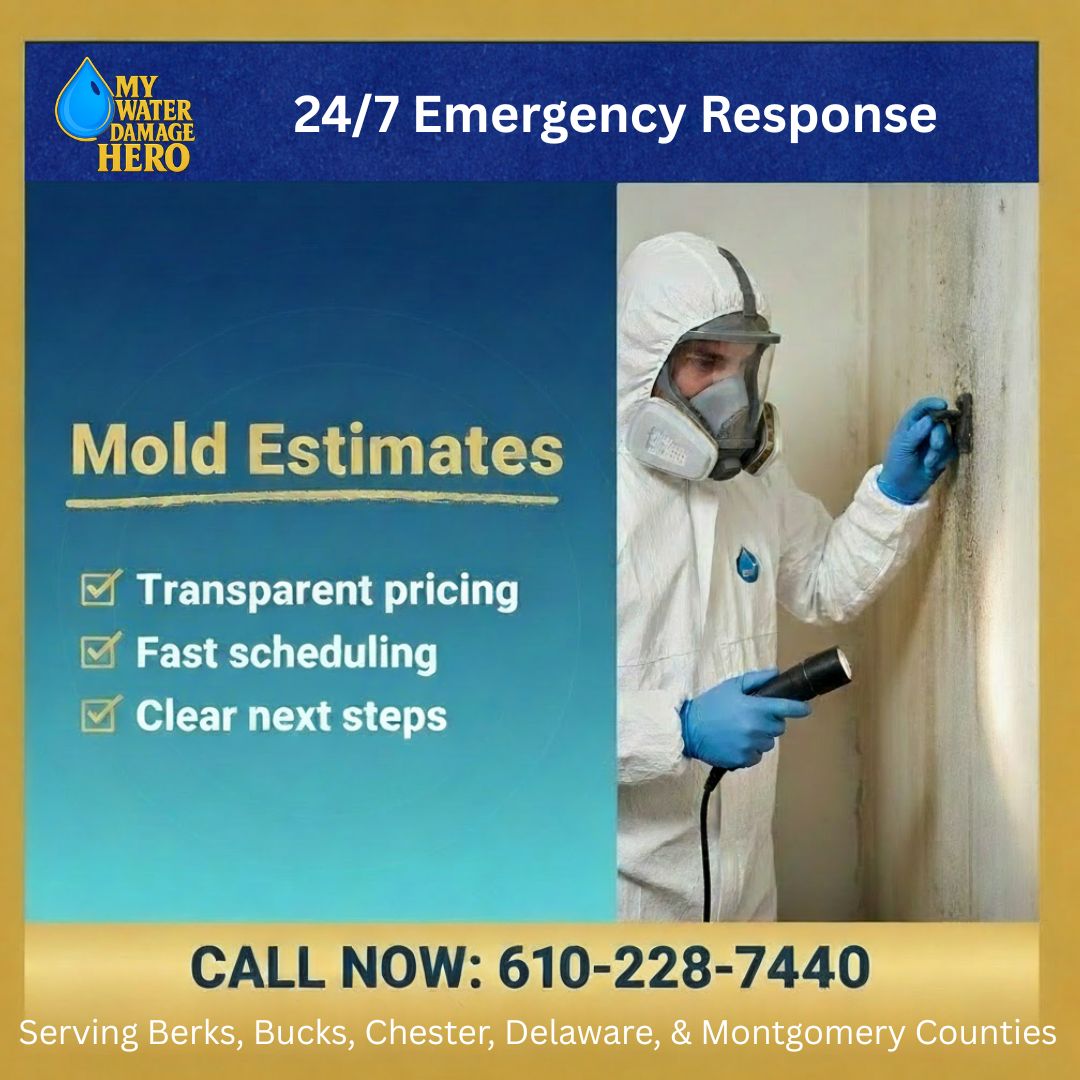
If you smell musty odors or see spotting on drywall, baseboards, or around vents, don’t shrug it off. Mold isn’t just a “surface stain.” It can spread behind walls, under flooring, and into porous materials.
What goes wrong with DIY mold cleanup:
- Bleach doesn’t reliably penetrate porous surfaces like drywall and wood
- Scrubbing can release spores into the air
- Covering it with paint (“mold-killing primer”) without fixing moisture = it comes back
How to fix it:
- Address moisture first: no moisture control, no long-term fix.
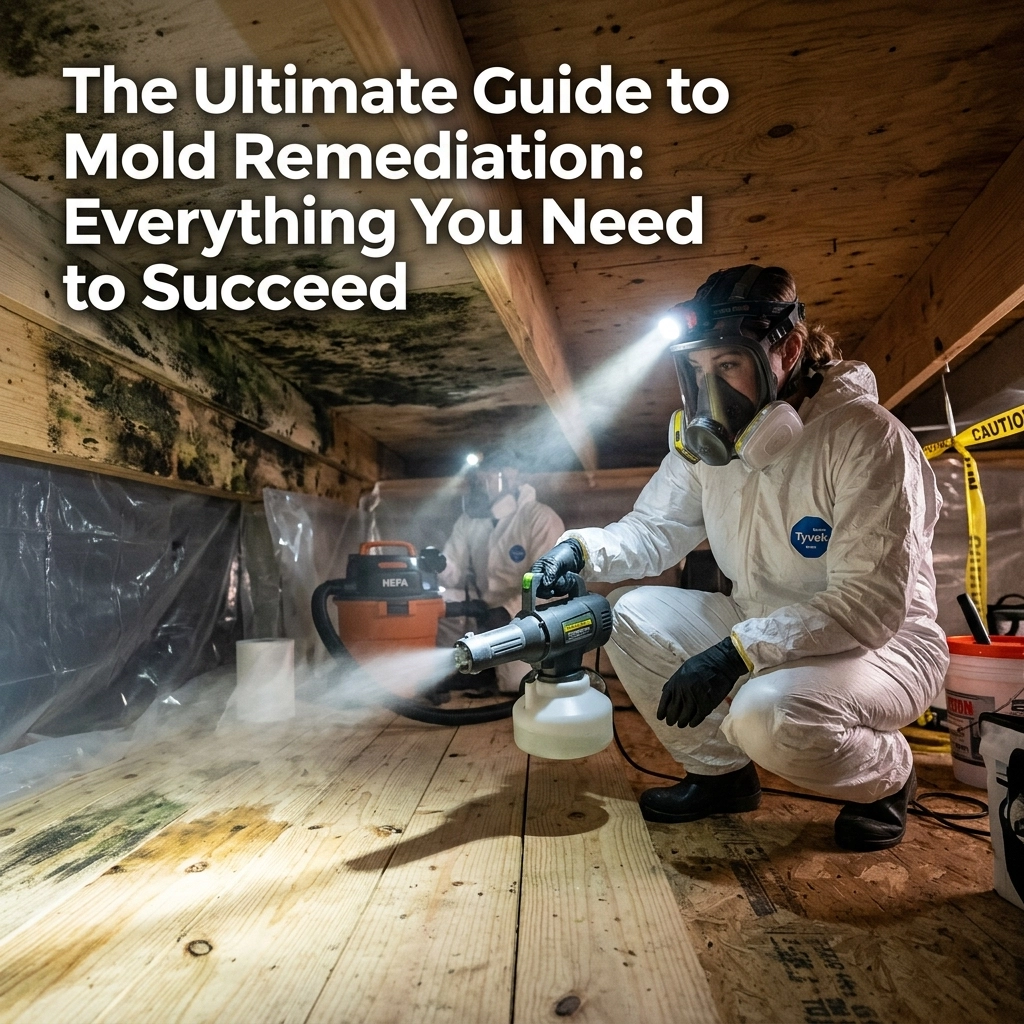
- Contain the area if mold is visible (to reduce spread).
- Call a professional mold remediation team for proper removal, filtration, and post-remediation verification steps.
Bonus: What “good” water damage restoration should look like (quick checklist)
If you’re hiring help (or checking whether a job was done right), here are the basics a solid water damage restoration process usually includes:
- Inspection & moisture mapping: not just what’s visible
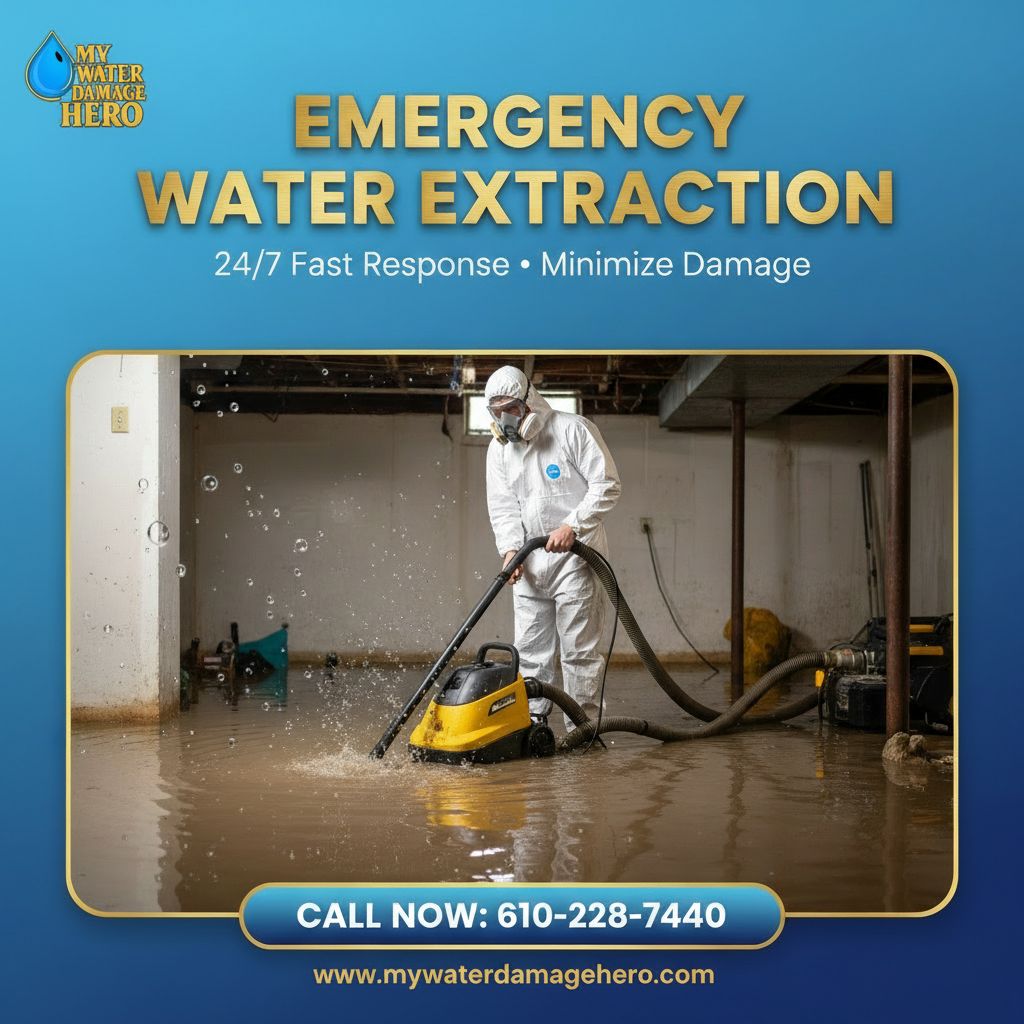
- Water extraction: remove standing water quickly
- Controlled drying: air movers + dehumidifiers set up intentionally (not randomly)
- Monitoring: daily checks and adjustments until materials are dry
- Cleaning & sanitizing: especially if the water wasn’t clean
- Selective demo: remove only what can’t be saved
- Repairs/rebuild: get your home back to normal
How this connects to mold, fire, carpet, and air duct cleaning (because it’s all related)
Home damage rarely stays in one lane. Water issues can lead to air quality issues, mold, and even HVAC contamination.
When water damage turns into mold remediation
If moisture lingers in walls, attics, basements, or crawl spaces, mold growth is a real risk. That’s why fast drying and good containment matter. If you notice a musty smell after a leak is “fixed,” it may be time to look into mold remediation.
When you should think about carpet cleaning (or replacement)
If the water was clean and caught quickly, carpet cleaning and drying may save it. If it sat too long or the water was contaminated, padding and carpet may need removal. A pro can tell you what’s salvageable.
Why air duct cleaning sometimes matters after water damage
If moisture affects your HVAC system (or mold starts near returns), ducts can circulate odors and particles. In certain situations, air duct cleaning can help restore indoor air quality: especially after a basement flood, long-term humidity, or confirmed mold issues near vents.

What about fire damage restoration?
It’s a different type of loss, but the logic is similar: don’t delay, don’t guess, and don’t skip the hidden damage. With fire damage restoration, smoke and soot travel like water does: into places you don’t expect. If your home ever experiences a fire event, quick action and proper cleaning methods matter just as much.

Quick “do this now” list if you’re currently dealing with water damage
- Shut off the water source if possible (valve/main shutoff)
- If safe, shut off power to wet areas
- Take photos for insurance
- Remove small valuables from the area
- Avoid running your HVAC if you suspect contamination or mold
- Call a local water damage restoration company to inspect, extract, and dry correctly
If you’re in Berks County and you’re not sure whether you’re dealing with a simple dry-out or the start of a bigger problem, it’s worth getting it checked early. That’s usually the difference between a quick fix and a long, expensive one.