
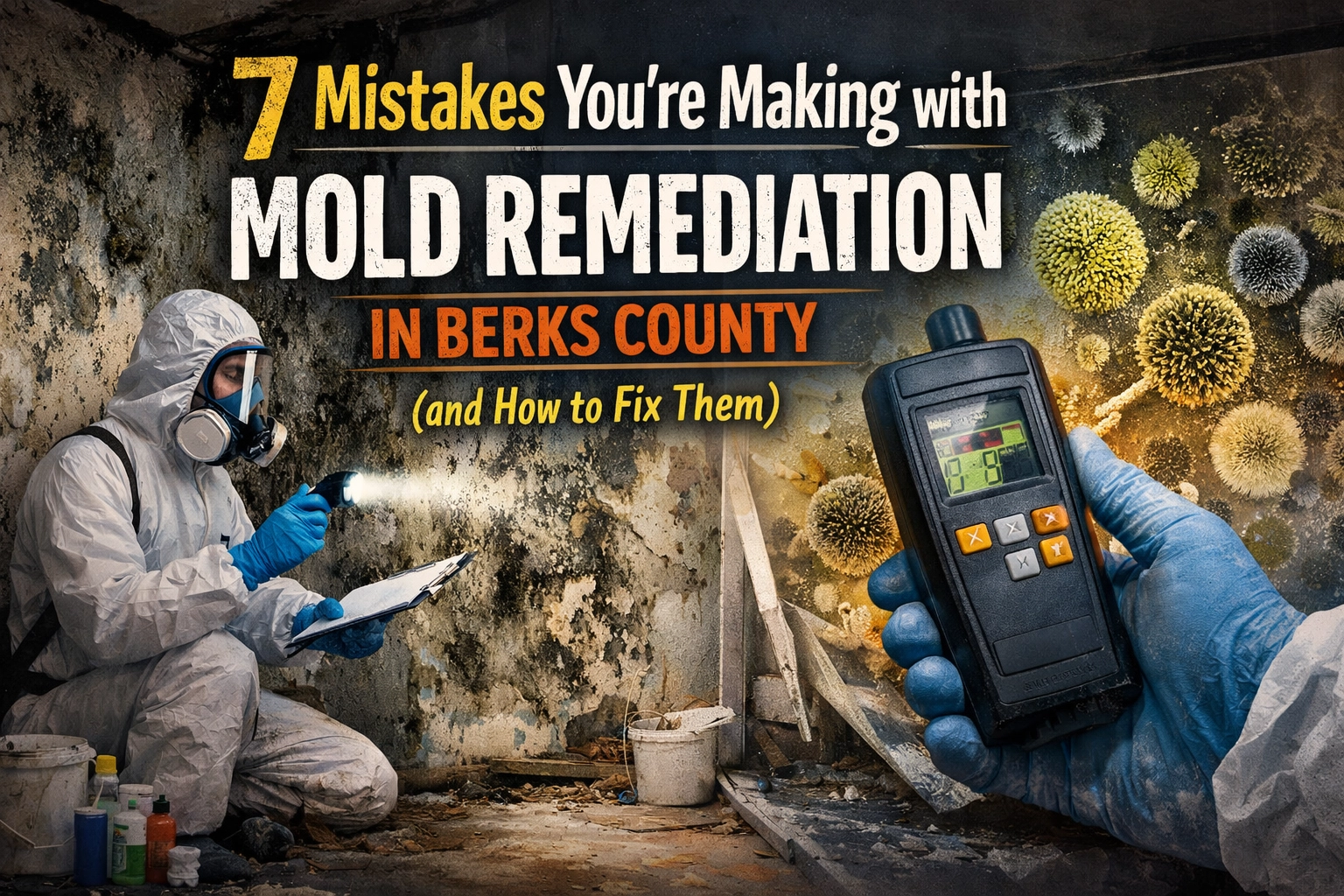
Mold is one of those home problems that feels simple at first (“I’ll just clean that spot”), but gets complicated fast. In Berks County, we see the same pattern over and over: a little water damage restoration is skipped, the mold remediation is rushed, and a few weeks later the smell is back.
Below are the most common mistakes homeowners make: and what to do instead: so you can stop the cycle for good.
Why it’s a mistake:
Bleach can make mold look like it’s gone because it lightens stains. But on porous materials (drywall, wood, grout, ceiling tiles), bleach often doesn’t penetrate deep enough to reach the roots of the mold. That means you may “clean” the surface while the colony keeps growing underneath. On top of that, bleach fumes can be rough on your lungs: especially in small bathrooms or basements.
How to fix it (simple approach):
Quick tip: If it keeps coming back in the same spot, the issue isn’t “not enough bleach.” It’s moisture.
Why it’s a mistake:
Mold doesn’t appear randomly: it shows up because moisture sticks around. In Berks County homes, common moisture sources include:
If you don’t fix the moisture problem, you’re basically doing “cosmetic mold removal,” and it’s likely to return.
How to fix it (what to check first):
If you’re not sure what’s feeding the mold, a moisture check and inspection can quickly point you in the right direction.
Why it’s a mistake:
Small spots can be handled carefully. But large growth (or hidden growth) is where DIY can backfire: fast. Scrubbing or ripping out materials without containment can release spores into the air and spread them to other rooms.
A good rule of thumb:
If the moldy area is bigger than about 10 square feet (roughly a bath towel), or you see it in multiple rooms, it’s time to stop and get help.
How to fix it:
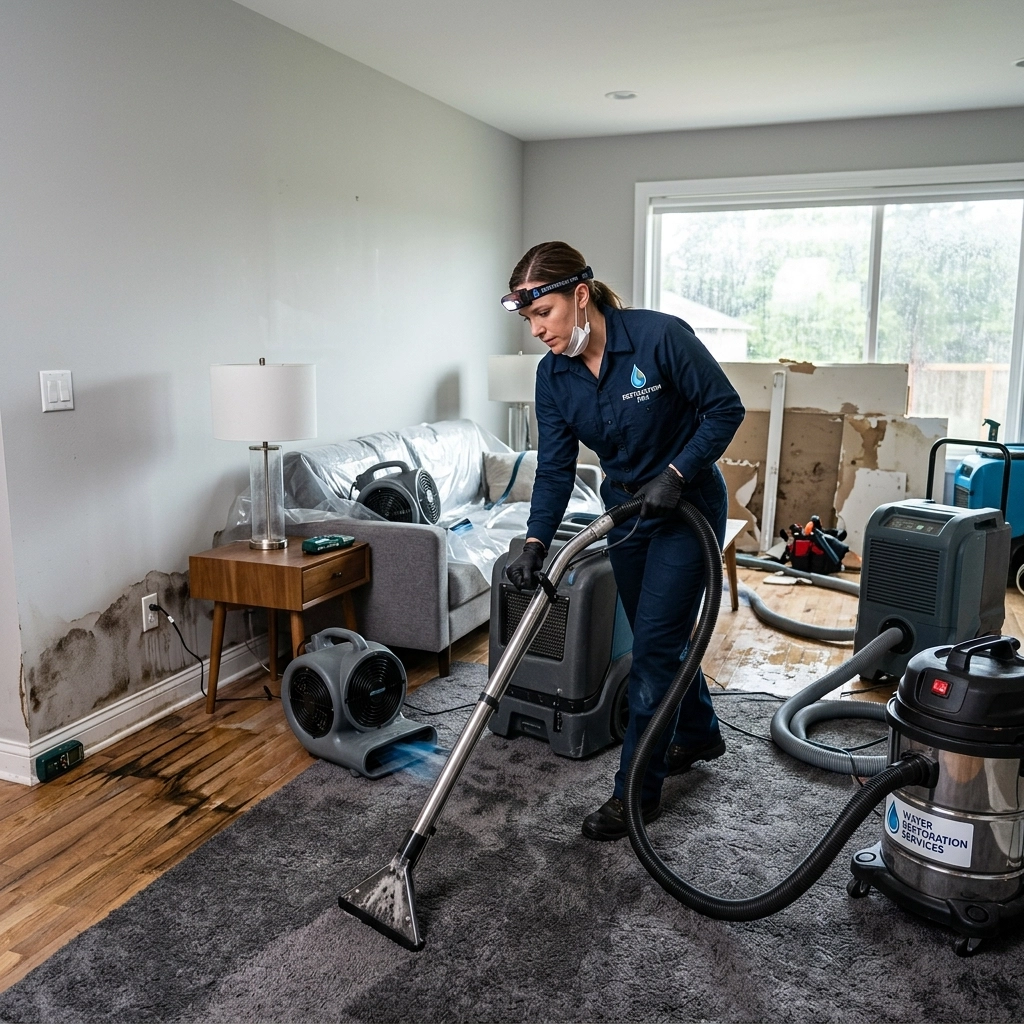
This is also where professional equipment matters: HEPA air scrubbers, moisture meters, and commercial dehumidifiers aren’t “nice to have.” They’re often the difference between “fixed” and “temporarily improved.”
Why it’s a mistake:
Even if you kill mold on a surface, spores can linger in the air and settle into dust. That’s why some homes still smell “musty” even after the visible mold looks gone. Also, dead mold particles can still trigger allergies and irritation.
How to fix it (the missing step):
If you have central HVAC, remember: airflow moves spores. Which brings us to a big one…
Why it’s a mistake:
If mold is near returns/supplies, or you’ve had significant water damage restoration work, spores can end up circulating. Sometimes mold growth can also happen inside ductwork if condensation or high humidity is present.
You don’t always need air duct cleaning: but when you do, skipping it can keep the problem alive.

How to fix it:
Bonus tip: Carpet can act like a giant filter too. After a mold event, professional carpet cleaning (or removal of wet padding) can reduce lingering odors and contaminants: especially in basements.
Why it’s a mistake:
Mold-resistant paints and primers are useful: after remediation. But painting over active mold is like putting tape over a warning light on your dashboard. The stain may stop showing for a bit, but the issue is still there (and can spread behind the wall).
How to fix it:
If you’re renovating a bathroom or finishing a basement in Berks County, moisture control + correct materials (proper ventilation, dehumidification, and water-resistant products) will do more than any “miracle” primer.
Why it’s a mistake:
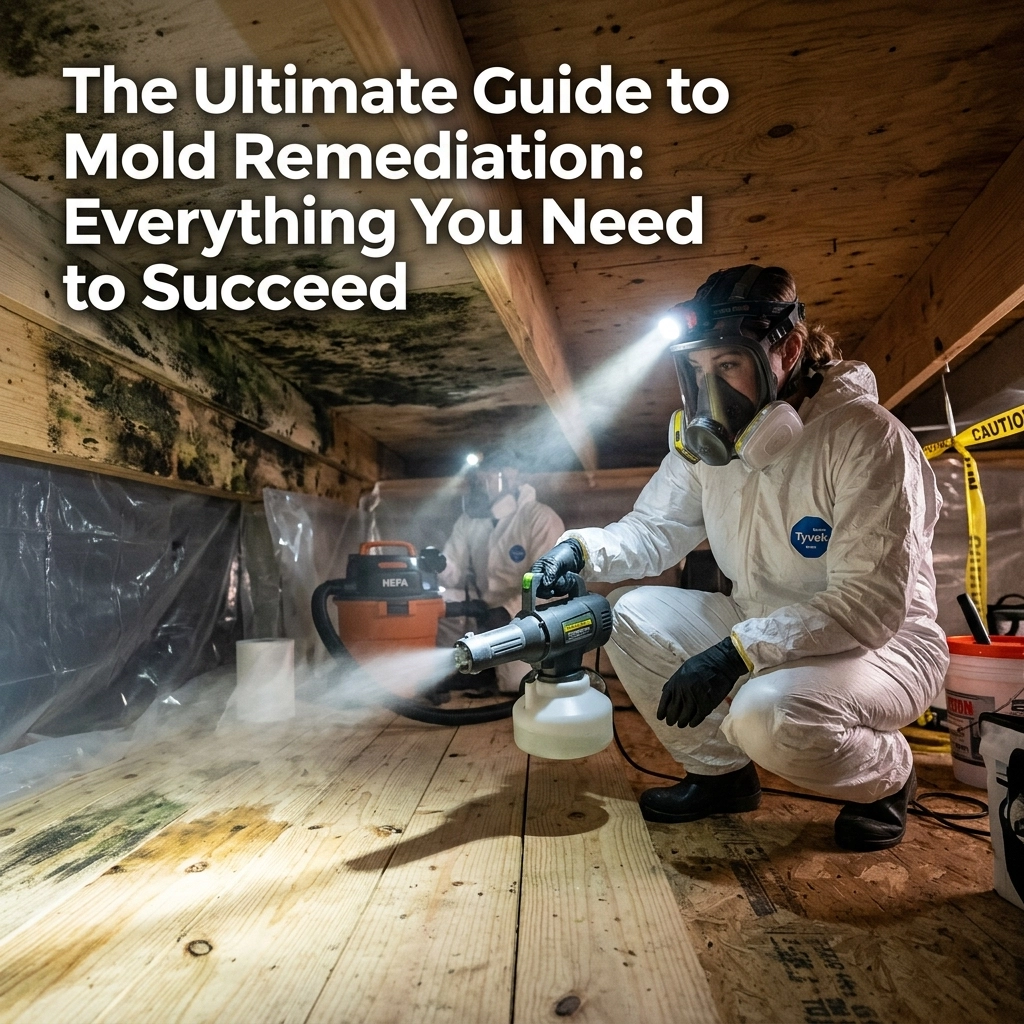
When mold is disturbed, spores become airborne. Without basic engineering controls: like sealing the work area: spores can travel to clean parts of the home. That’s when a basement problem turns into a whole-house problem.
How to fix it (what pros typically do):

If you’re doing any DIY cleanup, the main idea is: don’t let air and dust from the moldy area spread through the rest of the house. Close doors, cover vents, and work carefully.
If you’re staring at a mold spot and wondering what to do next, here’s a straightforward order of operations:
Sometimes mold is the “symptom,” not the main event. If your mold followed:
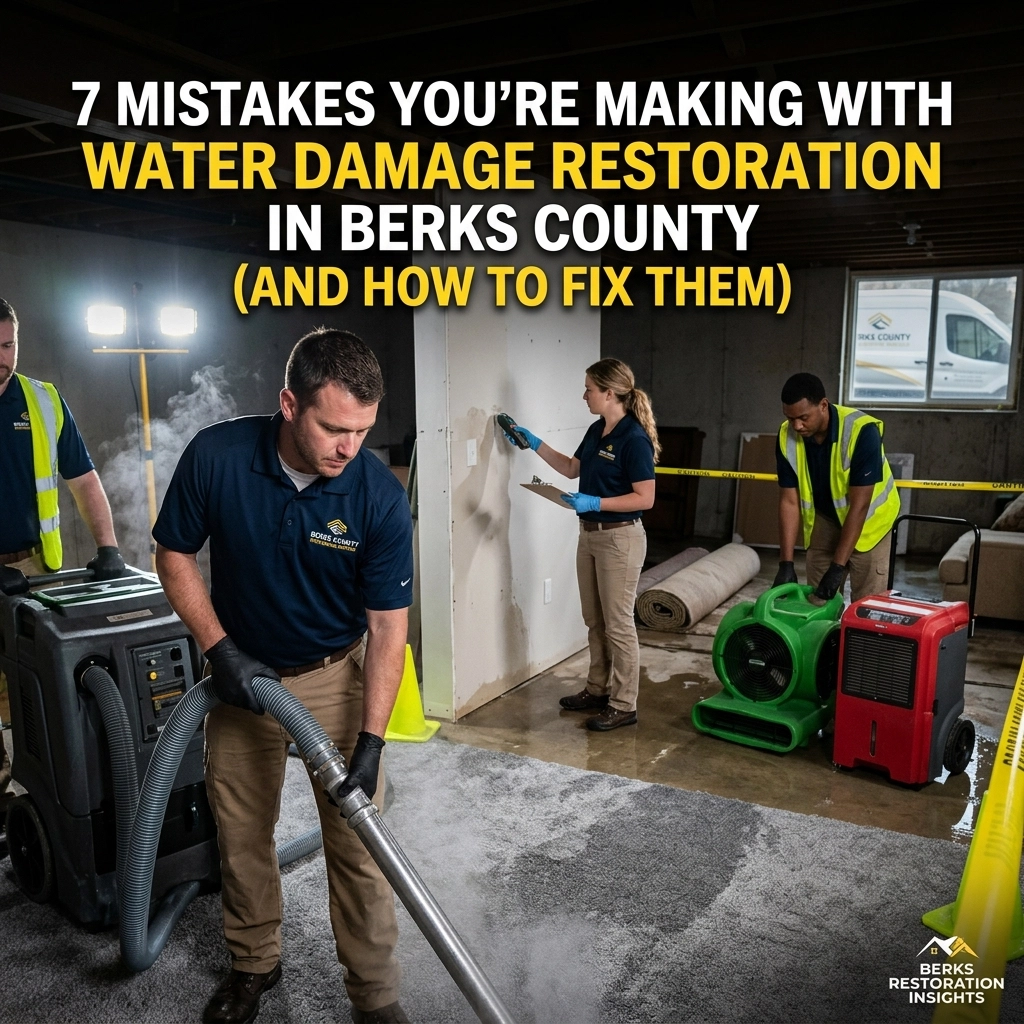
…you may need a broader plan that includes water damage restoration (drying + dehumidification) and, in some cases, fire damage restoration (smoke odor cleanup and material removal). Mold loves the leftovers from water events, and smoke-damaged materials can hold odors if they aren’t properly cleaned or removed.
If you handle the whole chain correctly: water, drying, cleanup, then mold: you get a real fix, not a temporary patch.
Most mold remediation failures aren’t because homeowners don’t care: they happen because mold is a moisture-and-air-quality problem, not just a “dirty spot” problem. If you stop the moisture, clean the right way, and take spores/dust seriously, you’ll get better results and fewer repeat issues.
If you’re in Berks County and you’re not sure whether your situation is small and manageable or something that needs professional help, it’s always cheaper to ask early than to rebuild later.
Contact us for quick, trusted restoration.
See how we’ve turned tough situations into success stories.

