
Hey there, Berks County neighbors! It’s Tonya here from My Water Damage Hero. We know that owning a home in beautiful Pennsylvania comes with a lot of perks: the rolling hills, the historic charm, and the changing seasons. But let’s be real: those changing seasons can be tough on our pipes. Whether it’s a deep freeze in January or a humid heatwave in July, our plumbing systems are constantly under pressure.
One of the scariest things for any homeowner isn't necessarily the big, obvious flood: it’s the hidden leak. You know, the one that quietly drips behind your drywall or under your floorboards for weeks before you notice. By the time you see a puddle, you might already be facing a need for professional water damage restoration or, even worse, mold remediation.
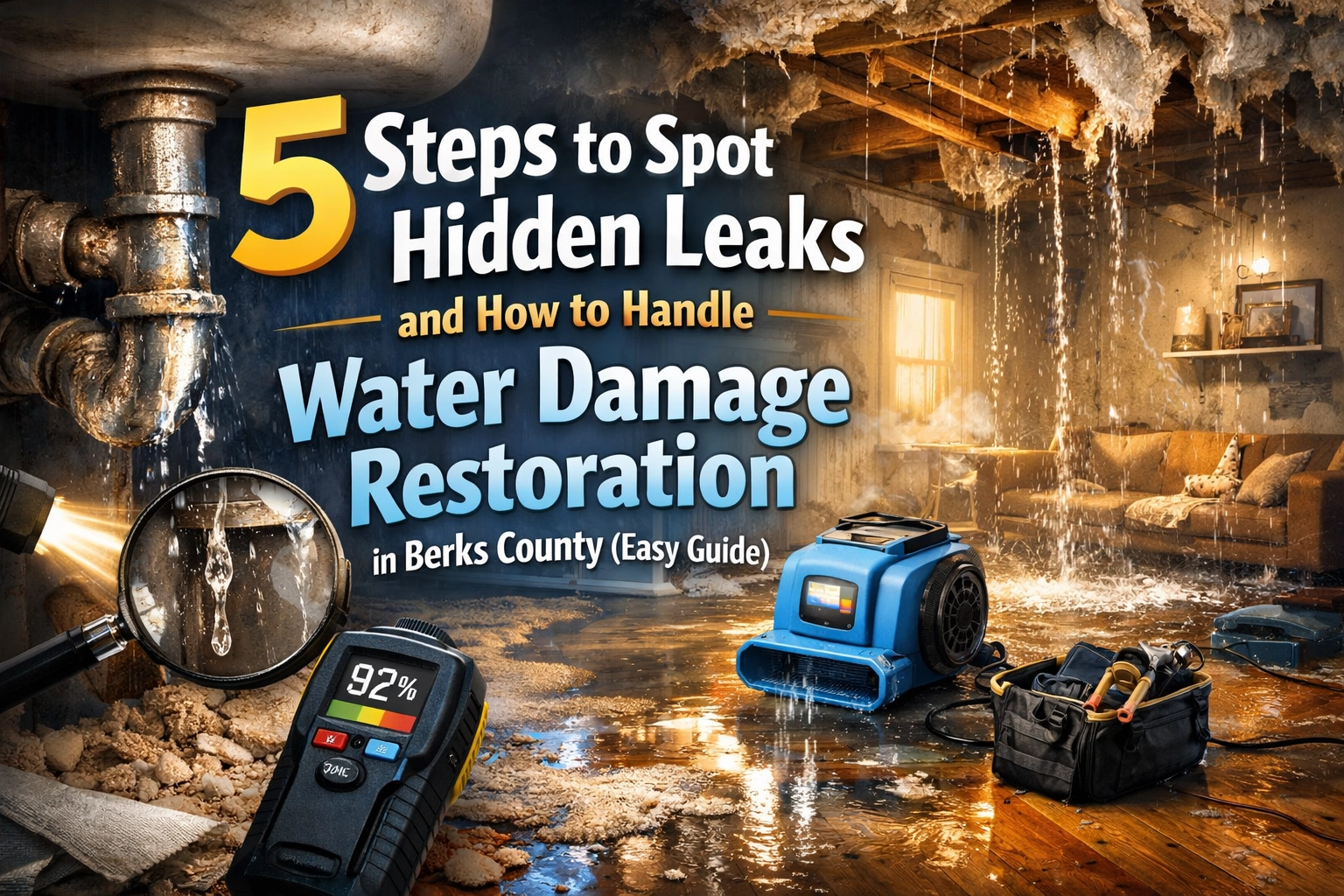
Don't panic! We’re here to help you stay ahead of the game. In this guide, we’re breaking down five simple steps to spot those sneaky leaks and explaining exactly how to handle restoration if you do find a mess.
In places like Reading, Wyomissing, and Kutztown, we have a lot of older homes. Older homes mean older pipes, and older pipes mean a higher chance of pinhole leaks. A tiny leak can waste thousands of gallons of water a year, but the real cost is the damage to your home’s structure. Water weakens wood, ruins insulation, and creates the perfect breeding ground for mold.
If you catch a leak early, it’s a quick fix. If you wait, you’re looking at a full-scale restoration project. Let’s dive into how you can be the hero of your own home.
This is the most effective "low-tech" way to find out if water is escaping somewhere in your system. Your water meter is like a lie detector for your plumbing.
How to do it:
Your house will often try to tell you something is wrong; you just have to know how to listen: or look. Take a walk around your property once a month and keep an eye out for these red flags:

Most leaks happen at the "junctions": where pipes meet appliances. At least once a season, do a quick "touch test" on your water-using machines.
Sometimes you can’t see a leak, but you can hear it. If the house is quiet at night, listen for the sound of running water, hissing, or a rhythmic "drip-drip-drip."
Professional plumbers and restoration experts use specialized acoustic listening devices that act like a stethoscope for your walls. They can pinpoint exactly where a pipe is whistling or spraying behind the bricks or drywall without having to tear the whole wall down.
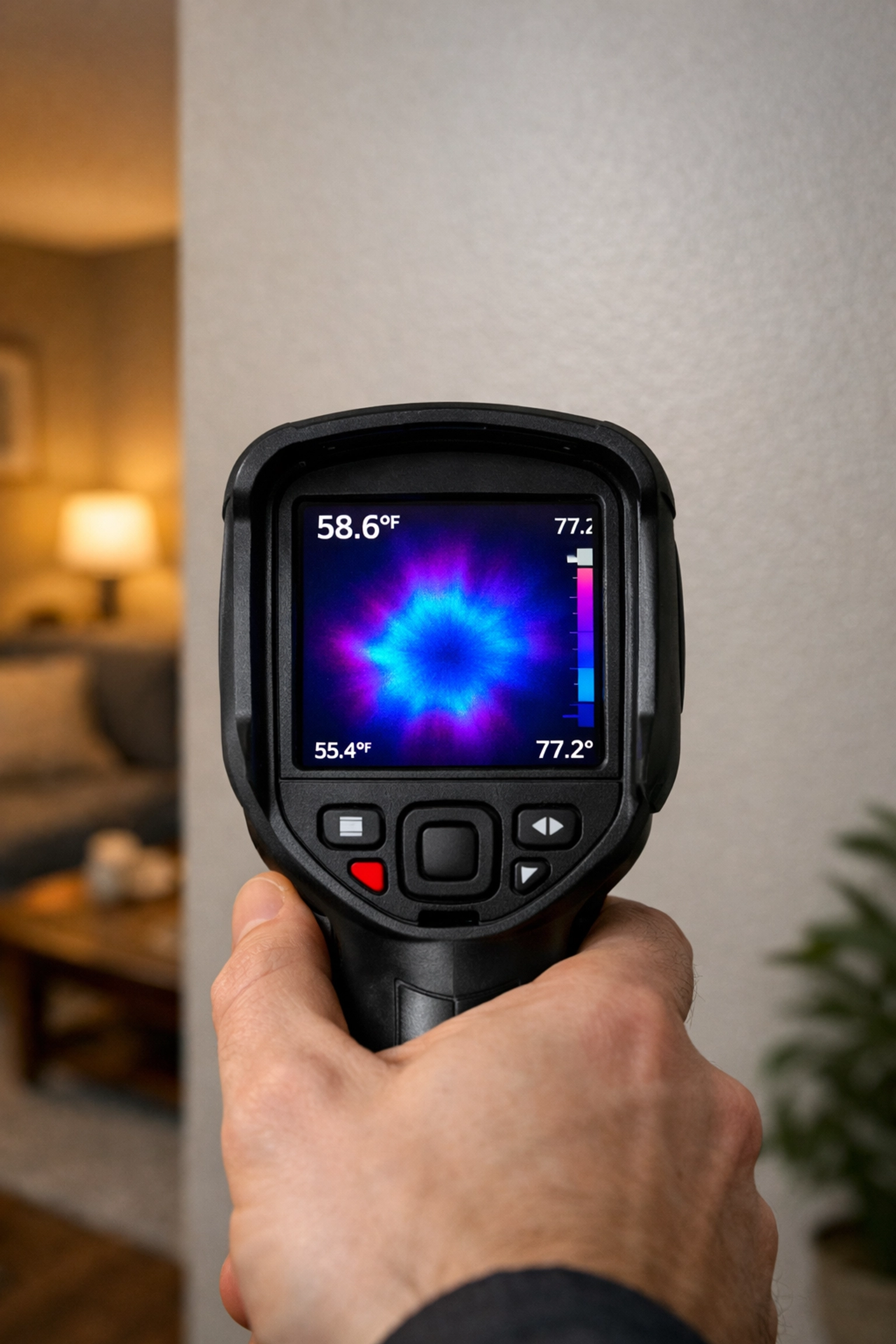
If your water bill is high but you can't find the source, it's time to call in the pros. We use high-tech tools that go beyond the naked eye:
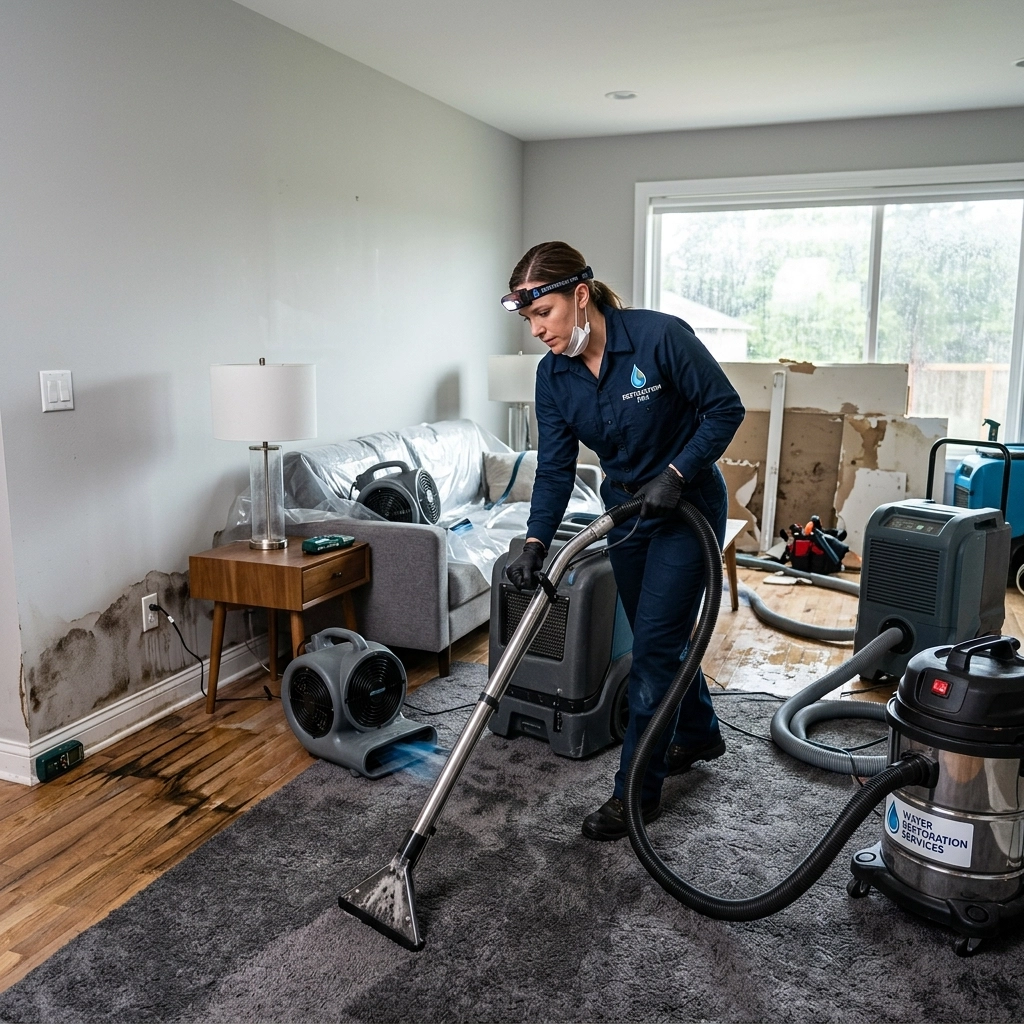
Finding the leak is only half the battle. If that water has been sitting there for a while, you’re dealing with water damage. Here in Berks County, the humidity can make things escalate quickly. This is where water damage restoration comes in.
One of the biggest reasons we urge Berks County homeowners to act fast is mold. Mold doesn't need much to grow: just a little moisture and some organic material (like your drywall or carpet). In fact, mold can start growing in as little as 24 to 48 hours after a leak starts.
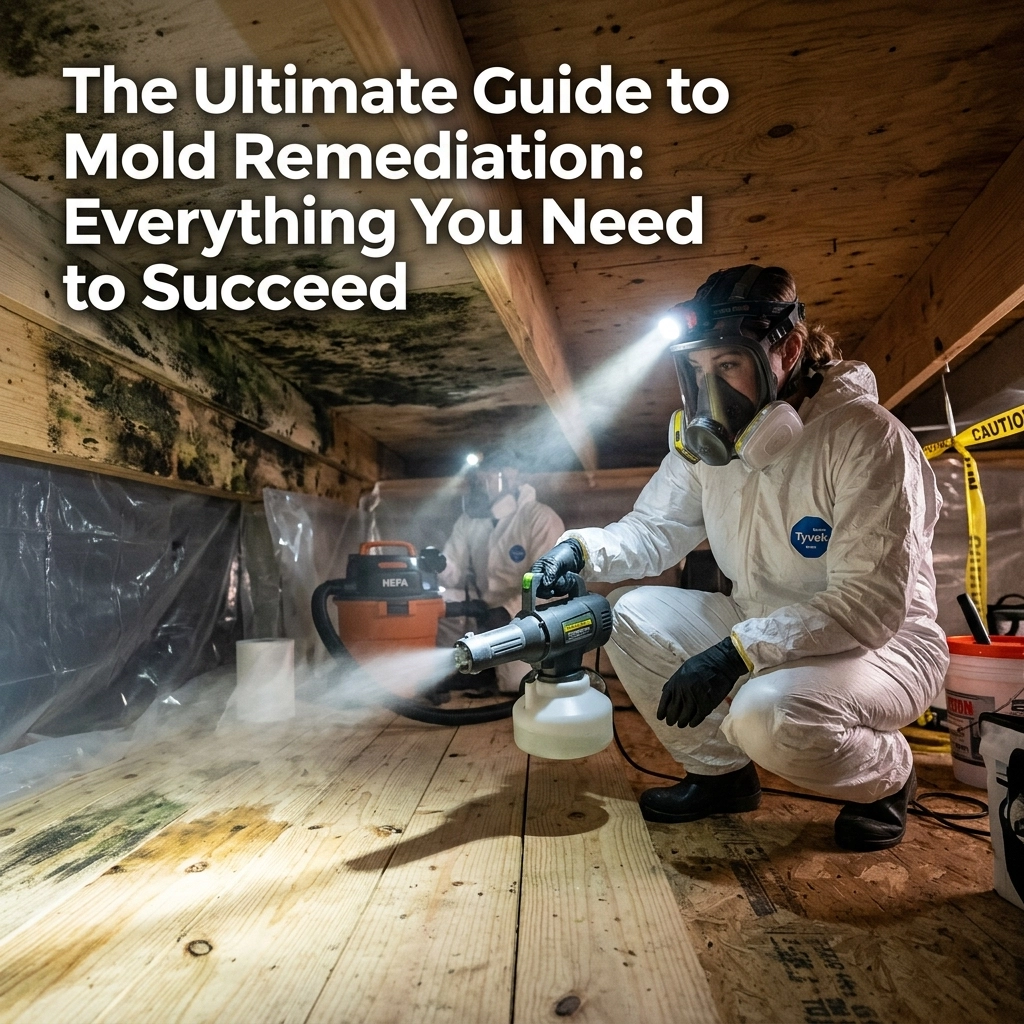
If you notice a musty smell or see black, green, or white fuzzy spots, you need mold remediation. This isn't just about scrubbing it away with bleach (which actually doesn't work on porous surfaces!). It’s about containing the area, removing the affected materials safely, and cleaning the air to make sure the spores don't spread to the rest of your home.

At My Water Damage Hero, we believe a safe home is a clean home. While we are experts in water and mold, we also know that a truly restored home often needs a little extra love.
After a water or mold event, your HVAC system can act like a delivery service for dust and spores. Professional air duct cleaning ensures that the air you're breathing is fresh and free of contaminants. It also helps your system run more efficiently, saving you money on those PA energy bills!

Water damage often ruins carpets, but even if you just had a minor leak, a deep carpet cleaning is a great way to finish the restoration process. It removes any deep-seated moisture or odors that lingering dampness might have left behind.
We hope you never need it, but if disaster strikes in the form of a kitchen fire or an electrical mishap, we also specialize in fire damage restoration. From soot removal to odor neutralization, we help Berks County residents turn back the clock on fire damage.
When you’re looking for help in Berks, Bucks, Chester, Delaware, or Montgomery counties, you want someone who knows the area. We understand the local architecture and the specific challenges our weather brings.
We offer 24/7 emergency response because water doesn't wait for business hours to start leaking. Whether it's a burst pipe in the middle of a winter freeze or a basement flood after a summer thunderstorm, we’re ready to jump into action.
Hidden leaks are a part of homeownership, but they don't have to be a disaster. By checking your meter, keeping an eye on your walls, and listening for unusual sounds, you can catch problems before they break the bank.
And remember, if you do find yourself facing a soggy basement or a moldy closet, don't try to tackle it alone. Give My Water Damage Hero a call. We’ll bring the equipment, the expertise, and the "super" service to get your home back to normal fast.
Stay dry, Berks County!
Contact us for quick, trusted restoration.
See how we’ve turned tough situations into success stories.

