

Finding a puddle in your basement or a damp spot on your ceiling is enough to make any homeowner’s heart sink. We’ve all been there: trying to soak up a mini-ocean with every towel in the linen closet while wondering how much this is going to cost.
At My Water Damage Hero, we see these situations every day. While your first instinct might be to grab a bucket and start scrubbing, there are a lot of ways a simple cleanup can go sideways. Water is sneaky. It doesn't just sit on the surface; it travels, hides, and starts causing trouble the second it hits your floors.
If you aren't careful, a small leak can turn into a full-scale need for mold remediation or even fire damage restoration if the water hits your electrical system. To help you protect your home, we’ve rounded up the seven most common mistakes homeowners make during water damage restoration and, more importantly, how you can fix them.
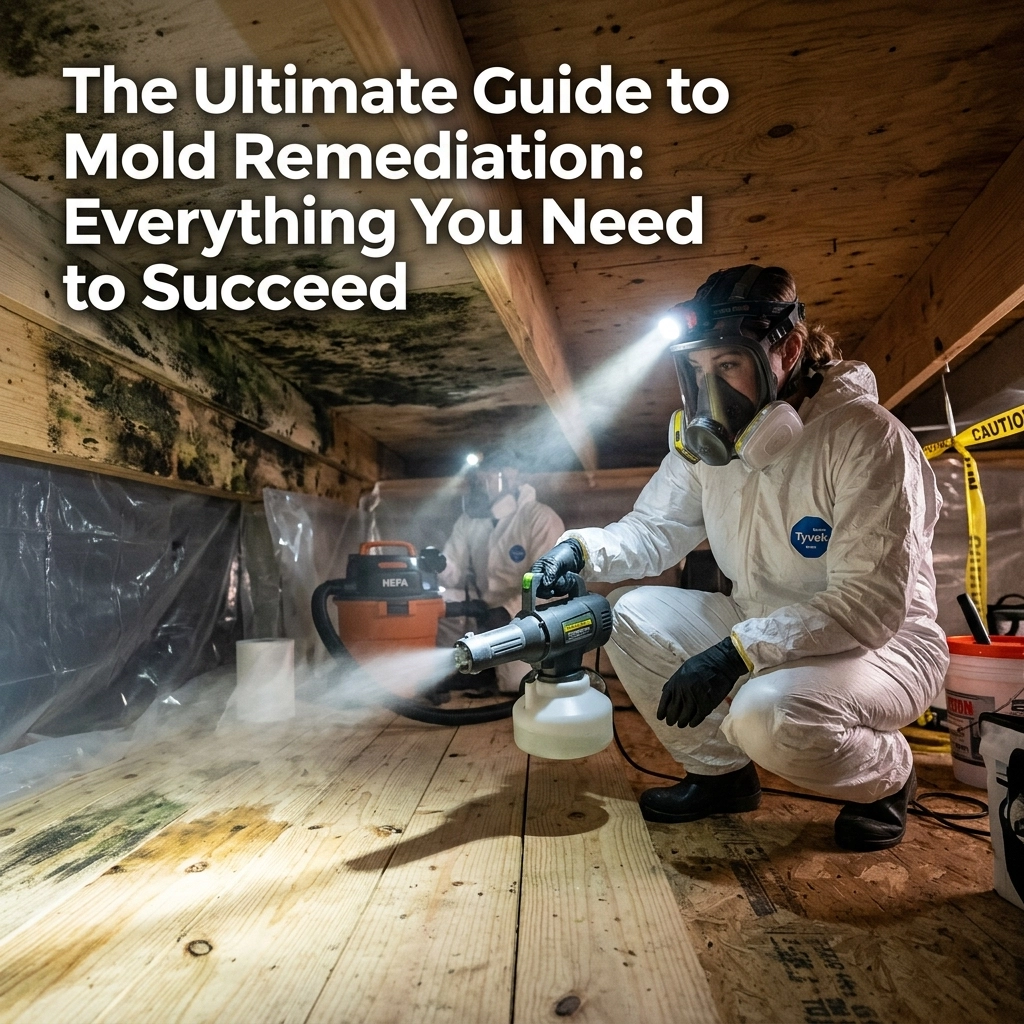
The biggest mistake you can make is thinking, "I'll deal with this tomorrow." When it comes to water, time is your absolute worst enemy. Within just 24 to 48 hours, mold spores can begin to colonize. Once mold starts growing, you aren't just looking at a drying job anymore; you're looking at a professional mold remediation project.
Aside from mold, the longer water sits, the more it ruins the structural integrity of your home. Drywall acts like a sponge, soaking up water and crumbling. Wood floors can warp and cup, and subfloors can rot.
The Fix: Act the second you see a problem. Even if it’s a holiday or the middle of the night, don't wait. Stop the water source and start the extraction process immediately. If you can’t get it dry within a few hours, it’s time to call in the pros.
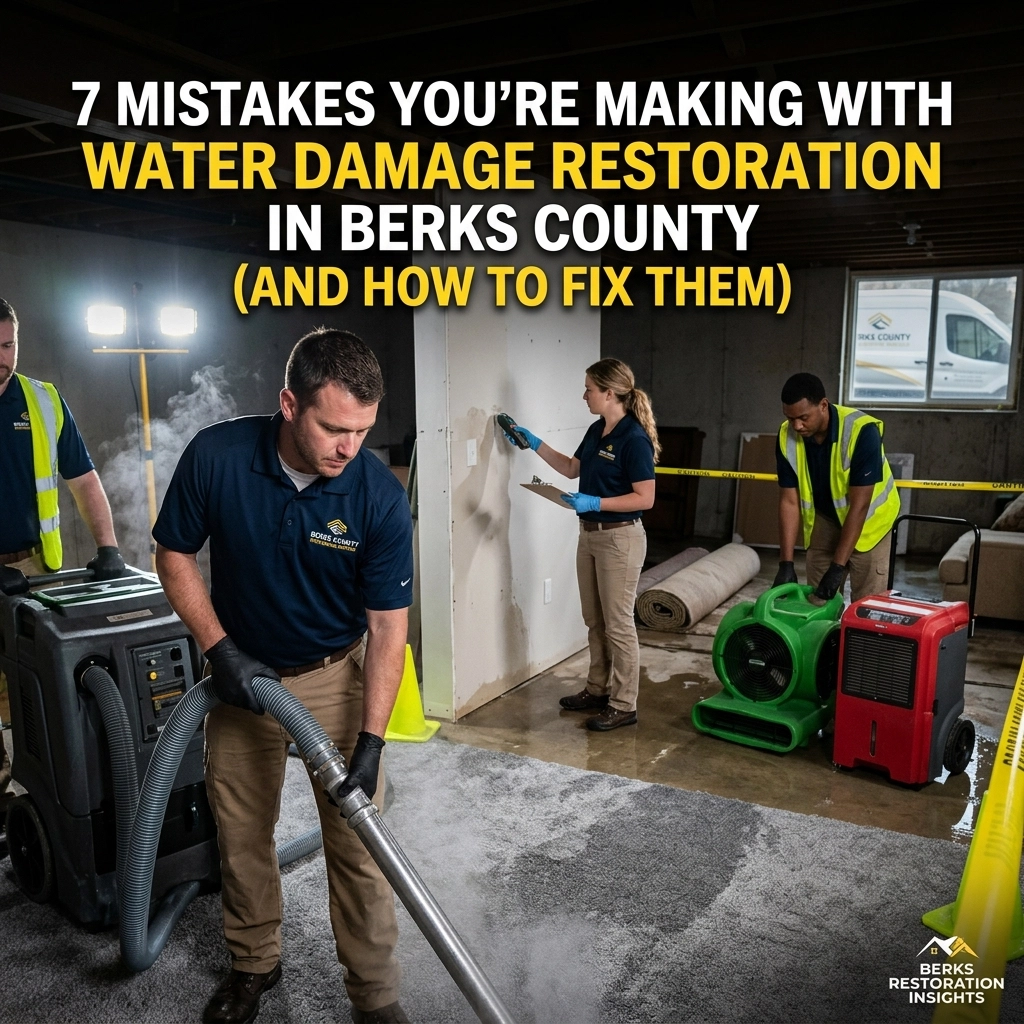
We love a good DIY spirit, but a household vacuum and a few box fans from the garage aren't going to cut it for a major leak. Household fans move air across the surface, but they don't have the power to pull moisture out of the materials themselves.
If you leave moisture deep inside your walls or under your carpets, you’re just inviting a musty smell that won't go away. This is also where carpet cleaning becomes complicated; if the padding underneath is wet, cleaning the top layer of the carpet won't solve the underlying dampness.

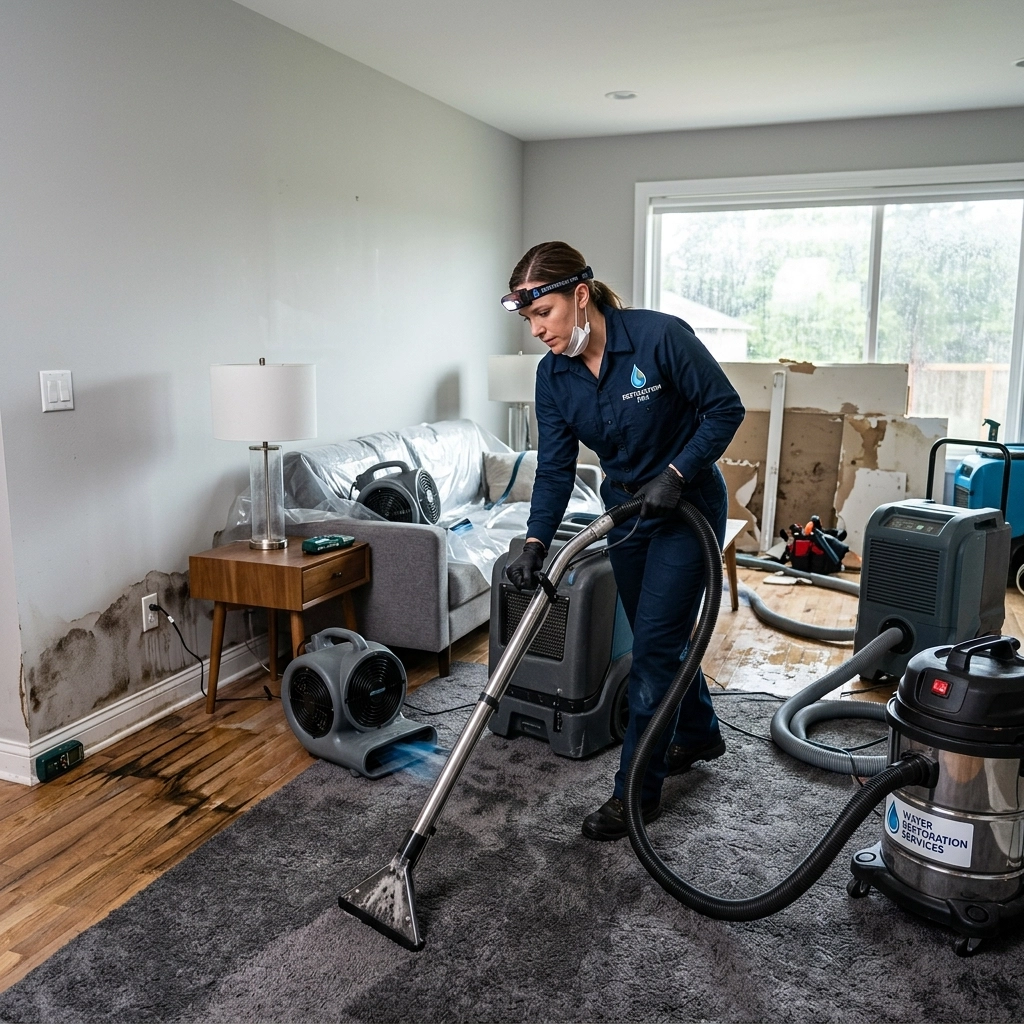
The Fix: You need industrial-grade equipment. Professional water damage restoration teams use high-speed air movers and LGR (Low Grain Refrigerant) dehumidifiers that can pull gallons of water out of the air and the structure of your home. Using moisture meters is also vital to make sure things are actually dry, not just "dry to the touch."
Just because you can't see the water anymore doesn't mean it’s gone. Water follows the path of least resistance. It flows behind baseboards, under laminate flooring, and into the insulation inside your walls.
If you only dry the surface, the trapped water will slowly rot your wall studs and floor joists. We often get calls for mold remediation weeks after a leak because the homeowner thought they had dried everything up, but the "hidden" water had been growing a mold colony inside the wall the whole time.
The Fix: Use tech to your advantage. Professionals use infrared cameras and moisture probes to "see" through walls and floors. If you're doing it yourself, you need to be prepared to pull up baseboards and check the insulation. If the insulation is wet, it almost always has to be replaced.
It sounds obvious, right? But you’d be surprised how often people start the water damage restoration process while the leak is still active. Maybe the pipe is only "dripping a little," or they think a patch of duct tape will hold.
If you don't find and fix the source, you’re just pouring money down the drain (literally). This is especially true for roof leaks or faulty appliances. If your dishwasher is leaking, don't just mop the floor: pull the unit out and find the cracked hose.
The Fix: Before you bring in the drying equipment, ensure the "water event" is over. Call a plumber to fix the burst pipe, or get a roofer to look at those missing shingles. Once the source is sealed, then: and only then: should you focus on the cleanup.
Water isn't always "clean." In the restoration world, we categorize water into three types:
If you’ve had a Category 2 or 3 leak, simply drying the area isn't enough. Bacteria, viruses, and parasites can live in your carpet and floorboards long after the water is gone. Even Category 1 water can become Category 3 if it sits for a few days and starts growing bacteria.

The Fix: Sanitization is key. You need to use antimicrobial treatments to kill any lingering pathogens. This is also a great time to look into carpet cleaning and air duct cleaning. If contaminated water was present, your HVAC system could have pulled in spores or odors, spreading them throughout the house. A professional deep clean ensures your home is actually safe to live in.
When people are in a rush to dry their homes, they often turn up the furnace or bring in space heaters. It seems logical: heat evaporates water, right? While that’s true, localized, high-intensity heat can do more harm than good.
Extreme heat can cause wood to crack, adhesives in your flooring to fail, and materials like leather or fine fabrics to shrink. Even worse, if you heat up a damp room without proper dehumidification, you’re basically creating a sauna: the perfect environment for mold to thrive.
The Fix: The goal is balanced drying. You need a combination of controlled temperature, high-volume airflow, and low humidity. Professional restorers aim for a specific "drying goal" by monitoring the relative humidity and the moisture content of materials daily.
We get it: hiring a professional feels like a big step. But water damage restoration is a science. There are structural issues to consider, electrical hazards to navigate, and long-term health risks like mold to prevent.
Oftentimes, a DIY job results in "secondary damage." This is damage that happens because the initial cleanup wasn't done correctly. You might save a few dollars today by not calling a pro, but you could end up paying thousands later for extensive mold remediation or structural repairs because a wall wasn't dried properly.

The Fix: Know when to call the "Hero." If the water came from a sewage backup, if it has been sitting for more than 24 hours, or if it has seeped into your walls and ceilings, you need professional help. At My Water Damage Hero, we have the tools and the training to make sure your home is returned to its pre-damage state: safely and quickly.
While we are talking about mistakes, many homeowners forget about their air quality. During a flood or a major leak, moisture enters the air and can get trapped in your ventilation system. This can lead to musty smells and even mold growth inside your vents.
As part of your recovery process, consider air duct cleaning. It ensures that the air circulating through your home is fresh and free of any particles that might have been stirred up during the restoration process. Similarly, if there was a fire involved, fire damage restoration always includes a deep dive into the HVAC system to remove soot and smoke odors.
Water damage is a major headache, but it doesn’t have to be a disaster. By avoiding these seven common mistakes, you can protect your home’s value and your family’s health.
Remember:
Whether you need a simple carpet cleaning after a small spill or a full-scale water damage restoration and mold remediation plan, My Water Damage Hero is here to help. We make the process simple, clear, and as stress-free as possible.
Stay dry, and remember: your home is your castle. Let’s keep it that way!
Contact us for quick, trusted restoration.
See how we’ve turned tough situations into success stories.

