
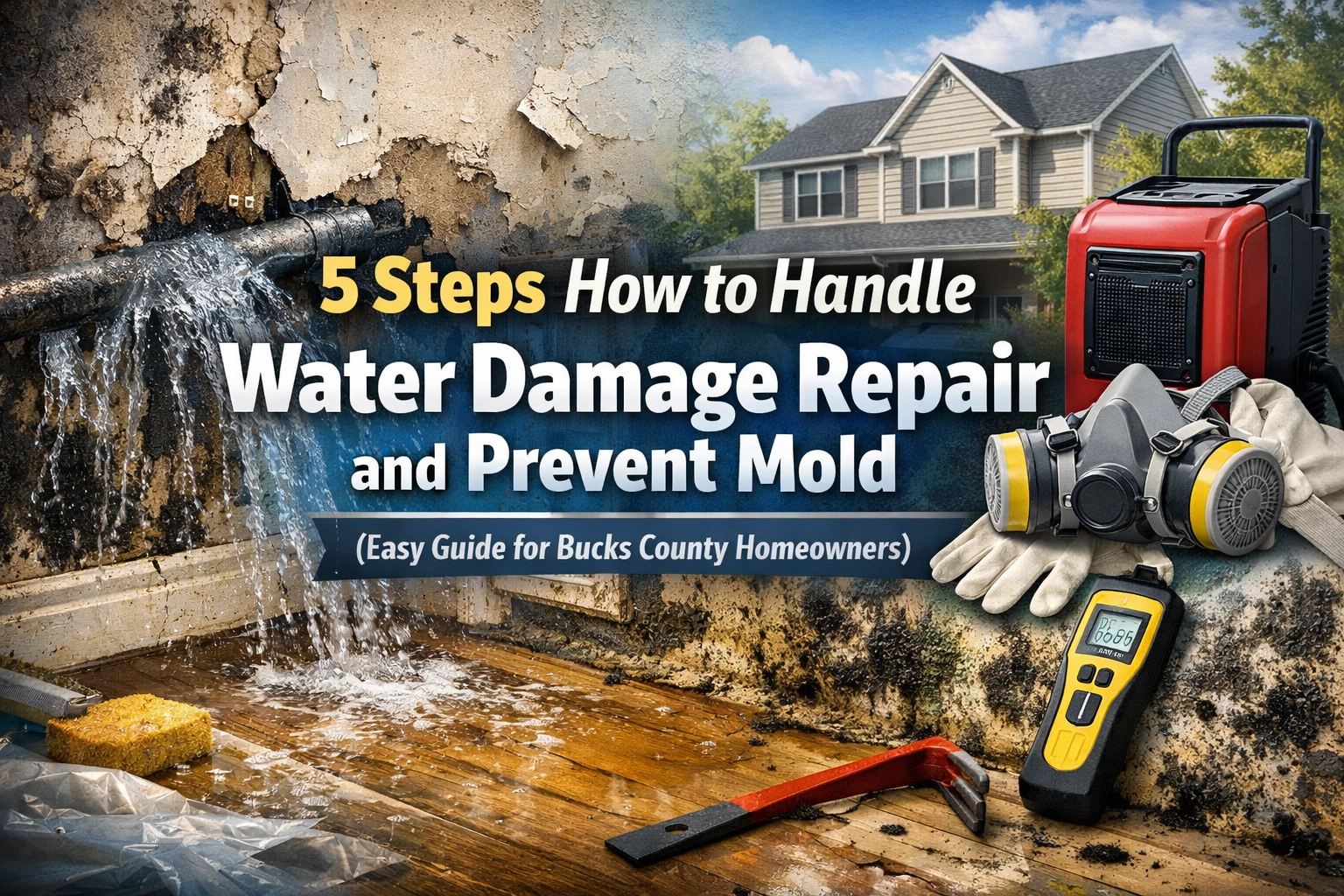
Hey there, Bucks County! If you’re reading this, you might be standing in a few inches of water, or maybe you just discovered a damp patch on your ceiling that definitely wasn't there yesterday. First off: take a deep breath. We know how stressful this is. Whether you’re in Doylestown, Levittown, or anywhere in between, water damage is one of those homeownership "surprises" nobody wants.
At My Water Damage Hero, we see this every day. From burst pipes in the middle of a freezing Pennsylvania winter to flash floods during a summer thunderstorm, water damage restoration is what we live and breathe. But before you call in the pros, there are some critical steps you can take to protect your home and, more importantly, prevent a nasty mold situation from taking root.
Here is our easy, 5-step guide to handling water damage and keeping your home healthy.
Before you even think about grabbing a mop, you need to make sure you’re safe. Water and electricity are a deadly combo. If you can safely reach your breaker box without standing in water, turn off the power to the affected areas. If the water source is a burst pipe, find your main water shut-off valve and twist it tight.
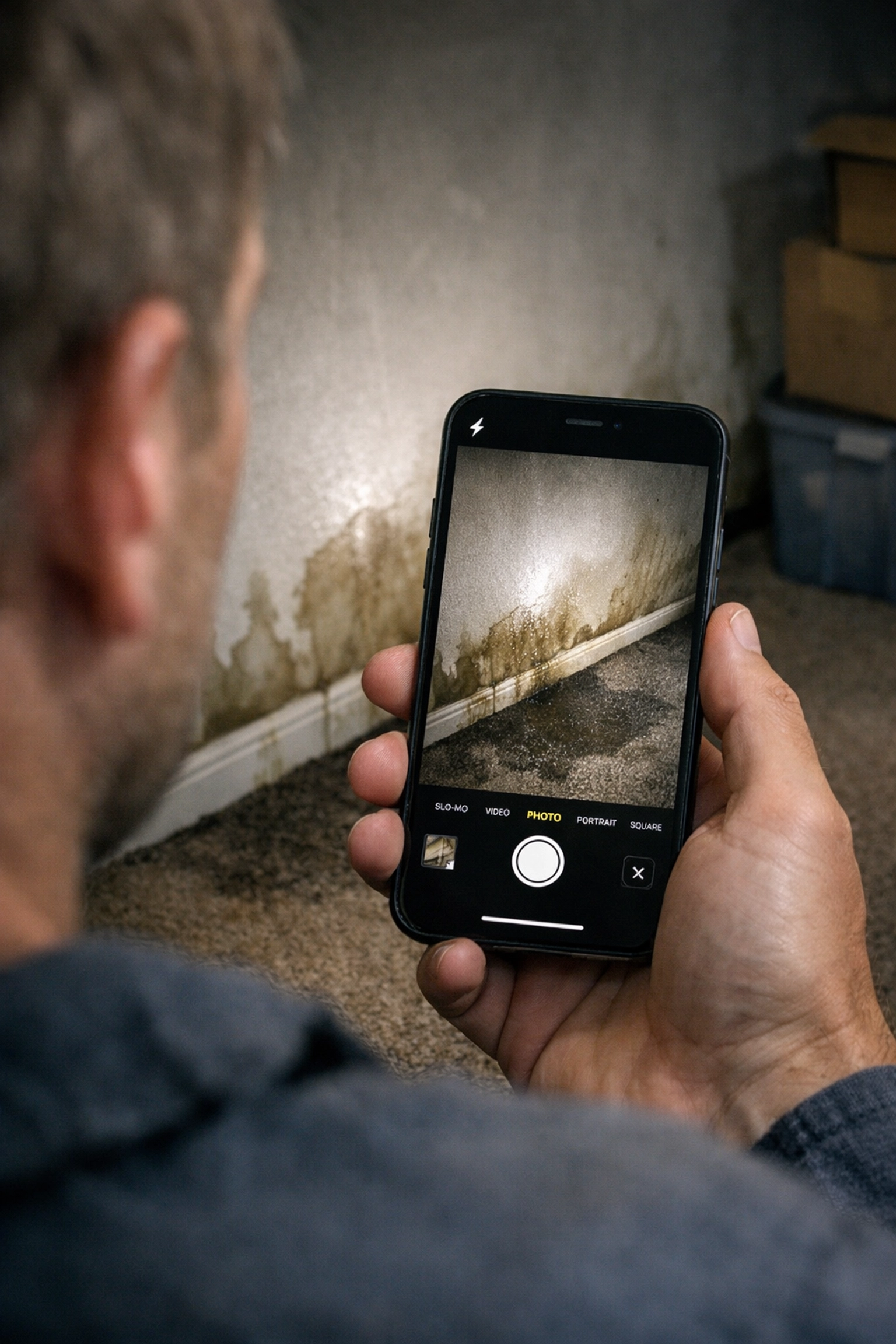
Once the immediate danger is handled, it’s time to become a photographer. You might want to start cleaning right away, but stop! Your insurance company needs a clear "before" picture.
Documentation is the backbone of any successful insurance claim. Use your phone to take clear photos and videos of everything:
Create a list of everything that’s been touched by water. This helps us and your insurance adjuster understand the full scope of the water damage restoration needed.
Time is your biggest enemy when it comes to water damage. The longer water sits on your hardwood, carpets, or subflooring, the more damage it does. After 24 to 48 hours, you’re no longer just dealing with a "wet house": you’re looking at a mold remediation project.
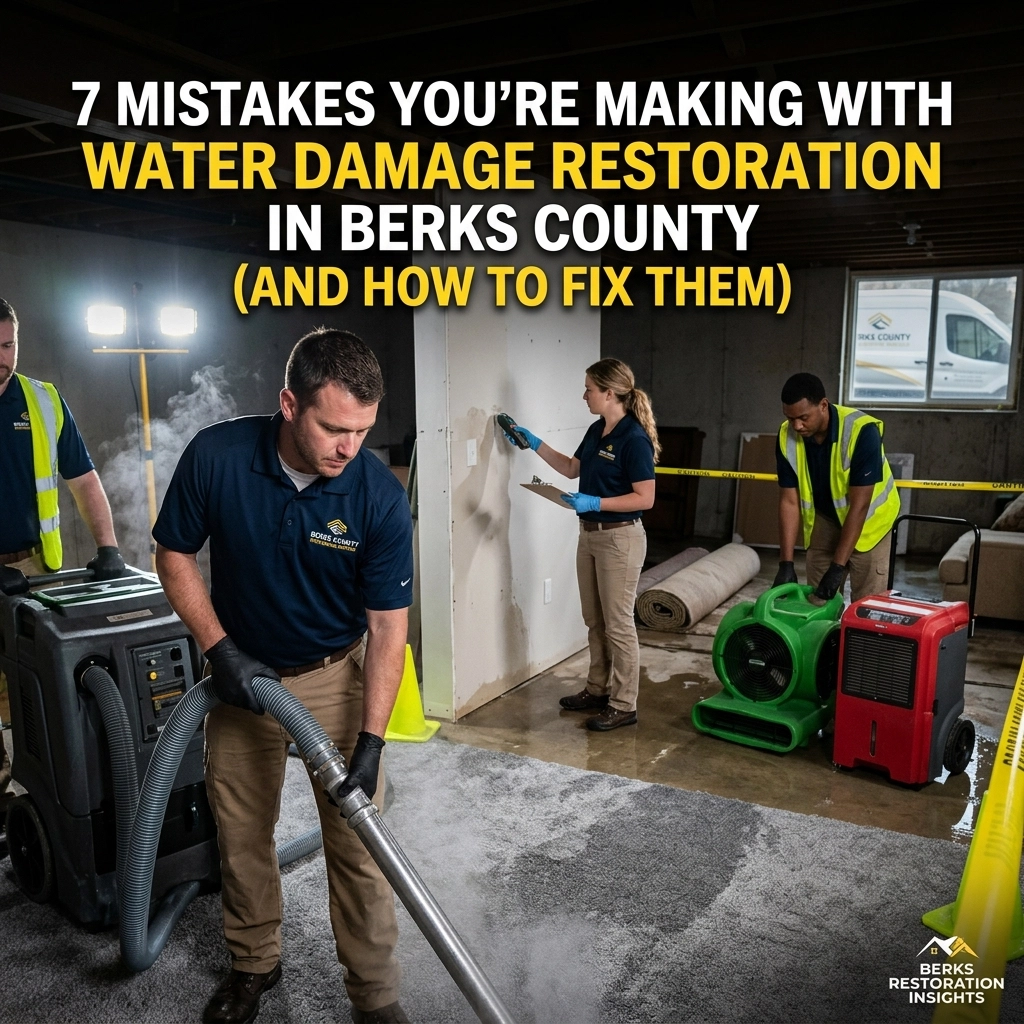
If the flooding is minor, a high-quality wet/dry vacuum can do wonders. However, if you’re looking at an inch of water across your entire basement, you’ll need something beefier. Professional-grade submersible pumps are often necessary to move thousands of gallons quickly.
If you don't have this equipment on hand, this is the moment most Bucks County homeowners give us a call. We have the heavy-duty industrial extractors that pull water out of carpet padding and deep into floorboards that a standard shop-vac just can’t reach.
Just because you can’t see water anymore doesn't mean your home is dry. Water is sneaky. It loves to hide behind baseboards, inside drywall, and under your beautiful laminate flooring.
This is the stage where "casual" DIY-ing can lead to long-term structural issues. To truly dry a home, you need to manage three things: air movement, temperature, and humidity.
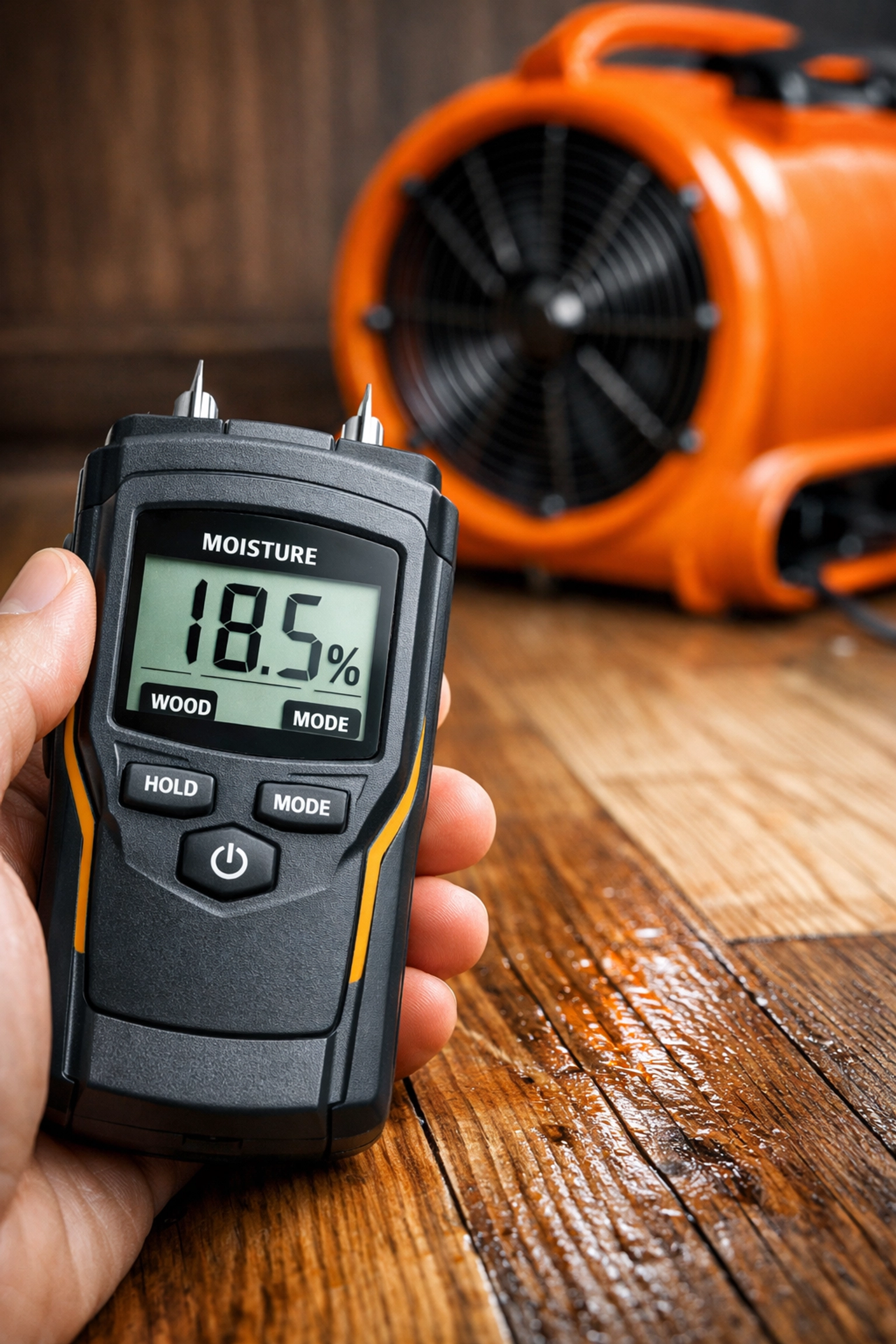
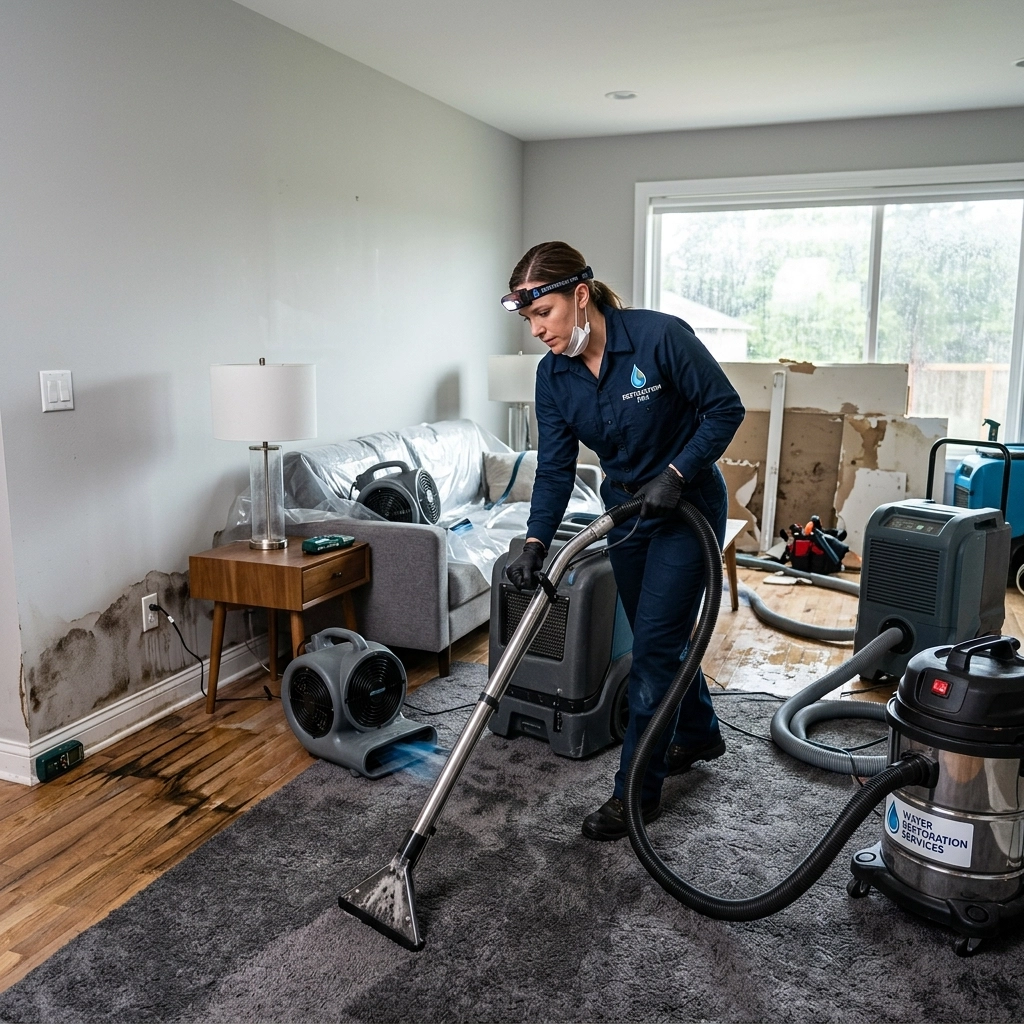
At My Water Damage Hero, we use moisture meters and infrared thermal cameras to find "hidden" wet spots. If you’re doing this yourself, rent industrial-strength air movers (high-powered fans) and a large-capacity dehumidifier. Standard house fans won't cut it here; they just move the damp air around. You want to pull the moisture out of the materials and into the air, where the dehumidifier can grab it.
Pro Tip: If you’ve recently had a kitchen fire, remember that fire damage restoration often involves significant water damage too, because of the water used to put out the flames. The drying process is just as vital in those cases!
This is the most important step for your health. Water: especially if it came from a backed-up sewer or an outdoor flood: is often "grey" or "black" water, meaning it’s full of bacteria and contaminants.
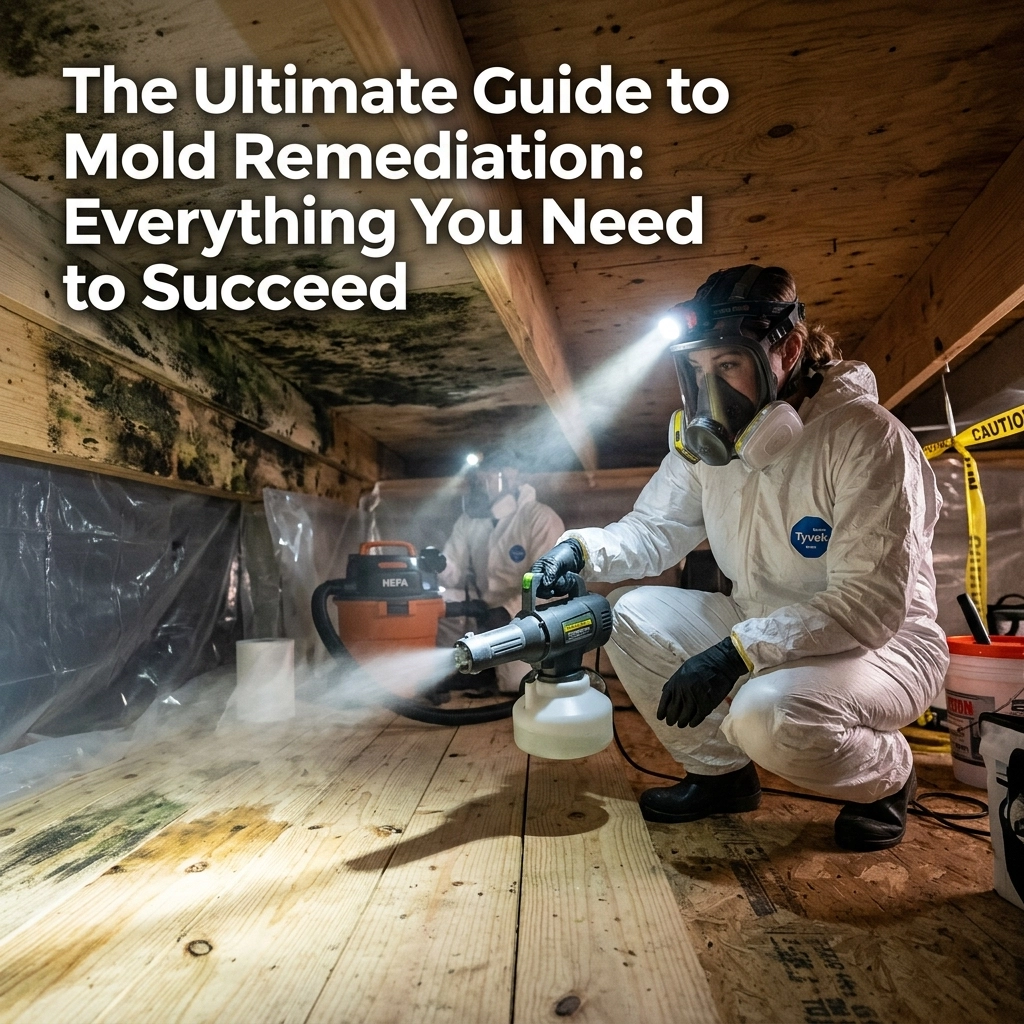
Mold spores are everywhere, but they need moisture to grow. Once they get a foothold in your wet drywall or insulation, they can spread through your HVAC system in no time.
Don’t forget about your rugs and carpets! Professional carpet cleaning using hot water extraction can often save high-quality carpets that haven't been sitting in water for too long, but they must be sanitized properly to prevent odors and mold.
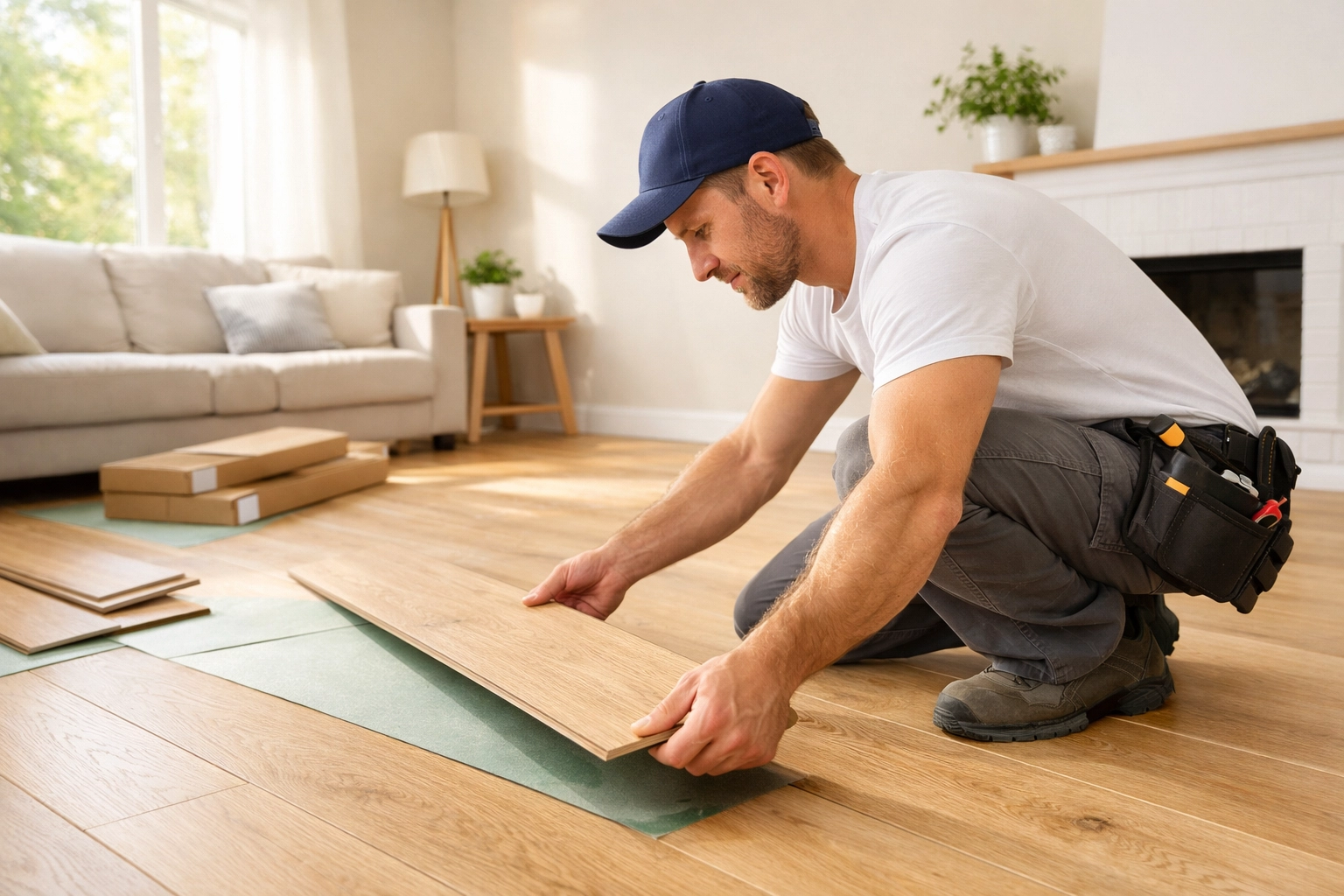
Once everything is bone-dry and sanitized (verified by a moisture meter!), you can finally start the "pretty" part of the job: restoration.
We know that your home is your castle. Whether you live in a historic farmhouse in Buckingham or a modern townhome in Bensalem, water damage feels like a violation of your safe space.
While these five steps are a great guide for handling minor issues, major flooding is a different beast. Professional water damage restoration ensures that the structural integrity of your home is preserved and that you won't be dealing with a hidden mold infestation six months down the road.
Beyond just the water, we’re here for the full lifecycle of home maintenance.
Water damage is a race against the clock. The faster you act, the less it will cost and the safer your home will be. Remember: Safety, Documentation, Extraction, Drying, and Sanitizing.
If the job feels too big, or if you just want the peace of mind that comes with professional verification, give us a call at My Water Damage Hero. We’re your neighbors, and we’re here to help you get your home back to normal as quickly and simply as possible.
Stay dry, Bucks County!

Contact us for quick, trusted restoration.
See how we’ve turned tough situations into success stories.

