
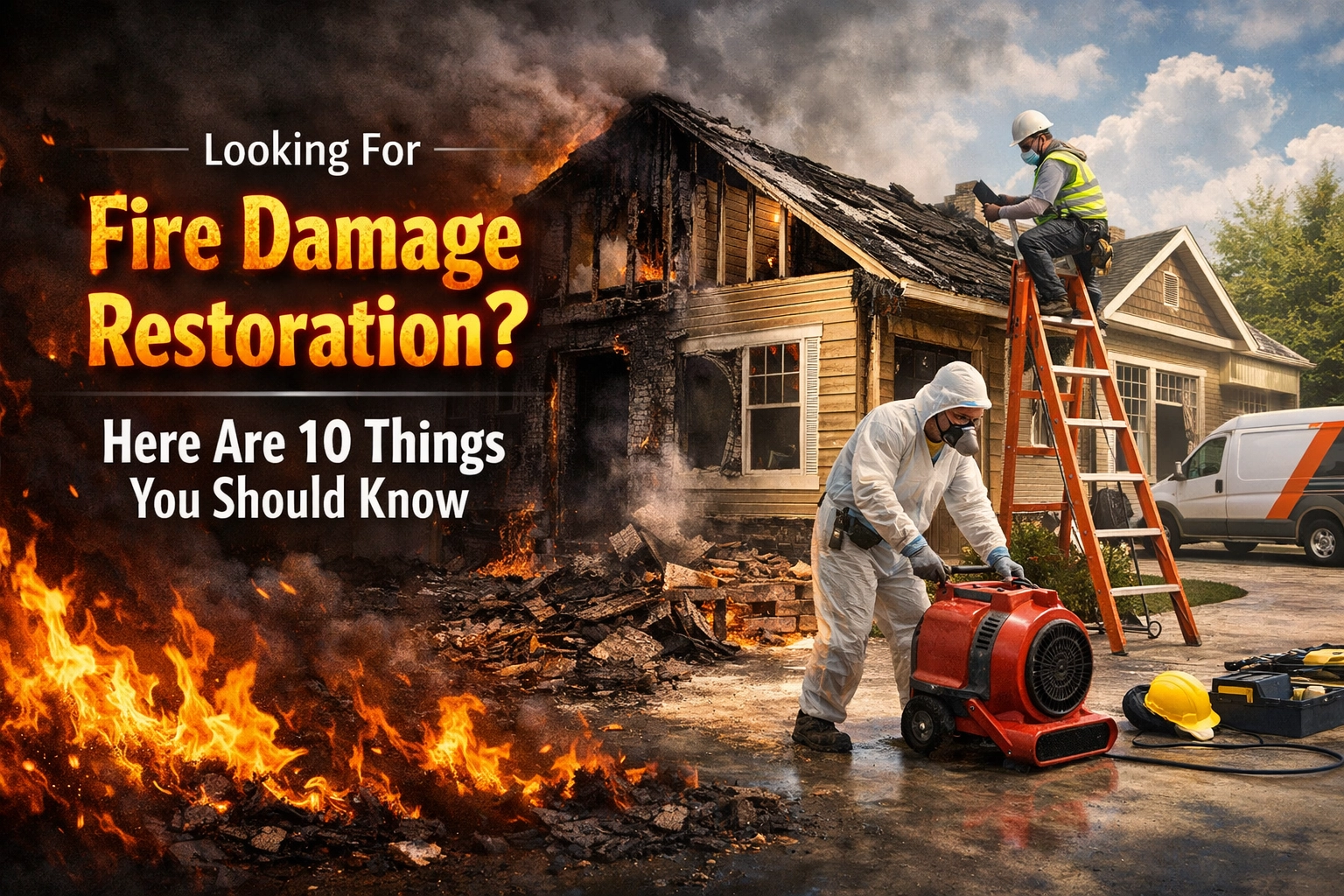
If you’re reading this, you’ve likely just been through a nightmare. Having a fire in your home or business is one of the most stressful things a person can go through. Once the fire trucks leave and the smoke clears, you’re left looking at a mess that feels impossible to fix.
But here’s the good news: it is fixable. At My Water Damage Hero, we’ve seen it all, and we know that the road to recovery starts with the right information. Fire damage restoration isn't just about grabbing a scrub brush and some soap; it’s a complex process that involves chemistry, construction, and a lot of specialized equipment.
To help you navigate this tough time, we’ve put together a list of 10 things you really need to know about the restoration process. Let’s dive in.
You might want to jump in and start throwing away charred furniture right away, but fire damage restoration is a marathon, not a sprint. It follows a structured sequence that ensures your home is safe and clean from top to bottom.
Usually, it looks like this:
If you skip a step: like failing to dry out the water before starting repairs: you’re just asking for future problems like rot or the need for professional mold remediation.
When a fire happens, the "fire" is actually only part of the problem. A restoration team has to tackle three distinct issues, and each one needs its own special touch.
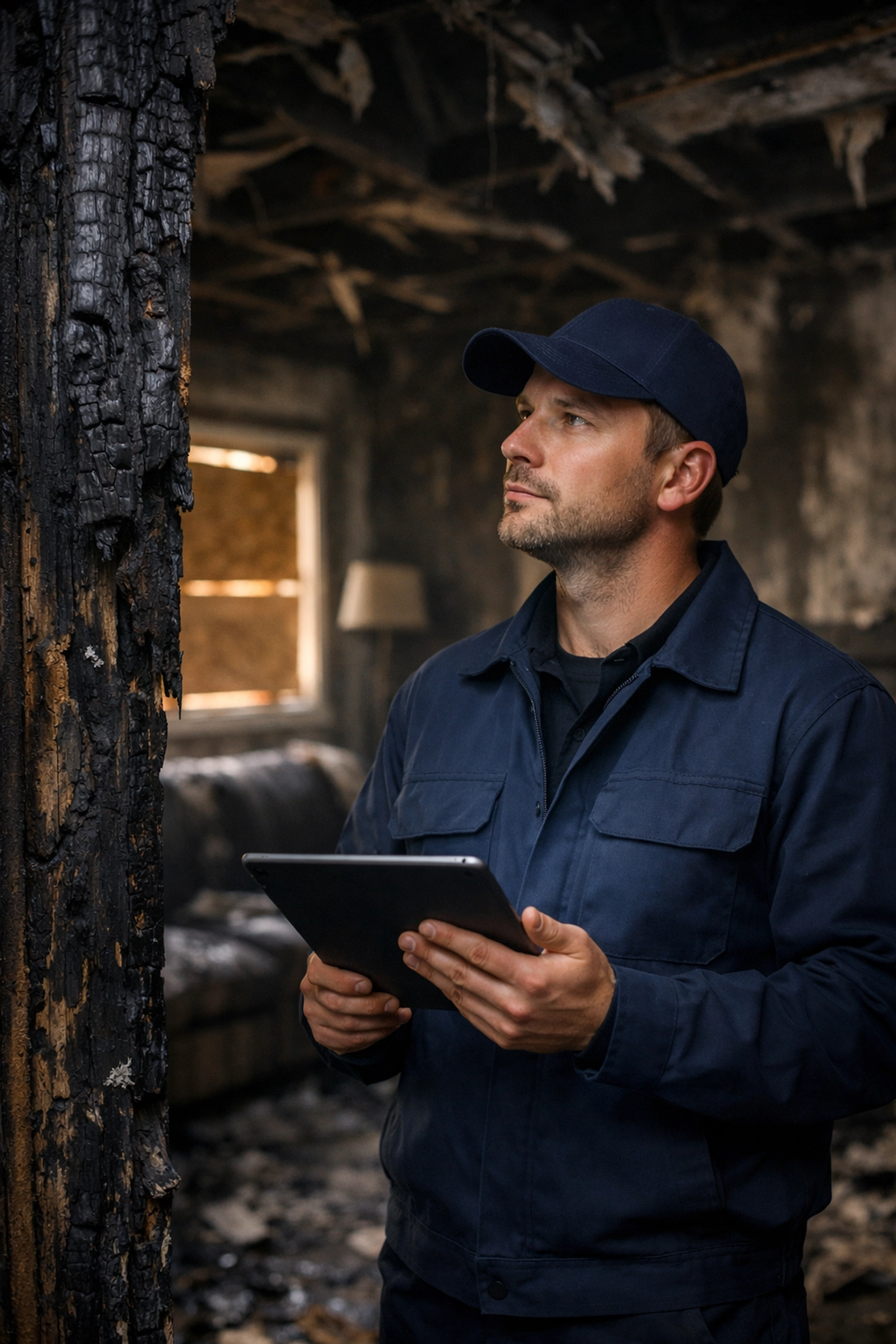
Before anyone lifts a hammer, a comprehensive assessment is critical. This isn't just a quick walkthrough; it’s a deep dive into the health of your home.
The experts will check if the foundation is still solid, if the electrical system is fried, and how far the smoke traveled. This assessment helps set your budget and, more importantly, your timeline. It also provides the documentation your insurance company will need to process your claim. Don't rush this part: getting an accurate estimate now saves you from "surprise" costs later.
A house that has been through a fire is vulnerable. There might be holes in the roof or broken windows. Not only can rain get in and cause more damage, but it’s also an invitation for intruders or curious animals.
Professional restoration teams will immediately perform an "emergency board-up." They’ll use plywood to cover windows and doors and heavy-duty tarps to cover the roof. If the structure is wobbly, they might even install temporary bracing to make sure the house doesn't collapse while they’re working.
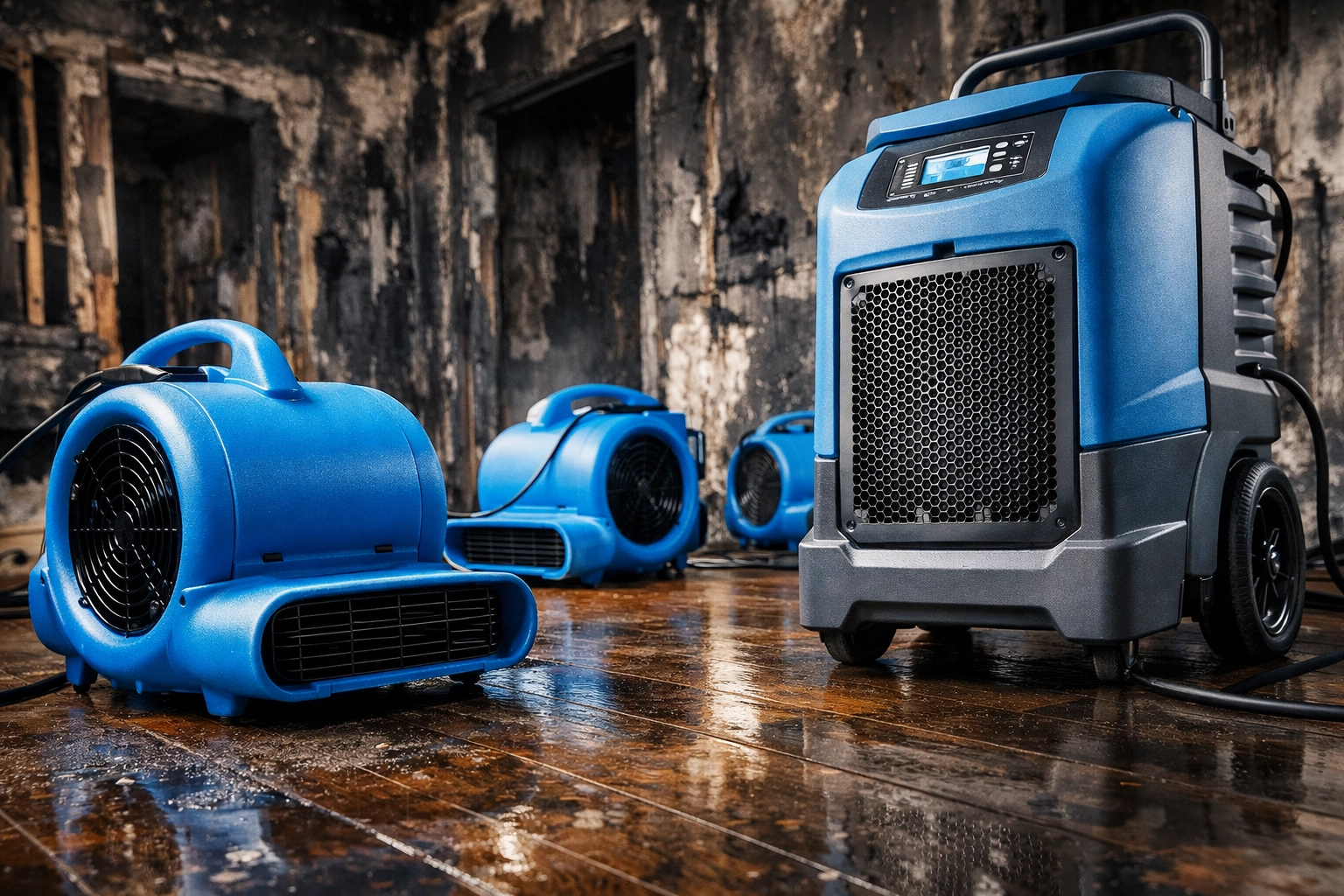
It’s a bit ironic, isn't it? You had a fire, but now your house is flooded. Because the volume of water used to kill the flames is so high, the moisture levels in your home will skyrocket.
Standing water needs to be pumped out with industrial extractors. After that, we use commercial-grade dehumidifiers and high-speed air movers to get the moisture out of the drywall and subfloors. If this isn't done within the first 24 to 48 hours, you’ll likely end up needing mold remediation on top of everything else. Mold loves damp, dark, warm environments: which is exactly what a fire-damaged home provides.
You can't just wipe away soot with a damp rag. In fact, if you try, you’ll probably just smear it and stain the surface permanently. Soot is greasy and acidic.
Professionals use HEPA-filter vacuums to suck up loose particles without blowing them back into the air. To get rid of that "burnt" smell, we often use ozone machines or thermal fogging. These technologies change the chemical structure of the odor molecules so they literally disappear.
This is also a great time to think about air duct cleaning. Smoke gets pulled into your HVAC system and settles in the vents. If you don't do a thorough air duct cleaning, every time you turn on your AC, you’ll be blowing old smoke particles back into your clean house.
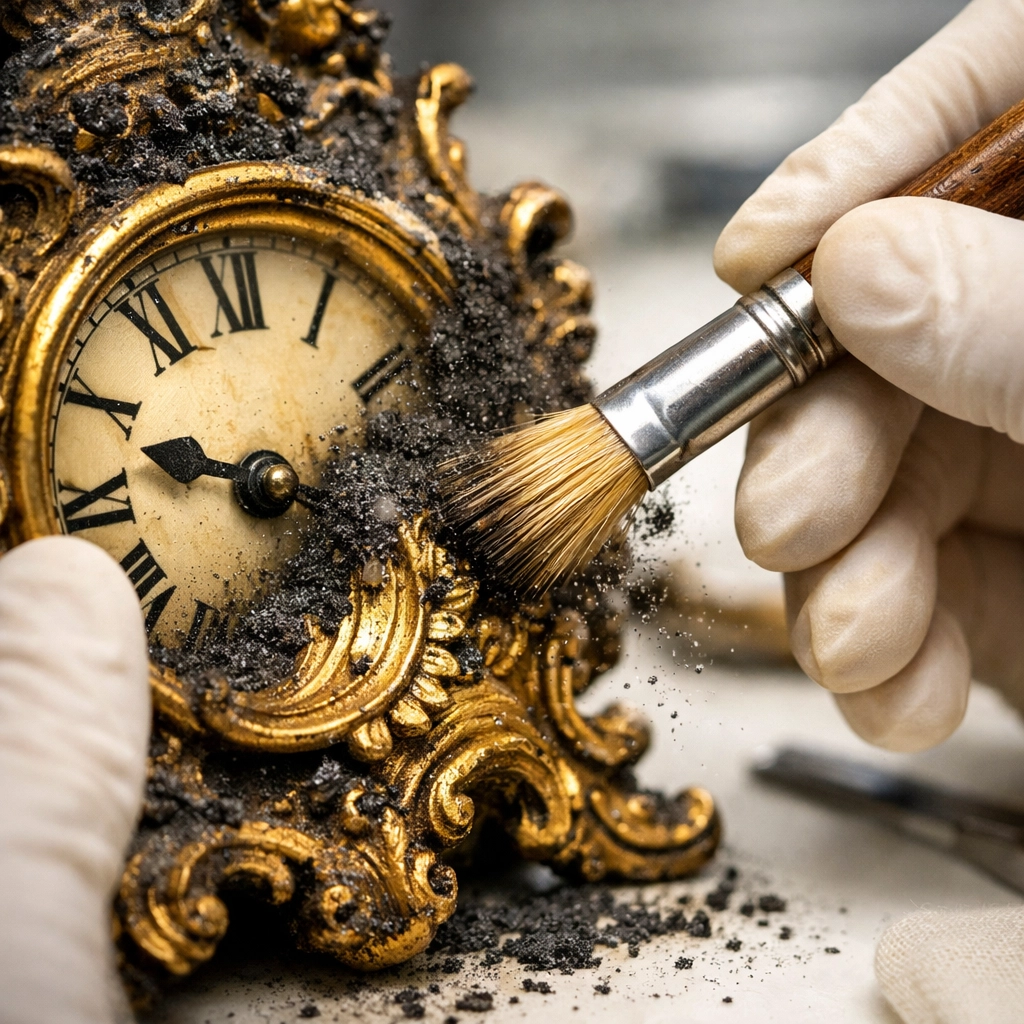
Many people think that if a couch smells like smoke, it’s trash. That’s not always true! Professional restoration involves "content cleaning."
Once the "cleaning" is done, the "building" begins. But you can't put up new drywall if the studs are weak.
The restoration team will start with the foundation and the "bones" of the house. They’ll replace charred floor joists and wall studs. Once the structure is sound, they’ll move on to the roof, then the insulation and vapor barriers, and finally the finishes like paint and flooring. It’s a bit like building a house from the inside out.
We love a good DIY project as much as the next person, but fire restoration is dangerous. Fires can release toxic chemicals from burned plastics and synthetic materials. If your home was built before the 1980s, the fire may have also disturbed asbestos or lead paint.
Professionals have the training to handle hazardous materials and the protective gear (like respirators) to keep themselves safe. Plus, a pro will catch things you might miss: like hidden pockets of moisture that lead to mold or structural beams that are "alligatoring" (a sign of deep charring that weakens the wood).
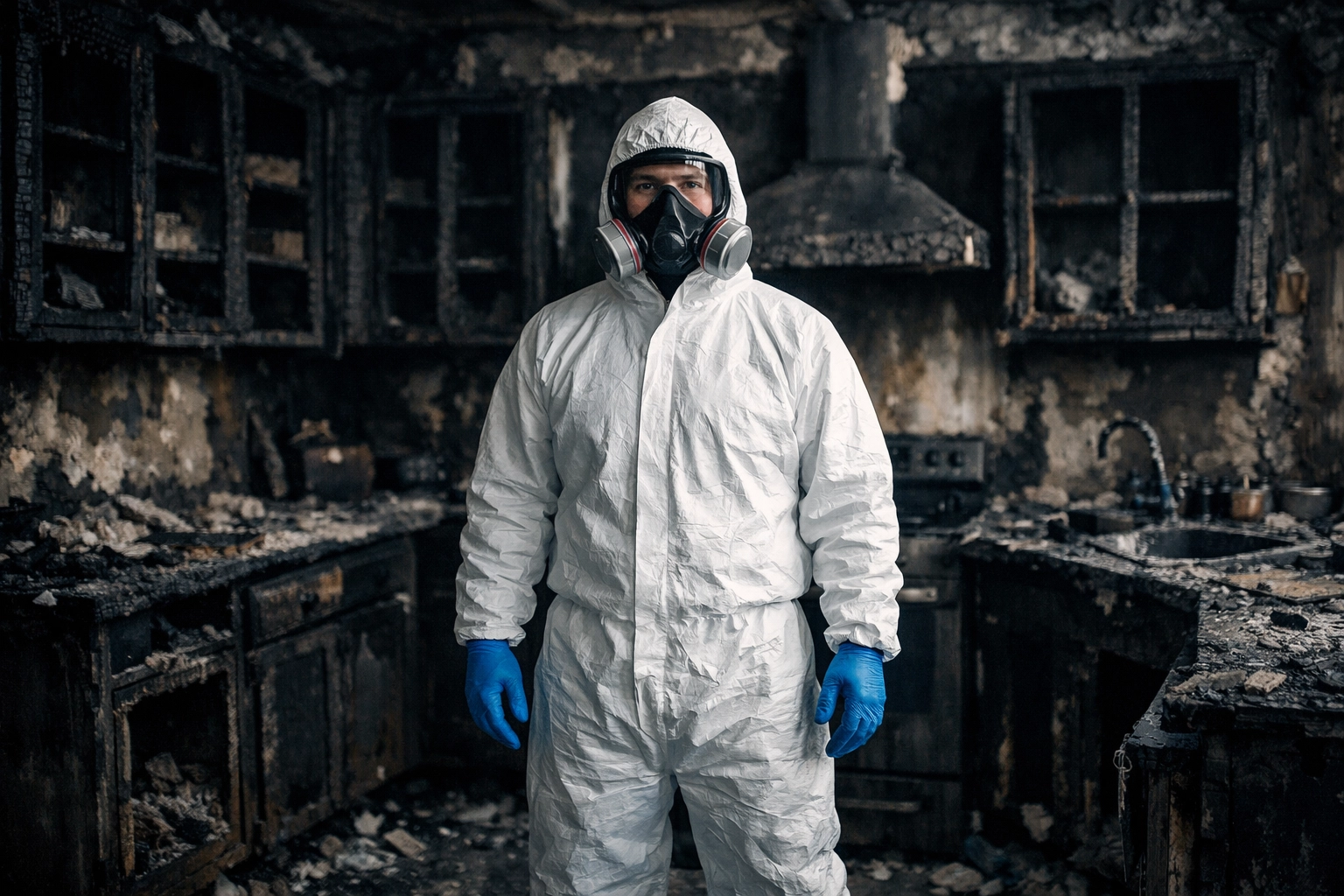
We wish we could tell you that your home will be back to normal in a week, but the reality is that fire damage restoration takes time.
A general rule of thumb:
The extent of the smoke and water damage usually determines how long you’ll be out of the house. Being patient is hard, but it’s better to have it done right the first time than to move back in and realize your house still smells like a campfire three months later.
If you’re facing the aftermath of a fire, don't feel like you have to do it alone. At My Water Damage Hero, we specialize in helping homeowners reclaim their space. Whether you need immediate water damage restoration, intense air duct cleaning, or a full-scale fire recovery plan, we’ve got your back.
Stay safe, take it one step at a time, and remember: your home will be a "home" again soon.
Contact us for quick, trusted restoration.
See how we’ve turned tough situations into success stories.

