
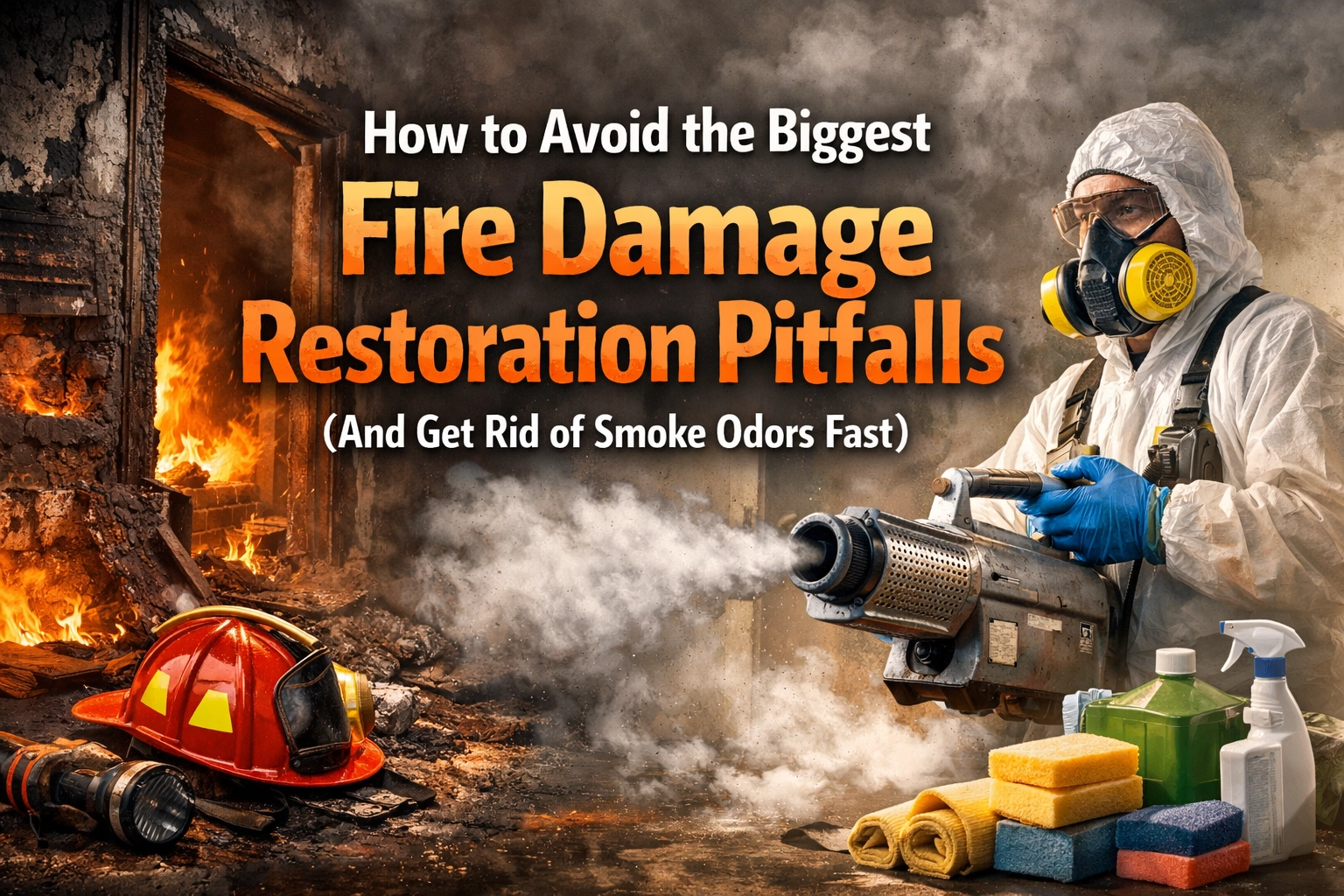
A house fire is one of the most traumatic things a homeowner can go through. Once the fire trucks pull away and the smoke clears, you’re left standing there looking at your home, wondering where to even begin. It’s overwhelming, it’s heartbreaking, and honestly, it’s a total mess.
The first instinct for most people is to jump right in and start cleaning. You want your life back to normal as quickly as possible, and that’s completely understandable. However, when it comes to fire damage restoration, moving too fast, or moving without a plan, can actually cause more damage than the fire itself.
At My Water Damage Hero, we’ve seen it all. We’ve seen DIY attempts that turned a small soot problem into a permanent stain, and we’ve seen homeowners wait too long, allowing mold to take over. To help you navigate this tough time, we’ve put together a guide on the biggest pitfalls to avoid and how to finally kick that lingering smoke smell out of your house.
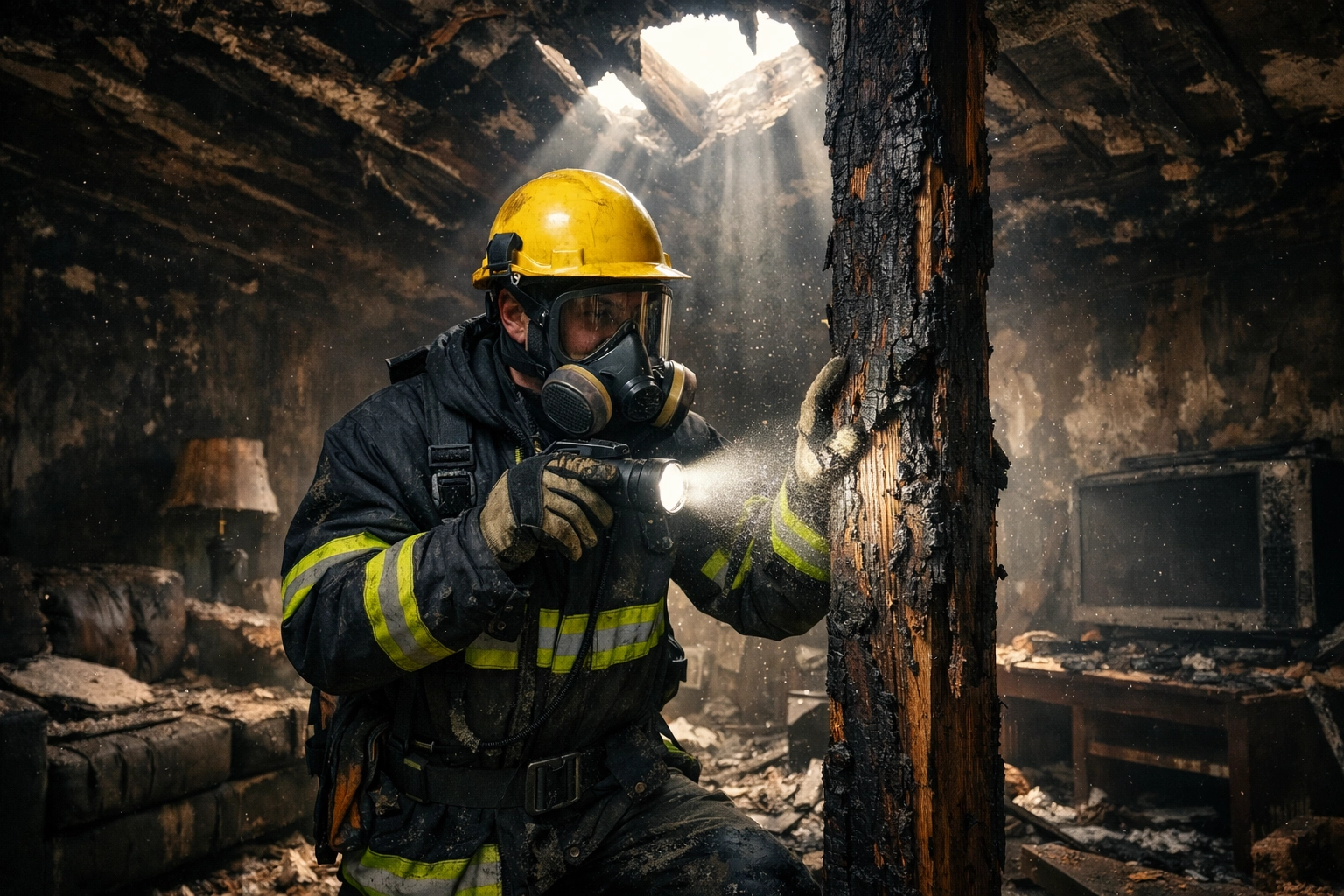
This is the big one. Even if the flames are out, the house might not be safe. Fire weakens floor joists, support beams, and roofing structures. You might think the floor looks solid, but fire can hollow out the wood underneath without you ever knowing it.
Beyond the structural stuff, there’s the air. Fire releases a cocktail of toxins from burning plastics, chemicals, and building materials. These particles stay in the air long after the smoke is gone. If you go in without proper respiratory gear, you’re breathing in things that can cause serious long-term health issues.
The Fix: Never enter a home until the fire marshal or a professional fire damage restoration expert has given you the green light. Safety isn't just about the absence of fire; it's about the stability of your home.
When you’re dealing with the shock of a fire, it’s tempting to take a few days to process everything. But while you’re waiting, the damage is getting worse by the hour.
Soot and ash are incredibly acidic. Within minutes of a fire, they start to discolor plastic and porous materials. Within hours, they can permanently stain grout and fiberglass. Within days, those acidic residues can actually corrode metal, including your appliances and electronic components.
Then there’s the water. Most fires are put out with thousands of gallons of water. If that water isn't extracted immediately, you’re looking at a secondary disaster: mold. Mold remediation becomes necessary very quickly, usually within 24 to 48 hours.
The Fix: Contact a pro immediately. At My Water Damage Hero, we know that every hour counts. Starting the water damage restoration and cleaning process right away can save thousands of dollars in furniture and electronics.
It looks like dust, right? You might think a vacuum and some soap and water will do the trick. Please, stop!
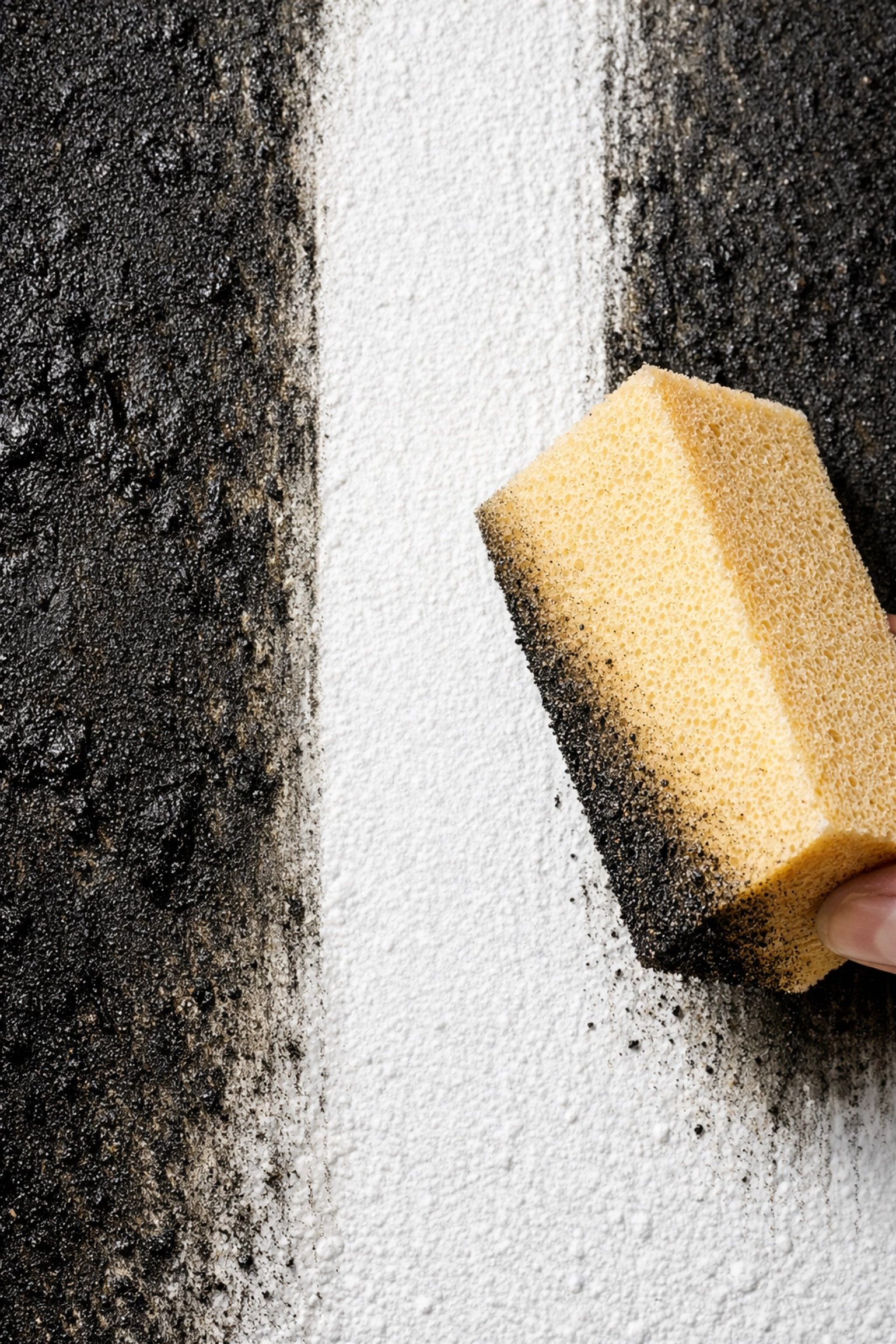
Soot is oily. If you try to wipe it off the wall with a regular sponge, you’re likely just going to smear it deeper into the paint or the drywall. Once soot is "smeared," it’s almost impossible to get out without sanding or replacing the material.
Also, household vacuums aren't built for this. A standard vacuum will just blow the tiny soot particles back out into the air through the exhaust, spreading the mess to rooms that weren't even affected by the fire.
The Fix: Professionals use HEPA vacuums and "dry sponges" specifically designed for soot removal. Let the experts handle the cleaning to ensure you don’t turn a smudge into a permanent mark.
It’s called "Fire Damage," but it’s often "Water Damage" that causes the most long-term headaches. The fire department’s job is to save the structure, and they do that with high-pressure hoses. By the time they leave, your carpets are soaked, your drywall is soggy, and your basement might be a swimming pool.
If you focus only on the charred items and ignore the dampness, you’re inviting a massive mold problem. Wet drywall loses its structural integrity, and damp insulation becomes completely useless.
The Fix: Comprehensive fire damage restoration always includes a heavy dose of water damage restoration. This involves professional-grade dehumidifiers, air movers, and moisture meters to ensure your home is bone-dry from the inside out.
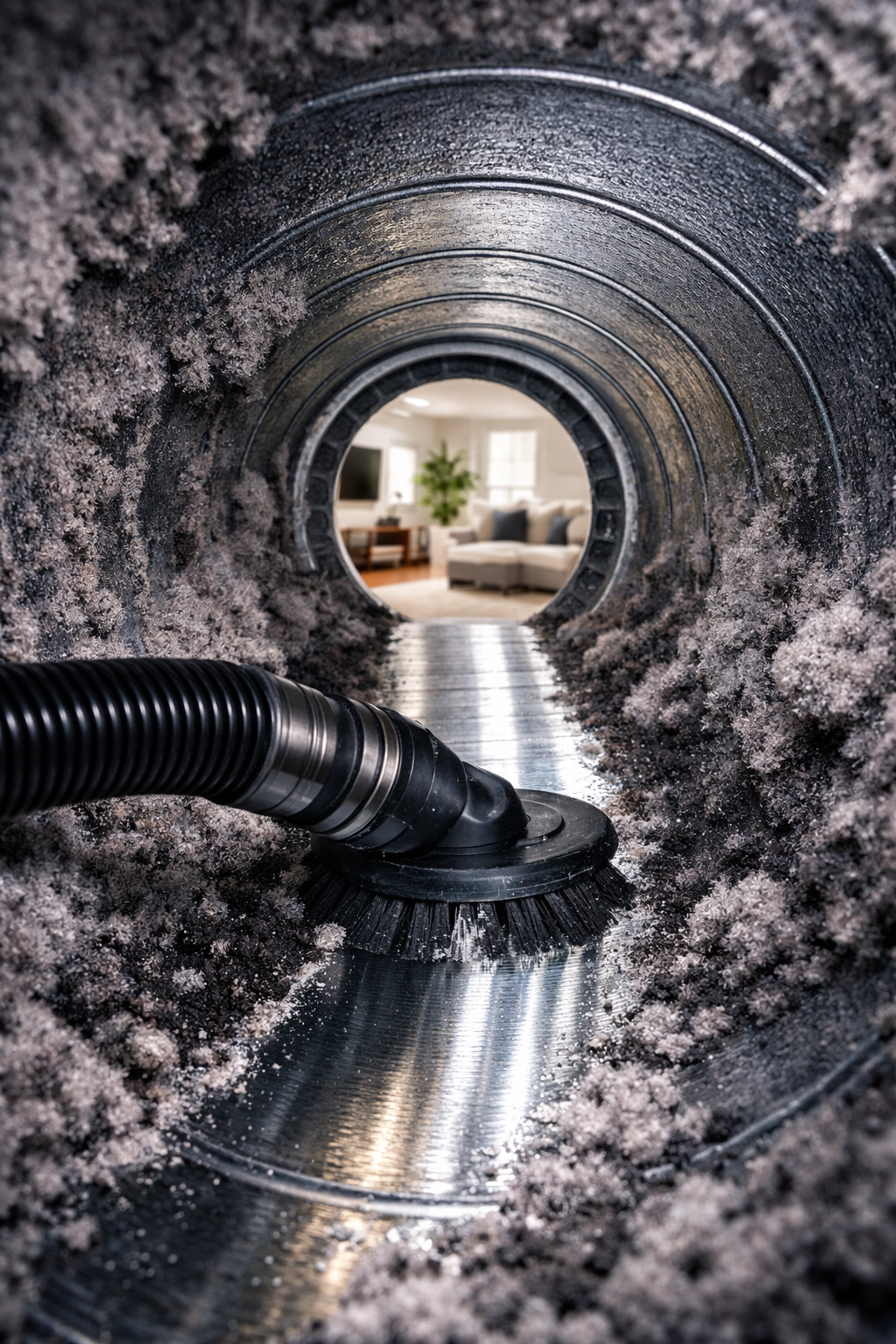
You’ve cleaned the walls, you’ve replaced the carpet, but every time you turn on the AC, it smells like a campfire. Why? Because smoke travels everywhere air can go. That includes your HVAC system and all your ductwork.
Soot particles settle inside the vents. If you don't perform a deep air duct cleaning, you’re just circulating smoke particles and toxins through your home every single day. This isn't just a smell issue; it’s a health issue.
The Fix: Make sure air duct cleaning is a line item in your restoration plan. It’s the only way to ensure the air you’re breathing is actually clean.
The smell of smoke is persistent. It’s not just "in the air": it’s trapped in the pores of your wood floors, the fibers of your curtains, and the padding under your carpet. Here’s how the pros actually get rid of it:
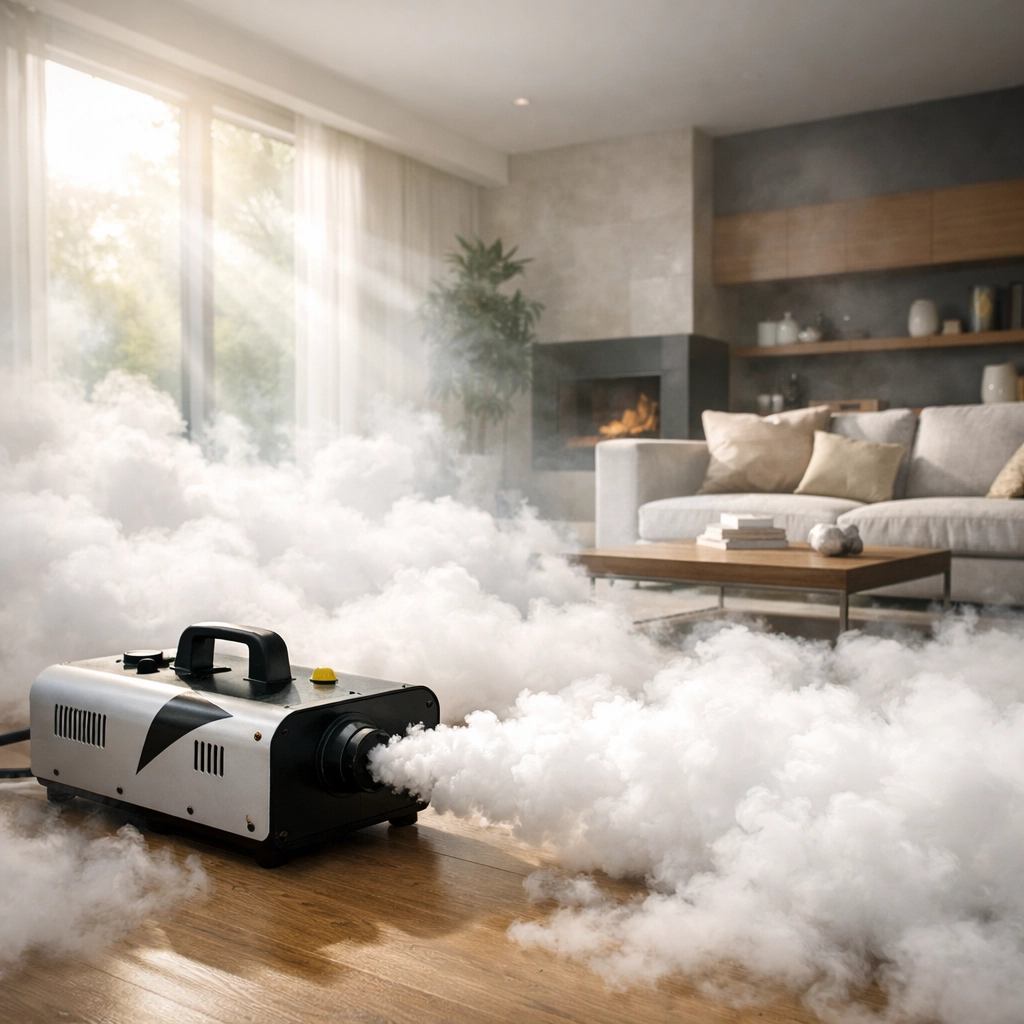
This process mimics the way fire moves. A "fog" of deodorizer is heated and released into the home. Because the particles are so small (just like smoke particles), they can penetrate the same deep cracks and pores that the smoke did, neutralizing the odor at its source.
Ozone generators create O3 molecules that interact with odor molecules. This chemical reaction breaks down the smoke smell rather than just masking it with a scent. Note: This has to be done in an empty house, as ozone isn't safe for people, pets, or plants to breathe.
Your carpet is like a giant filter. It has trapped thousands of tiny soot particles. Standard steam cleaning often isn't enough. A deep, professional carpet cleaning using specialized neutralizing agents is usually required to get the smell out of the fibers for good.
Pros will set up "air scrubbers" that stay on 24/7 during the restoration process. These machines pull in the air and pass it through a series of filters, including a charcoal filter, to strip out odors and particulates.
Here’s a secret that many homeowners don't realize: if you try to fix the damage yourself and you mess it up, your insurance company might refuse to pay for the professional fix.
For example, if you use the wrong chemical on your hardwood floors to clean soot and it ruins the finish, the insurance company might claim that you caused "additional damage" through negligence.
The Fix: Document everything. Take photos before anyone touches anything. Call your insurance company immediately, and then call a certified fire damage restoration company. We work directly with insurance adjusters to make sure the job is done to their standards, which helps ensure your claim gets approved without a hitch.
If you’re facing the aftermath of a fire, keep this checklist handy:
Dealing with fire damage is a marathon, not a sprint. It’s tempting to try and cut corners to save time or money, but in the world of building maintenance, cutting corners usually leads to bigger bills down the road.
If you’ve experienced a fire or have lingering smoke odors you just can't quit, reach out to us at My Water Damage Hero. We’re here to help you get your home: and your peace of mind: back to normal. Whether it’s fire damage restoration, carpet cleaning, or tackling a tough mold remediation job, we’ve got your back.
Contact us for quick, trusted restoration.
See how we’ve turned tough situations into success stories.

