
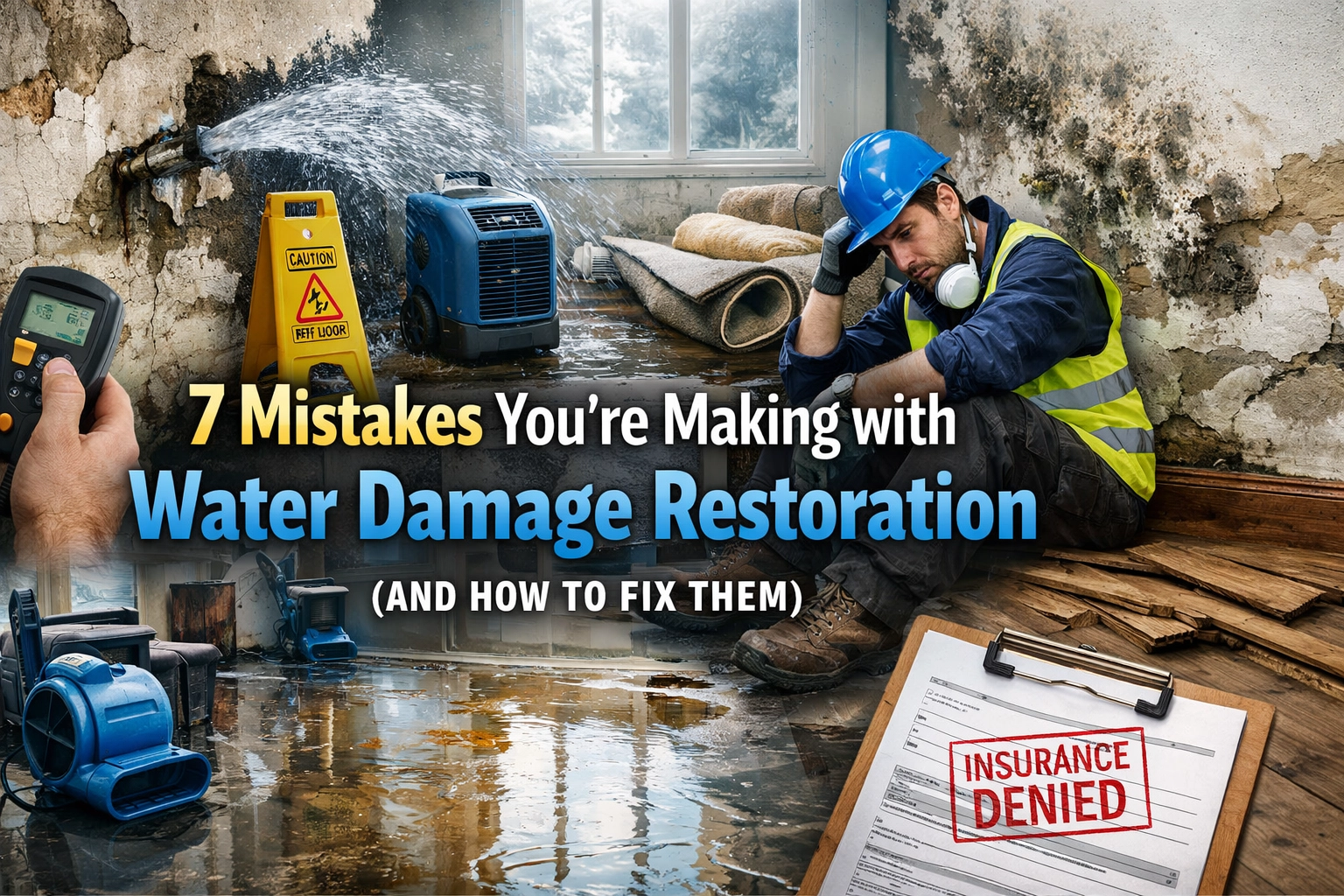
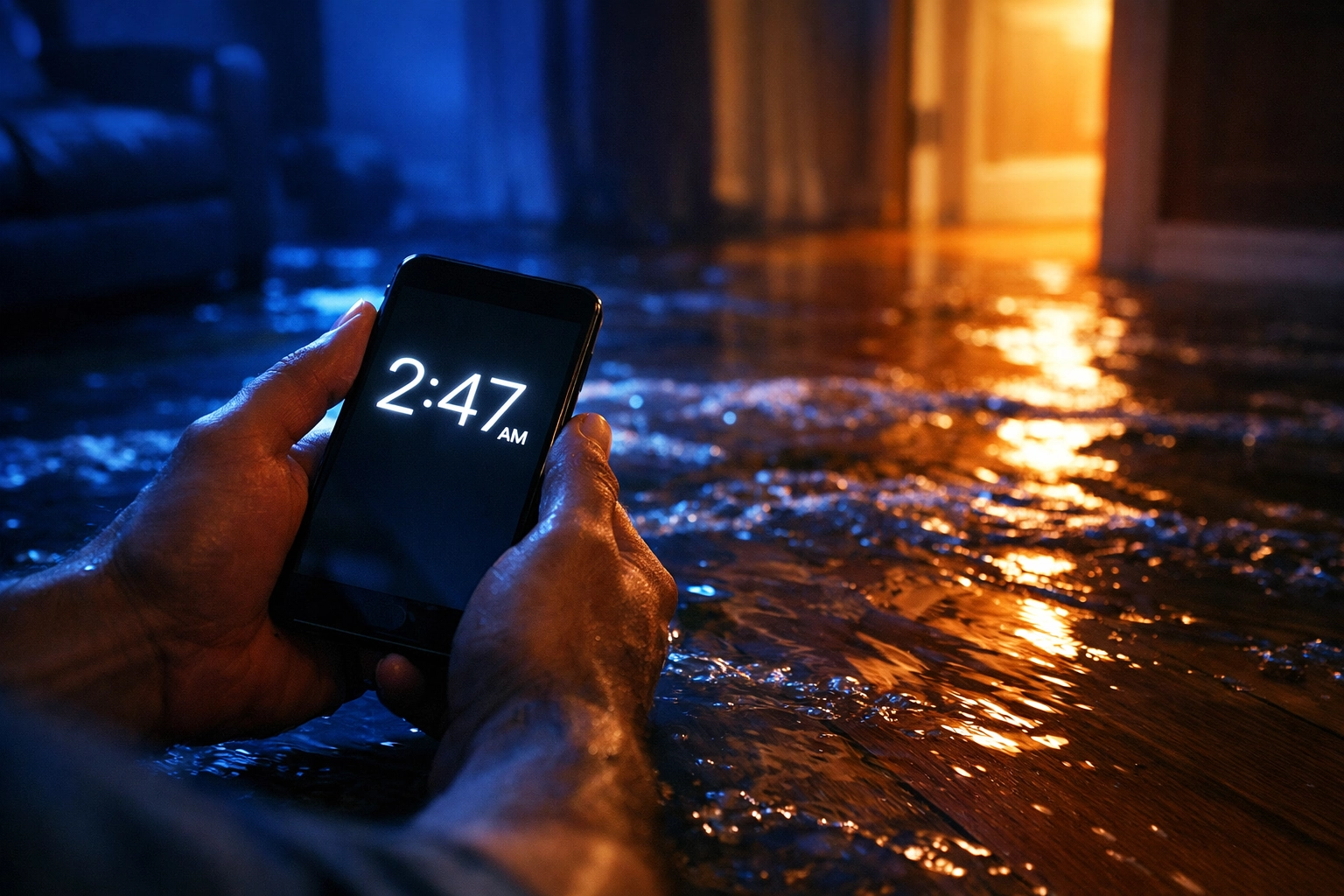
Water damage is one of those things that always seems to happen at the worst possible time. A burst pipe at 2 AM, a flooded basement after a storm, or that slow leak you didn't notice until the ceiling started sagging, it's stressful, overwhelming, and honestly, kind of scary.
Here's the thing: dealing with water damage restoration is tricky, and most homeowners make the same mistakes that turn a bad situation into a complete disaster. The good news? Once you know what these mistakes are, they're totally avoidable.
Let's walk through the seven most common water damage restoration mistakes, and more importantly, how to fix them.
We get it. You discover water damage, and your first instinct might be to assess the situation, maybe clean up what you can see, and deal with it "later." But here's the reality: water doesn't wait.
Water spreads fast, like, really fast. Within hours, it can seep into floors, walls, and furniture. And here's the kicker: mold growth can start within just 24 to 48 hours. That means if you're waiting until the weekend to call someone, you're already giving mold a head start.
The fix: Act immediately. The second you spot water damage, contact a professional water damage restoration team. Every hour counts, and getting ahead of the problem will save you thousands of dollars (and a lot of headaches) down the road.
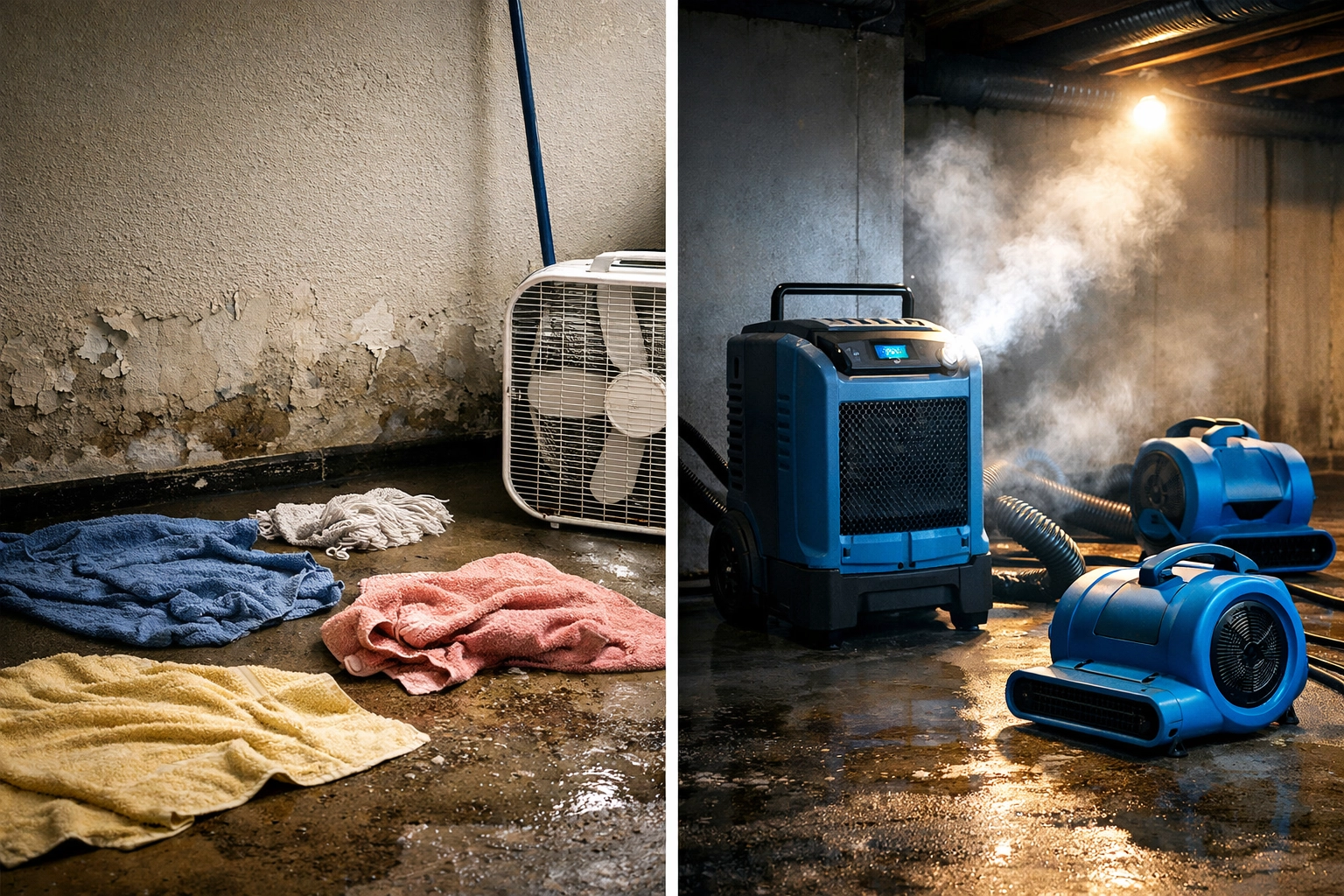
So you've got some towels, a mop, maybe a box fan from the garage: you're thinking you can handle this yourself. Unfortunately, household tools just aren't designed for serious water damage restoration.
Those towels and fans? They might soak up surface water, but moisture lurks deep inside carpets, under flooring, and within walls. Worse yet, using the wrong equipment can actually push water deeper into materials, making the problem worse instead of better.
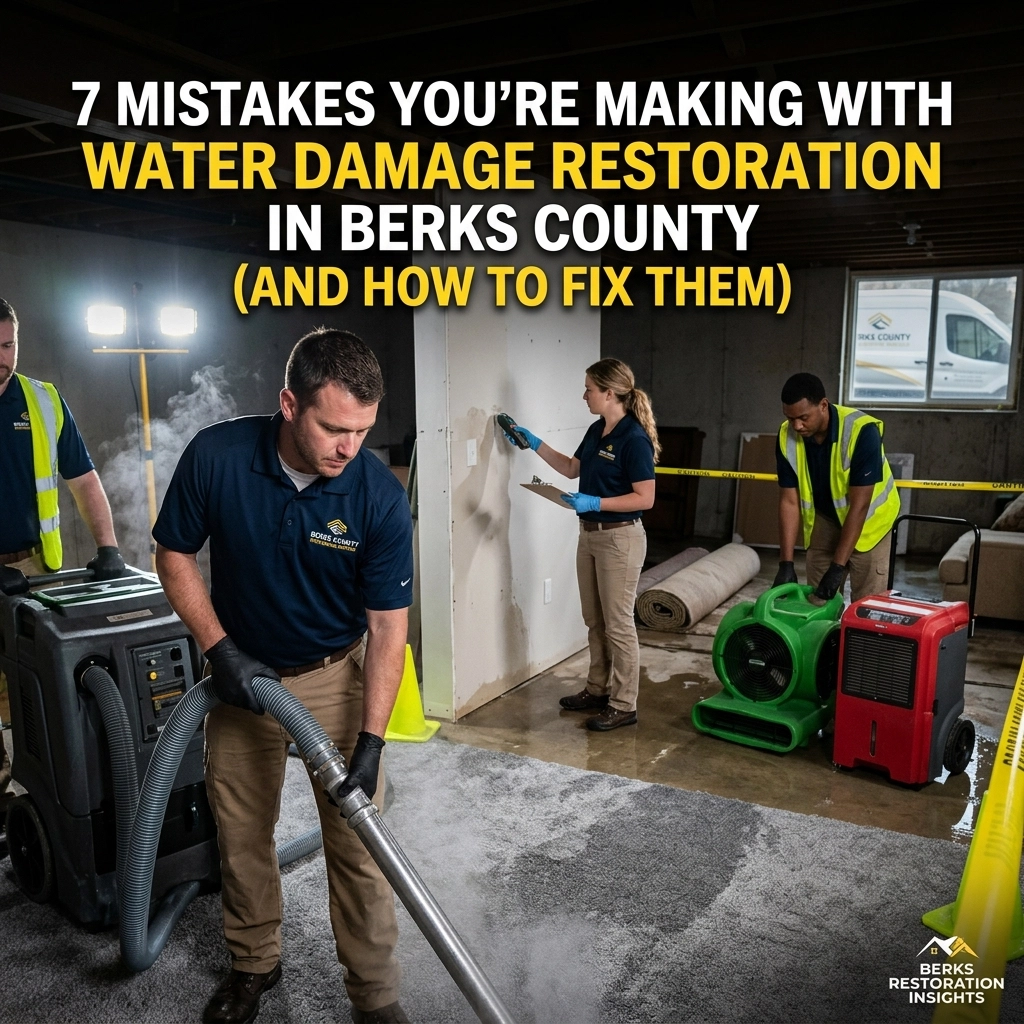
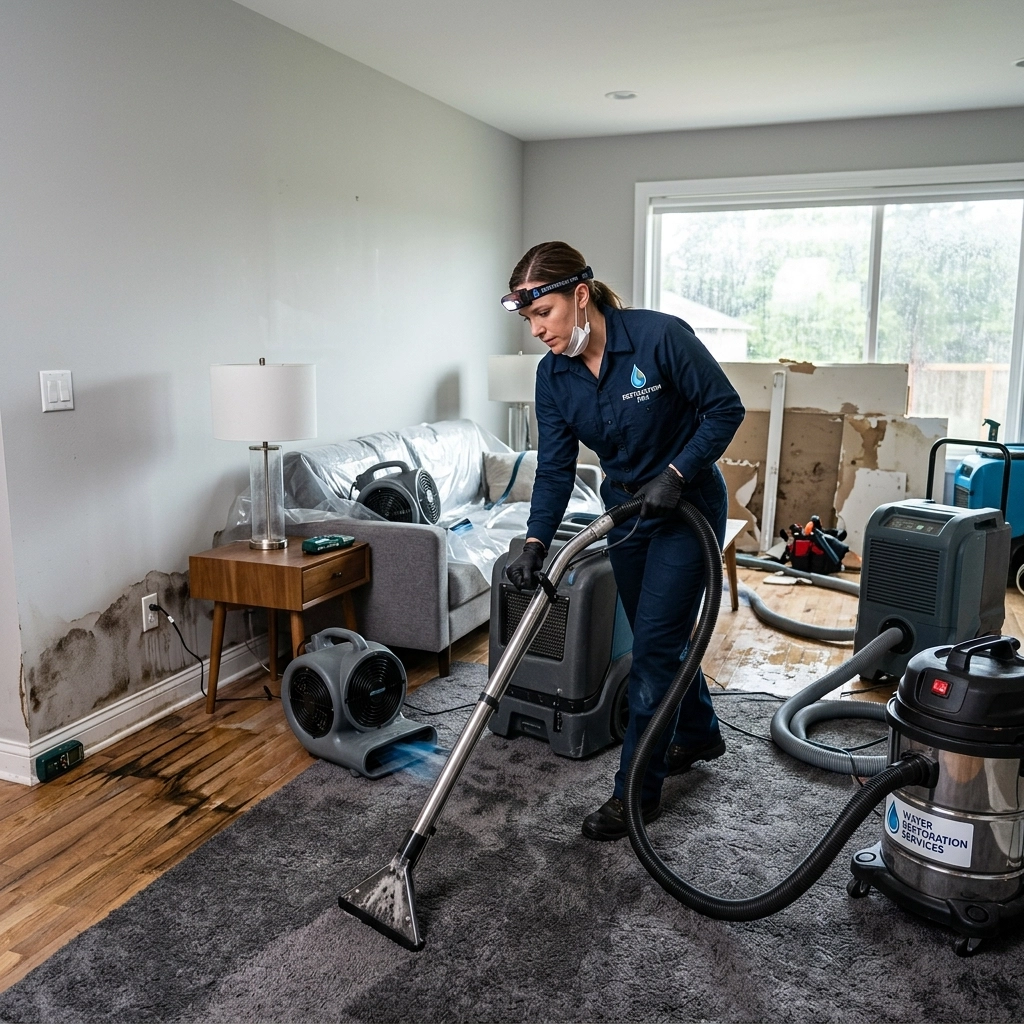
The fix: Professional-grade equipment makes all the difference. We're talking industrial-grade dehumidifiers, powerful air movers, and specialized extraction tools that pull moisture from places you can't even see. If you're dealing with anything more than a tiny spill, professional equipment is non-negotiable.
Here's where things get sneaky. You might see a wet spot on the ceiling or a puddle on the floor, but what about the water you can't see?
Water has a nasty habit of traveling. It seeps behind walls, under floors, into insulation, and through tiny cracks. These hidden pockets of moisture are like little time bombs: weakening your home's structure, rotting wood, and creating perfect conditions for mold colonies to grow.
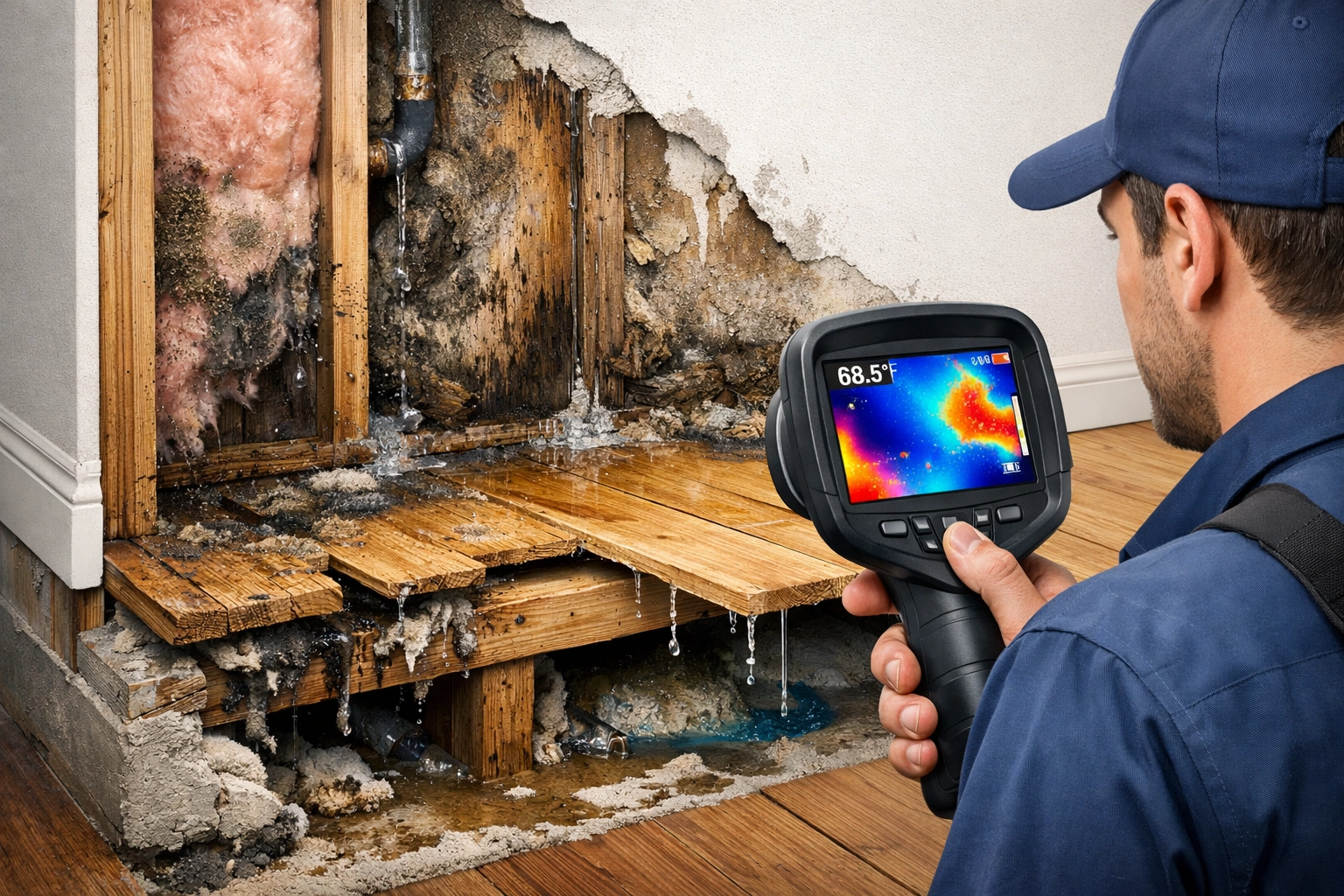
The fix: Professional restoration teams use moisture meters and infrared cameras to detect water in places the naked eye can't see. A thorough inspection should cover your entire property, not just the obviously wet areas. This is especially important for mold remediation down the line: you want to catch every bit of moisture before it becomes a bigger issue.
This one is huge. You can dry out your basement, replace damaged drywall, and make everything look perfect: but if you haven't fixed why the water damage happened in the first place, you're just setting yourself up for round two.
Maybe it's a cracked pipe, a leaky roof, a faulty appliance, or poor drainage around your foundation. Whatever it is, that problem isn't going to fix itself.
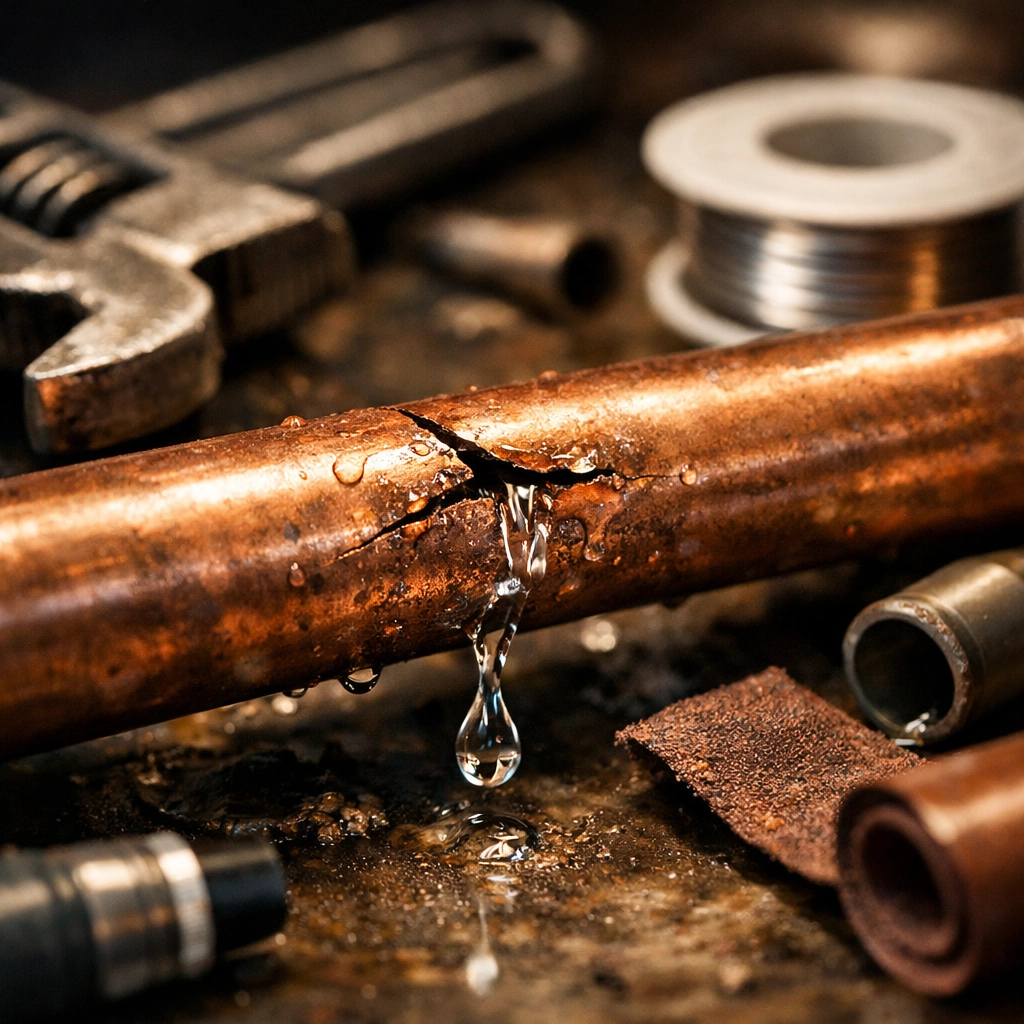
The fix: Before you start any restoration work, identify and repair the source of the water. Get a plumber to fix burst pipes, call a roofer to patch that leak, or replace that ancient washing machine that's been threatening to flood your laundry room. Water damage restoration without fixing the cause is just throwing money down the drain, literally.
It seems logical, right? Heat dries things faster, so crank up the space heater or point a hair dryer at that wet floor. But here's what actually happens: too much direct heat warps wood, cracks materials, and: get this: can actually accelerate mold growth instead of preventing it.
Heat without proper humidity control creates the perfect storm for mold. Plus, rapid temperature changes can cause even more damage to your home's materials.
The fix: Controlled temperature and carefully managed airflow are key. Professional water damage restoration companies understand the science behind proper drying. They know exactly how to balance temperature, humidity levels, and air circulation to dry things out without causing additional damage or creating conditions for mold to thrive.
Look, we're all about saving money where you can. But water damage restoration is one area where DIY efforts usually backfire: big time.
Incomplete drying, missed damage spots, and secondary problems like mold remediation needs can cost you ten times more than just calling the professionals from the start. What seems like saving a few bucks often turns into a nightmare of structural issues and health hazards.
The fix: Only tackle water damage yourself if ALL of these are true: you know exactly where the water came from, it's from a clean source (not sewage or flood water), the damage happened suddenly, water didn't enter walls or ceilings, and water was present for less than 24 hours.
If even one of those doesn't apply? Call the pros. Companies like My Water Damage Hero have the experience, equipment, and expertise to handle everything from minor leaks to major flooding. Plus, they often work directly with your insurance company to make the whole process easier.
Removing water is just the first step. Even if everything looks dry, you're not necessarily out of the woods yet.
Water: especially from floods or backed-up plumbing: can carry bacteria, contaminants, and all sorts of nasty stuff. And those odors? They're not just unpleasant; they're a sign that something's still not right. Skipping the cleaning and sanitization phase means you could be living with health hazards and funky smells for months (or years).
The fix: Professional water damage restoration services go way beyond just drying. They disinfect affected surfaces, purify the air, and completely eliminate odors. This ensures your space isn't just dry: it's actually clean, healthy, and safe to live in.
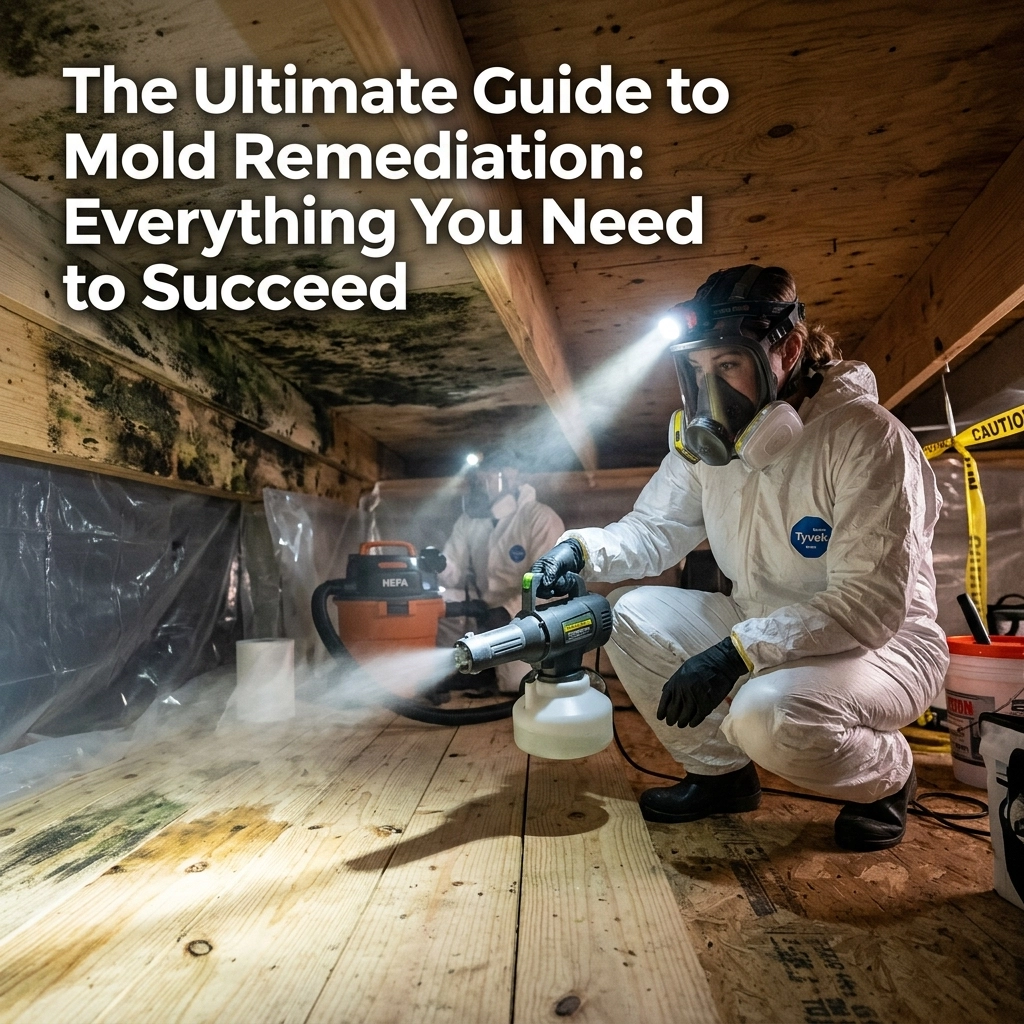
Plus, professionals conduct thorough mold inspections to catch any mold growth that's not visible to the naked eye. This is especially important in humid climates where mold can become a serious problem fast.
Water damage is stressful enough without making these common mistakes that turn a manageable situation into a major catastrophe. Whether it's acting too slowly, using the wrong tools, or trying to DIY something that really needs professional attention, each of these mistakes can cost you time, money, and peace of mind.
The good news? Now you know what to avoid. And if you're dealing with water damage right now, don't wait another minute. Reach out to My Water Damage Hero and let the professionals handle it the right way, from start to finish.
Remember: when it comes to water damage restoration, the best time to act was yesterday: but the second-best time is right now.
Contact us for quick, trusted restoration.
See how we’ve turned tough situations into success stories.

