
Water damage in your home? Yeah, that's nobody's idea of a good time. Whether it's from a burst pipe, a leaky roof, or that washing machine that decided today was its last day on Earth, water damage can turn into a major headache fast.
Here's the thing: most homeowners make the same mistakes when dealing with water damage restoration. And honestly? These mistakes can turn a manageable situation into a full-blown disaster. Let's talk about what you're probably doing wrong and how to fix it before things get worse.
You know that pile of laundry you keep saying you'll get to "tomorrow"? Water damage isn't like that. You can't put it off.
The clock starts ticking the second water hits your floors. Mold can start growing in just 24 to 48 hours. That's basically one Netflix binge session away from a serious mold problem. Plus, water doesn't just sit there looking pretty, it spreads. It soaks into your walls, your flooring, your furniture, and everything else it can reach.
How to fix it: The minute you spot water damage, take action. Don't wait until Monday morning to call someone. Don't think it'll dry on its own over the weekend. Contact a professional water damage restoration company immediately. Every hour counts, and the faster you act, the less damage you'll have to deal with (and the smaller your repair bill will be).
So you grabbed every towel in the house and mopped up the water. Great! But here's the question: where did that water come from in the first place?
Too many people focus on cleaning up the mess without figuring out what caused it. That leaky pipe? Still leaking. That crack in your roof? Still there. If you don't fix the source, you're just going to be dealing with the same problem again next week.
How to fix it: Before you even start the cleanup process, identify what caused the water damage. Get a plumber to fix that burst pipe. Call a roofer to patch that leak. Replace that ancient water heater that's been making weird noises for six months. Fix the problem at its source, or you'll be stuck in an endless cycle of water damage restoration.
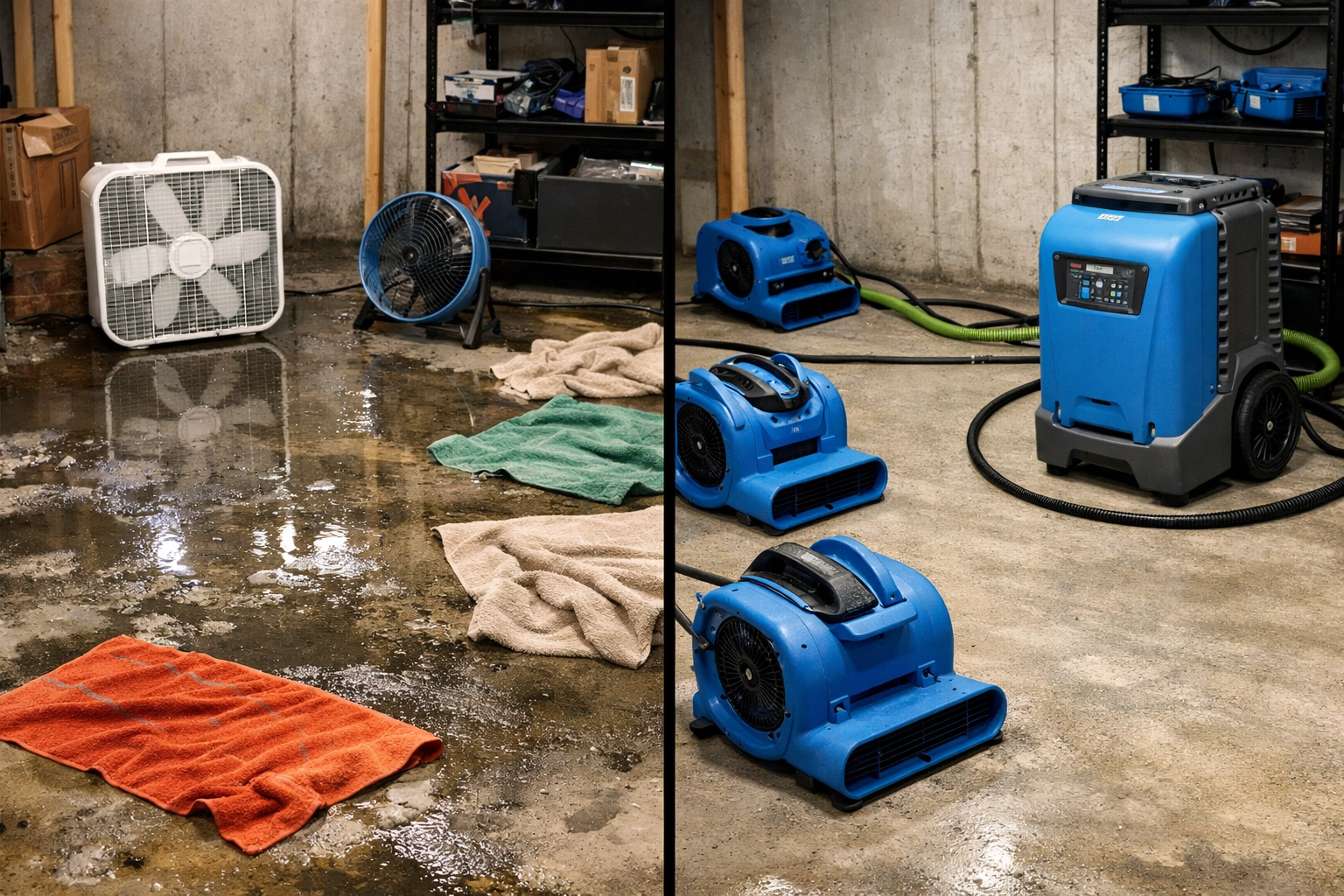
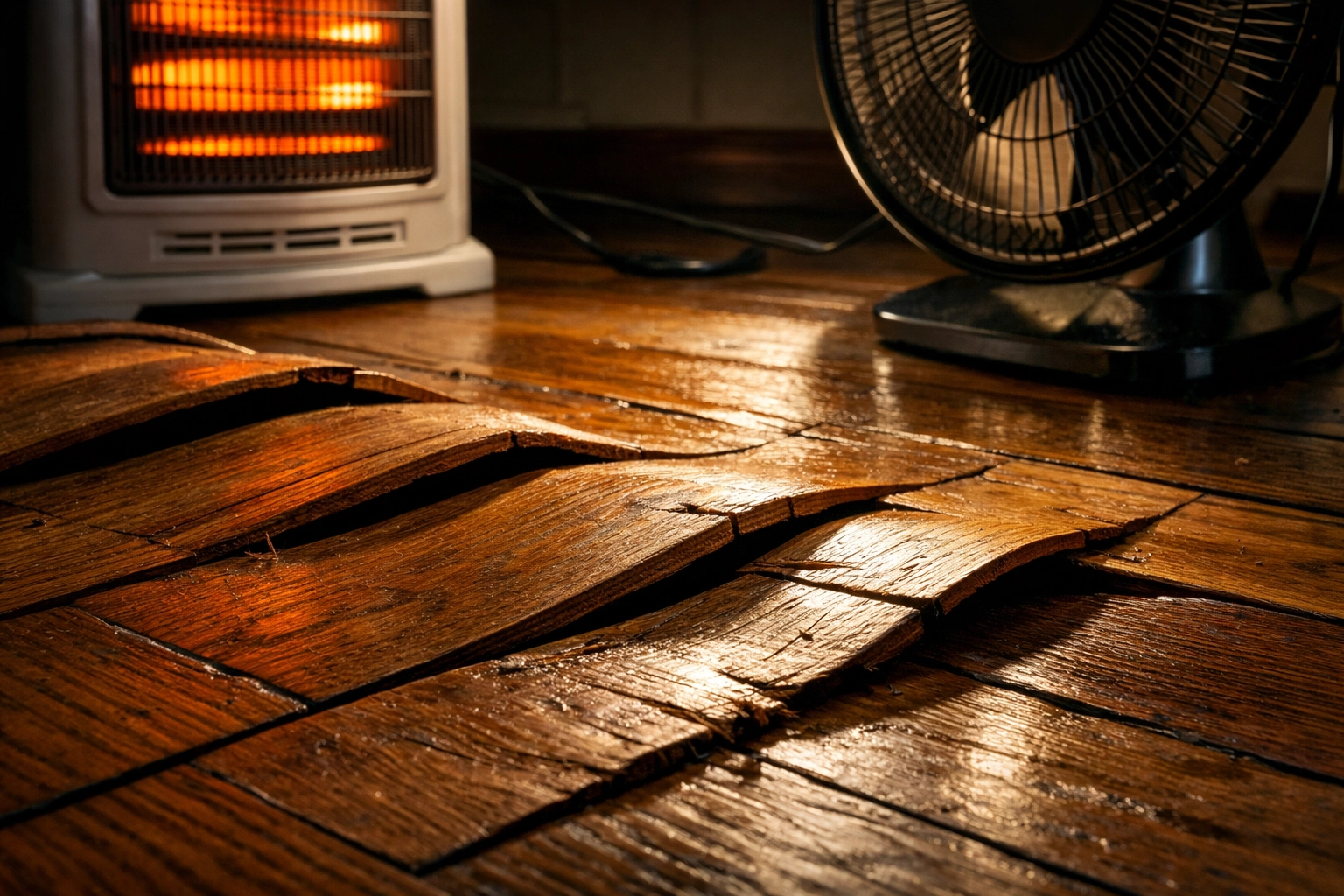
Look, we get it. You've got a fan. Maybe even a couple of fans. And sure, you can point them at the wet spot and hope for the best. But here's the reality: your box fan from Target isn't going to cut it.
Water doesn't just sit on the surface, it seeps deep into materials. It hides in your walls, under your floors, in your subflooring, and inside your insulation. Regular household equipment simply can't reach all that hidden moisture.
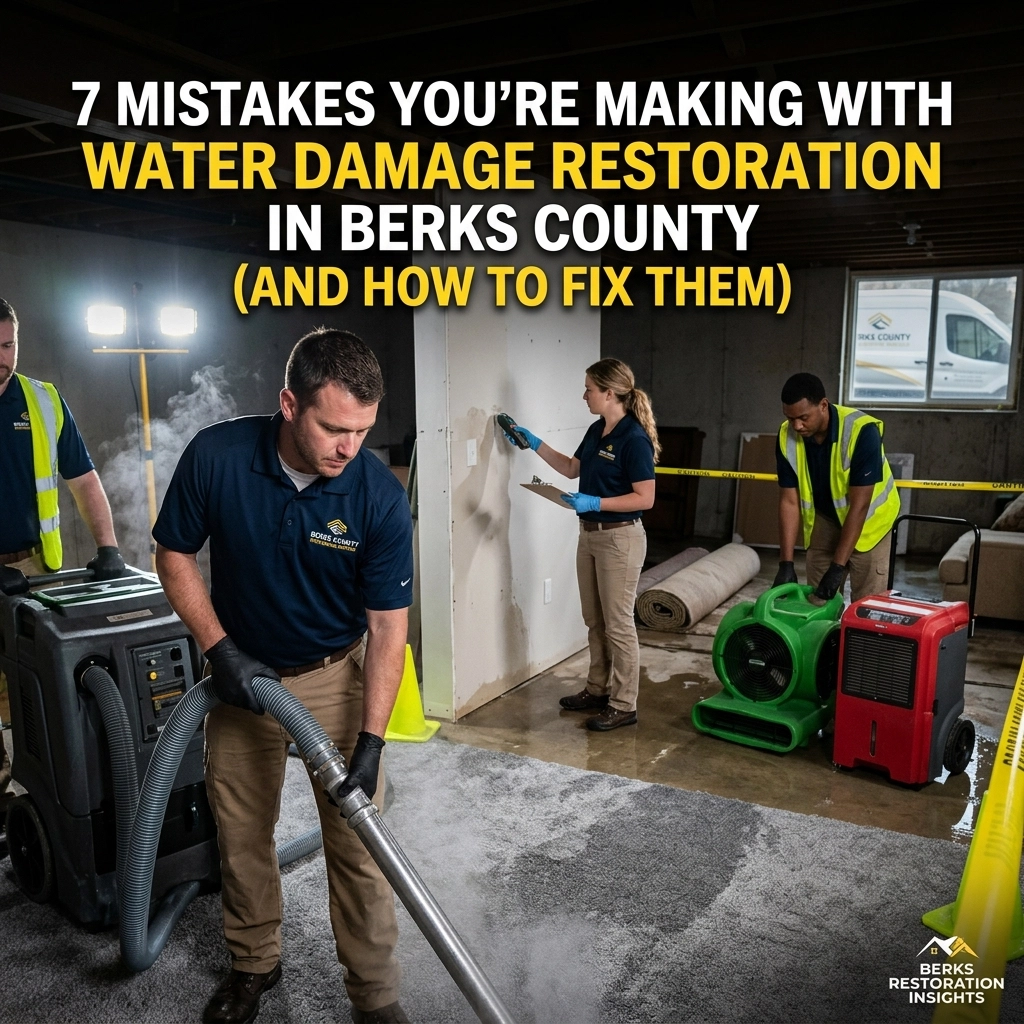
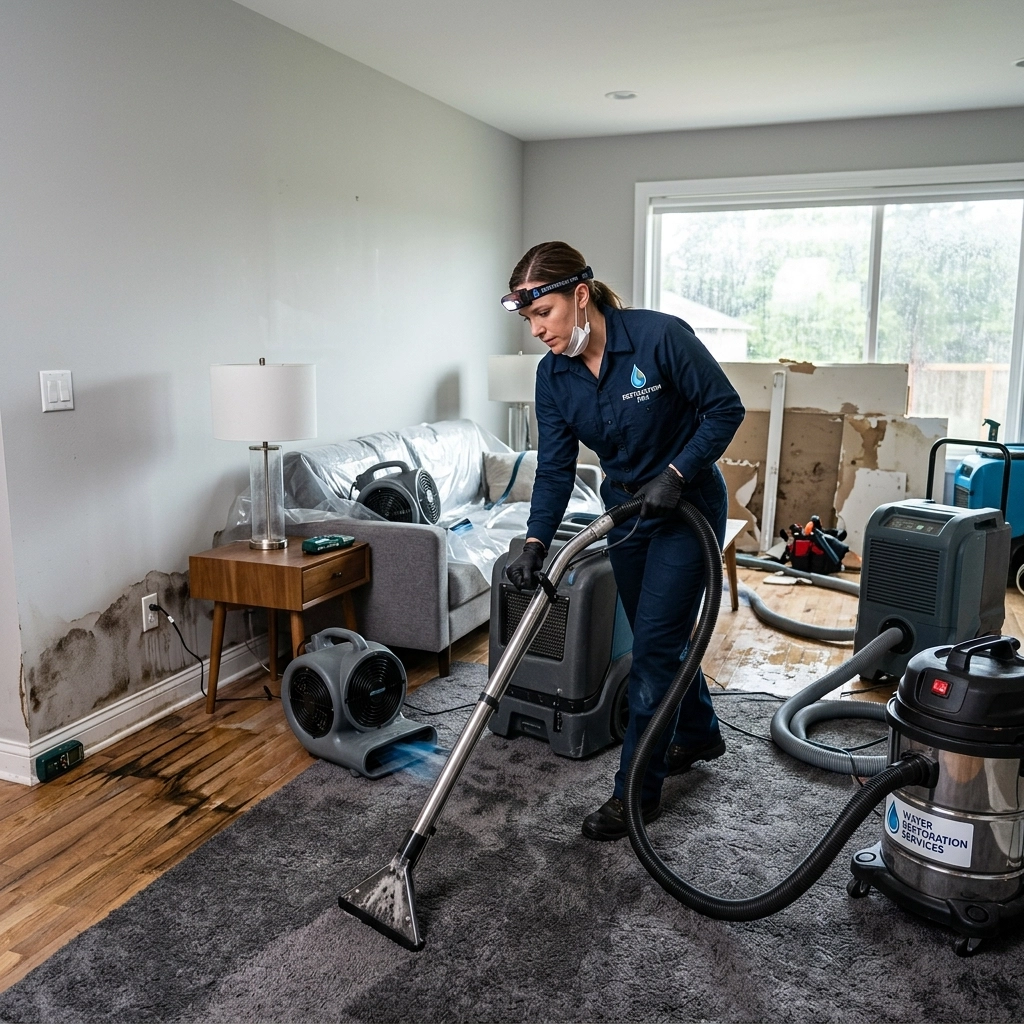
How to fix it: Professional water damage restoration requires industrial-grade equipment. We're talking heavy-duty dehumidifiers, commercial air movers, and moisture meters that can actually detect how wet things are beneath the surface. Professional restoration teams don't just dry what you can see, they use advanced technology to make sure everything is completely dry, including the parts you can't see.
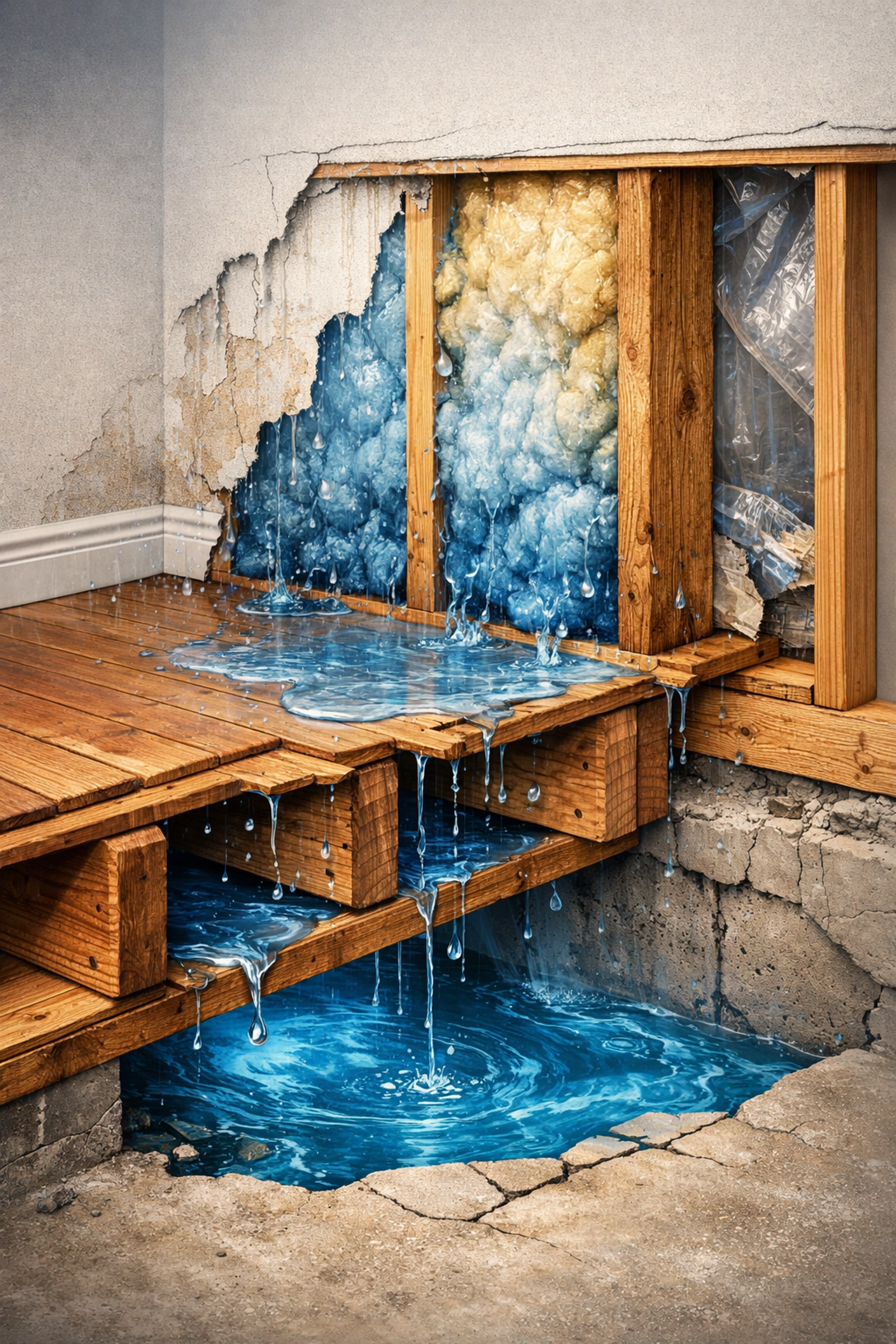
What you see is rarely the whole story with water damage. That wet spot on your ceiling? There's probably a lot more water sitting on top of that ceiling that you can't see. That damp carpet? The padding underneath is probably soaked, and the subflooring might be too.
Hidden water damage is sneaky. It weakens your home's structure, promotes rot, and creates the perfect environment for mold to throw a party. And mold doesn't send out invitations, it just shows up uninvited and refuses to leave.
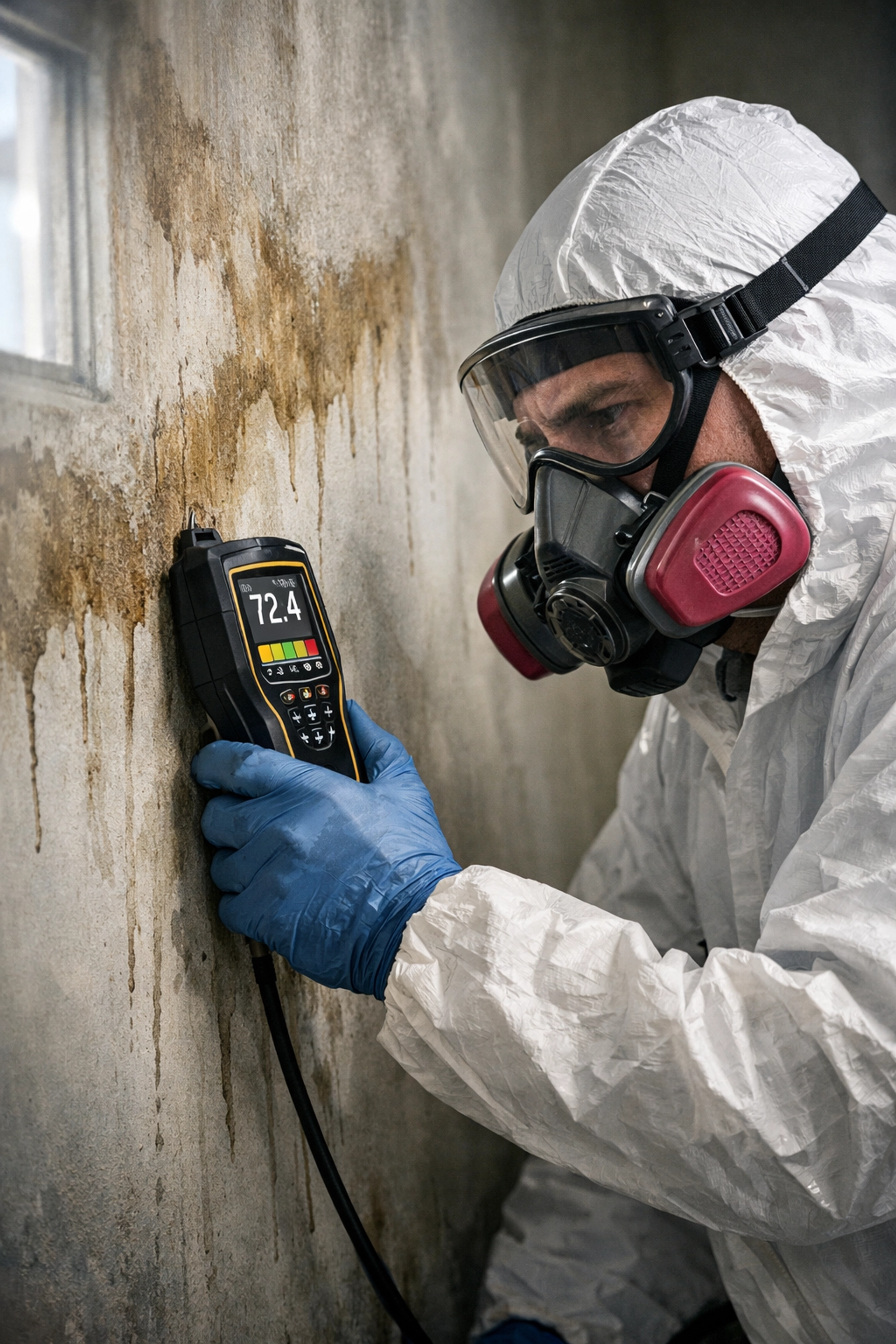
How to fix it: You need more than a visual inspection. Professional restoration companies use moisture meters and infrared cameras to detect water where you can't see it. They check inside walls, under flooring, and in other hidden areas. Don't assume that because an area looks dry, it actually is dry. A thorough inspection can save you from discovering serious damage months down the road.
Drying out water damage isn't as simple as cranking up the heat and pointing a fan at everything. In fact, that approach can actually make things worse.
Drying things too quickly can warp wood. Using excessive heat can actually speed up mold growth instead of preventing it. And without proper air circulation and humidity control, you're basically just moving moisture around instead of removing it.
How to fix it: Proper drying is a science. You need to maintain the right humidity levels (usually between 30-40% for a home) using controlled dehumidification. You can't just blast heat and hope for the best. Professionals understand proper temperature control, airflow patterns, and drying times for different materials. Unless you've got training in water damage restoration, let the pros handle this part.
Let's say you somehow managed to dry everything out perfectly. Congratulations! But you're not done yet.
Water, especially floodwater, carries contaminants, bacteria, and all kinds of nasty stuff you don't want in your home. Just because an area is dry doesn't mean it's clean. And even clean water can leave behind odors and create conditions for mold growth if you're not careful.
How to fix it: Water damage restoration isn't just about drying, it's about deep cleaning, sanitizing, and disinfecting affected areas. You also need to control humidity levels moving forward to prevent mold from growing.
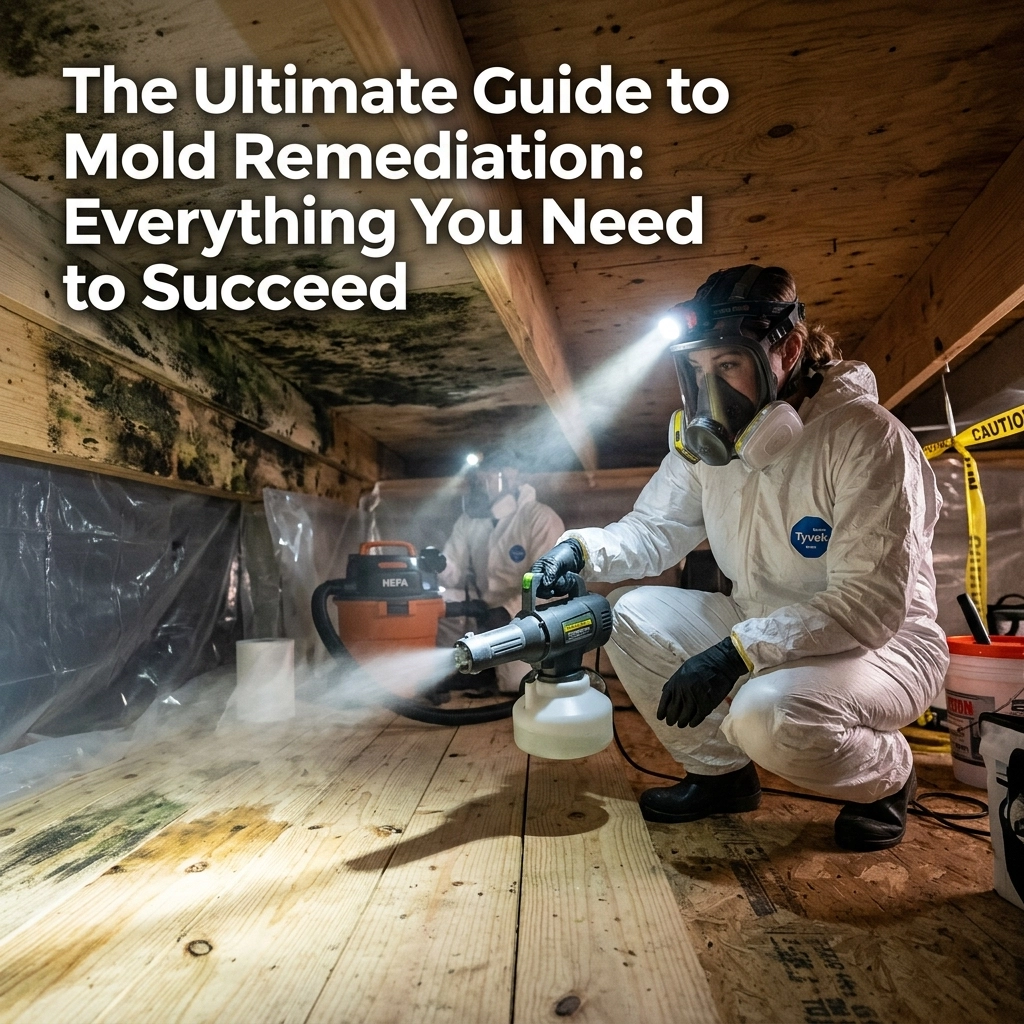
This is where mold remediation becomes important. Mold can grow on interior walls and floors without being visible. A professional mold inspection can detect mold you can't see and take care of it before it becomes a bigger problem. Don't skip this step, or you might end up needing serious mold remediation services down the road.
We love a good DIY project as much as the next person. But water damage restoration? This isn't the time to channel your inner home improvement guru.
DIY efforts usually lead to incomplete drying, missed damage, and secondary problems like mold or structural issues. You might think you're saving money, but incomplete restoration can cost you way more in the long run. Plus, there's the whole issue of knowing what can be saved versus what needs to be tossed. Some homeowners try to salvage items that are beyond repair (hello, mold risk), while others throw away stuff that could've been saved.
How to fix it: Hire professional restoration services. Yes, it costs money upfront. But professionals assess the full scope of damage, identify potential risks you'd never spot on your own, and have the equipment and expertise to do the job right the first time.
Think about it this way: professionals deal with water damage restoration every single day. They know what to look for, they have state-of-the-art equipment, and they can often salvage more of your belongings than you'd think possible. At My Water Damage Hero, we've seen countless situations where professional intervention saved homeowners thousands of dollars in additional damage.
Water damage is stressful enough without making mistakes that make everything worse. Whether you're dealing with a small leak or major flooding, avoiding these seven common mistakes can save you time, money, and a whole lot of headaches.
Remember: act fast, fix the source, use proper equipment, check for hidden damage, dry things correctly, clean and sanitize thoroughly, and don't be afraid to call in the professionals. Your home (and your wallet) will thank you.
Dealing with water damage, mold issues, or need help with fire damage restoration? Don't wait until small problems become big disasters. The sooner you address water damage, the better the outcome; and that's something worth remembering.
Contact us for quick, trusted restoration.
See how we’ve turned tough situations into success stories.

