
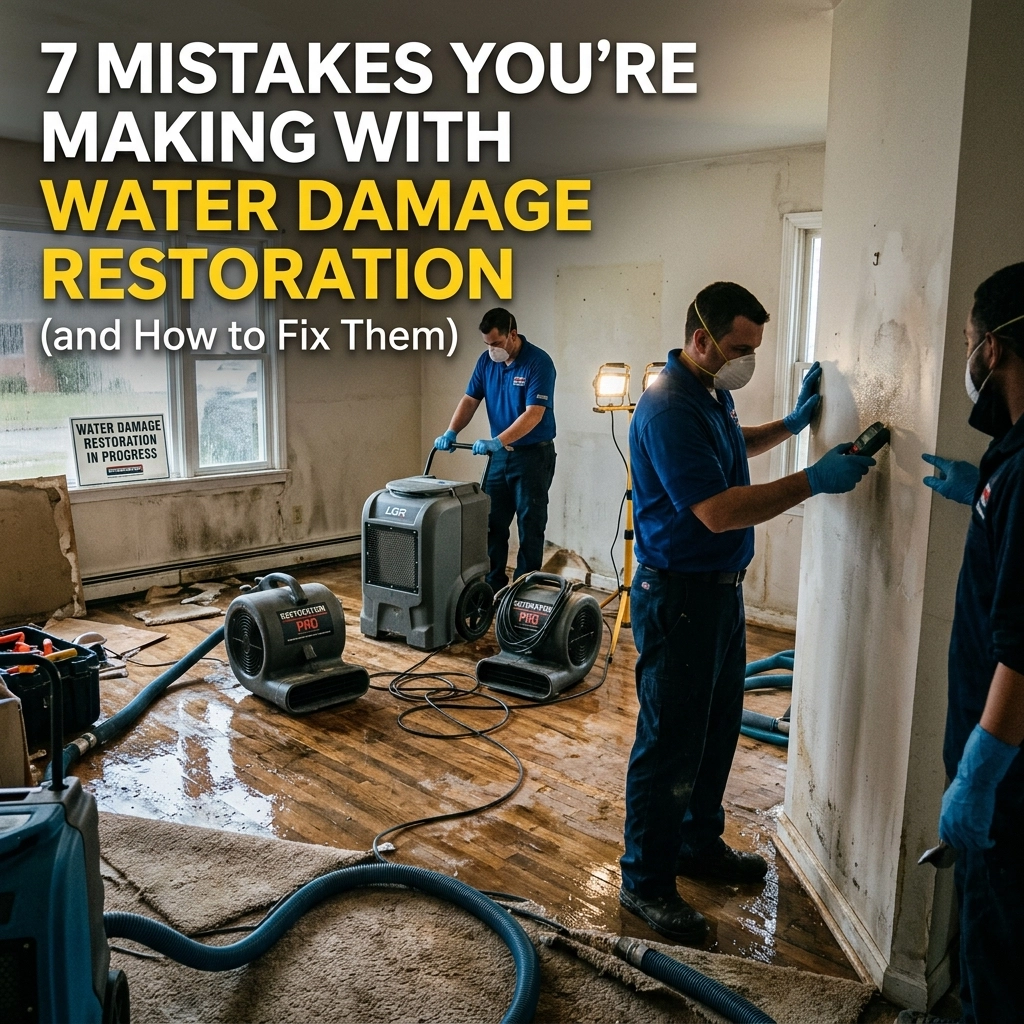
Finding a puddle in your basement or a damp spot on your ceiling is enough to make any homeowner’s heart sink. Whether it’s from a burst pipe, a heavy storm, or a sneaky appliance leak, water damage is one of those household nightmares that requires immediate attention.
At My Water Damage Hero, we see it all the time: well-intentioned homeowners trying to handle the cleanup themselves, only to accidentally make the situation worse. Restoration isn't just about mopping up the wet spots; it’s a scientific process that involves specialized equipment and a lot of patience.
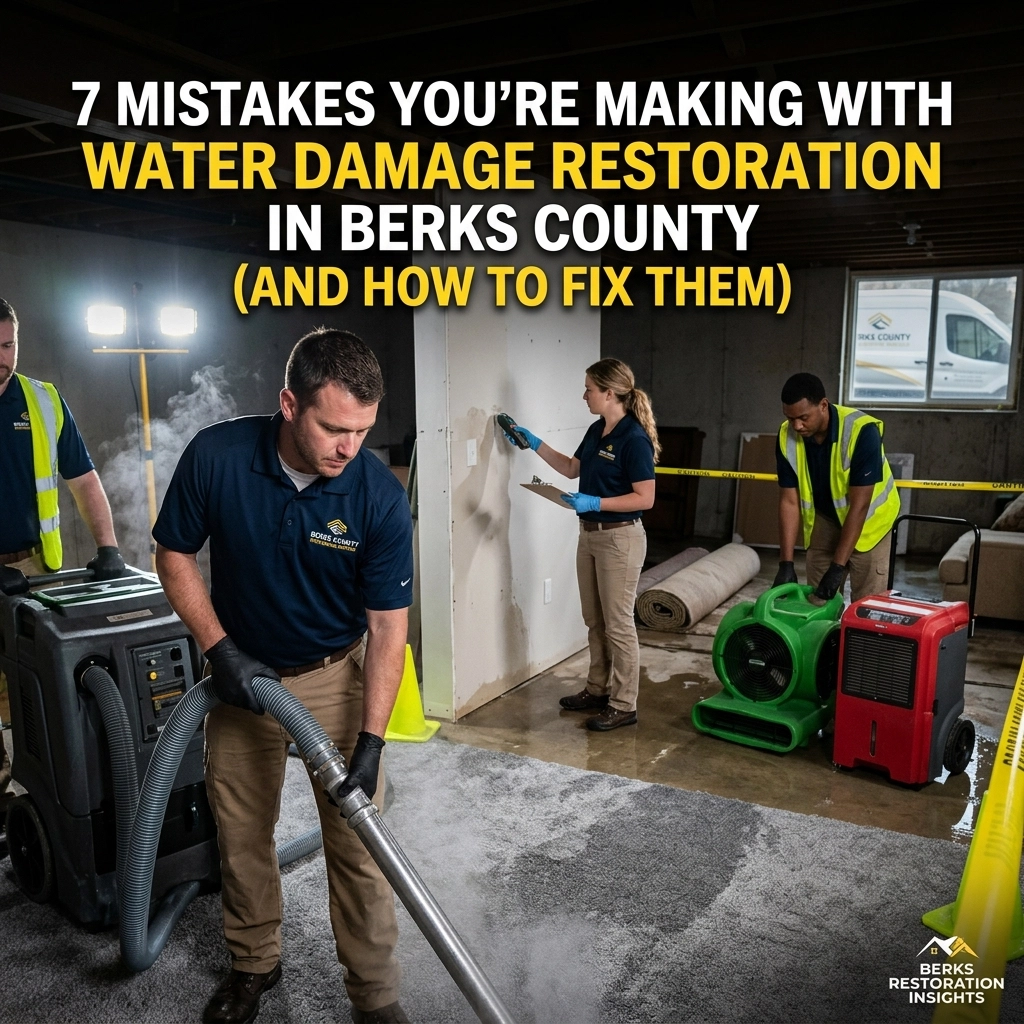
If you’re currently staring at a soggy carpet or a dripping wall, take a deep breath. Here are the seven most common mistakes people make with water damage restoration: and exactly how you can fix them to keep your home safe.
The biggest mistake you can make is thinking, "I'll deal with this tomorrow." When it comes to water, time is your absolute worst enemy. Within just minutes, water spreads through your floors and into your walls. Within hours, your furniture can swell and disintegrate.
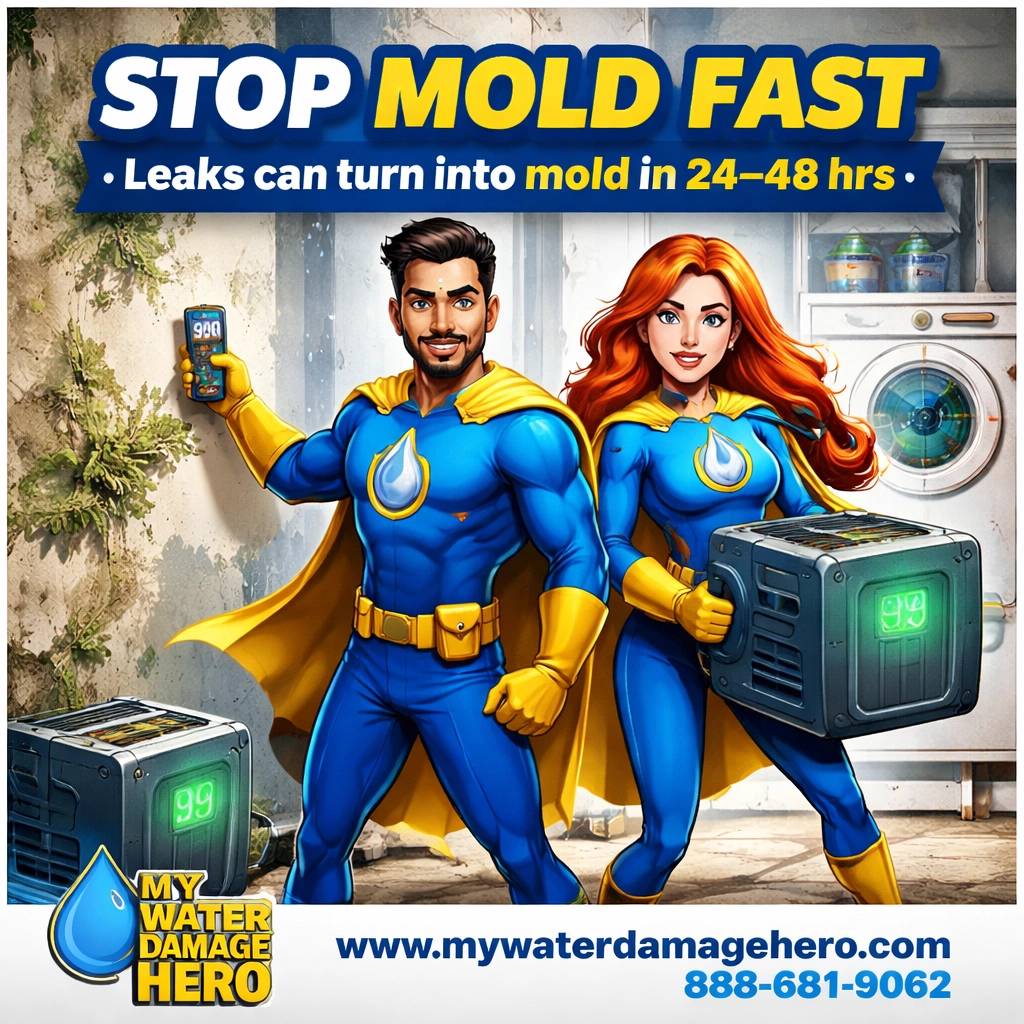
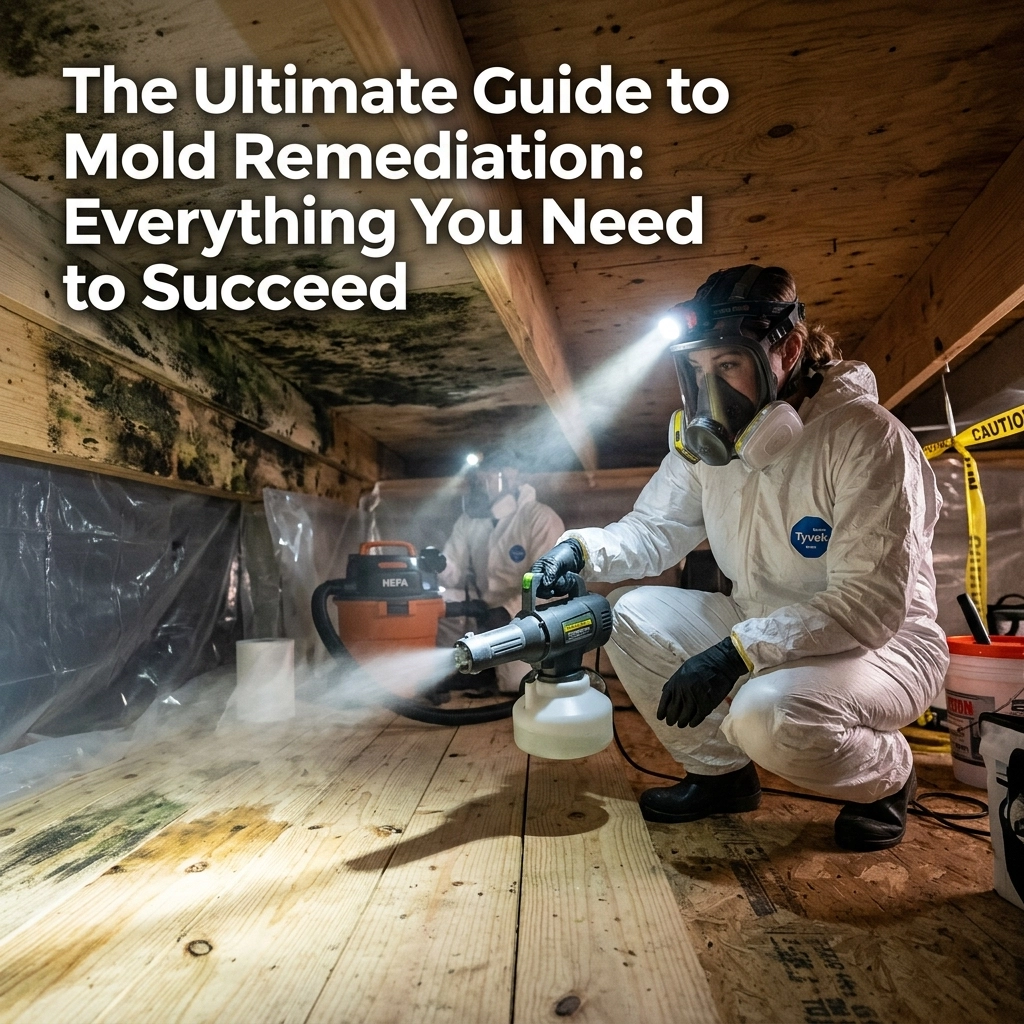
But the real kicker? Mold remediation becomes necessary much faster than you think. Mold spores can start colonizing on wet surfaces in as little as 24 to 48 hours. By the time you call for help on Monday for a leak that happened on Friday, you aren't just looking at a drying job: you're looking at a full-blown mold problem.
How to Fix It:
Treat every water incident like an emergency. Even if it seems small, start the extraction and drying process immediately. If the damage is beyond a simple spill, call in a professional water damage restoration team right away. We offer 24/7 emergency response because we know that every hour counts.
Just because a surface feels dry to the touch doesn't mean the "bones" of your house are safe. Water is sneaky. It loves to travel behind baseboards, under laminate flooring, and deep into the padding of your carpet.
If you only dry the surface, you’re leaving a "moisture sandwich" behind. This trapped water will eventually rot your wall studs and floor joists, and it’s a prime breeding ground for mold that you can’t see but can definitely smell.
How to Fix It:
Professional restoration teams use moisture meters and thermal imaging cameras to see what’s happening behind the scenes. To fix this at home, don't just rely on your hands. If you’ve had a major leak, you need to pull back carpet edges and check the padding. If the walls feel cold or look slightly discolored, there is moisture hiding back there that needs to be addressed with professional-grade dehumidification.
We’ve seen people try to dry out a flooded living room using their household vacuum and a couple of desk fans. While we admire the spirit, your home's HVAC system and a few oscillating fans simply aren't powerful enough to pull deep moisture out of structural materials.
In fact, using standard fans can sometimes be counterproductive if they aren't positioned correctly, as they can just blow mold spores around the room without actually removing the humidity from the air.
How to Fix It:
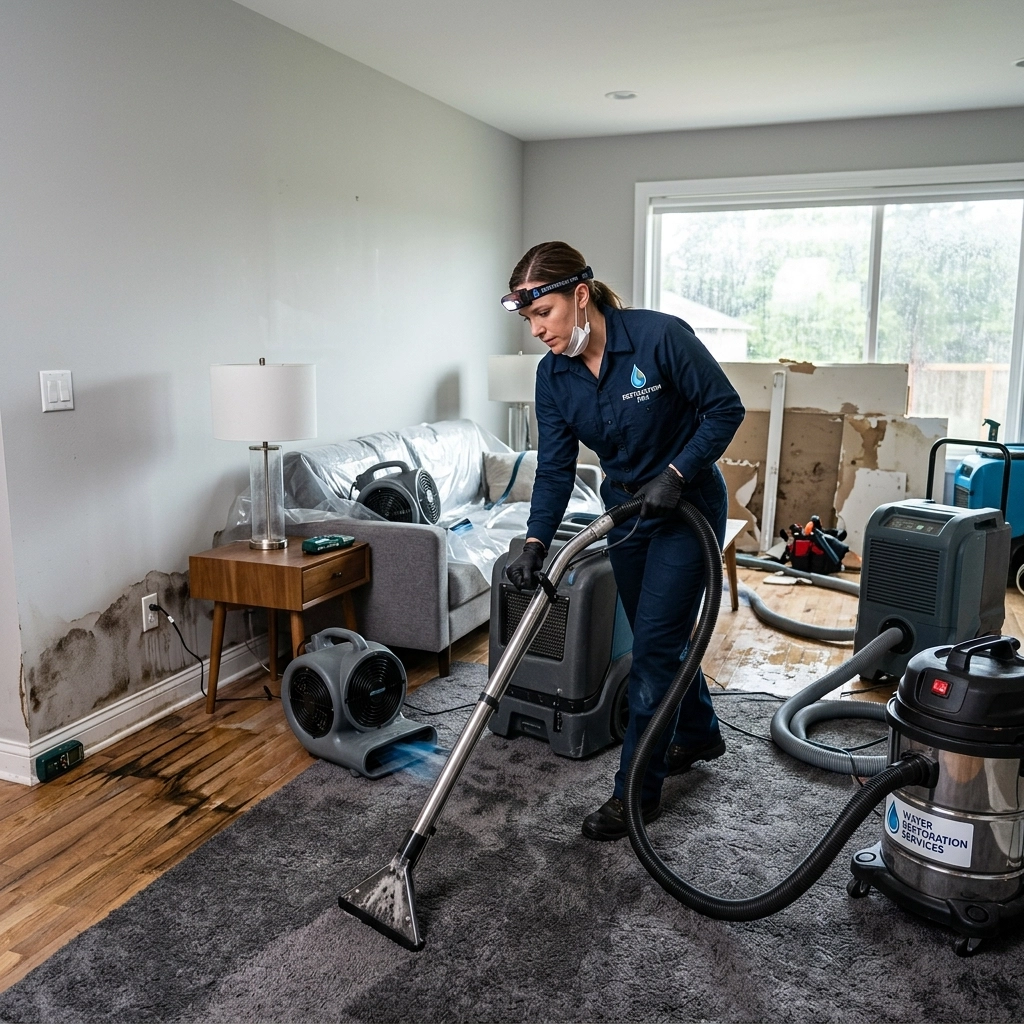
You need "balanced" drying. This requires industrial-grade air movers and LGR (Low Grain Refrigerant) dehumidifiers. These machines don't just move air; they actively pull gallons of water out of the atmosphere every day.
Pro Tip: If you’re dealing with a wet carpet, don’t forget that carpet cleaning is part of the restoration process. Once the area is dry, a deep professional clean is needed to remove any bacteria or contaminants the water left behind.
Water damage isn't just a property issue; it can be a health issue. Not all water is created equal. Restoration professionals categorize water into three types:
Attempting to clean up Category 2 or 3 water without proper protective gear is dangerous. You’re exposing yourself to bacteria, viruses, and parasites.

How to Fix It:
Always put safety first. If the water came from a sewer backup or an outdoor flood, stay out of it. Let the pros with the hazmat suits and specialized antimicrobial treatments handle it. Even with clean water, be wary of electrical outlets. Water and electricity are a deadly combo: if you can’t reach your breaker box safely, don't enter the standing water.
It sounds obvious, right? But you’d be surprised how many people start the water damage restoration process while the pipe is still dripping or the roof is still leaking. If you don't stop the source, you’re literally pouring money down the drain.
This is especially common with fire damage restoration as well. After a fire is put out, the water used by the fire department can cause massive damage. If the roof was damaged by the fire, you have to tarp it before you can start drying the inside, or the next rainstorm will ruin all your hard work.
How to Fix It:
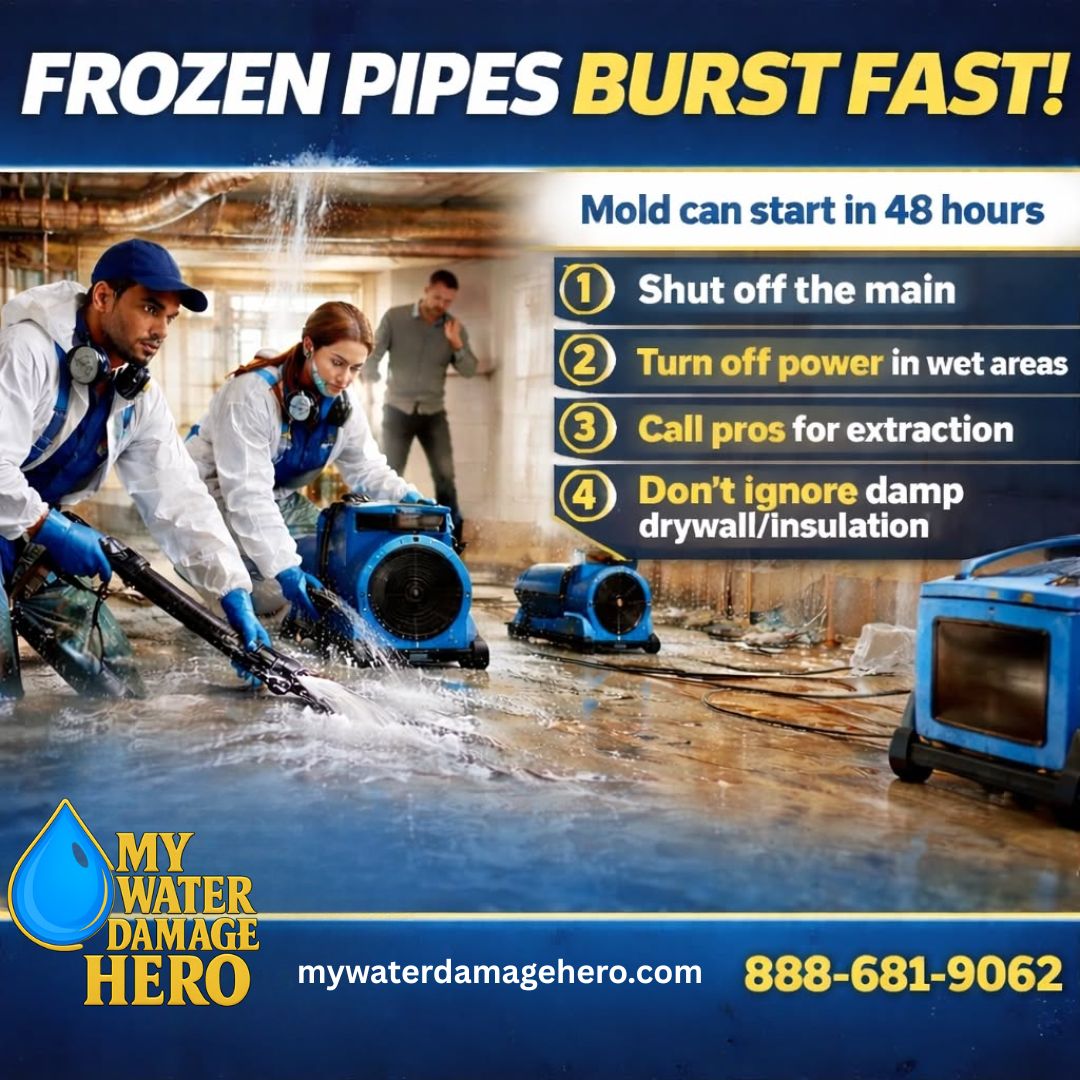
The very first step: always: is to stop the water. Turn off the main water valve if it’s a plumbing issue. Call a plumber or a roofer to make the necessary repairs before the restoration equipment is turned on. Once the "leak" is a "memory," then the real drying can begin.
Drywall is basically a sponge made of paper and gypsum. When it gets wet, it loses its structural integrity. Even if it dries out, it might be brittle, warped, or harboring mold inside the "sandwich" layer. The same goes for hardwood floors, which can "cup" or "crown" weeks after you think they are dry.
Ignoring structural damage can lead to sagging ceilings or unstable floors. We often see homeowners try to paint over a water stain without checking if the drywall behind it is actually solid.
How to Fix It:
Sometimes, "restoration" means "replacement." If drywall has been submerged for more than a few hours, it usually needs to be cut out and replaced (the "flood cut"). This allows air to reach the wall studs and prevents mold from growing in the insulation. Don't be afraid to remove materials that are too far gone: it’s cheaper to replace a few sheets of drywall now than to fix a collapsed ceiling later.
When water damage occurs, the air in your home changes. High humidity levels can cause the "musty" smell we all recognize. But more importantly, once the drying starts, dust, debris, and potentially mold spores are kicked up into the air.
Many people finish the restoration and think they’re done, only to find their family starts sneezing or having respiratory issues a few weeks later.
How to Fix It:
Clean your air! This is where air duct cleaning comes into play. If your HVAC system was running during the water event, it likely sucked in moisture and spores. Getting a professional air duct cleaning ensures that the air circulating through your newly restored home is fresh and safe.
Additionally, using HEPA air scrubbers during the restoration process can help capture those tiny particles before they settle into your furniture and lungs.
While we love a good DIY project as much as the next person, water damage is one area where "doing it yourself" often ends up costing twice as much in the long run. Professional restorers have the training to identify the category of water, the tools to find hidden moisture, and the industrial power to dry your home before mold takes over.
At My Water Damage Hero, we don't just dry floors; we restore peace of mind. We handle everything from the initial water extraction to the final mold remediation and even fire damage restoration if your home has been through a double disaster.
Summary of the Fixes:
If you’re dealing with a leak, a flood, or a mystery damp spot, don't wait for the damage to get worse. Give us a call, and let My Water Damage Hero save the day! Whether you need a simple carpet cleaning after a spill or a full-scale restoration, we’re here to help you get your home back to normal.
Contact us for quick, trusted restoration.
See how we’ve turned tough situations into success stories.

