
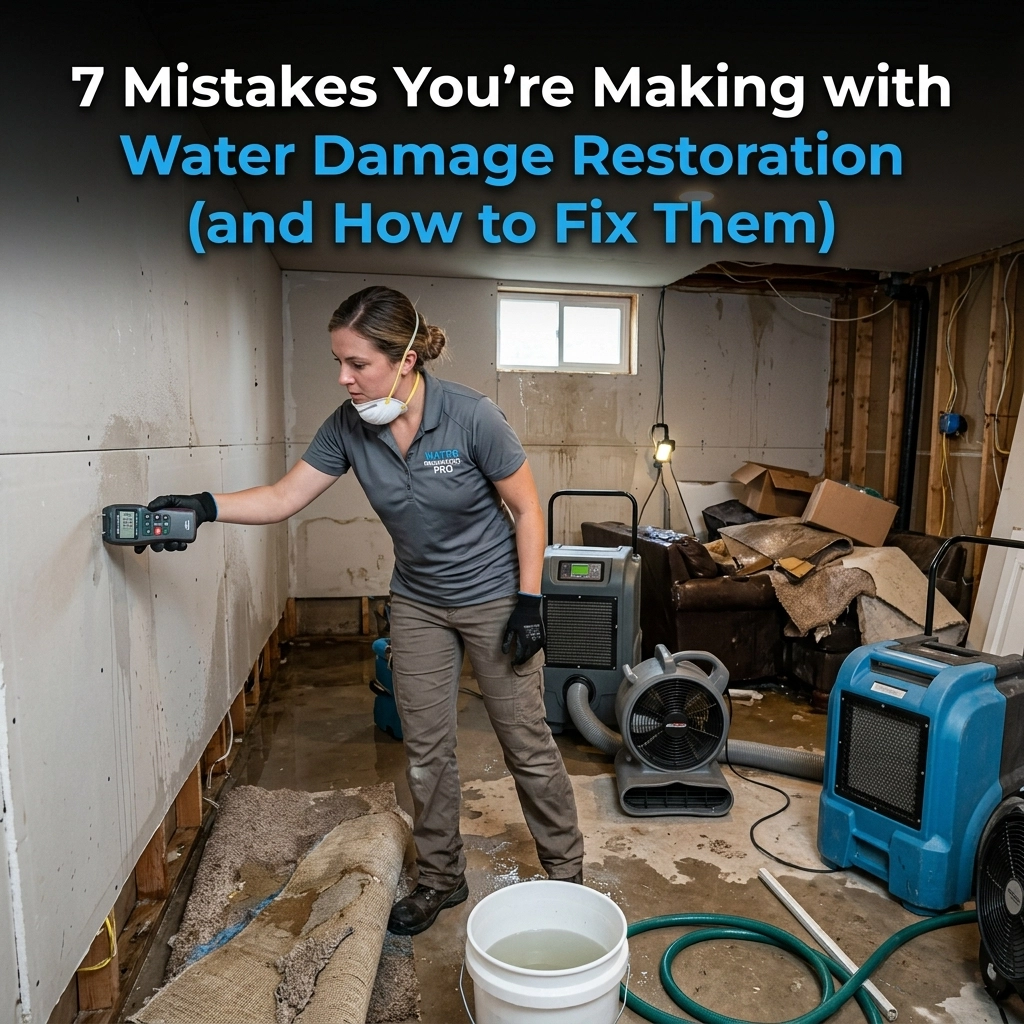
Hey there! If you’re reading this, you might be staring at a puddle in your basement, a damp spot on your ceiling, or maybe you’re just trying to be a prepared homeowner. Dealing with water in your home is stressful: we get it. It’s messy, it smells, and it feels like your "to-do" list just grew a mile long.
At My Water Damage Hero, we see homeowners try to tackle these problems themselves every single day. While we love the DIY spirit, water is a tricky beast. What looks like a small splash today can turn into a structural nightmare or a health hazard tomorrow.
To help you protect your home (and your wallet), we’ve rounded up the seven biggest mistakes people make during water damage restoration and, more importantly, how you can fix them before they get out of hand.
The biggest mistake you can make is "sleeping on it." We’ve all been there: you see a small leak and think, “I’ll deal with that on Saturday.”
Unfortunately, water doesn't wait for your schedule. In the world of restoration, time is your worst enemy. Within just 24 to 48 hours, mold can start to colonize. Beyond that, water begins to wick up into your drywall, soak into your wooden studs, and ruin your flooring. The longer you wait, the more the price tag for repairs goes up.
How to Fix It:
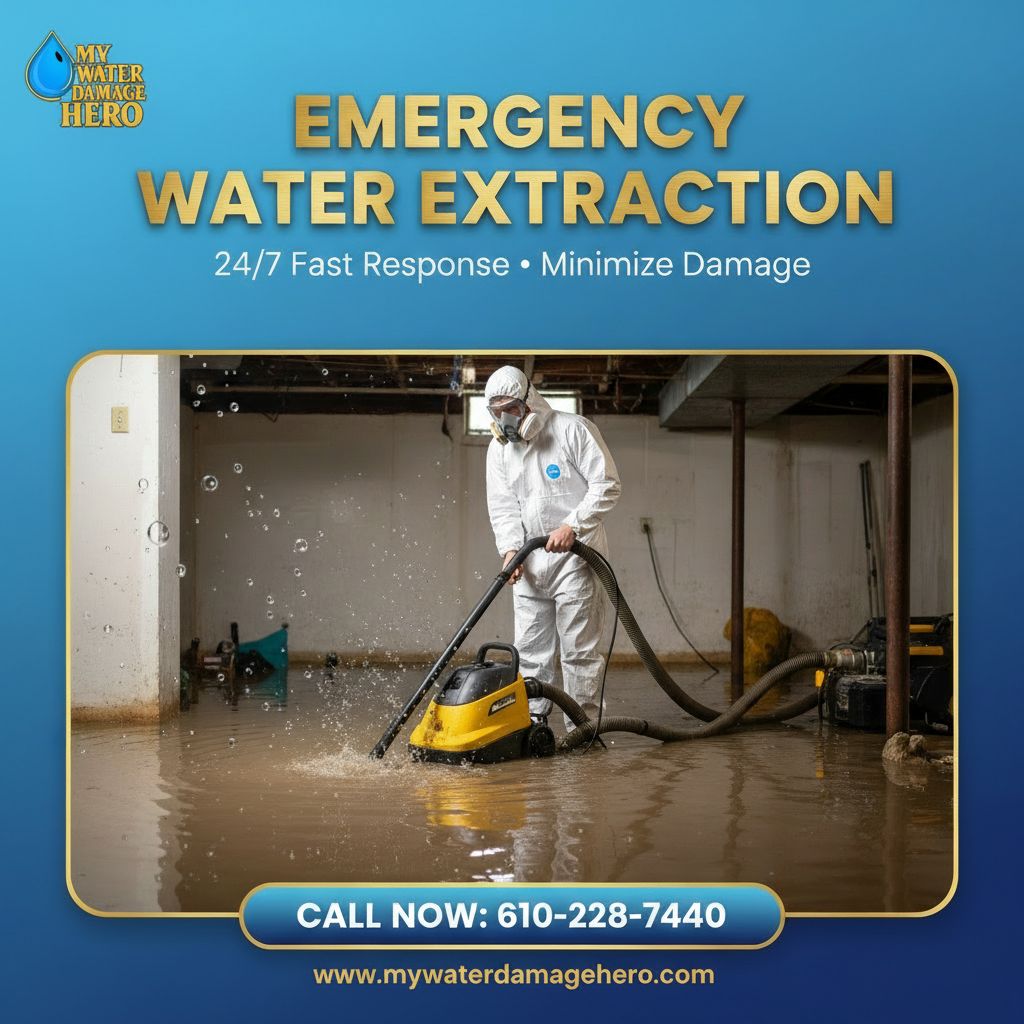
The second you spot water where it shouldn't be, start moving. Stop the source if you can (like turning off the main water valve). Use a wet/dry vacuum to get up what you can see, and call in the pros for a professional assessment. Quick action is the difference between a simple dry-out and a full-blown mold remediation project.
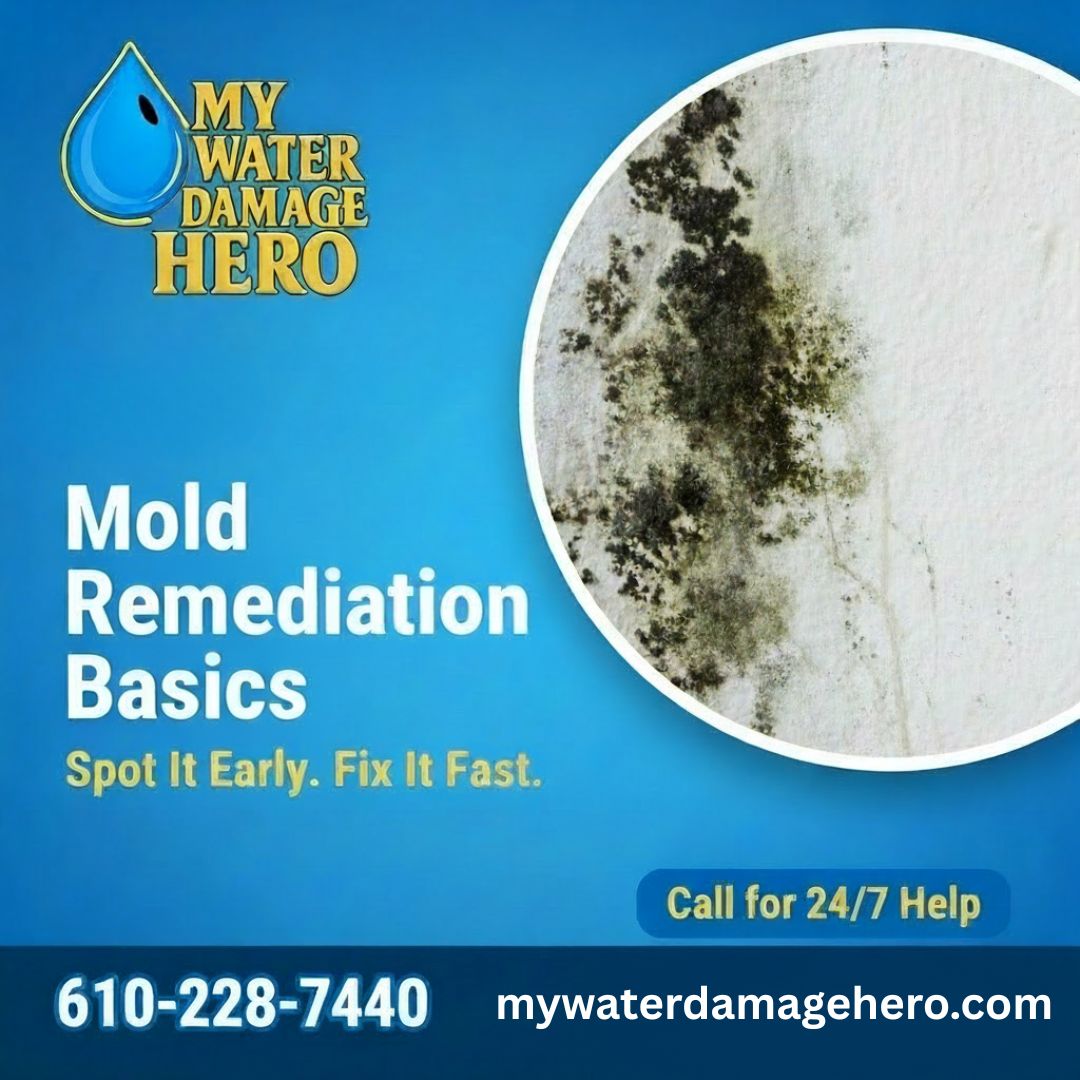
A lot of people think that if they wipe up the water and spray a little bleach, they’re safe from mold. This is a huge misconception. Mold is sneaky. It doesn't just grow on the surface; it grows inside the materials.
If you don't address the moisture properly, mold can spread spores through your HVAC system, leading to a need for intensive air duct cleaning and professional remediation. Simply cleaning the surface often just disturbs the spores, making them airborne and easier to breathe in.
How to Fix It:
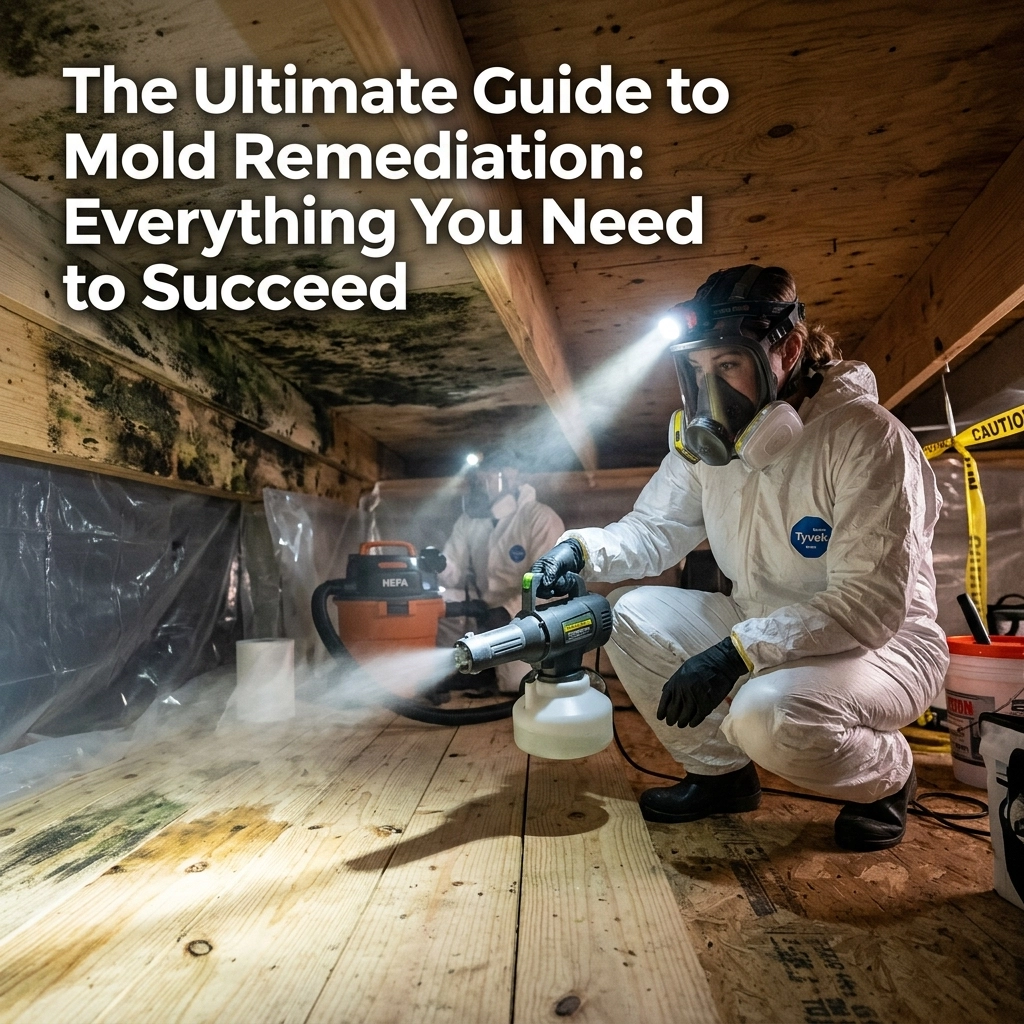
Assume mold is already invited to the party if things have been wet for more than a day. Don't just look at the floor: check behind baseboards and inside wall cavities. Professional restoration teams use specialized cleaners that actually kill mold at the root rather than just changing its color like bleach does.
This is probably the most common mistake we see. You run a household fan for a few hours, touch the carpet, and think, “Great, it’s dry!”
The problem? Your carpet might be dry, but the padding underneath is a sponge. The subfloor under that padding is likely still soaked. When water stays trapped in those hidden layers, it rots the wood and creates the perfect dark, damp environment for mold.
How to Fix It:
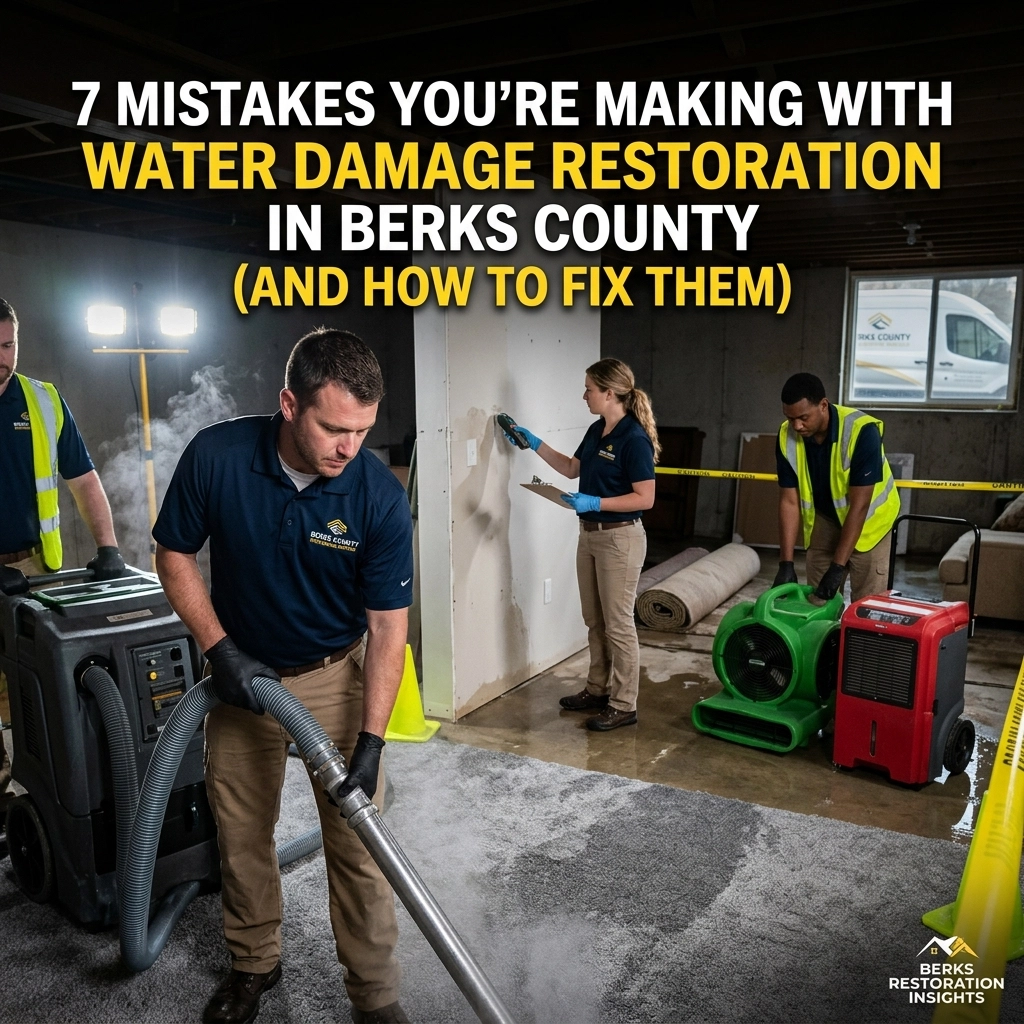
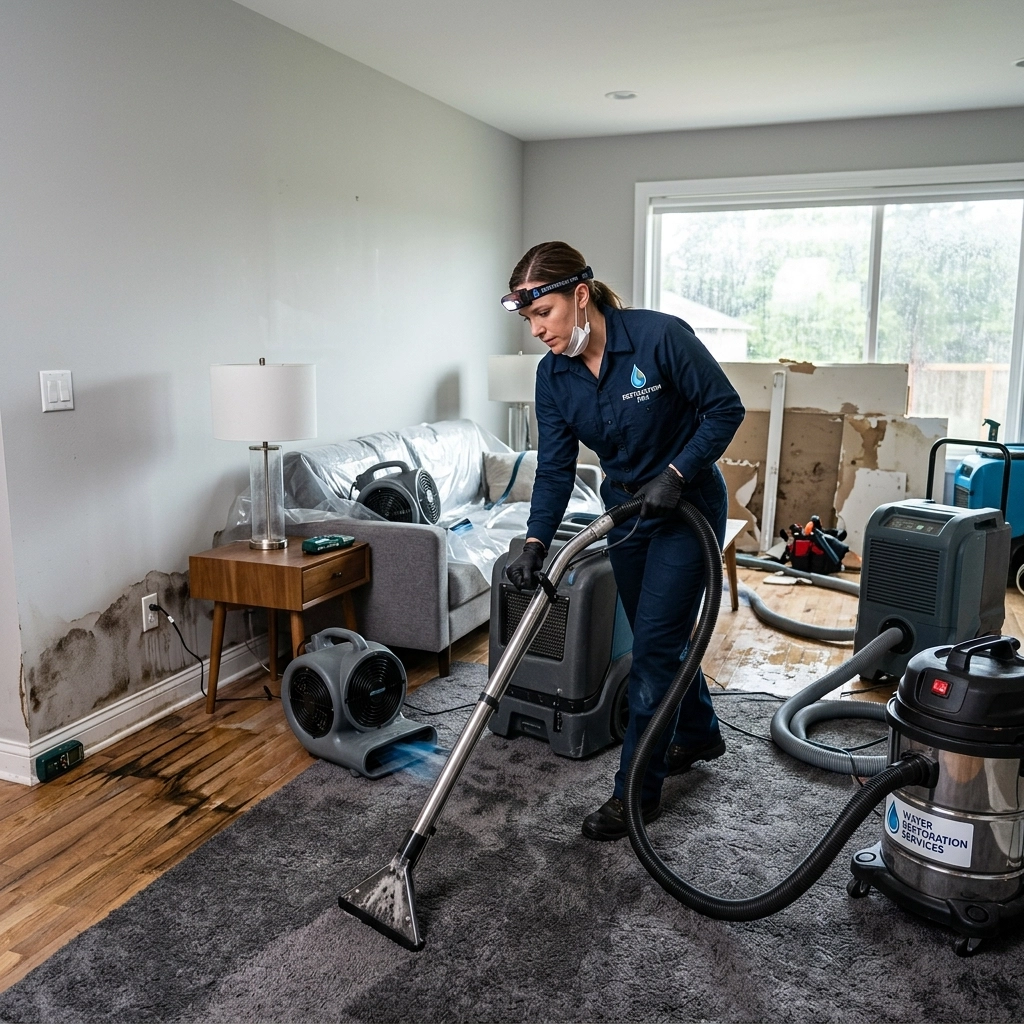
Professional water damage restoration involves using moisture meters and thermal imaging cameras. These tools see through walls and floors to tell us exactly where the moisture is hiding. To truly dry a home, you need industrial-grade air movers and LGR dehumidifiers that pull gallons of water out of the air: not just a desk fan.

We love a good shop vac, but it has its limits. Household equipment isn't designed to handle the volume of water or the humidity levels that come with a flood or a major pipe burst.
Another big mistake is turning up the heat in your house thinking it will "evaporate" the water. While heat can help, if the humidity isn't being managed by a dehumidifier, you’re essentially just creating a warm, tropical sauna: which is exactly what mold loves to grow in.
How to Fix It:
If the water is more than a tiny spill, you need commercial-grade gear. This includes high-velocity fans that create the right airflow patterns and heavy-duty extractors. If you’re dealing with a larger mess, it’s always better to rent the right gear or call a company like My Water Damage Hero that comes with the "big guns" already in the truck.
Water follows the path of least resistance. It flows down through floorboards and seeps behind drywall. We often see homeowners fix a leak in a second-floor bathroom but forget to check the ceiling of the first floor.
Overlooked water can lead to "hidden" damage that softens your home's structure. It can also affect your home’s air quality. If the moisture gets into your vents, you might eventually need fire damage restoration techniques to deal with odors or deep air duct cleaning to remove musty smells.
How to Fix It:
Be a detective. If you had a leak, check every room adjacent to, above, and below the site. Look for bubbling paint, peeling wallpaper, or a "soft" feeling in the drywall. If you see these signs, the water has already moved inside your walls.
We totally understand the urge to save money. But water damage is one of those things where a DIY "fail" can cost you ten times more in the long run. If you don't dry your home correctly, you could be looking at structural failure or health issues from mold. Plus, many insurance companies require professional documentation to cover your claim. If you do it yourself and mess up, they might not pay for the "fix" later.
How to Fix It:
Know your limits. You can DIY if:
If you don't check all those boxes, it's time to call the heroes.
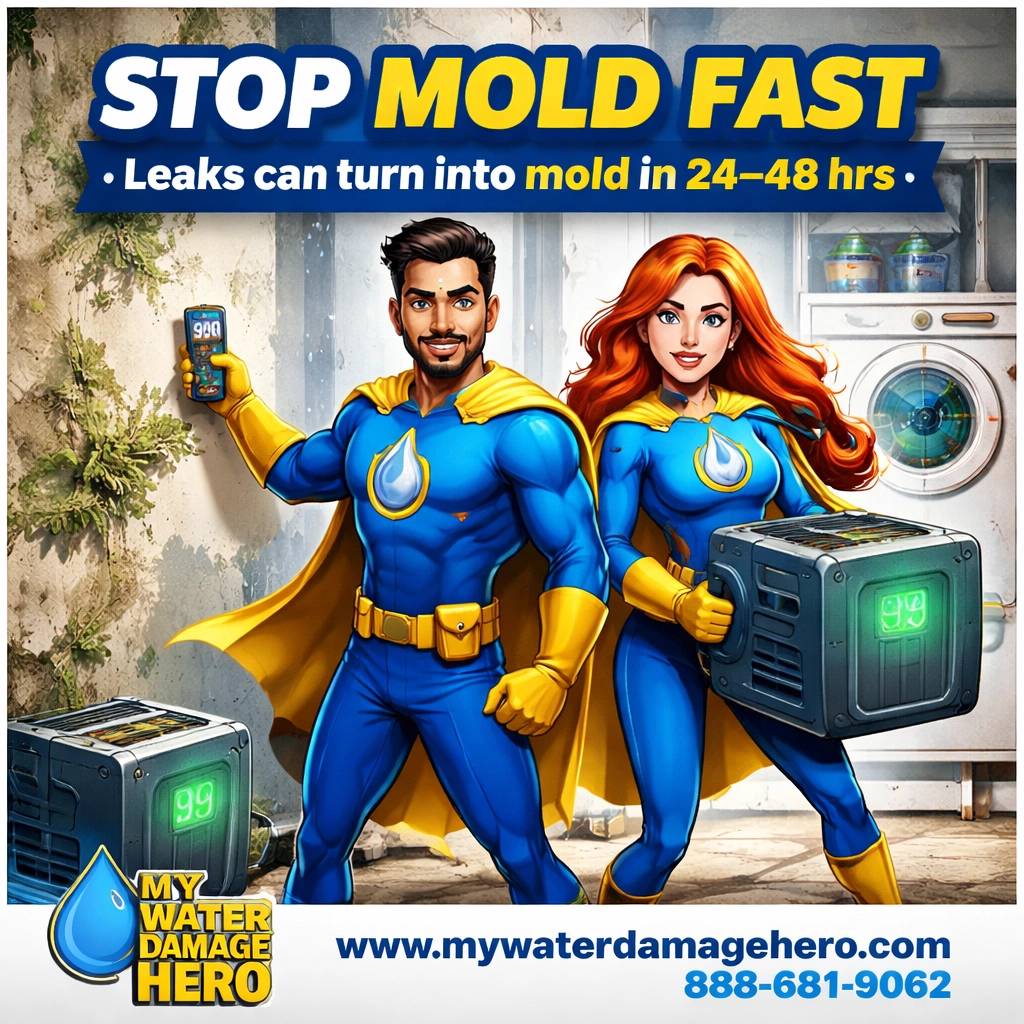
Imagine spending thousands on new hardwood floors and carpet cleaning only to have your dishwasher leak again a week later. It sounds crazy, but it happens! Homeowners often get so focused on the "cleanup" that they forget to ensure the original problem: the leaky roof, the cracked pipe, or the poor foundation drainage: is actually solved.
How to Fix It:
Before any restoration work begins, the source of the water must be 100% stopped. This might mean calling a plumber or a roofer first. Restoration is about putting your home back together, but that only works if the "invasion" has been stopped for good.
At the end of the day, your home is your biggest investment. Whether you’re dealing with a flooded basement or the aftermath of a kitchen fire requiring fire damage restoration, the goal is always the same: get things back to normal as fast and safely as possible.
Professional restoration companies don't just "clean up." We:
Don't let a small leak turn into a giant headache. If you’ve made one of these mistakes: or if you’re standing in water right now and don't know what to do: My Water Damage Hero is here for you. We specialize in everything from water damage restoration and mold remediation to air duct cleaning and fire damage restoration.
We’re simple, we’re fast, and we’re ready to help you save your home. Give us a call, and let’s get your house back to the way it’s supposed to be!
Contact us for quick, trusted restoration.
See how we’ve turned tough situations into success stories.

