
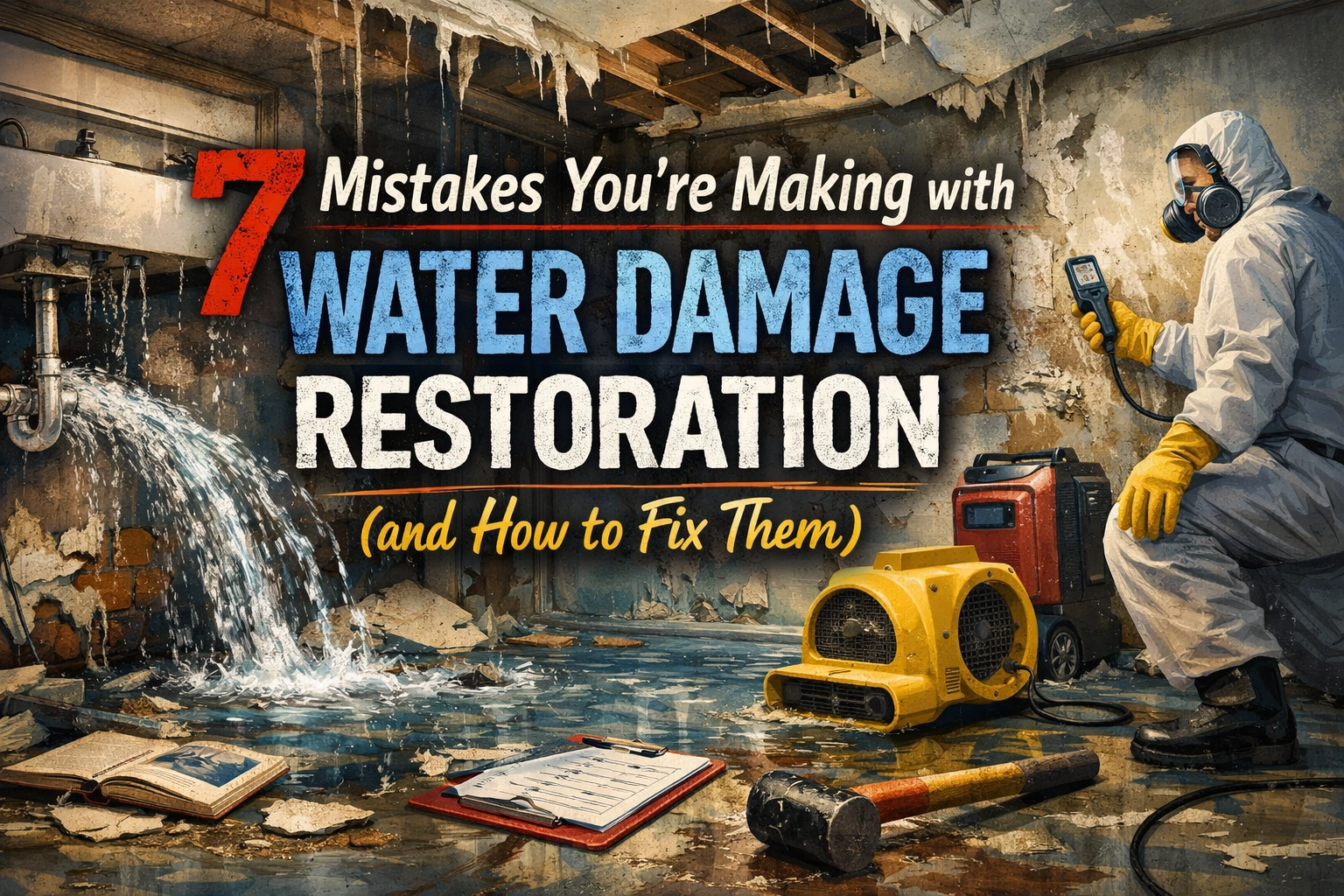
Hey there! If you’re reading this, chances are you’ve got a bit of a soggy situation on your hands: or you’re trying to make sure you never do. I’m Tonya, the Social Media Manager here at My Water Damage Hero, and I’ve seen it all. From "just a tiny leak" that turned into a mold forest to the classic "I’ll just put a towel on it" approach that led to a collapsed ceiling.
Water damage is sneaky. It doesn't just sit there; it travels, it soaks, and it grows. Most homeowners have the best intentions, but without the right tools and knowledge, those DIY fixes can actually lead to bigger (and much more expensive) problems.
We want to help you save your home and your sanity. So, let’s dive into the seven biggest mistakes people make with water damage restoration and, more importantly, how you can fix them before they drain your bank account.
This is probably the most common mistake we see. You find a damp spot on the carpet or a water stain on the ceiling, and you think, “I’ll keep an eye on it. Maybe it’ll just dry out.”
The Mistake: Delaying the restoration process. Time is your absolute worst enemy when it comes to water. Within just 24 to 48 hours, mold can begin colonizing. While the surface might look okay, the water is wicking deeper into your drywall, studs, and subflooring every minute it sits there.
The Fix: Start the cleanup immediately. If you have standing water, get it out now. If you have a damp area, it needs professional attention today, not next week. Waiting for an insurance adjuster to show up before you start drying is a recipe for a massive mold remediation bill. Most insurance policies actually require you to take "reasonable steps" to prevent further damage: waiting around does the opposite.

When a pipe bursts, it’s obvious where the water is. But what about the water you can’t see?
The Mistake: Assuming that if it looks dry and feels dry to your hand, the job is done. Water is a master of hide-and-seek. It seeps under baseboards, crawls up behind drywall, and pools under hardwood floors. If you only dry the surface, the moisture trapped inside your walls will rot the wood and create a hidden mold factory.
The Fix: You need a professional inspection. At My Water Damage Hero, our technicians use specialized tools like moisture meters and thermal imaging cameras. These allow us to "see" through walls and floors to find trapped pockets of water that the naked eye would never catch. Never assume a room is safe just because the carpet isn't squishing anymore.
We get it: you’ve got three box fans in the garage and a shop vac. You think you’re ready to tackle the flood.
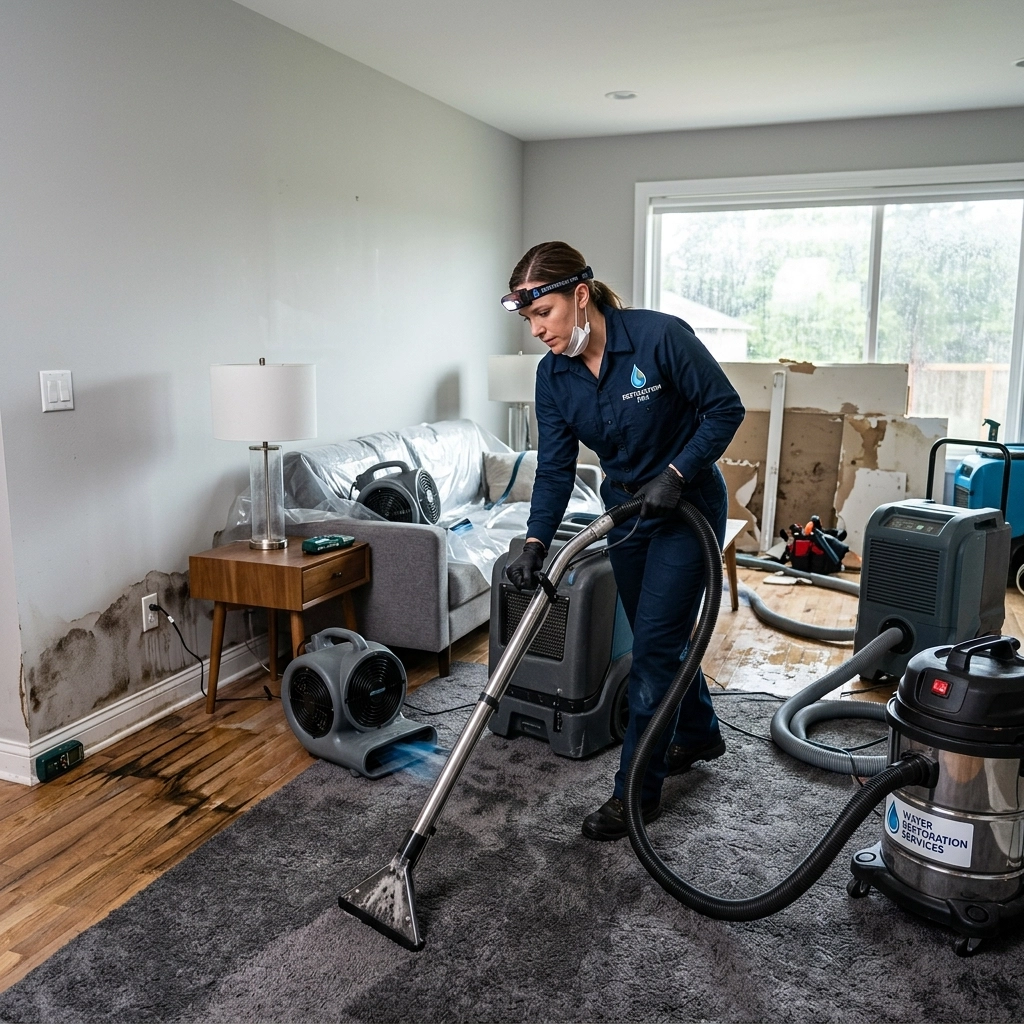
The Mistake: Using inadequate drying techniques. Household fans are designed to move air around a room for comfort; they aren't powerful enough to pull moisture out of structural materials. Even worse, household dehumidifiers usually can’t keep up with the massive amount of moisture released during a flood. They’ll fill up in an hour and stop working while you're asleep.
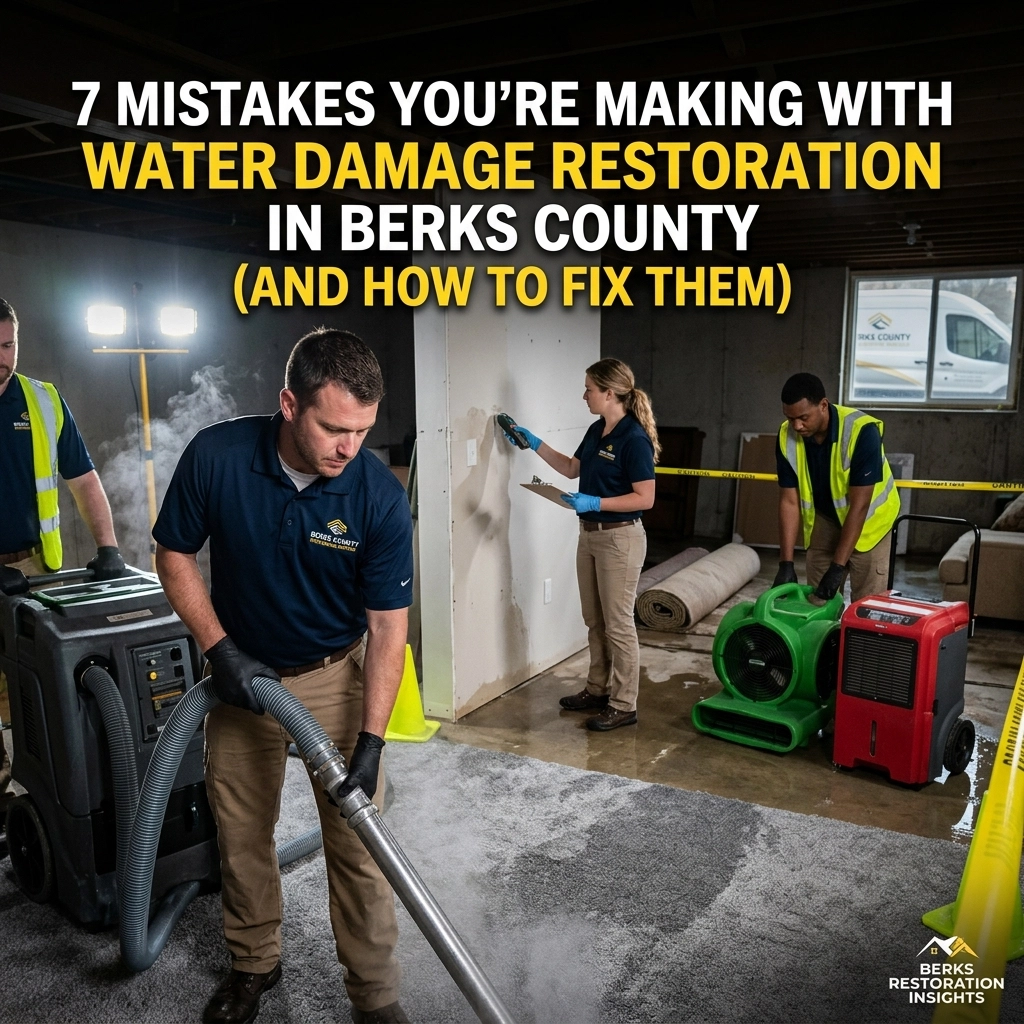
The Fix: You need professional-grade equipment. Water damage restoration requires industrial air movers (which create high-velocity airflow to force moisture out of materials) and LGR (Low Grain Refrigerant) dehumidifiers. These "beast" machines can pull gallons of water out of the air every single day.
 – A comparison showing industrial LGR dehumidifiers versus a standard household model in a water-damaged room.]
You spend all day mopping up water in the basement, you get it bone dry, and then three days later, it’s back.
The Mistake: Failing to identify and fix the root cause. This sounds simple, but you’d be surprised how often people skip this step. Whether it’s a hairline crack in a pipe, a clogged gutter, or a failing sump pump, if you don't fix the source, the restoration is just a temporary bandage.
The Fix: Stop the leak first. Before you even start the carpet cleaning or drying process, make sure the water source is dead. If it’s a burst pipe, shut off the main water valve. If it’s a roof leak, get a tarp up. Once the "inflow" is stopped, then: and only then: can the real restoration begin.
We love a good DIY project as much as anyone, but water damage is one of those things that usually requires a pro.
The Mistake: Attempting DIY restoration when the damage is extensive. There is a very specific set of criteria where DIY is okay: the water is clean (not sewage), it happened less than 24 hours ago, and it didn't go behind any walls. If your situation doesn't fit that perfectly, you're taking a massive risk. You could end up with structural instability or serious health issues from mold.
The Fix: Know when to call My Water Damage Hero. If the water is "grey" (from a dishwasher or laundry) or "black" (sewage or floodwater), stay away. That water is full of bacteria and pathogens. Let the experts in protective gear handle the extraction and cleanup. It’s safer for you and better for your home’s resale value to have a certified professional handle the fire damage restoration or water mitigation.
When people see a water stain or a little bit of mold, their first instinct is often to grab a bucket of soapy water and a scrub brush.
The Mistake: Over-wetting during cleanup. Scrubbing water-damaged areas with more water and soap actually pushes contaminants deeper into the porous materials like wood or drywall. Also, using bleach on mold doesn't actually kill the roots on porous surfaces: it just bleaches the color, making you think it’s gone while it continues to eat your wall from the inside.
The Fix: Focus on evaporation and extraction. The goal is to get the water out, not add more. Once the area is professionally dried and verified with moisture meters, then you can move on to specialized cleaning. This might include professional carpet cleaning or upholstery treatment using antimicrobial solutions that are designed to kill mold spores without soaking the material.
After a flood or a fire, most people focus on the floors and walls. But what about the stuff you’re breathing?
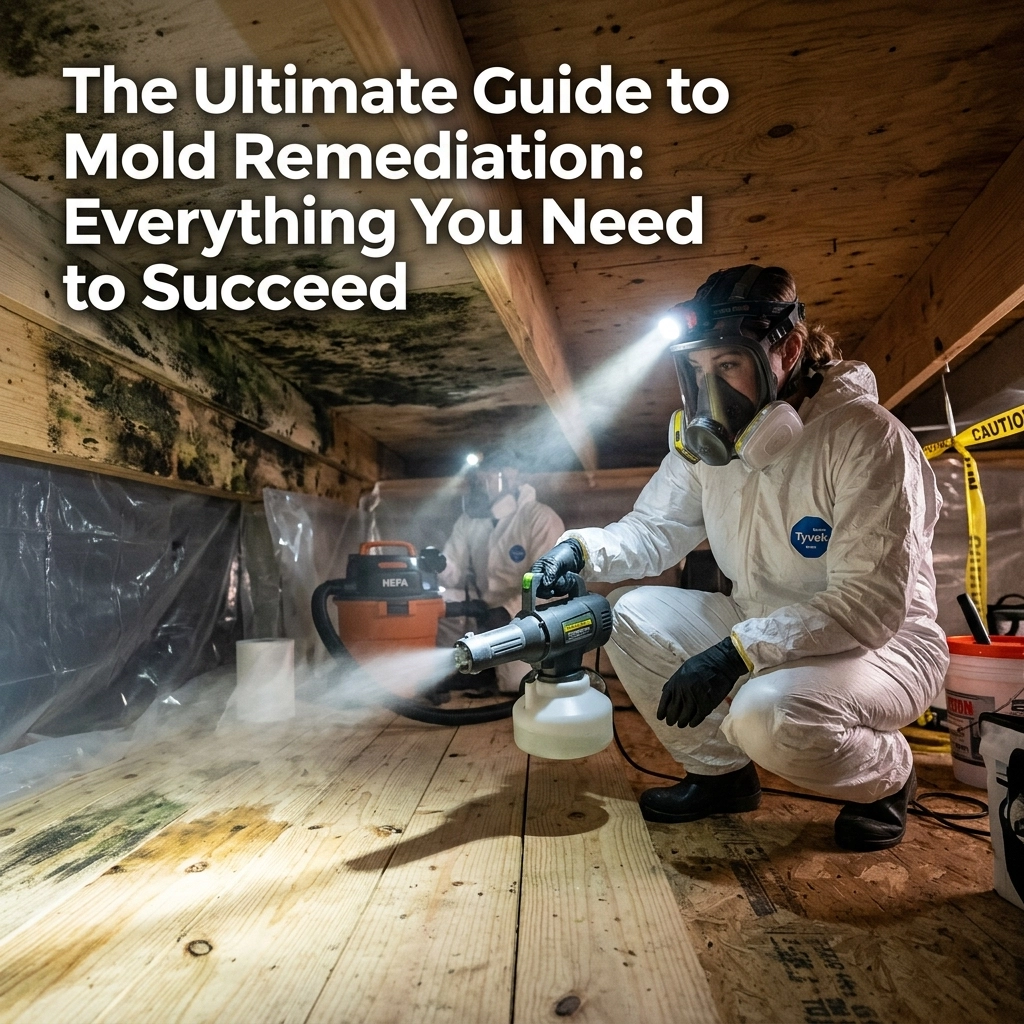
The Mistake: Skipping mold inspections and air duct cleaning. When you have standing water or high humidity, mold spores travel through the air. They love to settle in your HVAC system, where it’s dark and damp. If you restore your living room but leave the vents alone, you’ll just be blowing mold spores back into your clean house every time the AC kicks on.
The Fix: Make air quality part of your restoration plan. A professional mold inspection is vital to ensure your "dry" house is actually a "healthy" house. We also highly recommend air duct cleaning after any major water or fire event. This ensures that soot, dust, and mold spores are removed from your ventilation system, giving you truly clean air to breathe.
Dealing with water damage is overwhelming. It’s loud, it smells, and it’s expensive. But avoiding these seven mistakes can be the difference between a quick dry-out and a total home renovation.
Remember:
At My Water Damage Hero, we handle everything from basic water extraction to complex fire damage restoration and mold remediation. We serve Berks, Bucks, Chester, Delaware, and Montgomery counties, and we’re available 24/7 because pipes don’t just burst during business hours!

If you’re facing a leak, a flood, or a mystery smell, don’t wait. Give us a call, and let’s get your home back to normal. We’ll handle the heavy lifting, the loud fans, and the insurance paperwork so you can get back to your life. Stay dry out there!
Contact us for quick, trusted restoration.
See how we’ve turned tough situations into success stories.

