
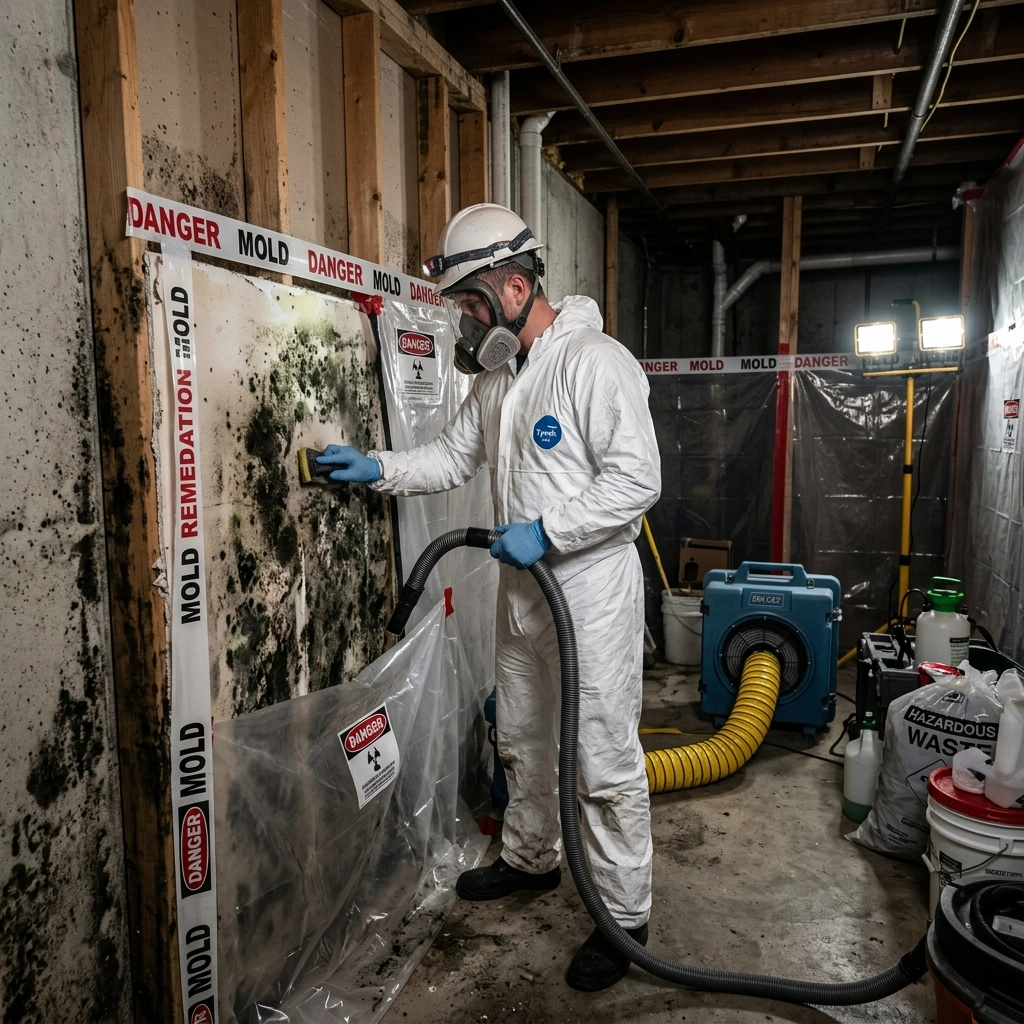
Finding a patch of fuzzy green or black growth in your basement or under your sink is enough to ruin any homeowner's day. Your first instinct might be to grab a bucket of bleach and a scrub brush to tackle the problem yourself. We get it: you want that mold gone, and you want it gone fast!
However, mold remediation isn't as simple as cleaning up a coffee spill. In fact, if you handle it the wrong way, you could end up making the problem much worse, spreading spores throughout your entire house and potentially putting your family’s health at risk. At My Water Damage Hero, we’ve seen plenty of DIY projects gone wrong.
To help you keep your home safe, here are the seven most common mistakes people make with mold remediation and, more importantly, how you can fix them.
The most common mistake homeowners make is reaching for a gallon of household bleach. While bleach is great for sanitizing your countertops, it’s often ineffective against mold on porous surfaces like drywall, wood, or carpet.
Bleach contains a lot of water. When you spray it on a porous surface, the chlorine stays on the top while the water soaks into the material. This actually feeds the mold roots (hyphae) deep inside the wall! You might see the black stain disappear temporarily, but the mold will likely come back stronger than ever within a week or two.
The Fix:
Skip the bleach. Instead, use professional-grade antimicrobial cleaners specifically formulated for mold remediation. If you’re looking for a DIY solution for a very small area (less than 10 square feet), look for products containing tea tree oil or distilled white vinegar, which can penetrate better than bleach. However, for anything larger, you need professional-strength solutions that kill the mold at the root.

Mold is a symptom, not the source. Mold needs three things to grow: food (like your drywall), a nice temperature, and moisture. You can’t get rid of your walls, and you can’t keep your house at freezing temperatures, so the only thing you can control is the moisture.
Many people clean up the mold but ignore the tiny pipe leak behind the wall or the high humidity in the basement. If you don’t fix the water issue, the mold will return. It’s not a matter of if; it’s a matter of when.
The Fix:
Before you start cleaning, find the water. This is where water damage restoration expertise comes in handy. Use moisture meters or thermal imaging cameras to find hidden leaks. Fix the plumbing, repair the roof, or install a high-quality sump pump. Once the "food" is dry, the mold can't survive.
In a moment of frustration, it’s tempting to think, "If this cleaner works okay, mixing it with another one will work even better!" This is one of the most dangerous mistakes you can make.
Mixing bleach with ammonia-based cleaners (which are found in many glass and floor cleaners) creates toxic chlorine gas. This gas can cause severe respiratory distress, stinging eyes, and even permanent lung damage.
The Fix:
Never, ever mix cleaning chemicals. Use one product at a time, follow the manufacturer’s instructions to the letter, and ensure the area is well-ventilated. If a product isn't working, rinse the area thoroughly with water and let it dry completely before trying a different cleaner.
We call this the "landlord special," but homeowners do it too. If you see a mold stain on the ceiling, painting over it might make it look better for a few days, but it does absolutely nothing to stop the growth. Mold can grow through paint, and eventually, the paint will start to bubble, peel, and flake off, revealing a much larger mess underneath.
Caulking over mold in the shower is just as bad. The mold will continue to eat the silicone or grout from the inside out, eventually causing the seal to fail and water to leak into your subfloor.
The Fix:
You must physically remove the mold and the moisture source before applying any "mold-resistant" paint. If the mold is on drywall, the best fix is usually to cut out the affected section and replace it. Only after the area is clean, dry, and mold-free should you reach for the paintbrush.
When you disturb mold, it releases millions of microscopic spores into the air. If you aren't wearing the right gear, you’re breathing those spores directly into your lungs. This can cause allergic reactions, asthma attacks, and other long-term health issues. Simple dust masks from the hardware store aren't enough to stop mold spores.
The Fix:
Always wear a high-quality N95 respirator mask: ensure it fits snugly against your face. You should also wear long sleeves, pants, gloves, and safety goggles. Professional mold remediation teams wear full suits for a reason; it’s the only way to ensure you don't carry spores into the "clean" parts of your home on your clothes or skin.
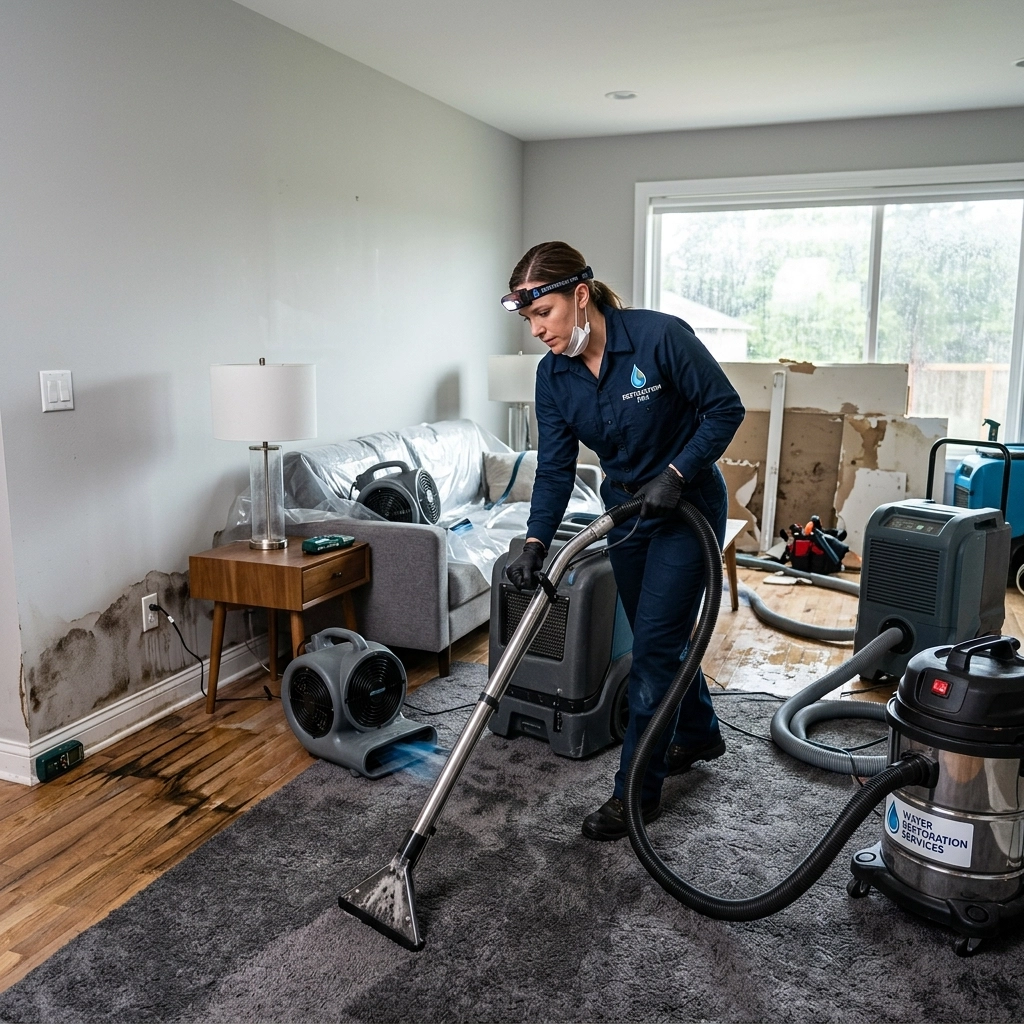
If you start scrubbing or tearing out moldy drywall without sealing off the room, you are essentially turning on a giant "spore fan." Those spores will travel through your hallways and into your HVAC system, settling on your furniture and in your carpets. You might fix a small problem in the bathroom only to realize a month later that you now have mold in your bedroom closet.
The Fix:
Before starting any work, seal off the affected area with heavy-duty plastic sheeting and duct tape. Cover all air vents and doors. Ideally, you should set up "negative air pressure" using a HEPA air scrubber to pull air out of the room and exhaust it outdoors, ensuring no spores escape into the rest of the house.

Many people think the job is done once the visible mold is gone. However, mold spores stay suspended in the air for a long time. If your home stays humid (above 50-60%), those spores will just land on a new surface and start the cycle all over again.
Furthermore, if mold was present in your living areas, there’s a high chance it’s also in your ventilation system. Ignoring air duct cleaning after a major mold event is a recipe for recurring issues.
The Fix:
Invest in a good dehumidifier to keep your home's humidity levels between 30% and 50%. After remediation, consider having a professional perform carpet cleaning and air duct cleaning to remove any lingering spores from your soft surfaces and ventilation. This ensures the air your family breathes is actually clean.
While it’s tempting to handle things yourself, mold is tricky. If the affected area is larger than a standard 3×3 foot patch, if you smell a musty odor but can't find the source, or if you have hidden water damage from a recent fire (requiring fire damage restoration) or flood, it’s time to call in the heroes.
At My Water Damage Hero, we specialize in professional mold remediation across Berks, Bucks, Chester, Delaware, and Montgomery counties. We don’t just "clean" the mold; we find the source, contain the area, and ensure your home is safe for your family.

Don't let a small mold mistake turn into a massive home renovation project. If you suspect you have a mold problem, or if you’ve tried to fix it and it keeps coming back, give us a call at 610-228-7440. We offer expert mold testing and 24/7 emergency response to help you get your home back to normal.
Summary of How to Fix It:
Your home is your sanctuary. Let's keep it that way!
Contact us for quick, trusted restoration.
See how we’ve turned tough situations into success stories.

