
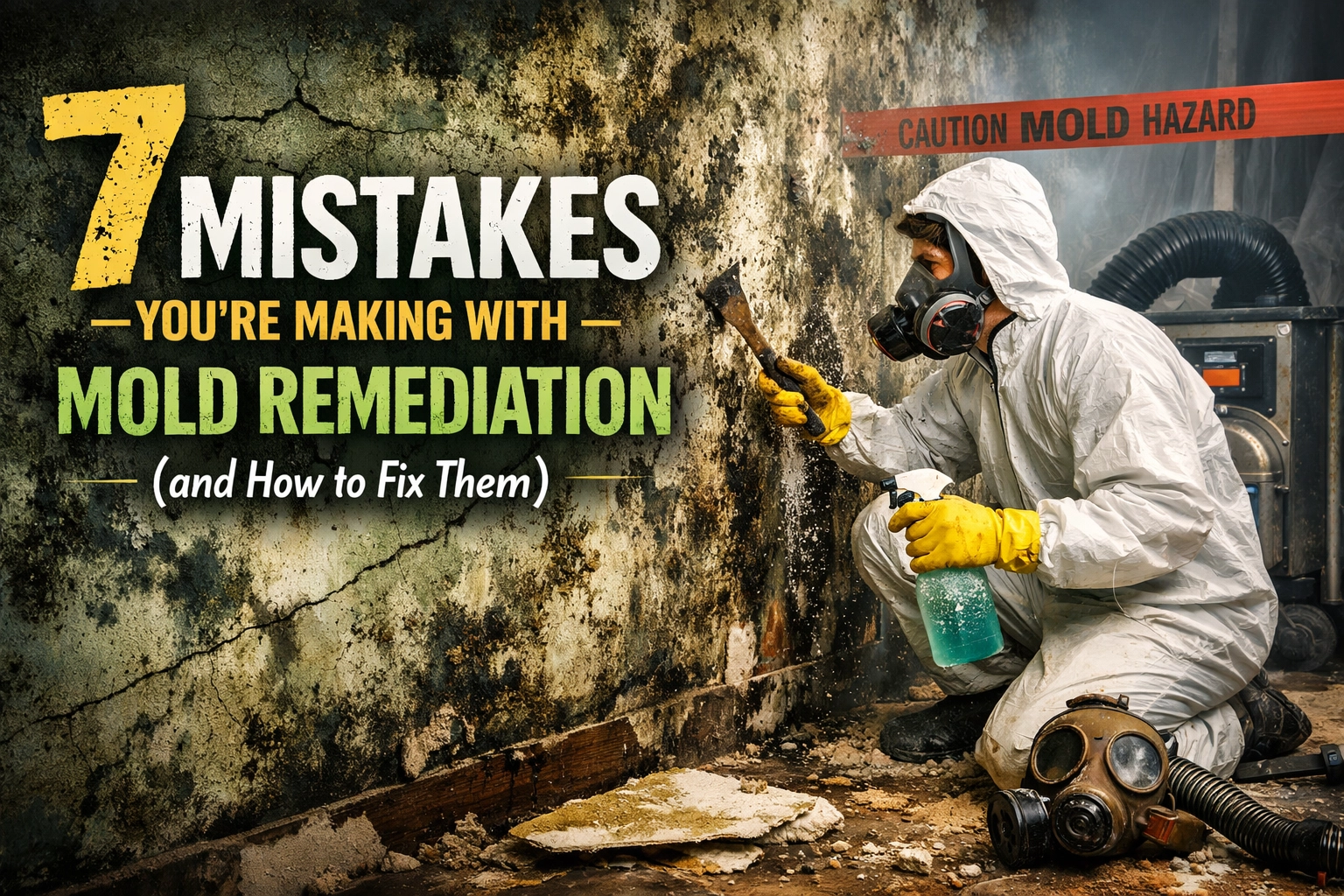
Hey there, homeowners! Tonya George here, your Social Media Manager at My Water Damage Hero. If you’ve ever walked into your basement or opened a cabinet only to be greeted by that unmistakable, musty smell, you know the feeling of instant dread. Mold is one of those things that can make anyone panic.
Naturally, your first instinct is to grab a bucket, some rags, and whatever cleaning spray is under the sink to scrub it away. But here’s the thing: mold is a tricky beast. Often, the way we try to "fix" it actually makes the problem worse. Whether you’re dealing with the aftermath of a leaky pipe or just a humid summer, doing mold remediation the wrong way can lead to health issues and even more expensive repairs down the line.
At My Water Damage Hero, we see these common blunders every day. To save you some time, money, and stress, I’ve put together the seven biggest mistakes people make with mold remediation: and exactly how you can fix them.
The biggest mistake we see is treating mold like a simple stain. If you see mold on a wall, wiping it off is only half the battle. Mold doesn’t just show up for no reason; it needs a food source (like drywall or wood) and, most importantly, moisture.
The Mistake: Many homeowners focus only on removing visible mold without fixing the underlying moisture problem. This leads to recurring mold growth, making the remediation a temporary band-aid solution rather than a permanent fix.
The Fix: You have to play detective. Before you even think about cleaning, you need to identify and eliminate the moisture source. This might mean fixing a hidden leak behind the wall, addressing condensation on windows, or improving ventilation in a damp bathroom. At My Water Damage Hero, we use professional tools like moisture meters and thermal imaging to detect hidden moisture that the naked eye just can’t see. If you don’t stop the water, the mold will be back before you know it.
We all have that one "all-purpose" cleaner that we swear by for the kitchen counters. However, when it comes to mold, your standard household sprays usually lack the "oomph" needed to actually kill the spores.
The Mistake: DIY approaches often rely on products that lack sufficient mold-killing power, reducing the effectiveness of remediation efforts. You might kill the surface growth, but the roots remain.
The Fix: Use safe, effective cleaning products specifically formulated for mold remediation. There are newer, safer technologies available now that use natural enzyme formulations rather than harsh, toxic chemicals. These are much better for your family’s health and more effective at breaking down the mold structure. Always follow the manufacturer’s instructions for dilution and contact time: most products need to sit for a few minutes to actually work.
We get it: mold is ugly. It leaves nasty black and green stains that ruin the look of your home. It’s tempting to just slap a fresh coat of paint or a bead of caulk over it and call it a day.
The Mistake: Painting or caulking over moldy surfaces masks the problem without stopping growth. This allows mold to continue spreading beneath the surface, where it can rot your studs and drywall unseen. This can lead to far more extensive damage over time and can even cause structural issues.
The Fix: You have to remove the contaminated materials entirely if they are porous (like drywall or insulation). If the surface is non-porous (like metal or glass), it must be thoroughly cleaned and dried before any cosmetic work begins. Only paint or caulk after the underlying moisture problem is resolved and the area is 100% mold-free.
When people get frustrated with mold, they sometimes think "stronger is better" and start mixing different cleaners together to create a super-solution. This is incredibly dangerous.
The Mistake: Combining cleaning products: especially bleach and ammonia-containing cleaners: can produce toxic chlorine gas. This gas is highly irritating and dangerous to your respiratory system, eyes, and skin. In a confined space like a bathroom or basement, this can be life-threatening.
The Fix: Stick to one cleaner at a time. If one product doesn’t work, rinse the area thoroughly with water and let it dry completely before trying a different product. Never, ever mix chemicals. Your health is way more important than a clean wall!
You can scrub every inch of your home, but if the air is thick with moisture, the mold will return. Mold spores are everywhere: they are just waiting for the right "humid" conditions to land and grow.
The Mistake: Relying only on air filters or surface cleaning without removing excess humidity allows mold spores to continue thriving. Poor ventilation enables moisture buildup that feeds ongoing mold growth, especially in attics and crawlspaces.
The Fix: You need to manage the air quality. This means using dehumidifiers in high-humidity areas and ensuring your home has proper airflow. This is also where air duct cleaning comes into play. If your HVAC system is dirty or damp, it could be blowing mold spores into every room of your house. Make sure your bathroom fans vent to the outside (not the attic!) and consider installing a whole-home dehumidifier if you live in a particularly damp climate.

This is a mistake that often turns a small problem into a whole-house disaster. When you start scrubbing or tearing out moldy drywall, you release millions of tiny spores into the air.
The Mistake: Disturbing mold without proper containment spreads spores throughout your home, potentially contaminating other areas that were previously clean. Methods like dry scrubbing or using high-pressure water scatter contaminants instead of removing them.
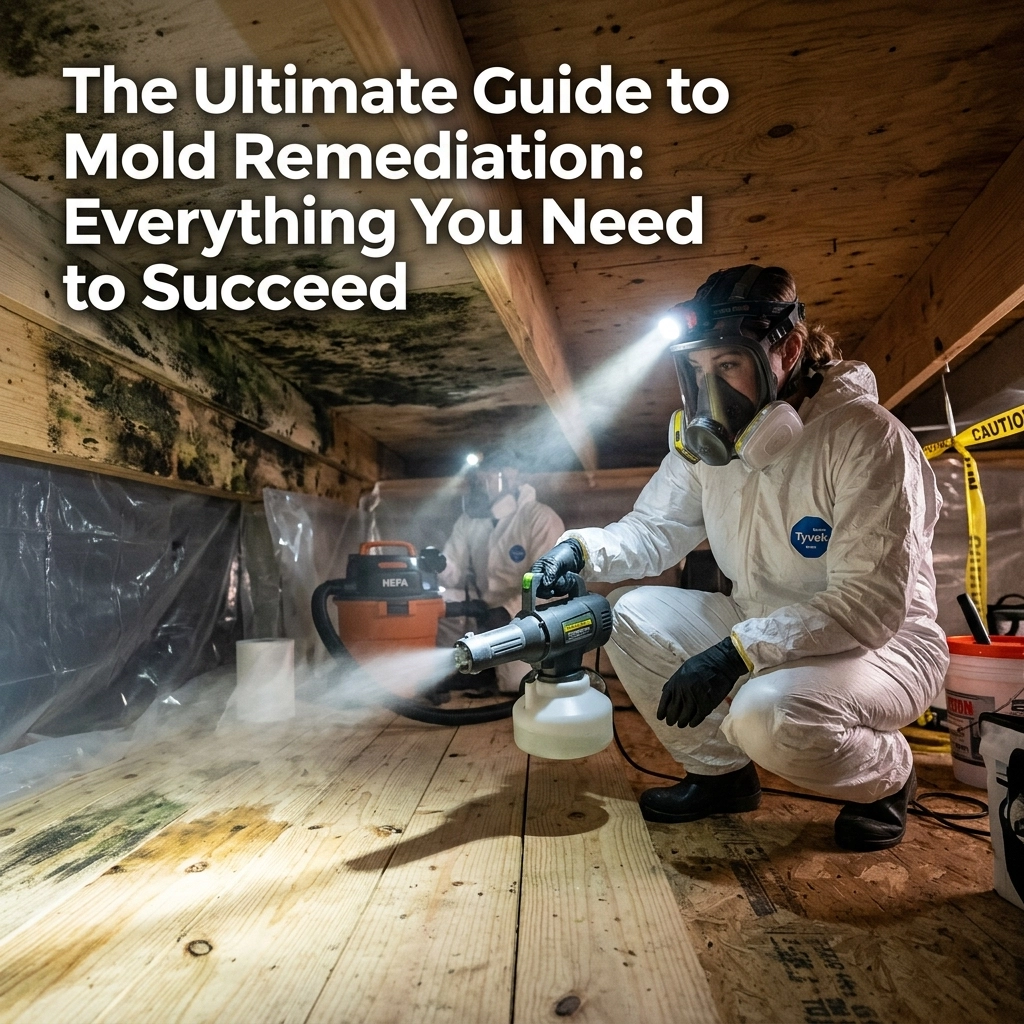
The Fix: Professionals use "negative air pressure" and plastic sheeting to seal off the work area. If you’re doing a small DIY fix, at the very least, you should seal off the room with plastic and painter's tape. Turn off your HVAC system so the spores don't get sucked into the vents. You should also wear a high-quality N95 mask, gloves, and goggles to protect yourself.

This is perhaps the most common myth in the world of home maintenance. Everyone thinks bleach is the ultimate mold killer. While it’s great for your laundry, it’s not the hero you think it is for mold.
The Mistake: While bleach can work on non-porous surfaces (like your bathtub), it doesn't penetrate porous materials like drywall or wood. On these materials, bleach can actually make the problem worse. The water in the bleach solution soaks into the wood, essentially "feeding" the mold roots while the chlorine stays on the surface. You’ll think the mold is gone because the surface is white, but it’s actually growing deeper inside.
The Fix: Use antifungal cleaners specifically designed for the material you are treating. For porous materials that aren't severely damaged, you can use specialized antifungal treatments that provide deeper protection. However, if drywall or carpet padding is significantly moldy, the best "fix" is usually to replace it entirely.
We know it’s tempting to try and handle everything yourself. But mold remediation is a specialized field for a reason. When you hire My Water Damage Hero, you’re not just getting someone with a sponge. You’re getting:
Dealing with mold doesn't have to be a nightmare. By avoiding these seven mistakes, you’re already ahead of the game. Remember:
If the job feels too big or you want the peace of mind that comes with a professional touch, give us a call at My Water Damage Hero. Whether it’s a small leak or a major restoration project, we’re here to help you get your home back to being a safe, healthy place for your family. Stay dry and stay safe!
Contact us for quick, trusted restoration.
See how we’ve turned tough situations into success stories.

