March 27, 2026
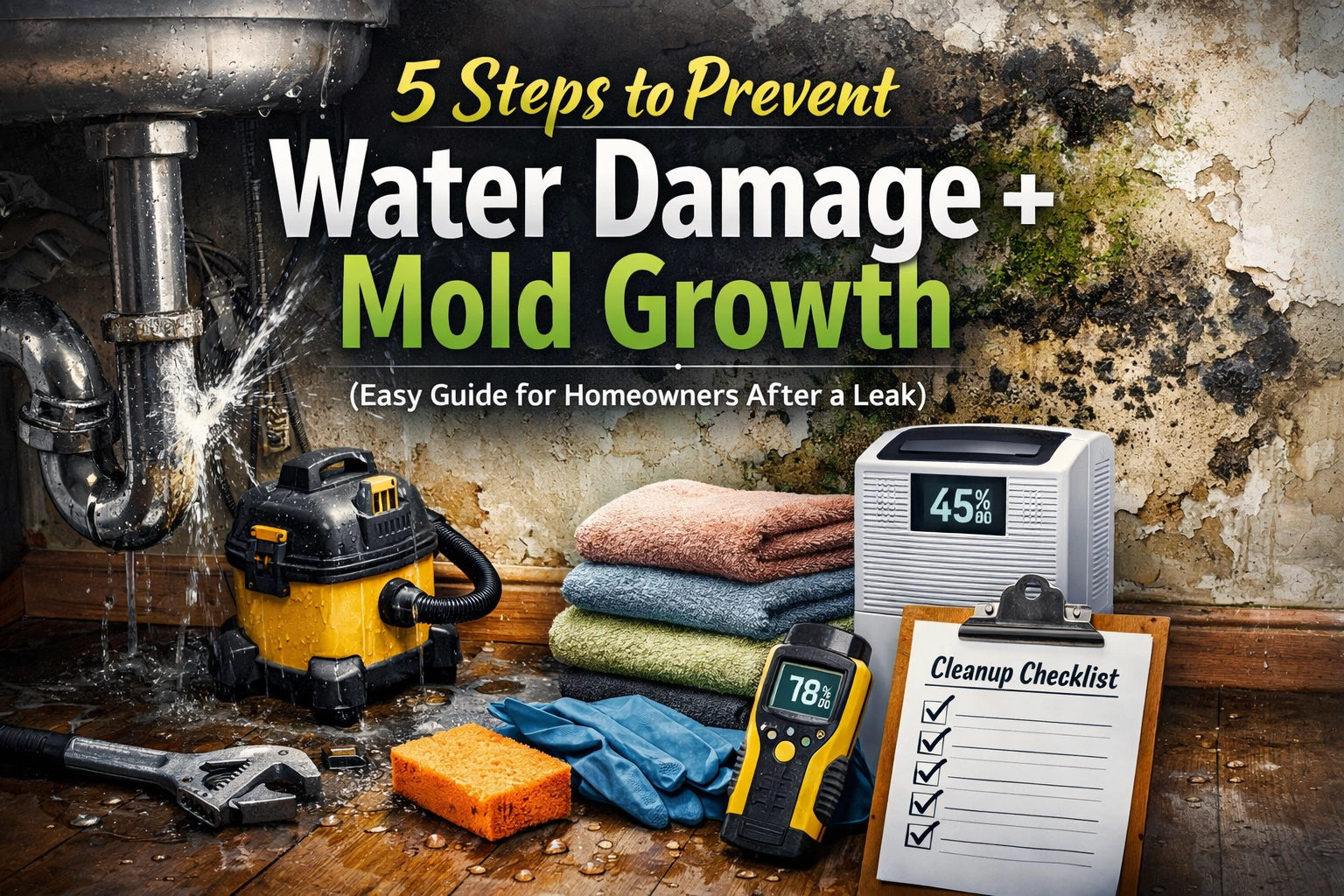
5 Steps to Prevent Water Damage + Mold Growth (Easy Guide for Homeowners After a Leak)
Hey there! If you’re reading this, you might be staring at a puddle on your kitchen floor or watching a mysterious drip come from your ceiling. First off: breathe. We know how stressful it is when water starts showing up where it doesn’t belong.
At My Water Damage Hero, we see this every single day. Whether it’s a burst pipe in the middle of a freezing night or a dishwasher that decided to quit in a big, wet way, the steps you take in the first few hours are the difference between a quick cleanup and a massive, expensive mold remediation project.
Water is sneaky. It doesn't just sit on the floor; it soaks into your baseboards, dives under your laminate, and climbs up your drywall. If you don't act fast, mold can start moving in within just 24 to 48 hours.
Here is our easy, 5-step guide to protecting your home and your health after a leak.
1. Safety First: Don’t Get a Shocking Surprise
Before you grab a mop, you need to make sure the area is safe. Water and electricity are a dangerous duo. If the leak is near outlets, appliances, or your circuit breaker, you need to be extremely careful.
- Turn off the power: If there’s standing water in a room, go to your breaker box and shut off the power to those specific circuits. If the breaker box itself is wet or the area around it is flooded, do not touch it. Call an electrician or a professional restoration team immediately.
- Check the ceiling: If you have a leak coming from upstairs, look for sagging drywall. Water-logged ceilings are heavy and can collapse without much warning. Don’t stand directly under a bulging spot.
- Wear protection: If the water looks "dirty" (like from a sewage line or a backed-up sump pump), don't touch it with your bare skin. Wear rubber boots and gloves.
Safety isn’t just about electricity; it’s about the structural integrity of your home. Once you know the "danger zone" is handled, you can move on to fixing the source.
2. Stop the Water at the Source
You can’t start the water damage restoration process until the water actually stops flowing. It sounds obvious, but in the heat of the moment, many people start cleaning up while the pipe is still dripping!
- Find the local shut-off: Most toilets, sinks, and washing machines have a small valve behind them. Turn it clockwise to stop the flow to that specific fixture.
- The Main Shut-off: If a pipe burst inside a wall or you can't find the local leak, you need to turn off the main water valve for the entire house. This is usually located in the basement, a crawl space, or outside near the water meter.
- Pro Tip: Everyone in your house should know exactly where the main water shut-off is. If you don’t know where yours is, go find it right now! Waiting for an emergency is the worst time to go on a scavenger hunt.

3. Get the Standing Water Out: FAST
Now that the "faucet" is off, it’s time to get the water out of your house. Time is your biggest enemy here. The longer water sits, the deeper it sinks into your flooring and the more likely you’ll need professional mold remediation later.
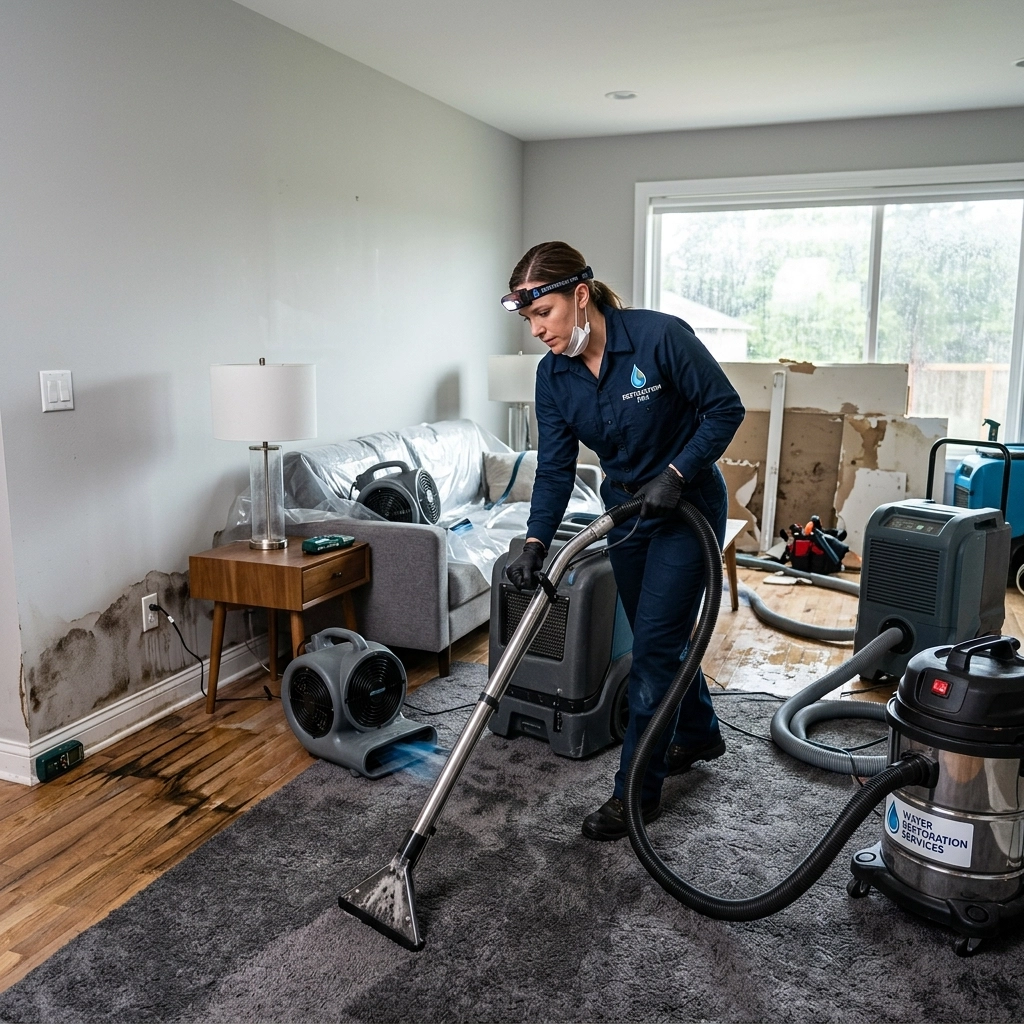
- The DIY Method: If it’s a small spill, use a wet/dry shop vac. Regular vacuum cleaners will be ruined if they suck up water, so don't try that! Use old towels to soak up the rest.
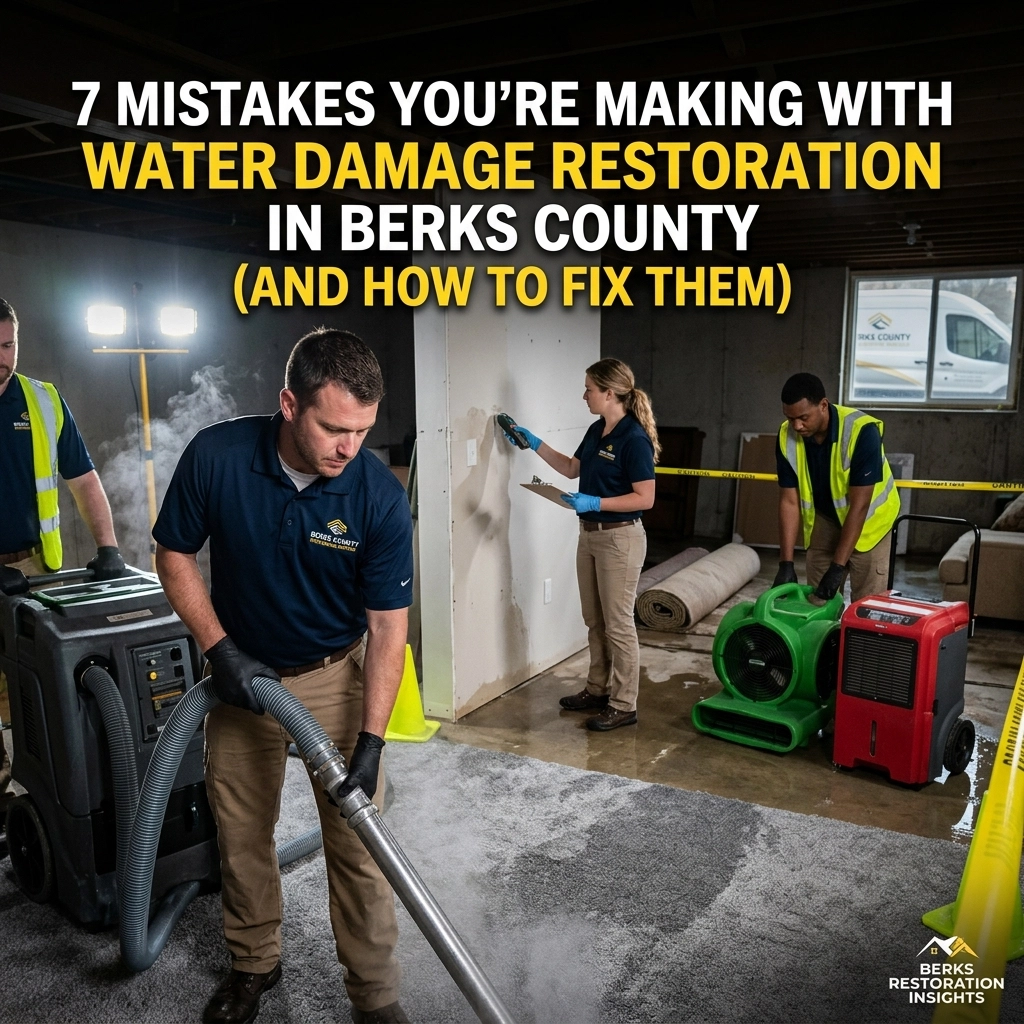
- The Professional Method: For anything more than a small puddle, you really want industrial-grade equipment. At My Water Damage Hero, we use powerful truck-mounted extraction units that pull water out of carpet padding and hardwood cracks that a shop vac simply can't reach.
- Move your stuff: Pick up rugs, furniture, and boxes. If wood furniture sits in water, the stain can bleed into your carpet, causing permanent damage. Prop up furniture legs on aluminum foil or wood blocks to keep them out of the dampness.
Remember: Water is like an uninvited guest that refuses to leave. It will hide under your carpet pad and stay there for weeks if you don't actively pull it out.
4. Dry Out the Space Completely
This is where most homeowners make a mistake. Just because the floor feels dry to the touch doesn't mean the job is done. Moisture hides inside walls and under floorboards. This hidden moisture is the primary cause of mold growth and structural rot.
- Airflow is Key: Open the windows if the weather is dry. Set up every fan you own. You want the air moving constantly.
- Dehumidify: This is the most important part of the drying process. You need to pull the moisture out of the air so it can’t settle back into the wood and drywall.
- Check the "Hidden" Spots: Sometimes water gets into your HVAC system. If you had a major flood, you might need air duct cleaning to ensure that mold spores aren't being blown through your vents every time the AC kicks on.
- Deep Cleaning: If your carpets were soaked, they’ll need more than just drying. Professional carpet cleaning is often necessary to remove the bacteria and minerals left behind by the water.

At My Water Damage Hero, we use thermal imaging cameras and moisture meters to "see" inside your walls. We make sure the studs and insulation are bone-dry before we call the job finished.
5. Document Everything and Watch for Mold
Before you throw away those ruined boxes of holiday decorations or rip up that wet carpet, take pictures. Lots of them.
- For Insurance: Your insurance company will want proof of the damage and the source of the leak. Take videos of the water flowing and photos of the damage to your property. Keep receipts for any fans you buy or professional services you hire.
- The 48-Hour Mold Rule: Mold spores are everywhere, but they need moisture to grow. If an area stays damp for more than 48 hours, mold is almost a certainty.
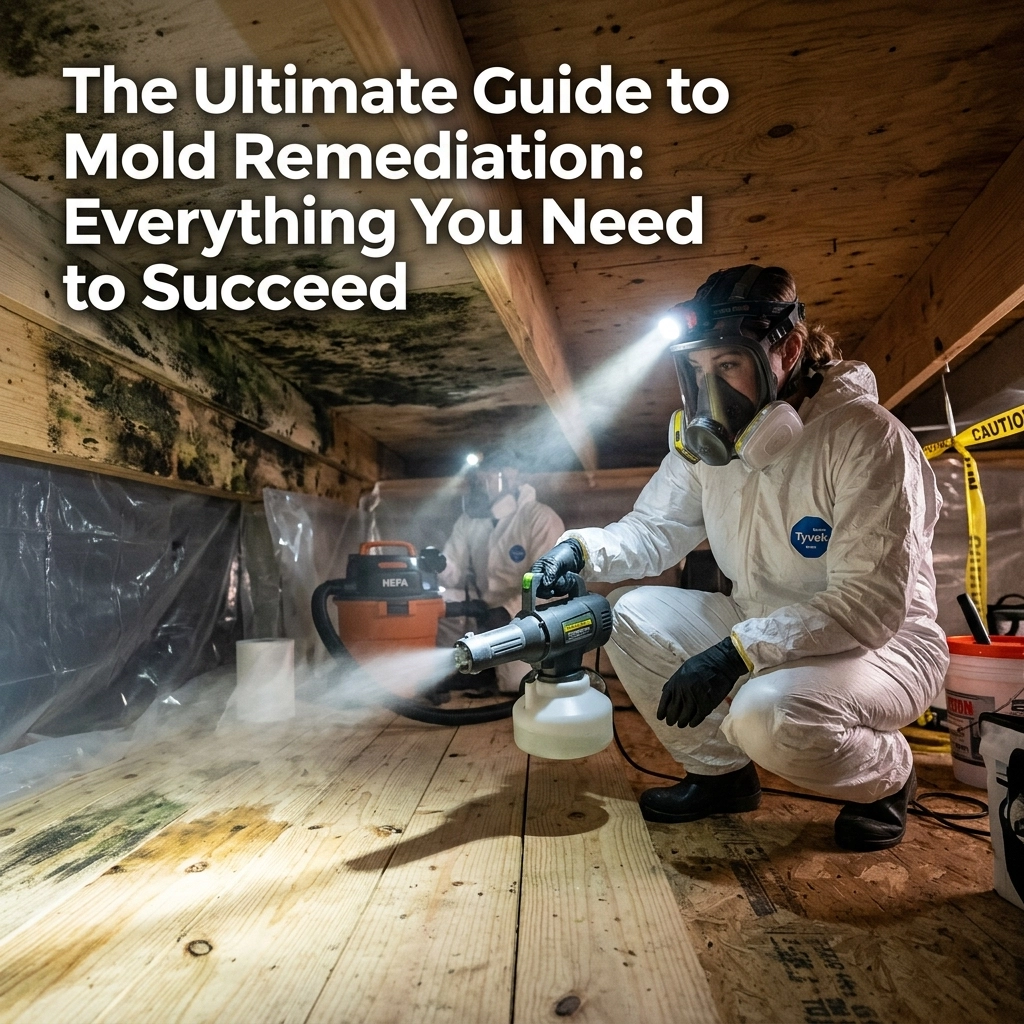
- The "Sniff Test": If the room starts to smell musty or earthy, you likely have mold growing behind a wall or under the floor. If you see black, green, or white fuzzy spots, don't scrub them with bleach: that often just spreads the spores. You need a professional to assess the situation.

Why Professional Help Matters
We get it: homeowners love a good DIY project. But water damage restoration is one of those things where "almost right" is still a "fail."
If you leave even a little bit of moisture behind, you’re looking at:
- Structural Issues: Wood rot can weaken the bones of your home.
- Health Risks: Mold can cause respiratory issues, allergies, and headaches.
- Fire Hazards: If moisture gets into your electrical system, it can cause shorts or fires. Speaking of which, if a fire caused the water damage (from fire hoses), you’ll need a team that specializes in both water damage restoration and fire damage restoration.
We Are Your Heroes
At My Water Damage Hero, we don’t just dry floors; we protect your home. We handle everything from the initial emergency water extraction to the final mold remediation and even air duct cleaning to make sure your air is fresh and safe.
If you’ve had a leak and you’re worried about what comes next, don't wait for the smell of mold to start. Give us a call. We’re simple, fast, and here to help you get your life back to normal.
Need a hand? Whether it’s a tiny drip or a total flood, we’ve got the tools and the team to save the day.
- 24/7 Emergency Service
- Water, Fire, and Mold Experts
- Serving our local community with pride!
Don't let a leak turn into a nightmare. Let us be your hero!