
Lead Paint in Older Homes: What Every Homeowner Needs to Know
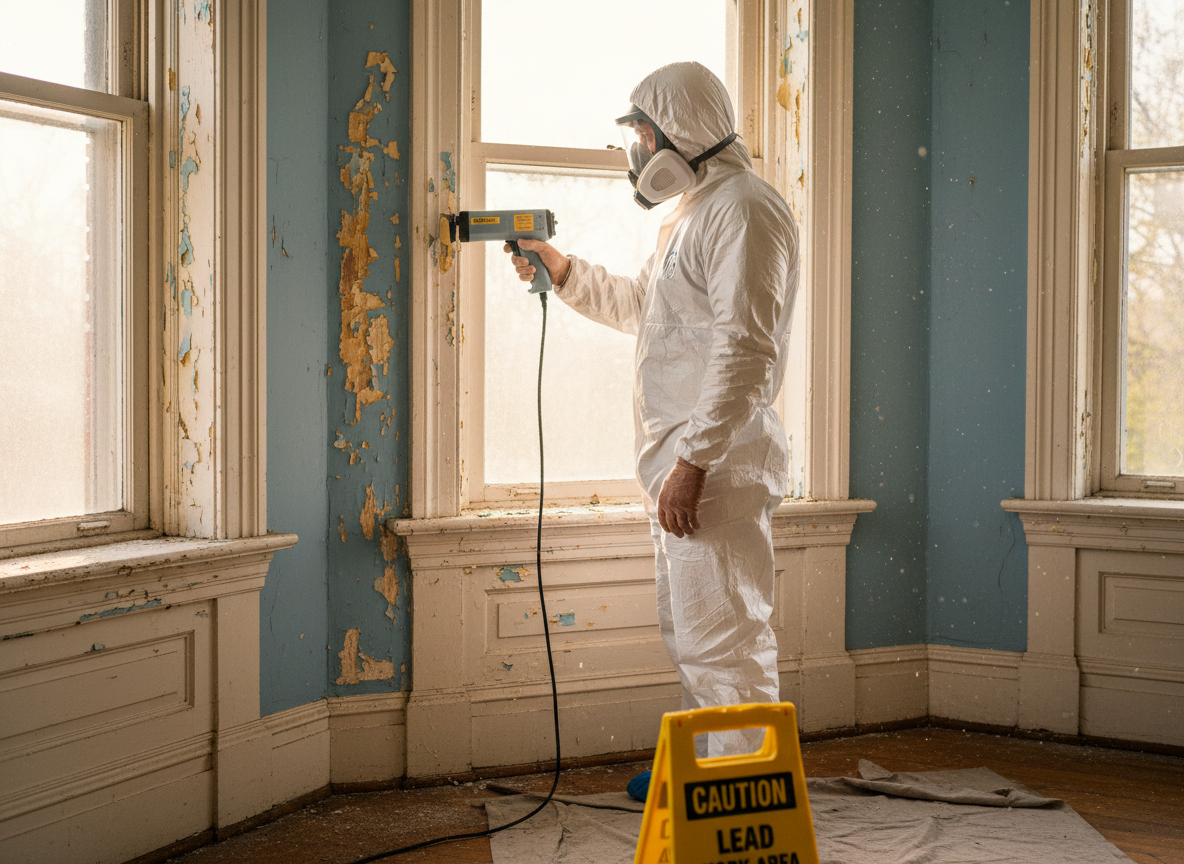
If your home was built before 1978, there's a strong chance it contains lead-based paint. Today, it remains one of the most common — and most preventable — sources of lead poisoning, especially in children.
Why Lead Paint Is Dangerous
Lead is a toxic metal that can cause developmental delays in children, behavioral problems, reduced IQ, kidney damage, and high blood pressure in adults. The danger comes when paint deteriorates or is disturbed during renovation.
Where Lead Paint Is Found
- Windows and frames — #1 source of lead dust from friction
- Doors and frames — Similar friction creates lead dust
- Trim, baseboards, molding— Often have many layers of old paint
- Walls and ceilings — Especially in unrenovated rooms
- Exterior siding and porches— Deteriorating paint contaminates soil
When Testing Is Required
- Before renovation: EPA RRP Rule requires certified lead-safe practices
- Before buying or selling:Federal law requires sellers to disclose known lead paint
- If you have young children:Testing gives you peace of mind
- If paint is deteriorating:Chipping, peeling paint should be tested
What to Do If Lead Is Found
Don't panic — but do take it seriously. Options include management in place (intact paint), encapsulation, or professional abatement. Never sand or scrape lead paint yourself.
The Bottom Line
Lead paint is manageable — but only if you know it's there. Call 610-228-7440 to schedule certified lead testing.
Related Services
Quick Answer
Is Lead Paint Dangerous in Older Homes?
Yes. Lead paint was banned in 1978, but it remains in millions of older homes. The danger comes when paint deteriorates (chips, peels, creates dust) or is disturbed during renovation. Lead dust is invisible and can cause developmental delays in children, kidney damage, and nervous system problems in adults.
- ✓Banned in 1978 — but still present in millions of pre-1978 homes
- ✓Windows & doors are the #1 source of lead dust (friction when opening)
- ✓Children under 6 are most vulnerable — even low exposure causes harm
- ✓Never sand, scrape, or disturb paint in pre-1978 homes without testing
- ✓EPA RRP Rule requires certified lead-safe practices for renovation
- ✓Professional testing is quick, affordable, and protects your family
