
Hey everyone, it’s Tonya George here, your Social Media Manager at My Water Damage Hero.
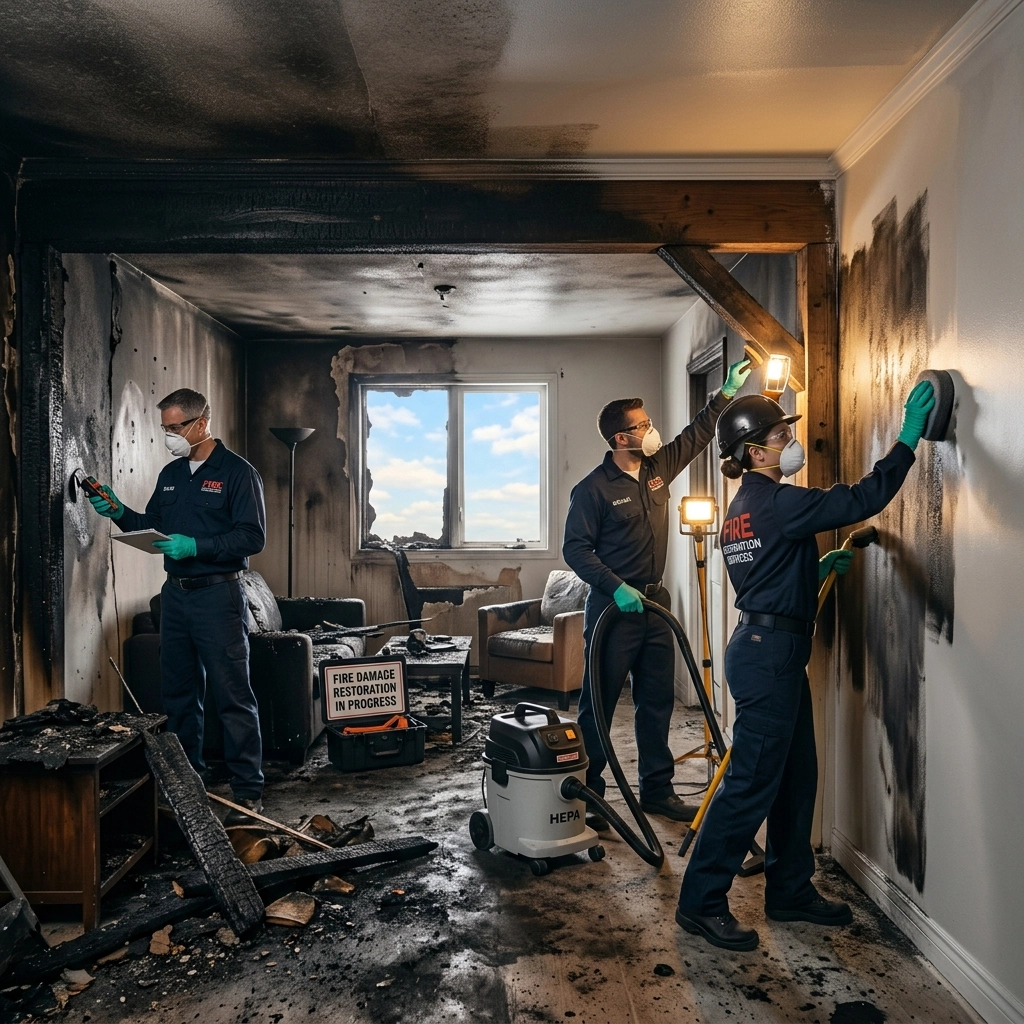
If you’re reading this, chances are you’ve just been through one of the most stressful experiences a homeowner can face. Dealing with a house fire is overwhelming, scary, and frankly, a lot to process. Once the sirens fade and the fire trucks leave, you’re left looking at a home that doesn’t look like yours anymore.
But I want you to take a deep breath. We’ve helped countless families through this exact situation, and I promise there is a path back to normal. This guide is here to walk you through the fire damage restoration process, step by step, so you know exactly what to expect and how to get your life back on track.
Before we talk about cleaning or repairs, we have to talk about safety. A fire-damaged building is full of hidden dangers.
When most people think of fire damage, they think of charred wood and melted plastic. But the stuff you can’t see is often the most destructive.
Soot is acidic. If it sits on your marble countertops, your glass windows, or your metal appliances for more than a day or two, it will start to etch and corrode them. If it isn't cleaned properly and quickly, that damage becomes permanent.
Smoke particles are tiny and they get everywhere. They hide inside your walls, under your floorboards, and deep inside your HVAC system. This is why air duct cleaning is a mandatory part of any real restoration job. If you don't clean the ducts, every time you turn on your AC, you’ll be blowing the smell of the fire right back into the room.

Restoring a home isn't just about a bucket of soapy water. It’s a systematic process. Here’s how we handle it at My Water Damage Hero.
The first thing our team does is a "walk-through." We aren't just looking at what burned; we’re looking at how far the smoke traveled. We check the structural integrity of the walls and floors to create a roadmap for the repairs.
Fires often break windows and burn holes in roofs. This leaves your home vulnerable to rain and intruders. We prioritize "securing the envelope" by boarding up doors and windows and putting heavy-duty tarps over the roof.
This is the part that surprises people. Most fire damage also requires professional water damage restoration. Why? Because the thousands of gallons of water used to put out the fire are now sitting in your carpets and drywall.
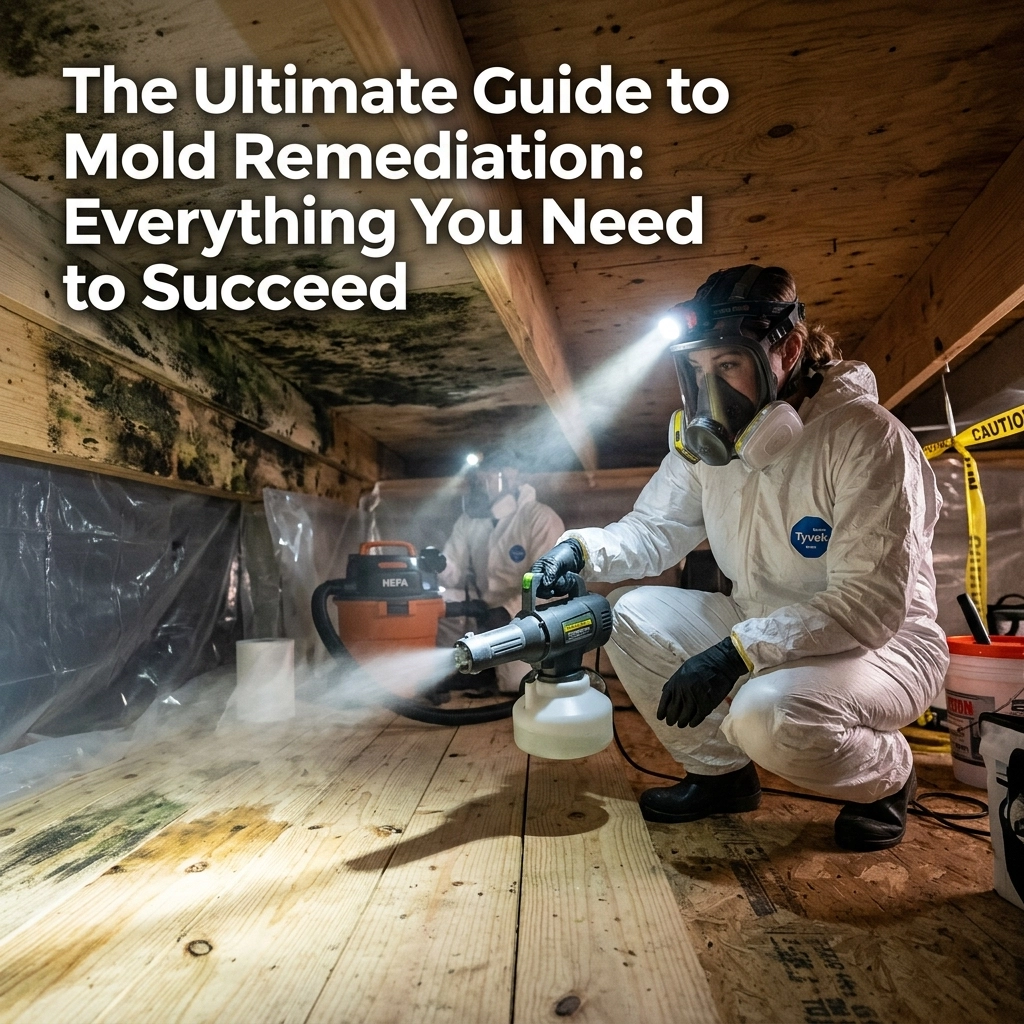
If we don't get that water out within 24 to 48 hours, you’re going to have a secondary disaster: mold. We use industrial-strength fans and dehumidifiers to ensure your home is bone-dry before we move to the next step. If mold does start to pop up, our mold remediation experts step in to handle it safely.

This is the most labor-intensive part. We use specialized cleaners to remove soot from every surface.
Once the soot is gone, we deep-clean everything. We use deodorizing agents that don’t just "mask" the smell with perfume but actually break down the smoke molecules.
The final step is the "build-back." This involves replacing drywall, painting, installing new flooring, and making your home look like the fire never happened.
One of the biggest headaches after a fire is dealing with the insurance company. Here are a few tips to make it easier:
We get this question a lot. While you might be tempted to grab a sponge and start scrubbing to save money, we really don't recommend it for a few reasons:
At My Water Damage Hero, we know that we aren't just fixing houses: we’re helping you rebuild your life. Our technicians are trained to handle your belongings with the utmost care, treating your family photos and heirlooms as if they were our own.
Whether you need immediate board-up services, emergency water extraction, or a full-scale fire restoration plan, we are available 24/7. We live by a simple rule: be the hero our neighbors need when things go wrong.

Once your home is restored, you’ll never want to go through this again. Here are three quick tips to keep your "new" home safe:
Dealing with fire damage is a marathon, not a sprint. It takes time, patience, and the right team in your corner. If you find yourself facing an emergency, don't try to do it alone. Reach out to the pros who know how to turn a disaster back into a home.
Stay safe out there!
: Tonya George
Social Media Manager, My Water Damage Hero
Contact us for quick, trusted restoration.
See how we’ve turned tough situations into success stories.

