
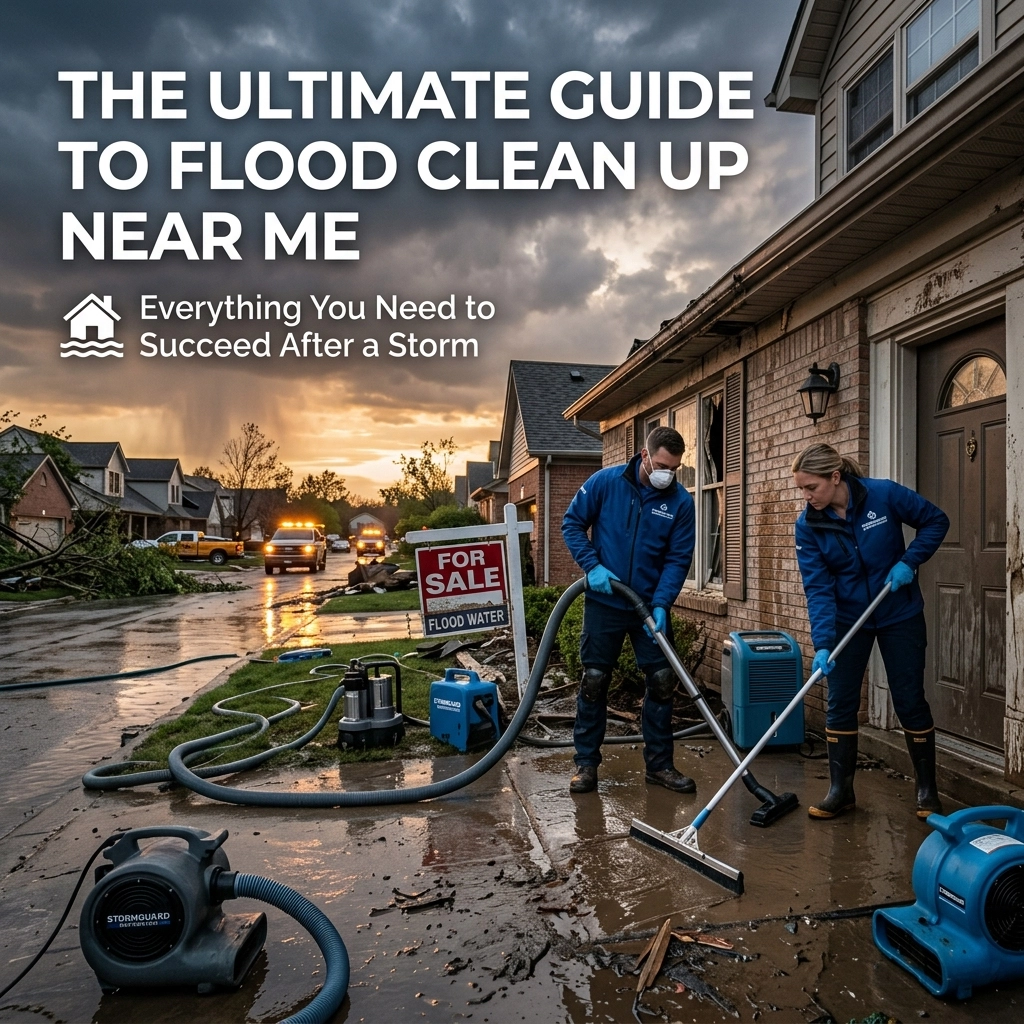
Finding your home underwater after a massive storm is a nightmare no homeowner wants to face. Whether it’s a burst pipe in the middle of the night or a flash flood that sends river water into your living room, the feeling of helplessness is real. You’re likely standing there, shoes soaking wet, wondering, "Where do I even start?"
If you’ve just typed "flood clean up near me" into your search bar, you’re already on the right track. Speed is your best friend right now. At My Water Damage Hero, we’ve seen it all, and we know that the first 24 to 48 hours are the most critical. This guide is here to help you navigate the chaos, keep your family safe, and ensure your home is restored to its former glory.
It might be tempting to wait for the rain to stop or for your schedule to clear up before dealing with the mess, but water is patient: and destructive. From the moment water enters your home, a clock starts ticking.
Within minutes, water spreads throughout your property, saturating everything in its path. It wicks up walls, soaks into carpets, and finds its way under floorboards. Within hours, drywall begins to swell and break down, and furniture may start to stain or crack.
The biggest threat, however, is mold remediation. Mold can begin to grow in as little as 24 hours. Once it takes hold, it’s not just a property issue; it’s a health issue for you and your family. This is why professional water damage restoration is about more than just sucking up water: it’s about moisture control and sanitization.
Before you rush into a flooded basement or room, stop and think. Flooded areas come with hidden dangers that can be life-threatening.

Before the cleanup crew arrives and starts moving things, grab your phone and take photos and videos. Your insurance company will need proof of the extent of the damage to process your claim.
Document:
Having a professional water damage restoration company on-site early can also help. We often assist homeowners by providing detailed documentation and moisture readings that insurance adjusters need to see.
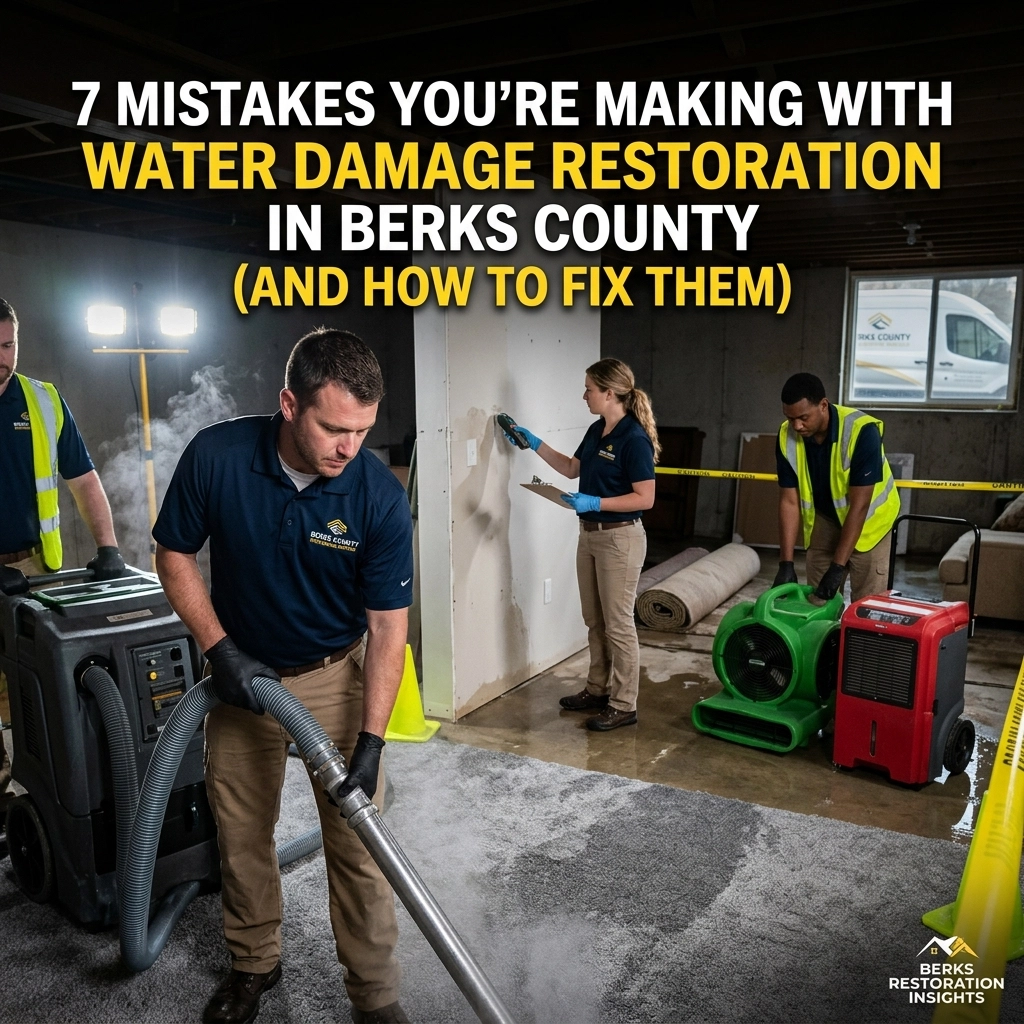
Once the area is safe and documented, it’s time to get the water out. While a shop-vac might handle a small spill, it’s no match for a major flood. Professional teams use industrial-grade submersible pumps and high-powered extractors to move thousands of gallons of water quickly.
The goal of extraction is to remove as much standing water as possible to shorten the drying time. The less time your structural materials spend submerged, the better the chance we have of saving them.
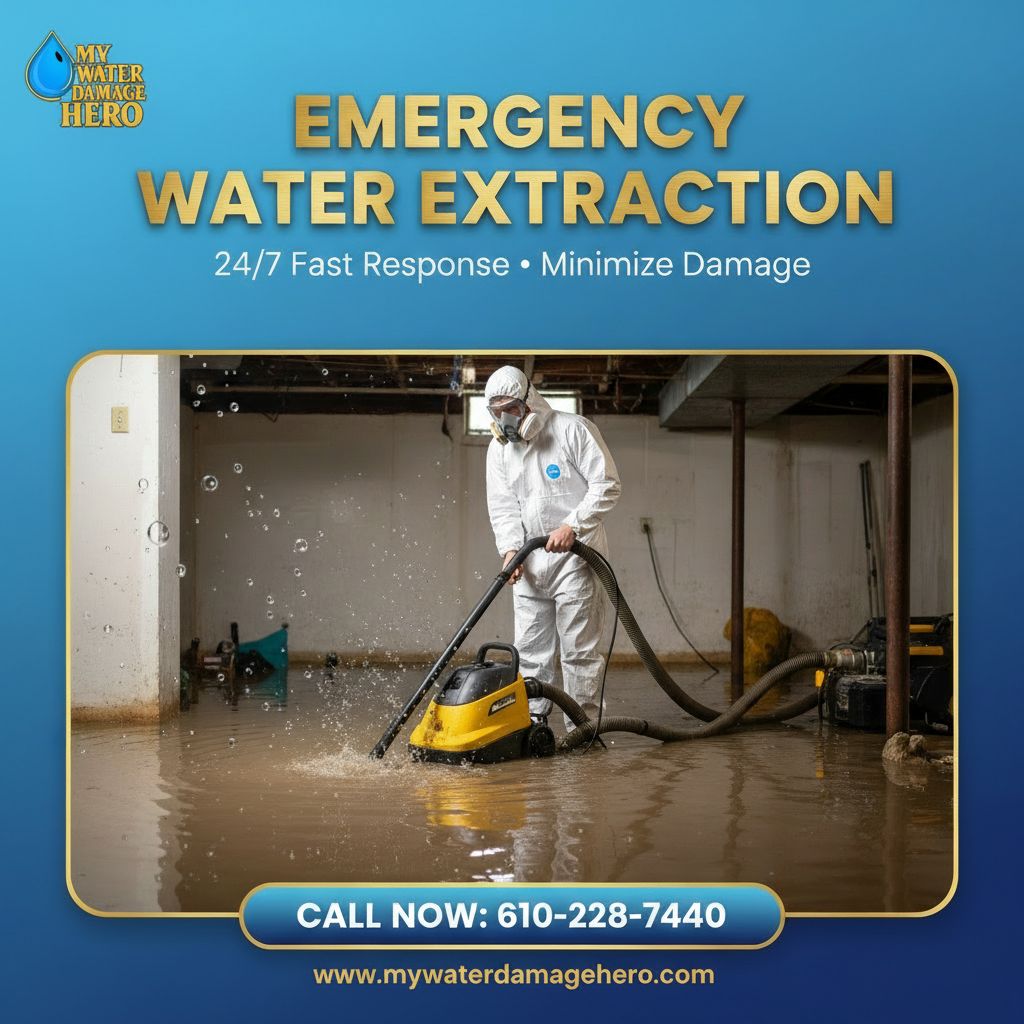
This is where the real "magic" of restoration happens. Even after the standing water is gone, your walls, studs, and subfloors are still holding onto a massive amount of moisture. If you don’t get that moisture out, you’re looking at structural rot and a guaranteed need for mold remediation later.
We use high-velocity air movers and industrial dehumidifiers. These aren't the kind you buy at a hardware store. These machines are designed to pull gallons of water out of the air every day, creating an environment where moisture evaporates quickly from your home’s structure.

Floodwater isn't clean. Whether it came from a storm or a sewage backup, it carries contaminants. Once the area is dry, it must be cleaned and sanitized. We use professional-grade antimicrobials to kill bacteria and prevent mold spores from colonizing.
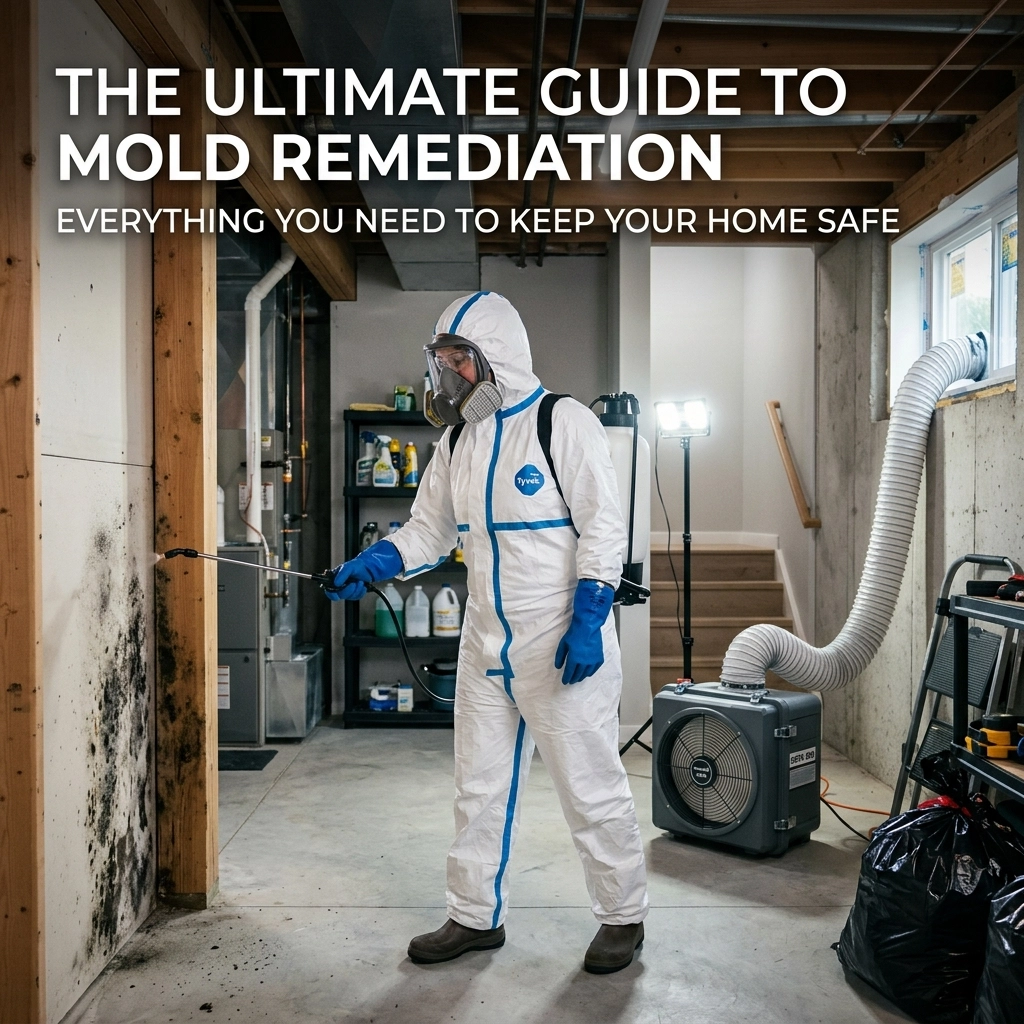
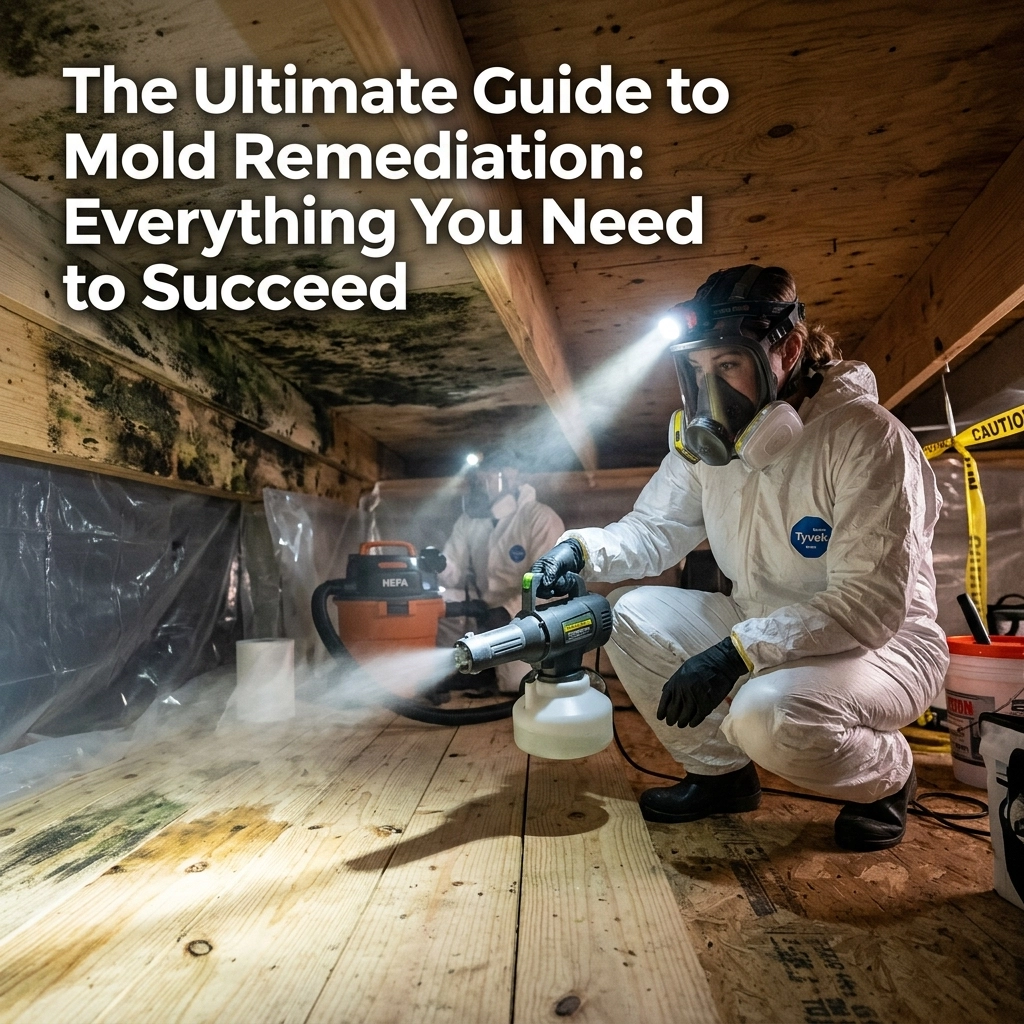
If mold has already started to grow, don't panic. Our mold remediation experts are trained to contain the area, remove the affected materials safely, and clean the air using HEPA filtration.
A flood often leaves a lingering impact that goes beyond just the structural damage. At My Water Damage Hero, we believe in a holistic approach to getting your home back to normal.
Floodwater can ruin carpets, but if the water was clean (like from a supply line burst) and we get there fast enough, professional carpet cleaning and sanitization can sometimes save your flooring. We use deep-cleaning methods to remove dirt and bacteria that a standard vacuum simply can't touch.
After a flood and the subsequent drying process, dust and debris often end up in your HVAC system. To ensure the air you’re breathing is clean and free of mold spores or dust, we recommend professional air duct cleaning as a final step in the restoration process.
You might wonder why we mention fire damage restoration in a flood guide. In many cases, floods are caused by firefighting efforts, or conversely, water damage can lead to electrical shorts that cause fires. Our team is equipped to handle the complex intersection of fire, smoke, and water damage, ensuring that no matter what disaster strikes, your home is in good hands.

When you’re in an emergency, it’s tempting to hire the first person who answers the phone. However, you want to make sure you’re hiring experts who will do the job right the first time. Here is what to look for:
At My Water Damage Hero, we treat your home like it’s our own. We know that behind every flooded basement is a family trying to get back to their normal life. We simplify the process with clear communication, transparent pricing, and a "heroic" commitment to quality.
From the moment we arrive for your free inspection to the final day of the drying process, we are by your side. We don't just "clean up"; we restore your peace of mind.
A flood is overwhelming, but you don't have to face it alone. By acting fast, prioritizing safety, and calling in the professionals, you can minimize the damage and get your life back on track.
If you’re currently dealing with water in your home, don't wait for the mold to start growing or the floorboards to buckle. Reach out to a team that specializes in water damage restoration, mold remediation, and the full spectrum of building maintenance.
Stay safe, stay dry, and remember: your home can be saved, and we’re here to help you do it.
Contact us for quick, trusted restoration.
See how we’ve turned tough situations into success stories.

