March 19, 2026
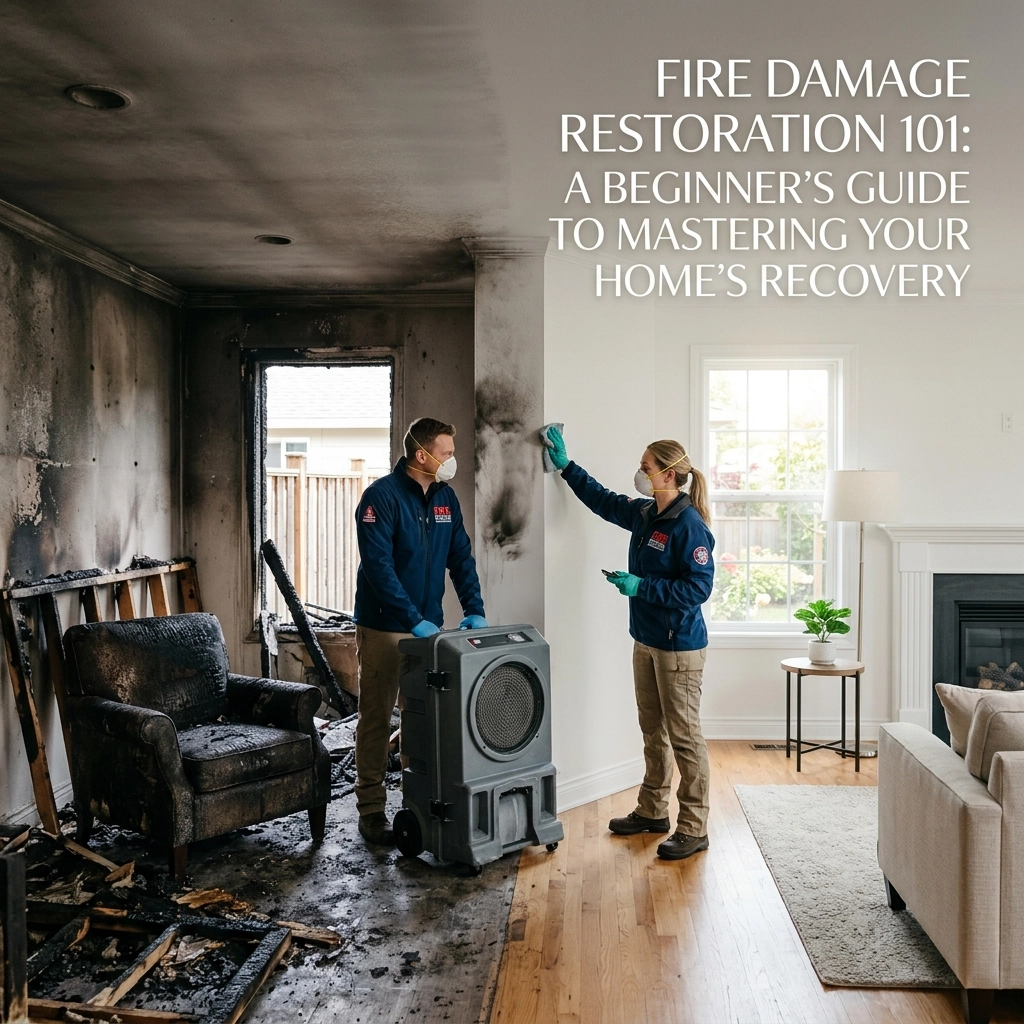
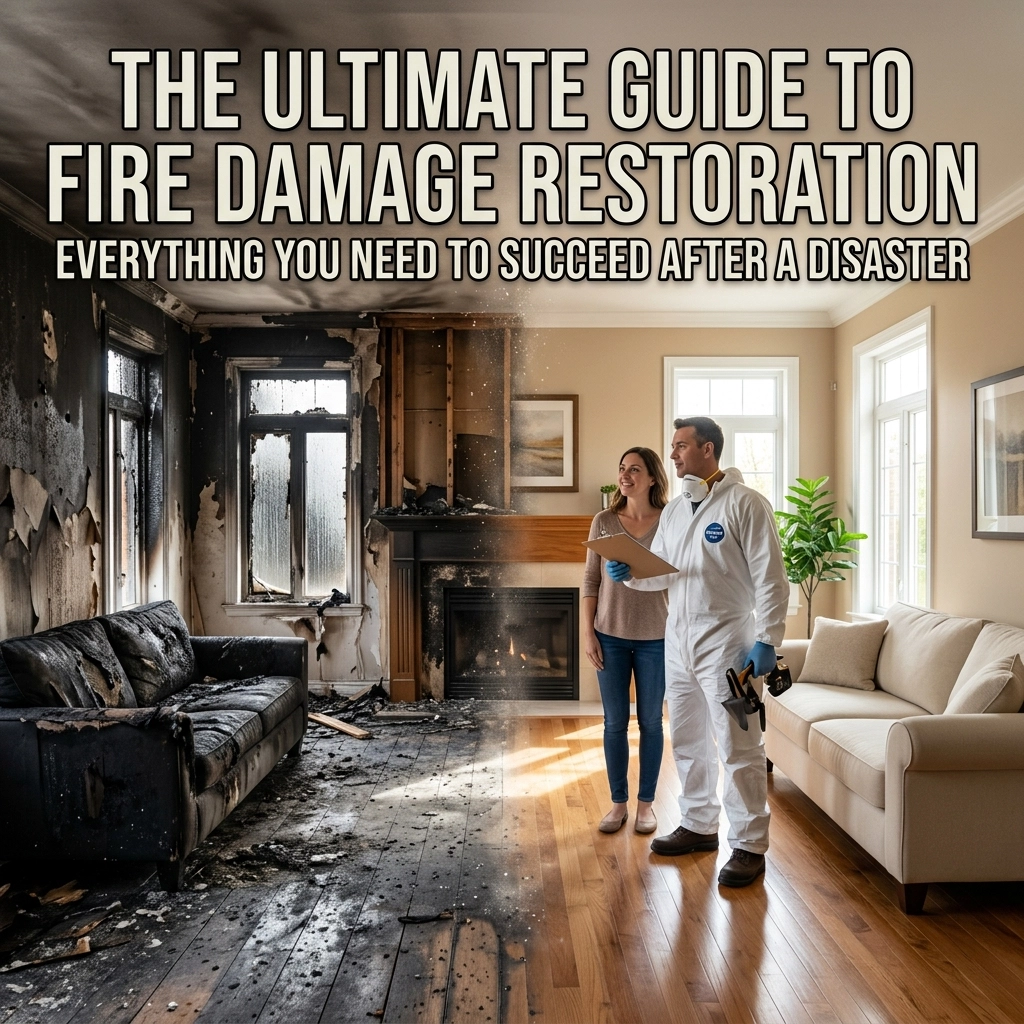
Fire Damage Restoration 101: A Beginner’s Guide to Mastering Your Home Recovery
A house fire is overwhelming, even a small one. And once the flames are out, most homeowners are surprised by what’s left behind: soot everywhere, a strong smoke smell, water from the fire department, and materials that are no longer safe.
This beginner-friendly guide breaks down fire damage restoration step-by-step so you know what to expect, what you can safely do right away, and when to call in pros. We’ll also cover how fire cleanup overlaps with water damage restoration and mold remediation, plus a few “don’t miss” tips for protecting your indoor air (including air duct cleaning) during recovery.
First things first: safety and “do not enter” signs matter
Before you grab a broom or start tossing items, make sure the property is truly safe. Fires can compromise your home in ways that aren’t obvious.
Common hazards after a fire
- Structural weakness (warped framing, damaged floor joists, weakened roof)
- Electrical dangers (melted wiring, wet panels, hidden shorts)
- Toxic soot residue (especially from plastics, synthetic fabrics, and appliances)
- Water damage from suppression efforts (which can lead to mold fast)
If your fire department or local officials say the home isn’t safe, don’t go in. If you must enter briefly (and you’ve been cleared), wear sturdy shoes, gloves, and an N95 or respirator.
The fire damage restoration timeline (what’s realistic?)
Most full restorations fall into a 2–8 week window, but it depends on:
- How far smoke traveled
- How much water was used to extinguish the fire
- Whether reconstruction is needed (drywall, flooring, cabinetry, roofing)
- How quickly drying and cleanup starts (this affects mold risk)
Think of the process in three phases:
- Assessment
- Cleanup + mitigation
- Rebuild + finish work
Step-by-step: the 7 stages of fire damage restoration
1) Emergency assessment + documentation (the “plan the game” stage)
A restoration team starts by inspecting:
- Structural integrity (walls, ceilings, framing, roof)
- Electrical and plumbing safety
- Smoke/soot spread patterns (yes, it travels)
- Water saturation in building materials
They’ll also document the scene for your insurance claim, photos, measurements, and item notes. This is a big deal. Good documentation helps prevent delays and disputes later.
Homeowner tip: If it’s safe, take your own photos/videos before moving anything. Capture wide shots and close-ups.
2) Stabilize the property (stop more damage from happening)
Before deep cleaning starts, the home is secured. That may include:
- Board-up services for broken windows/doors
- Roof tarping if the roof is compromised
- Shutting off unsafe utilities (gas/electric/water)
- Setting containment to limit cross-contamination
This step is about preventing weather damage, theft, and soot spreading into areas that were untouched.

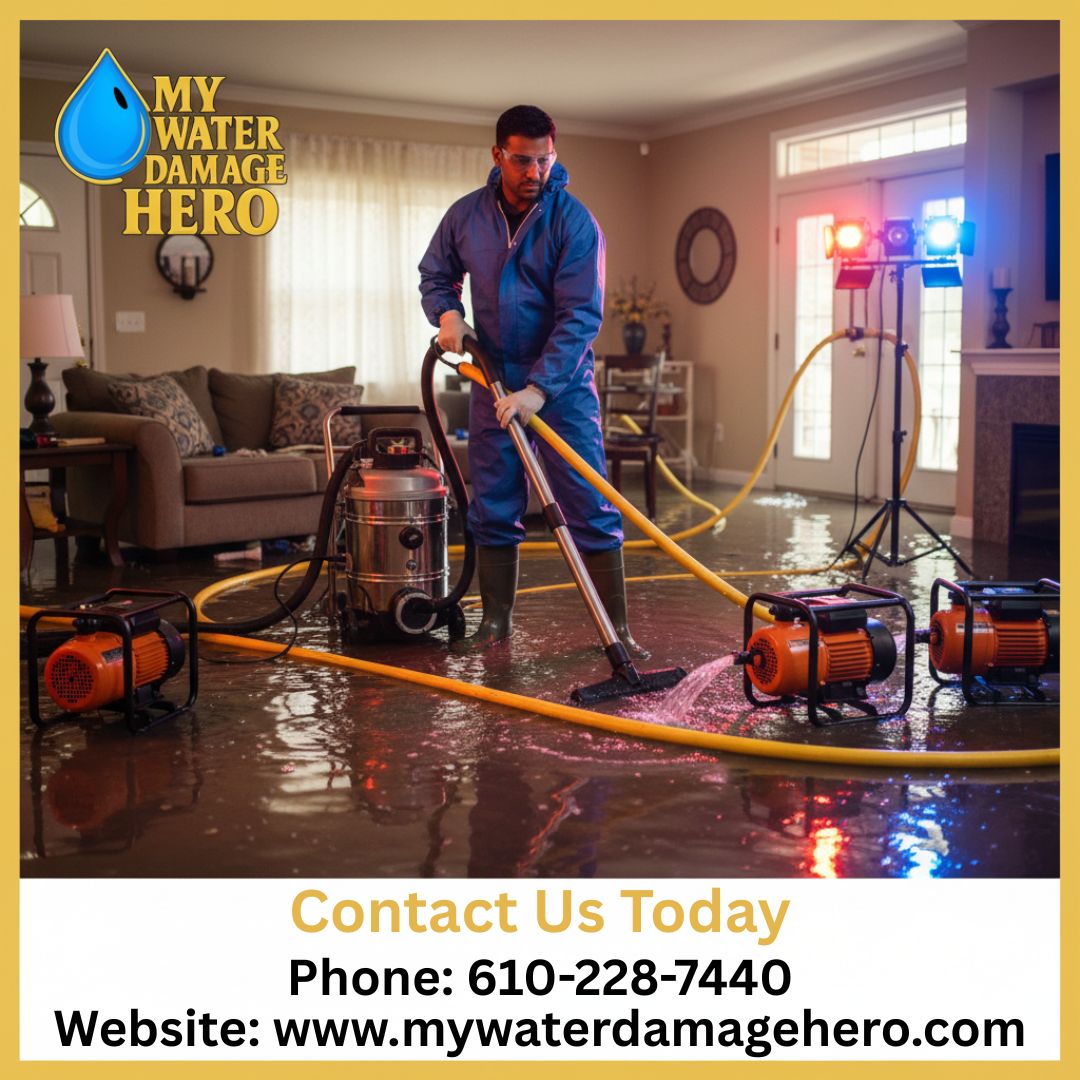
3) Water removal + drying (yes, this is water damage restoration too)
Even if your fire was “small,” the water damage can be major. Standing water and damp materials are a fast track to:
- Swollen wood
- Rusted metal components
- Delaminated flooring
- And: big one: mold growth
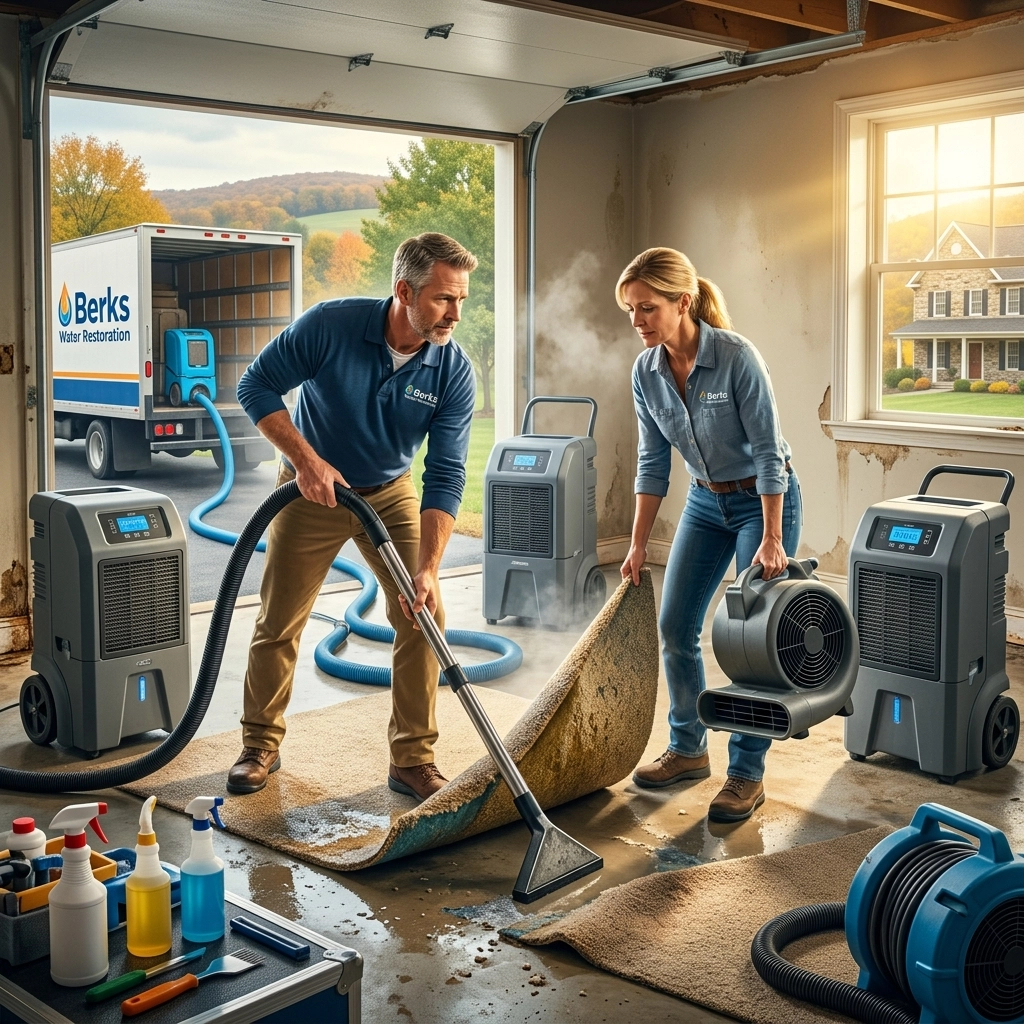
A professional water damage restoration setup typically includes:
- Water extraction (pumps/vacuums)
- Commercial dehumidifiers and air movers
- Moisture monitoring (meters + sometimes infrared imaging)
- Antimicrobial treatments when appropriate
Why this matters: Mold can begin developing in 24–48 hours in the right conditions. Fire recovery often becomes a combined job: fire damage restoration + water damage restoration + mold remediation prevention.
4) Soot and smoke residue cleanup (the mess you can’t “wipe away”)
Soot isn’t just dirt: it’s a fine, oily residue that smears easily and can permanently stain surfaces.
Pros typically use:
- HEPA vacuums (to trap fine particulates)
- Dry cleaning sponges (chemical sponges) on walls/ceilings
- Specialized degreasers and soot removers
- Controlled demolition for materials that can’t be cleaned (like heavily contaminated insulation or porous drywall)
What usually can be cleaned vs. replaced?
Often cleanable:
- Sealed wood, some metals, tile, glass
- Some hard plastics (depending on heat exposure)
- Certain electronics (with specialty restoration)
Often replaced:
- Porous insulation
- Mattresses and many upholstered items (depending on smoke level)
- Warped/charred framing and subfloor
- Drywall that’s deeply saturated with soot + water
5) Odor removal (because smoke smell likes to “come back”)
Smoke odor isn’t just in the air: it embeds into:
- Drywall paper
- Wood framing
- Fabrics and carpets
- HVAC components and ductwork
Deodorization methods can include:
- Thermal fogging
- Hydroxyl generators
- Ozone (used carefully, typically when the home is unoccupied)
- Air scrubbers with HEPA + carbon filtration
Important: If soot is still present, deodorizing early is a waste. Odor removal works best after surfaces are cleaned and compromised materials are removed.
6) Cleaning and restoring contents (the “what can we save?” part)
This step is emotional: photos, furniture, kids’ keepsakes. Restoration teams may do “pack-out” services where items are inventoried, removed, and cleaned off-site.
Typical contents restoration categories:
- Textiles: clothing, curtains, bedding (special laundering)
- Documents: drying, deodorizing, sometimes freeze-drying
- Furniture: deep cleaning, refinishing (depending on smoke exposure)
- Electronics: specialized cleaning + corrosion control
Where carpet cleaning fits in
If carpets weren’t burned but were exposed to smoke and water, carpet cleaning may be possible after drying. However:
- Smoke odor in padding is hard to fully remove
- If the carpet sat wet too long, mold risk increases
- Some soot types (especially oily soot) can permanently stain fibers
A reputable team will tell you straight whether cleaning is realistic: or whether replacement will save time, money, and headaches.
7) Repairs + reconstruction (putting your home back together)
Once the home is dry, cleaned, and cleared for rebuild, reconstruction begins. This may include:
- Drywall replacement and insulation
- Flooring replacement and subfloor repairs
- Painting with odor-sealing primers where needed
- Cabinetry, trim, doors, and finish carpentry
- Electrical and HVAC repairs if heat/water caused damage
Many homeowners also choose to upgrade safety here:
- Interconnected smoke detectors
- Fire-rated doors between garage and house
- Smart leak detection (helps reduce future water damage too)
Don’t forget your indoor air: HVAC and air duct cleaning after a fire
Smoke particles travel. If your HVAC ran during or after the event: or if ducts pulled in soot from return vents: contamination can spread through your home.
When air duct cleaning is a smart move
Consider professional air duct cleaning if:
- You see visible soot/dust around vents
- The smoke odor gets stronger when the HVAC runs
- Filters clog unusually fast after the fire
- Restoration work kicked up debris during demolition
A proper post-fire HVAC approach may include:
- Replacing filters (often more than once during recovery)
- Cleaning supply/return ducts where contamination is present
- Cleaning blower components and coils if affected
- Running HEPA air scrubbers during cleanup
Quick note: Duct cleaning isn’t a “spray and pray” service. Look for a provider that uses containment and HEPA collection, not just perfume and a shop vac.

Fire damage + water damage + mold remediation: how they overlap
A lot of fire recoveries turn into a three-part problem:
- Fire damage restoration for char, soot, and odor
- Water damage restoration for extraction and drying
- Mold remediation if moisture sits too long or materials can’t dry properly
Signs mold might already be forming
- Musty smell that’s different from smoke odor
- New dark spotting on drywall, baseboards, or behind furniture
- Persistent humidity, dampness, or condensation
- Allergy-like symptoms that worsen indoors
If mold is suspected, skip DIY bleach. True mold remediation focuses on containment, proper removal, and preventing spores from spreading to clean areas.
What you can do right away (and what you shouldn’t)
Do this
- Call your insurance provider and start a claim
- Take photos/videos if the site is safe
- Keep receipts for hotels, meals, temporary supplies
- Remove valuables only if safe and only after documentation
- Change HVAC filters if you have safe access and power is off/cleared
Avoid this
- Turning on electricity or HVAC without clearance
- Scrubbing soot with water (it can smear and set stains)
- Using strong air fresheners to “cover” odor (it complicates deodorizing)
- Throwing away everything immediately (insurance may want to verify)
- Running fans without a drying plan (you can push soot and spores around)
Picking the right restoration team (simple checklist)
When you’re stressed, it’s easy to hire the first company that answers. A few quick checks can save you big problems later:
- Do they handle fire damage restoration and water damage restoration?
- Can they help prevent or address mold remediation needs?
- Do they provide a clear scope of work and timeline?
- Do they document damage thoroughly for insurance?
- Are they transparent about what can be cleaned vs. replaced?
- Can they coordinate related services like carpet cleaning and air duct cleaning?
A realistic “what happens next” snapshot
If you’re trying to picture the flow, here’s a common sequence:
- Inspection + documentation
- Board-up / tarp / stabilization
- Water extraction + drying equipment setup
- Debris removal + controlled demolition
- Soot cleanup + air scrubbing
- Deodorization
- Contents cleaning / pack-out
- Repairs + reconstruction
- Final walkthrough and clearance
Getting through fire recovery is a lot: but it’s manageable when you know the steps and tackle the hidden issues (like moisture and air quality) early. With the right plan, your home can be safe, clean, and comfortable again.