
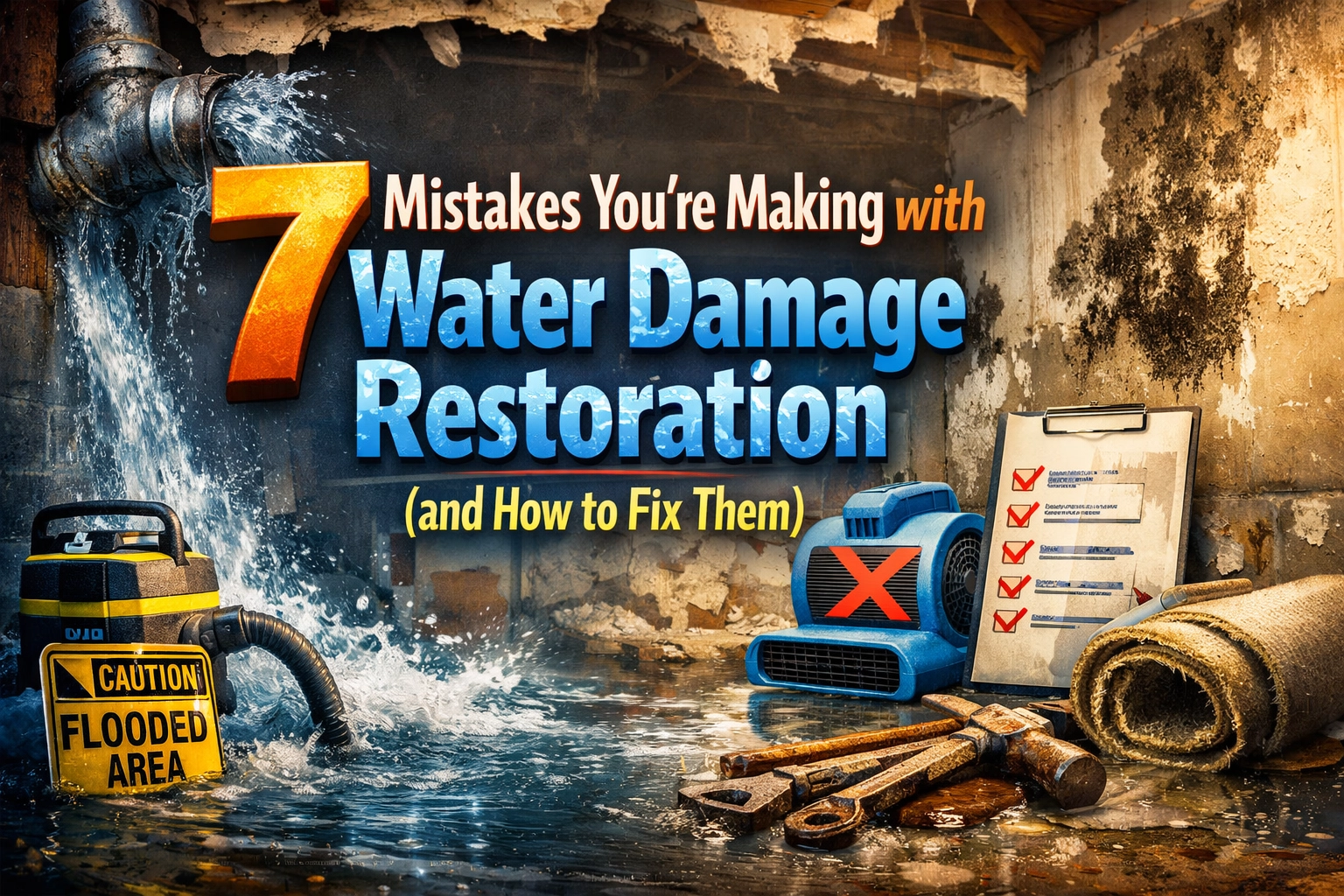
Finding a puddle in your basement or a damp patch on your ceiling is enough to make any homeowner panic. Your first instinct is probably to grab every towel in the linen closet and start soaking it up. While that’s a good start, water damage restoration is a lot more complicated than just "mopping it up."
At My Water Damage Hero, we see well-meaning homeowners make the same mistakes over and over. These errors can turn a small leak into a massive structural headache or a full-blown mold colony. If you want to protect your home (and your wallet), you need to know what not to do.
Here are the seven biggest mistakes people make with water damage and exactly how you can fix them.
The biggest enemy in any water damage situation is the clock. Water doesn't just sit there; it travels. It wicks up into your drywall, soaks into your subfloor, and gets trapped behind baseboards.
The Mistake: Many people wait until the next morning or until the weekend to deal with a leak. They think, "It’s just a little water; I’ll handle it when I have time."
The Fix: You have a very narrow window, usually about 24 to 48 hours, before mold remediation becomes a necessity. Mold spores love damp, dark places, and they start colonizing faster than you’d think. As soon as you spot water, you need to act. If you can’t get it dry within a few hours, it’s time to call in the pros for emergency water damage restoration.
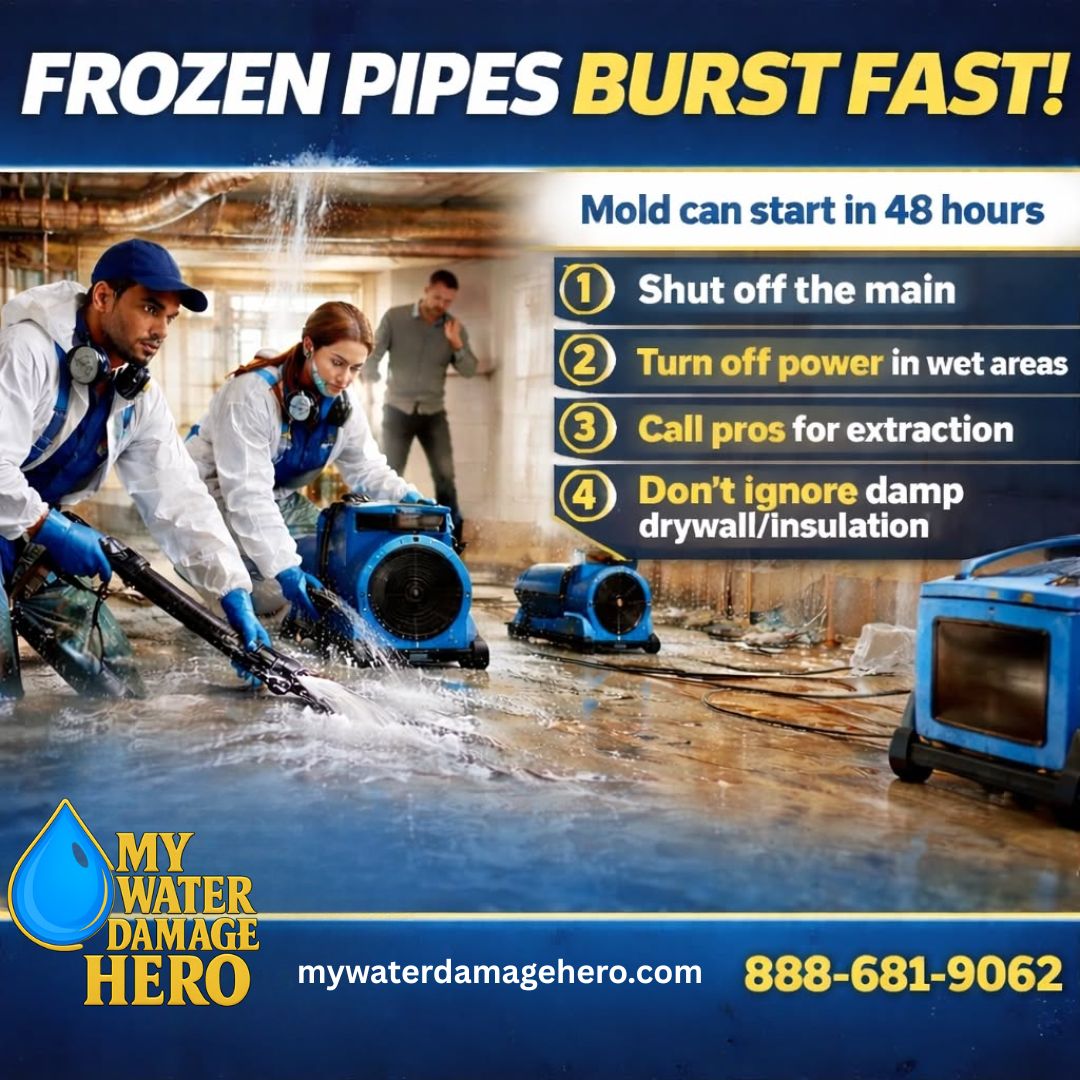
It sounds obvious, right? But you’d be surprised how many people start cleaning up the mess while the water is still actively leaking.
The Mistake: Focusing entirely on the puddle while ignoring the burst pipe, the leaky water heater, or the dripping roof. If you dry the floor but the pipe is still pin-holed, you’re going to be doing the exact same work again tomorrow.
The Fix: Find the source and shut it off. If it’s a plumbing issue, turn off the main water valve. If it’s a roof leak, get a tarp up. Restoration is pointless if the "source" is still adding fuel to the fire. Once the leak is stopped, then, and only then, can the real drying begin.
We love a good DIY project, but a household vacuum and a box fan from the local hardware store aren't going to cut it here.
The Mistake: Using a standard vacuum (which can actually be dangerous and cause electrical shock) or trying to dry out a flooded room with a hairdryer. These tools don't have the power to pull moisture out of the air or deep within materials. In fact, using high heat from a hairdryer can warp wood and actually encourage mold growth by creating a warm, humid "sauna" effect.
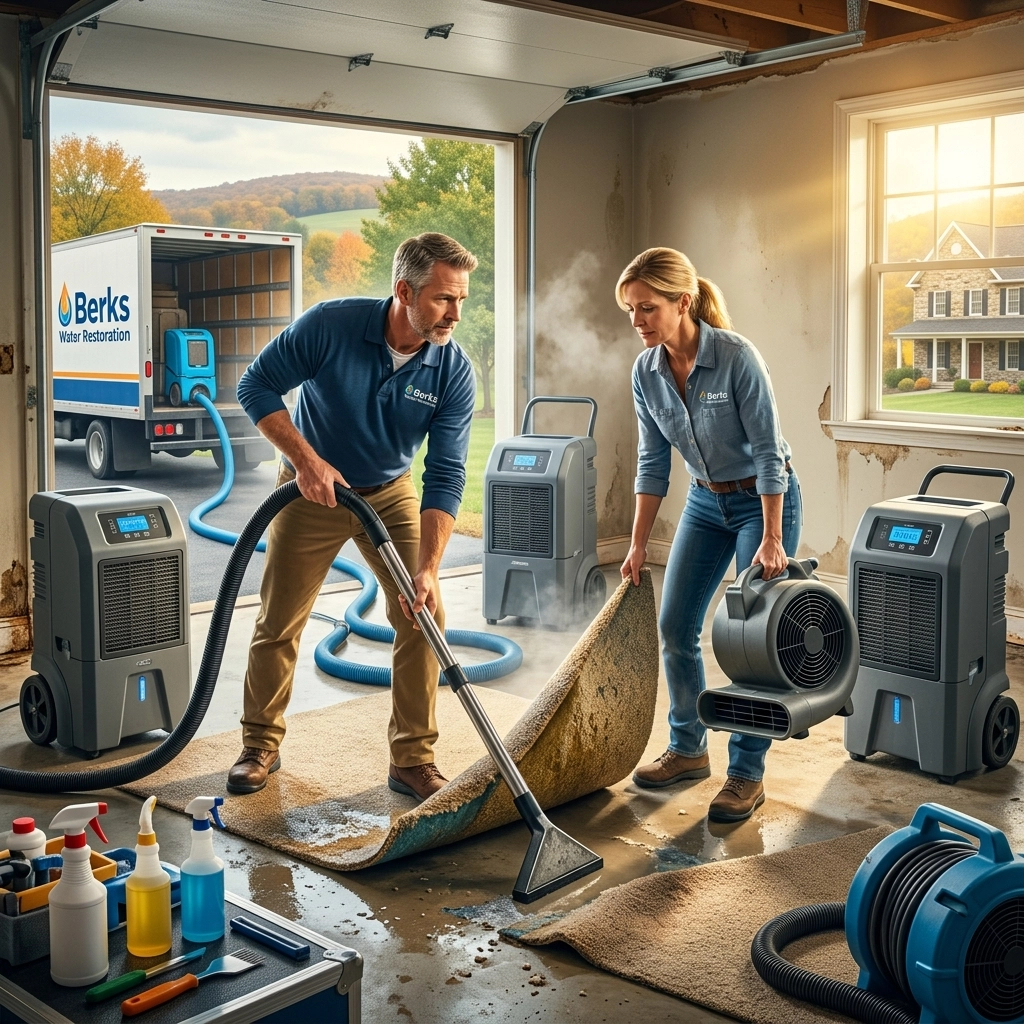
The Fix: You need professional-grade gear. We use industrial air movers that move thousands of cubic feet of air per minute and LGR (Low Grain Refrigerant) dehumidifiers that pull gallons of water out of the air. If you’re doing it yourself for a very minor spill, at least rent a high-powered shop vac and a commercial dehumidifier.
Just because a surface feels dry to the touch doesn't mean the "bones" of your house are dry.
The Mistake: Checking the top of the carpet and thinking, "Cool, we’re good," while the padding underneath is still a soaking wet sponge. Water hides in wall cavities, under hardwood floors, and inside insulation. If you leave that moisture there, it will eventually cause wood rot and structural failure.
The Fix: Professionals use specialized tools like moisture meters and infrared cameras to "see" through walls. These tools tell us exactly where the water traveled.
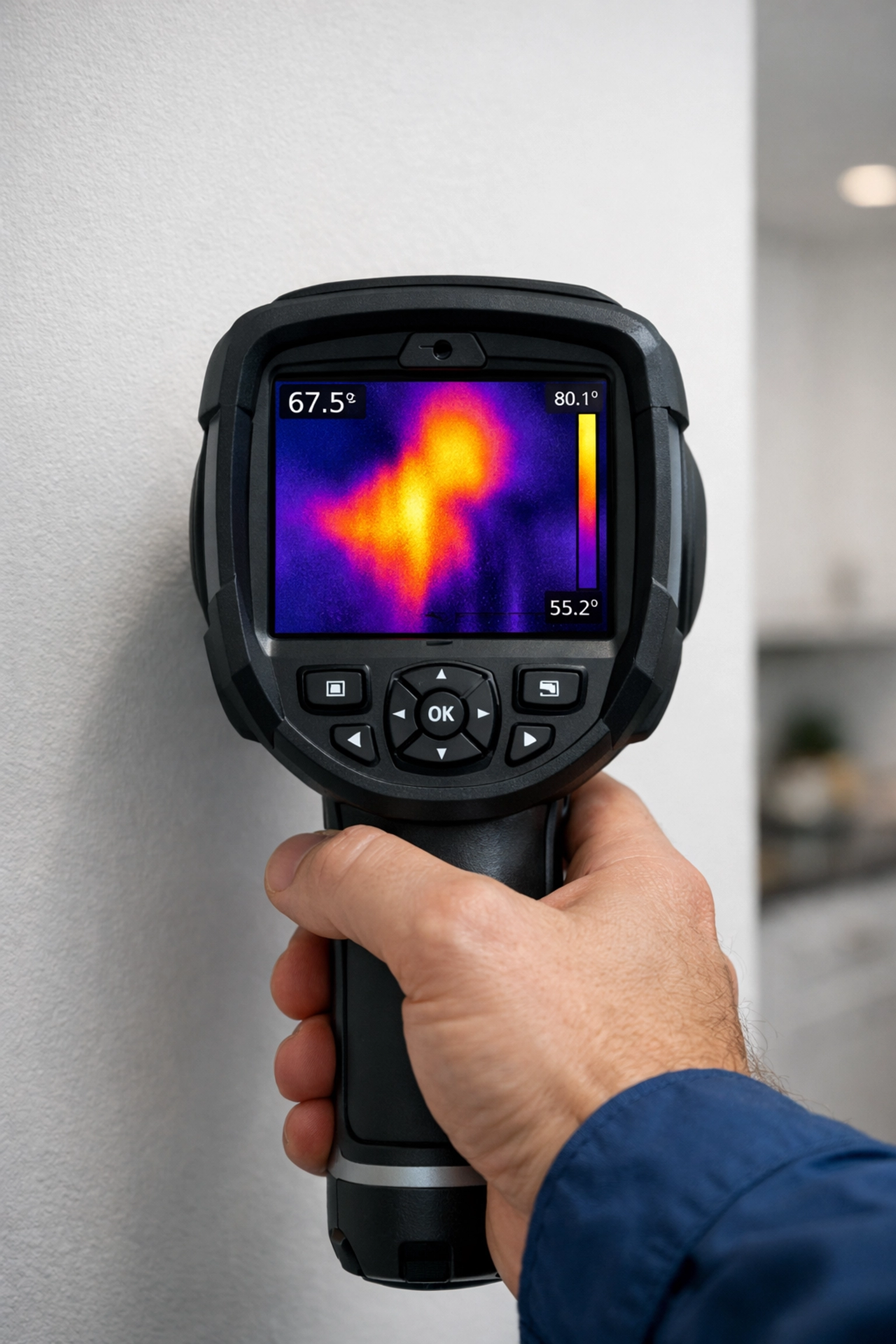
If you’re DIY-ing a small leak, don’t just look at the floor. Check the crawlspace below or the room directly underneath. If there’s any doubt, a moisture meter is a cheap investment that can save you thousands in future repairs.
Water isn't always "clean." Even if it comes from a broken supply line (Category 1 water), once it touches your floor, it picks up dirt, bacteria, and allergens. If it’s from a backup (Category 3), it’s a serious health hazard.
The Mistake: Drying the area but failing to disinfect it. This leads to lingering "musty" smells and can even make your family sick. People often forget that their HVAC system can spread these contaminants throughout the house.
The Fix: Every surface touched by water needs to be cleaned with professional-grade antimicrobials. This is also a great time to look into air duct cleaning. If mold spores or bacteria have entered your ventilation system, they’ll just keep recirculating. Additionally, carpet cleaning is essential to ensure that any deep-seated bacteria in the fibers are completely neutralized.
There’s a science to drying a house. It’s about more than just blowing air around; it’s about managing the "Balanced Drying System": humidity, airflow, and temperature.
The Mistake: Opening all the windows on a humid day. If it’s 80% humidity outside, opening the windows is just letting more moisture into your home, which slows down the drying process. Another mistake is turning the heat up to 90 degrees, thinking it will "evaporate" the water. High heat without proper dehumidification just creates a tropical environment for mold.
The Fix: Keep the environment controlled. Close the windows and run a dehumidifier. Use air movers to create a "vortex" of air across the wet surfaces. You want the air to be dry and moving constantly. If you aren't seeing the humidity levels drop on a hygrometer, your technique isn't working.
We get it: you want to save money. But water damage is one of those things where "cheap" now can become "incredibly expensive" later.
The Mistake: Trying to handle a flooded basement or a whole-house leak with a mop and some gumption. If the water has been sitting for more than 24 hours, or if it involves sewage or "grey" water from a dishwasher or washing machine, it is no longer a DIY job. You risk your health and the structural integrity of your home.
The Fix: Know when to call the "Hero." If the water has entered your walls, saturated your hardwood, or if you smell even a hint of mustiness, you need professional water damage restoration. A pro team can often save materials (like cabinets or hardwood) that a homeowner would have to tear out and replace, actually saving you money in the long run. Plus, we handle the insurance claims, which is a headache nobody should have to deal with alone.

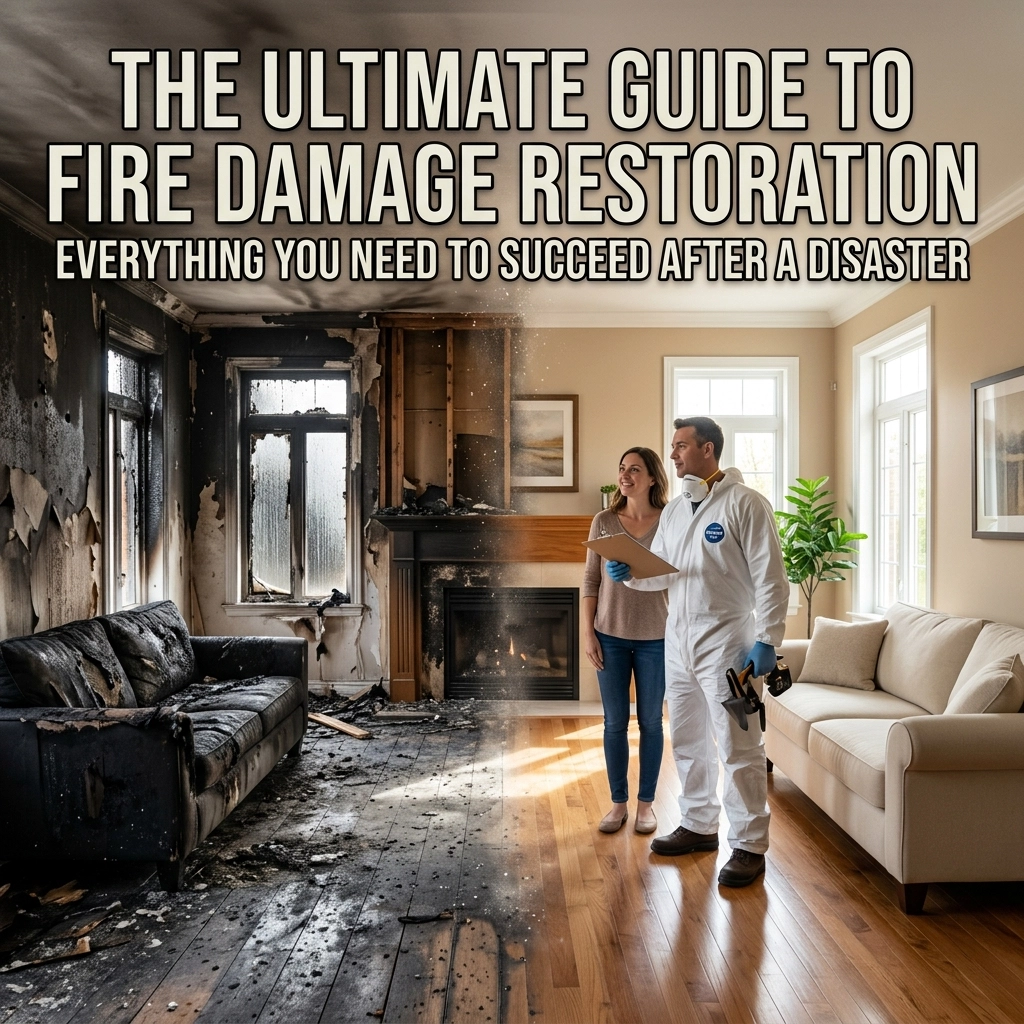
Mistakes in restoration don't just go away: they get worse over time. If you don't handle the water correctly, you might find yourself needing fire damage restoration later due to electrical shorts, or extensive mold remediation that requires tearing out half your house.
At My Water Damage Hero, we specialize in making the process simple. Whether you’re dealing with a burst pipe in the winter or a flooded basement after a storm, our goal is to get your home back to normal fast. We don't just dry things out; we ensure your air quality is safe with air duct cleaning and your floors are pristine with professional carpet cleaning.
Don't let a simple mistake turn into a disaster. If you've got water where it shouldn't be, give us a call. We're here to be the hero your home deserves!

Contact us for quick, trusted restoration.
See how we’ve turned tough situations into success stories.

