
Finding a pool of water in your basement or a damp patch on your ceiling is enough to make any homeowner’s heart sink. It usually happens at the worst possible time: late Sunday night, right before a vacation, or on a busy Tuesday morning. Your first instinct is probably to grab every towel in the linen closet and start soaking it up.
While that’s a great first step, water damage restoration is a lot more complex than just "cleaning up a mess." At My Water Damage Hero, we see well-meaning homeowners make the same handful of mistakes every single day. These blunders might seem small at the moment, but they often lead to massive headaches later on, like structural rot, permanent odors, or the dreaded "M-word": mold.
If you’re currently dealing with a leak or a flood, take a deep breath. We’re going to walk through the seven most common mistakes people make with water damage and, more importantly, how you can fix them before things get worse.
This is the absolute biggest mistake you can make. In the world of home maintenance, water is a ticking time bomb. You might think, "I’ll deal with this over the weekend when I have more time," but water doesn’t wait for your schedule.
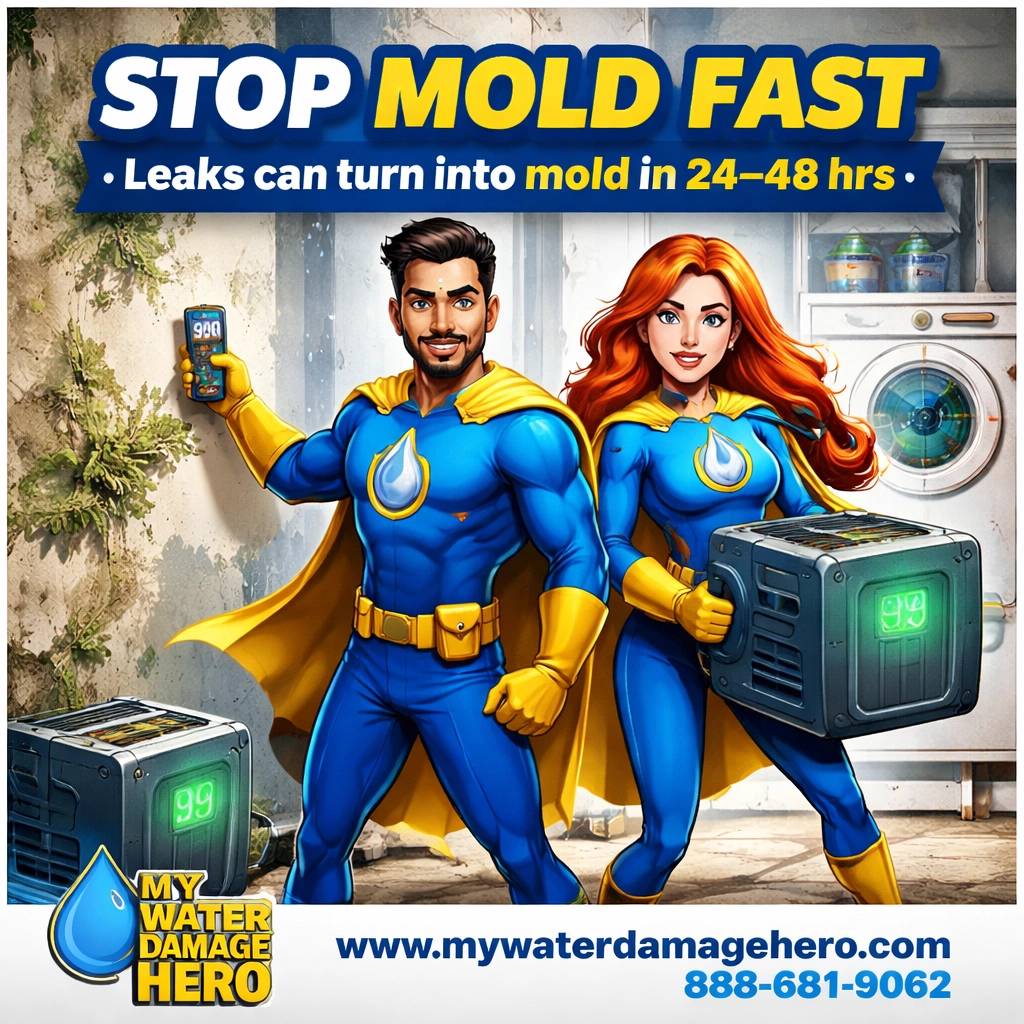
Within just a few minutes, water spreads through your floors and into your walls. Within hours, your furniture starts to swell and delaminate. But the real deadline is 24 to 48 hours. That is the window when mold begins to grow. Once mold takes hold, you aren’t just looking at water damage restoration; you’re looking at a full-scale mold remediation project, which is much more invasive and expensive.
How to Fix It:
Act immediately. The second you spot a leak, stop the source of the water and start the drying process. Don't wait to "see if it dries on its own." If the damage is more than a small spill, call in the pros right away. A quick response can be the difference between a simple three-day drying job and a weeks-long reconstruction project.

It sounds obvious, right? But you’d be surprised how many people start mopping up water while the pipe is still dripping or the roof is still leaking. We’ve seen homeowners dry out a room perfectly, only for it to flood again two days later because they didn’t realize the dishwasher seal was actually the culprit.
Restoring a room without fixing the leak is like trying to bail out a boat while there’s still a hole in the hull. You’re just wasting your energy.
How to Fix It:
Identify exactly where the water is coming from. If it’s a burst pipe, shut off your main water valve immediately. If it’s a roof leak, get a tarp over the area. If you can't find the source, hire a plumber or a leak detection specialist. At My Water Damage Hero, we make sure the "why" is solved before we focus on the "what."
We love a good DIY project, but a standard household fan and a few bath towels aren't going to cut it for a flooded room. Your oscillating fan is great for a summer breeze, but it doesn't have the "CFM" (cubic feet per minute) needed to pull moisture out of dense materials like drywall and subflooring.
Similarly, many people try to use their home vacuum to suck up water. Unless it’s a specific "wet/dry" shop vac, you’re likely to ruin your vacuum and potentially shock yourself. Even then, shop vacs only get the surface water: they don't address the humidity in the air.
How to Fix It:
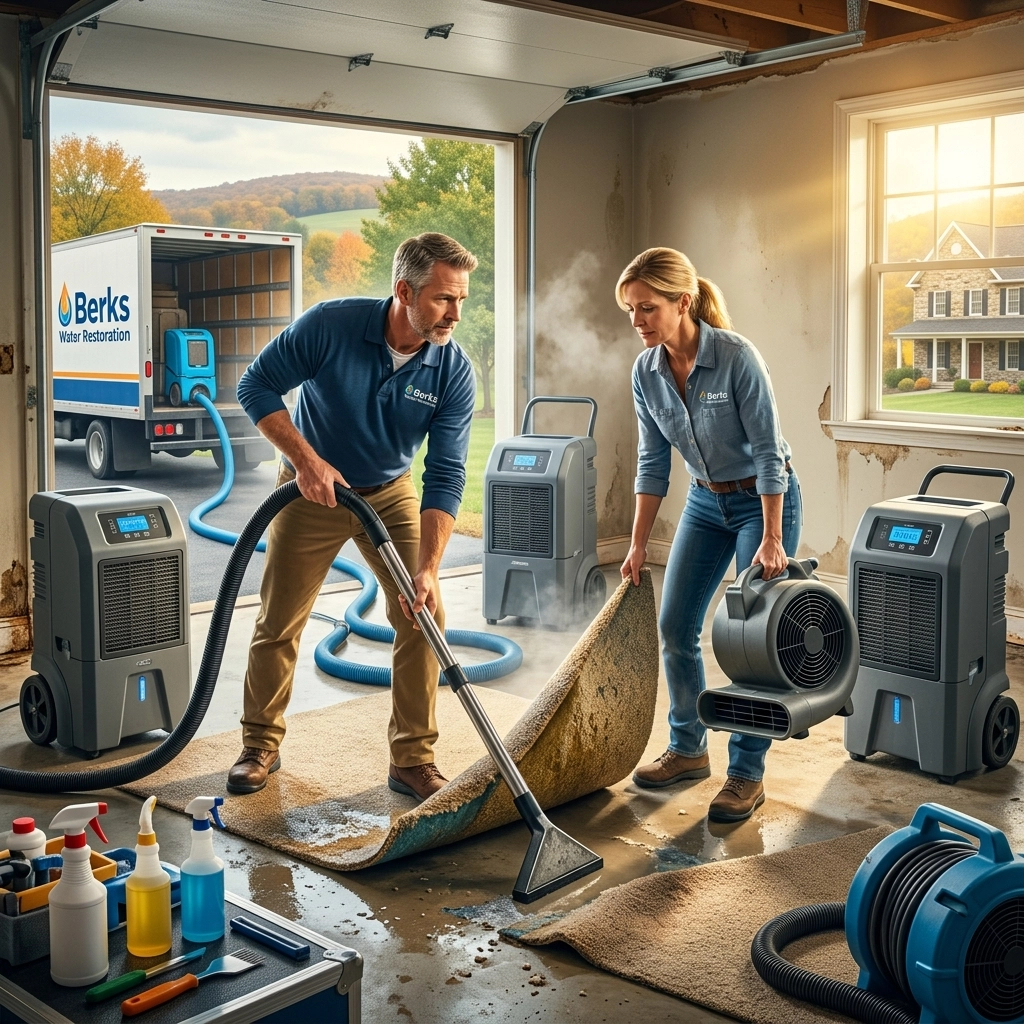
Professional water damage restoration requires industrial-grade air movers and LGR (Low Grain Refrigerant) dehumidifiers. These machines are designed to pull gallons of water out of the air and the structure itself every single day. If you’re doing it yourself, at least rent commercial-grade equipment. However, knowing where to place those fans to create the right airflow is a science in itself.
Water is sneaky. It follows the path of least resistance, which usually means it runs under baseboards, soaks into the insulation behind your walls, and hides under your laminate or hardwood flooring. Just because the carpet feels dry to the touch doesn't mean the padding underneath isn't a soaking wet sponge.
If you only dry what you can see, the moisture trapped inside your walls will eventually cause the wood to rot and mold to flourish in the dark. This can even affect your home's air quality, leading to a "musty" smell that never seems to go away.
How to Fix It:
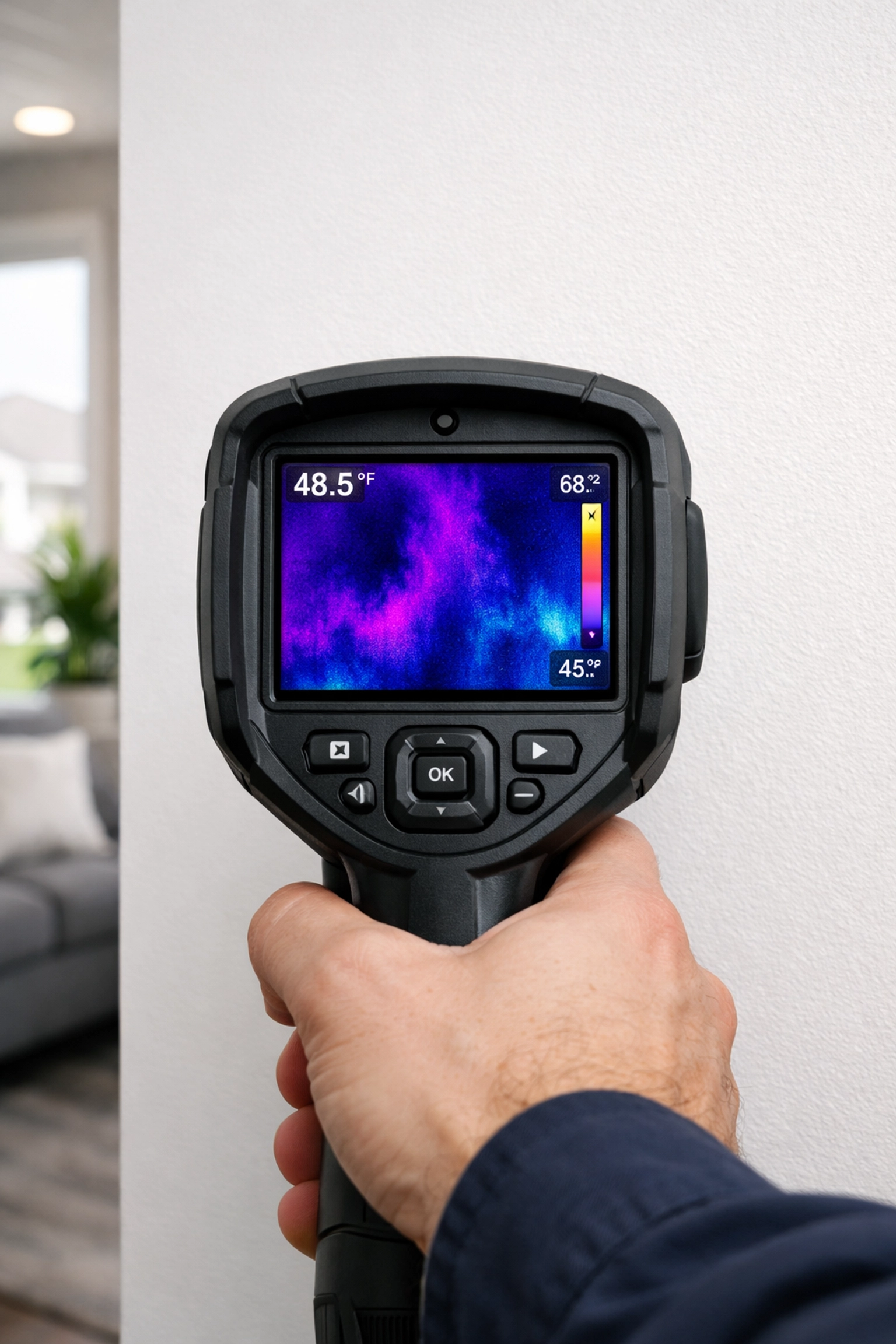
You need to look "behind the curtain." Professionals use moisture meters and infrared (thermal imaging) cameras to "see" through walls. These tools show exactly where the moisture is hiding without having to tear down every piece of drywall. If you suspect water got behind a wall, you may need to remove the baseboards and drill "weep holes" to let the wall cavity breathe.
Not all water is created equal. In our industry, we categorize water into three types:
A common mistake is treating Category 2 or 3 water like it's just a "spill." If you have a sewage backup, you can't just dry the carpet and call it a day. The bacteria and pathogens left behind are a serious health risk. Even with clean water, if it sits for a few days, it can turn into Category 3 water as bacteria begin to multiply.
How to Fix It:
Sanitization is key. Use EPA-approved disinfectants to treat all affected surfaces. If you have soft goods like carpets or rugs that were soaked in "black water," they often need to be disposed of for safety. This is also a great time to think about your home's overall health: professional carpet cleaning and air duct cleaning can help remove any lingering spores or odors that might have been kicked up during the drying process.

We get it: hiring a pro can feel expensive. But "saving money" by doing it yourself often ends up costing quadruple in the long run. We’ve seen DIYers accidentally cut through electrical wires while removing wet drywall or fail to realize that their floor joists have been compromised.
There's also the insurance factor. If you don't document the damage correctly or follow industry standards (known as the IICRC standards), your insurance company might deny your claim or refuse to cover secondary damage like mold.
How to Fix It:
Know when to call for backup. If the water has affected more than one room, if it involves sewage, or if it has soaked into the structural "bones" of your house, you need a professional. My Water Damage Hero technicians are trained to handle everything from water extraction to fire damage restoration and even asbestos testing. We know how to work with insurance adjusters to make sure your home is actually restored to its pre-loss condition.
Wait, there’s a wrong way to dry something? Yes! A very common mistake is turning up the heat in the house to "melt" the water away. High heat combined with high humidity is basically a spa day for mold. It accelerates growth rather than stopping it.
Another mistake is "flash drying" wood floors with direct heat or sunlight, which causes the wood to warp, cup, or crack. Drying is about the balance between temperature, airflow, and dehumidification (the "drying trifecta").
How to Fix It:
Focus on airflow and dehumidification over raw heat. You want to keep the room at a steady temperature (usually between 70-80 degrees Fahrenheit) while the dehumidifiers do the heavy lifting of pulling moisture out of the air. If you see your wood floors starting to "cup" (the edges are higher than the middle), don't panic: professional "floor mats" can often suction the moisture out of the wood and save the floor if caught early enough.
Water damage doesn't always end when the floor is dry. Sometimes, it’s just the beginning of a longer story involving fire damage restoration (if electrical systems were shorted) or extensive mold remediation. The best way to fix these seven mistakes is to avoid them entirely by having a plan.
Keep our number on your fridge, and remember:
At My Water Damage Hero, we’re here to be your experts in the field. Whether it's a burst pipe in the winter or a basement flood after a summer storm, we have the tools and the "superhero" speed to get your life back to normal.
If you're staring at a wet ceiling or a soggy carpet right now, don't wait for mistake number one to take hold. Give us a call, and let’s get your home dry, safe, and clean!

Contact us for quick, trusted restoration.
See how we’ve turned tough situations into success stories.

