
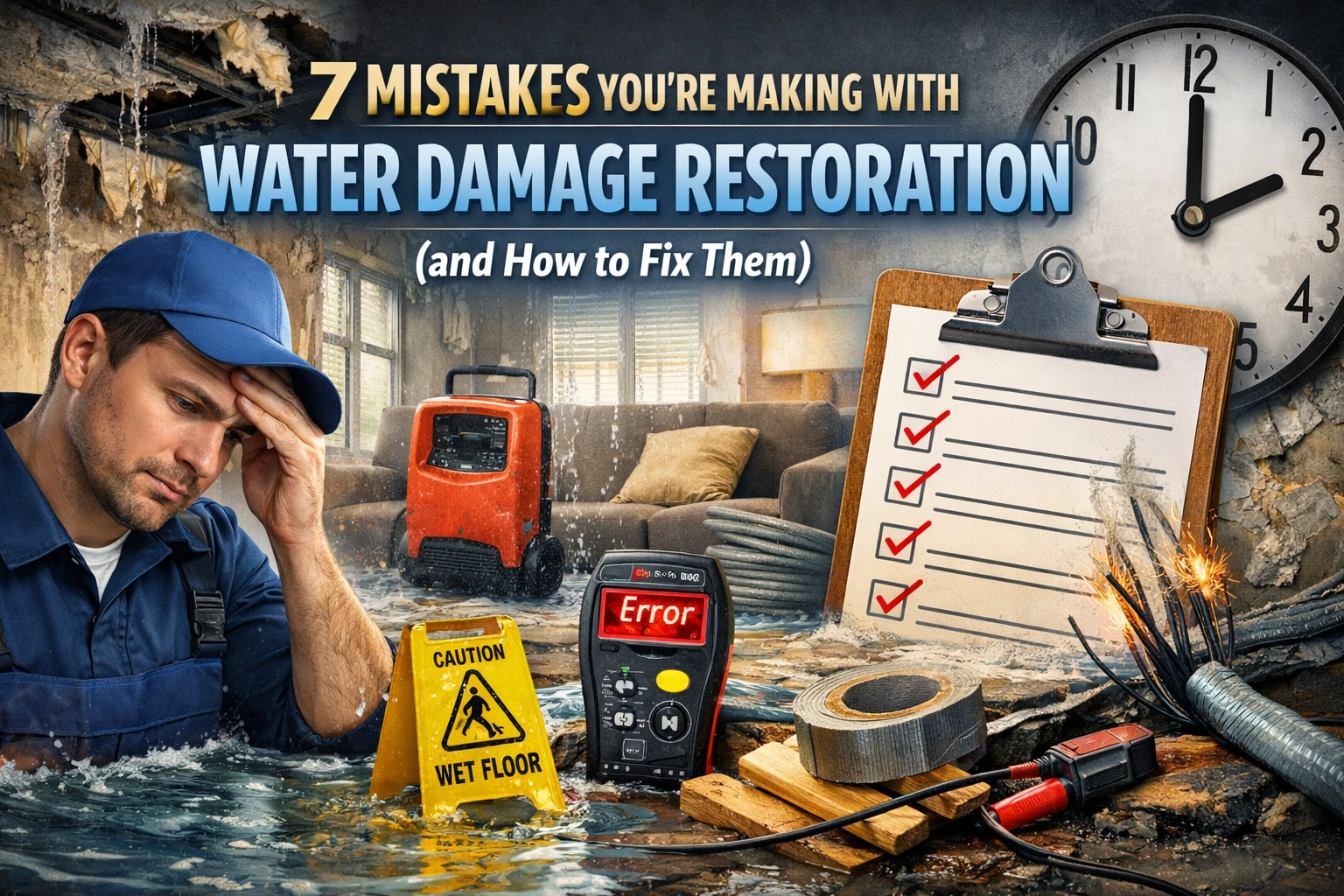
Finding a pool of water in your basement or a damp spot on your ceiling is enough to make any homeowner panic. Your first instinct might be to grab every towel in the linen closet and turn on a few floor fans. While we love the DIY spirit, water damage is one of those things that can go from a "minor annoyance" to a "total nightmare" in a matter of hours.
At My Water Damage Hero, we see it all the time. Homeowners try their best to handle the cleanup, but without the right tools and knowledge, they often accidentally make the problem worse. Whether it’s from a burst pipe, a leaky roof, or a heavy storm, handling water damage restoration correctly is the difference between a quick fix and a multi-thousand-dollar mold remediation project.
Here are the seven most common mistakes homeowners make with water damage and exactly how you can fix them.
The biggest mistake you can make is thinking, "I’ll deal with this tomorrow." When it comes to water, time is your absolute worst enemy. Water doesn’t just sit on the surface; it’s a master of disguise. It soaks into your baseboards, wicks up into your drywall, and settles deep into your subflooring.
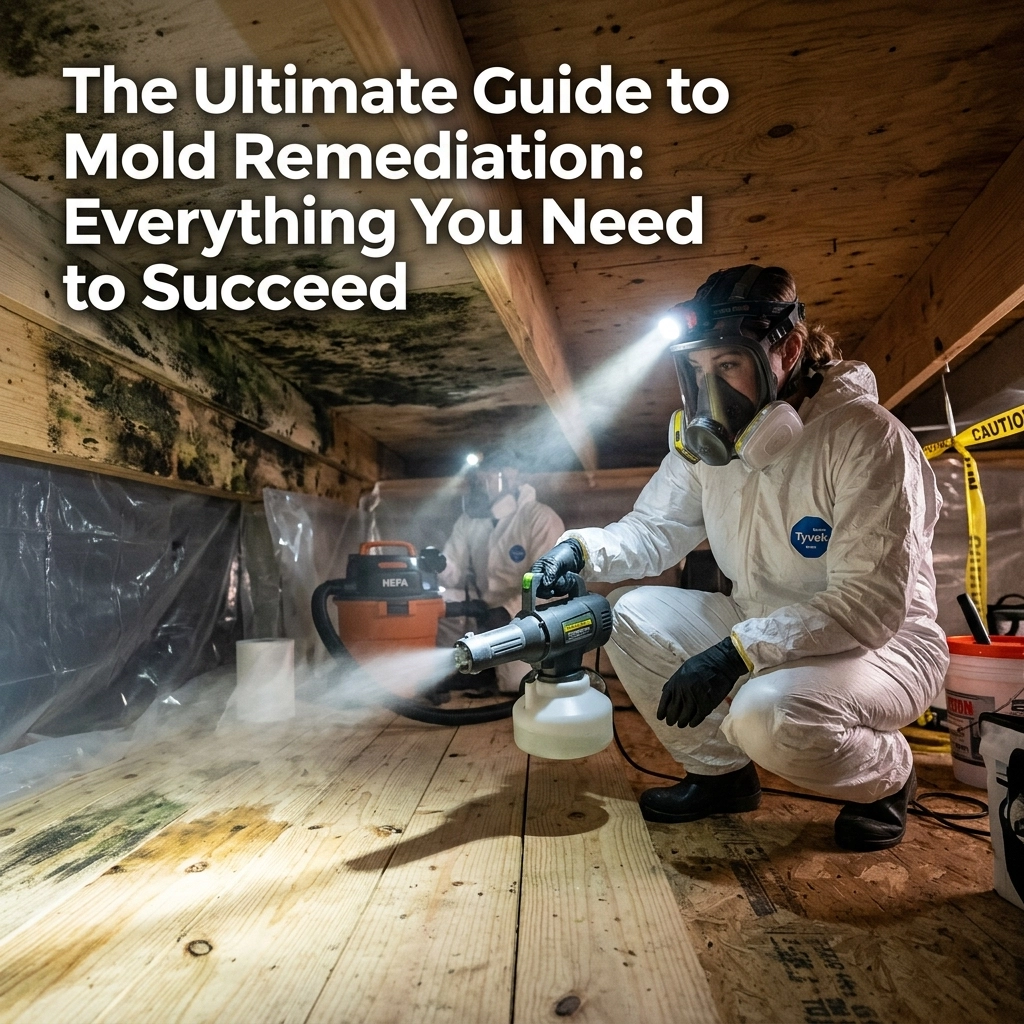
Within just 24 to 48 hours, mold begins to grow. Once those spores take root, you aren't just looking at water damage restoration anymore; you're looking at a full-scale mold remediation job.
The Fix: Act the second you see moisture. If you find a leak at 2:00 AM, don’t wait until business hours to call for help. At My Water Damage Hero, we provide 24/7 emergency response because we know that every hour counts. The faster the water is gone, the less likely you are to deal with warped wood and structural rot.

We’ve seen people try to dry out a flooded living room with a Shop-Vac and a couple of hair dryers. We get it: you want to use what you have on hand. But household equipment isn't designed for this level of moisture. A standard vacuum can’t pull water out of carpet padding, and a household fan just moves humid air around without actually removing the moisture from the room.
Even worse, using small fans can sometimes push moisture deeper into the cracks of your flooring or behind the walls, where it becomes a breeding ground for bacteria.
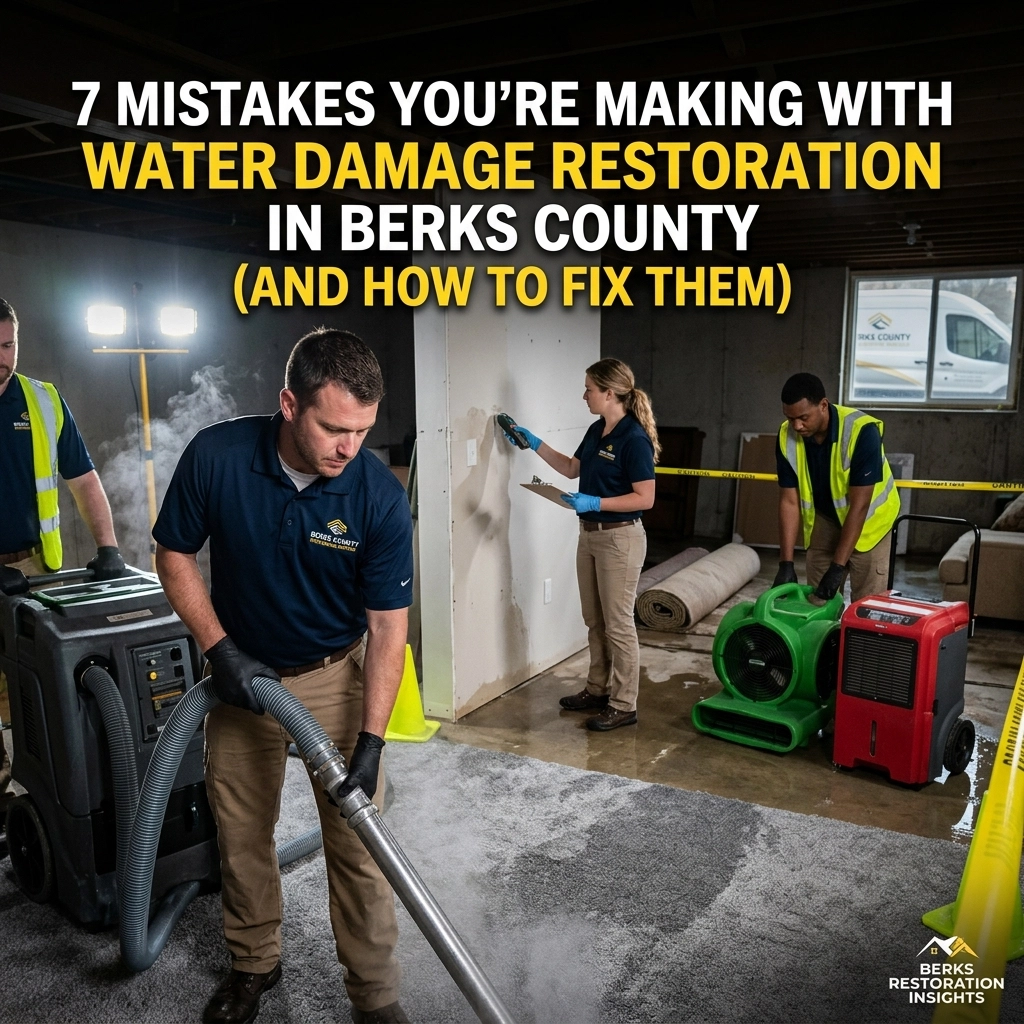
The Fix: You need professional-grade equipment. This includes industrial-strength air movers that create high-velocity airflow and LGR (Low Grain Refrigerant) dehumidifiers that pull gallons of water out of the air every day. If you have wet rugs, professional carpet cleaning and extraction are necessary to ensure the fibers and the backing are completely dry.
Just because a wall feels dry to the touch doesn't mean it is. Water is sneaky. It loves to hide behind wallpaper, under laminate flooring, and inside your insulation. If you only dry what you can see, the moisture trapped inside your walls will eventually cause the studs to rot and the drywall to crumble.
This "hidden" water is also the primary cause of that "musty basement smell" that never seems to go away. It’s the smell of mold and mildew growing where you can't see it.
The Fix: Use tech to your advantage. Professionals use moisture meters and infrared thermal imaging cameras to "see" through walls. These tools can identify exactly where the moisture is hiding so we can target those specific areas. Don’t stop drying until a moisture meter confirms that the structural materials have returned to their "dry standard."
It’s tempting to start mopping up the second you see a puddle. But if you don't find out where that water is coming from, you’re just wasting your energy. We’ve seen homeowners spend all day drying out a basement, only for the next rainstorm to flood it all over again because they didn't realize the sump pump was broken or the gutters were clogged.
Whether it’s a slow-leaking pipe or a hole in the roof, the source must be neutralized before the restoration begins.
The Fix: Identify the source immediately. If it’s a burst pipe, shut off the main water valve. If it’s a roof leak, get a tarp up. Once the "invasion" has stopped, then you can focus on the cleanup. This is also a good time to check other systems; for instance, if the water came from an HVAC leak, you might also need air duct cleaning to ensure no moisture or mold spores were pulled into your ventilation system.
There are three categories of water in the restoration world:
The mistake many homeowners make is treating Category 3 water like Category 1. Black water is extremely dangerous. It contains bacteria, viruses, and parasites that can make your family very sick. If you try to clean up a sewage backup with a mop and a bucket, you are putting your health at risk.
The Fix: Know your limits. If the water is from a sewage line or an outdoor flood, get out and call the pros. Professional water damage restoration teams have the PPE (Personal Protective Equipment) and the industrial-grade antimicrobial cleaners needed to make the space safe again.
It sounds logical: "Heat dries things out, so let's turn the furnace up to 90 degrees!" Unfortunately, this is a recipe for disaster. Excessive heat can cause wood floors to cup and warp. Even worse, mold thrives in warm, damp environments. By cranking up the heat without proper dehumidification, you’re basically building a sauna for mold spores.
The Fix: Restoration is a science. It’s about the balance of temperature, airflow, and dehumidification. You want to maintain a controlled environment: usually between 70 and 90 degrees: but with very low humidity. The goal is to encourage evaporation without damaging the materials or encouraging mold growth.
Once everything is dry, many people think the job is done. They put the furniture back and go about their lives. But water: especially if it sat for a while: leaves behind a "ghost." This could be bacteria, microscopic mold spores, or odors.
If you skip the cleaning and sanitization phase, you might find that your home feels "off" or smells funny weeks later. This is particularly important if you’ve recently dealt with fire damage restoration as well, as soot and water together create a highly acidic and smelly paste that requires specialized cleaning.
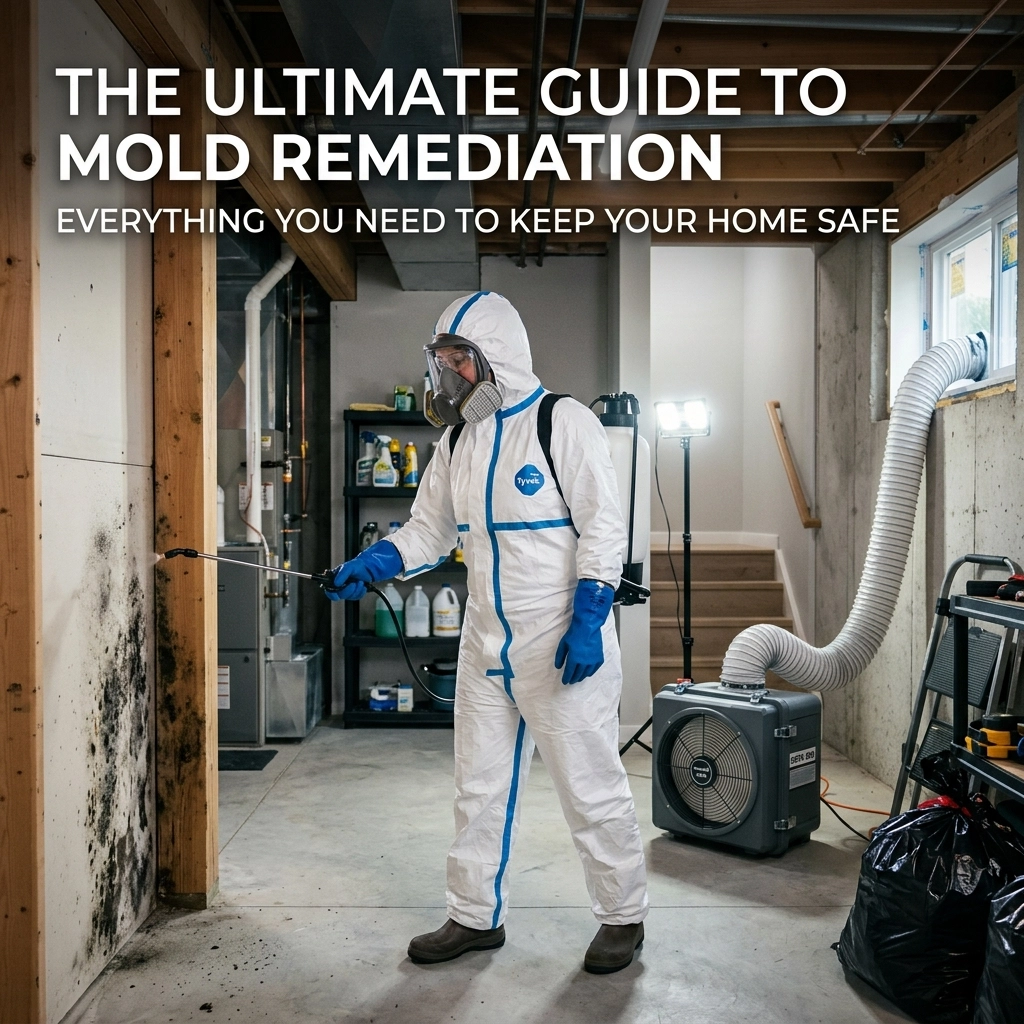
The Fix: Every affected surface needs to be cleaned with professional-grade antimicrobials. This isn't just about appearance; it's about health. We also recommend an air duct cleaning if the house was under high humidity for more than a day, as spores can travel through the vents and settle throughout the home.

Water damage is overwhelming, but you don't have to face it alone. While it might seem cheaper to handle it yourself, the cost of a "missed" damp spot can lead to structural failure or a massive mold remediation bill down the road.
At My Water Damage Hero, we specialize in taking the stress off your shoulders. From the initial water extraction to the final carpet cleaning and sanitization, we handle every step with simple, transparent communication. We work with your insurance company to make sure the job is done right the first time, so you can get back to your life.
If you’re dealing with a leak, a flood, or a suspicious smell, don't wait for the damage to get worse. Give us a call, and let us be your heroes!
Contact us for quick, trusted restoration.
See how we’ve turned tough situations into success stories.

