
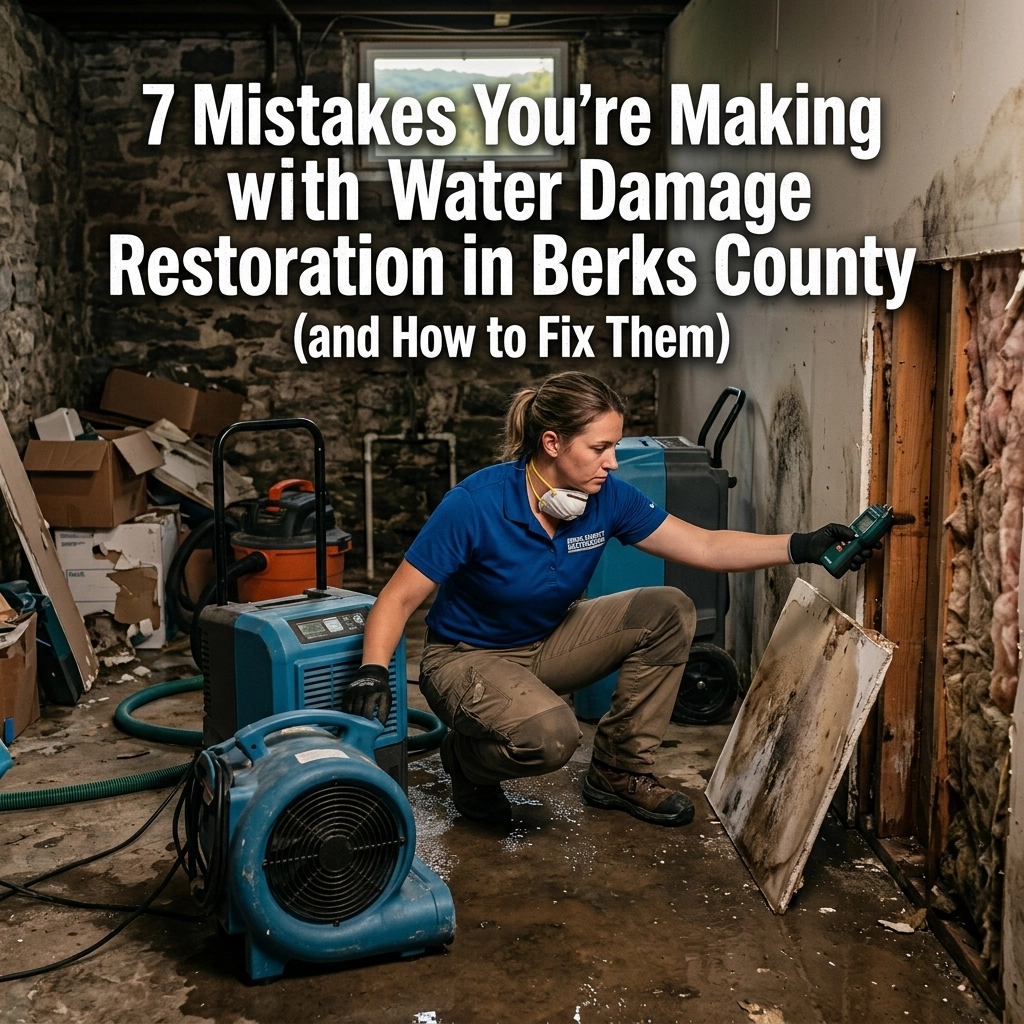
Hey there, Berks County neighbors! It’s Tonya here from My Water Damage Hero. Whether you’re living in a historic home in Reading, a cozy spot in Wyomissing, or out near the farms in Kutztown, we all have one thing in common: we love our homes. But living in Pennsylvania means we deal with everything from heavy spring rains to frozen pipes in the winter.
When water decides to take an uninvited tour of your basement or living room, it’s easy to panic. We’ve seen it all: from the "it’s just a little puddle" shrug to the "I can fix this with a hair dryer" approach. Unfortunately, those little mistakes can turn a small leak into a massive, expensive headache involving mold remediation and structural repairs.
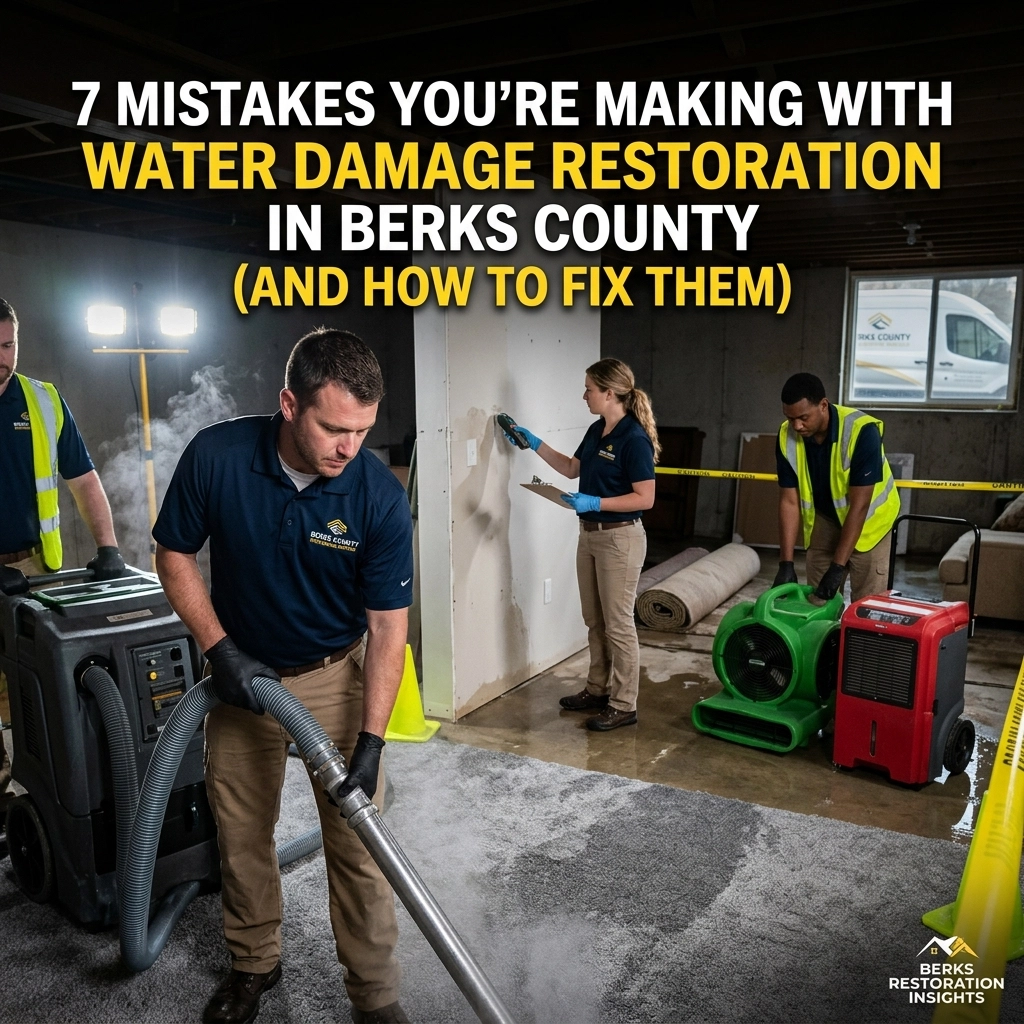
Today, I’m breaking down the seven biggest mistakes we see homeowners making with water damage restoration right here in Berks County, and more importantly, how you can fix them before things get out of hand.
The absolute biggest mistake you can make is waiting. Maybe it’s a Sunday afternoon and you don’t want to call anyone until Monday. Maybe you think the carpet will just dry out on its own.
The Reality: Water doesn't wait. Within 24 to 48 hours, mold can start to take hold. In the humid summers we get here in PA, that timeline can be even shorter. Standing water also seeps into your subfloors and drywall, weakening the very structure of your home.
The Fix: Treat every water incident like an emergency. Whether it’s a burst pipe or a leaky water heater, you need to start the water damage restoration process immediately. Grab a mop, use a wet/dry vac if you have one, and call in the pros to get industrial-grade drying equipment on-site.
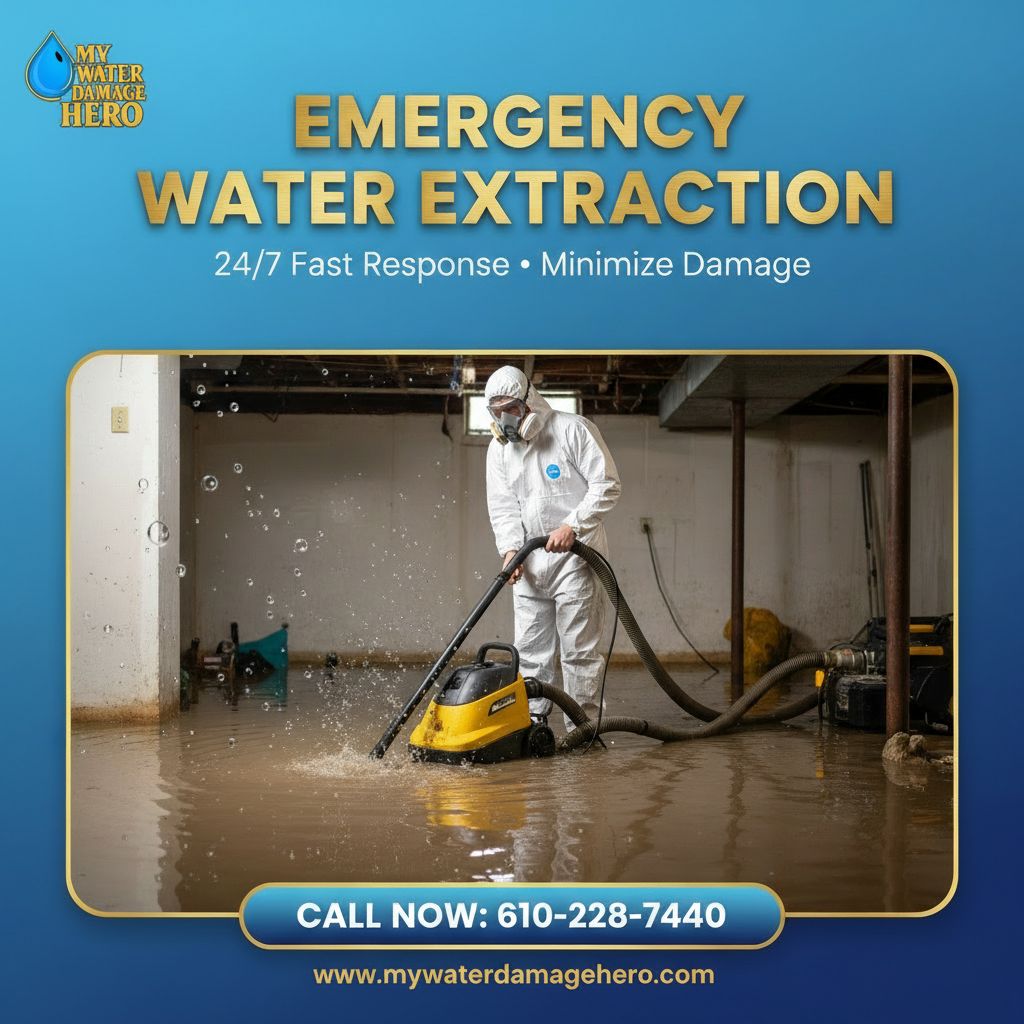
We love a good DIY project, but drying out a house isn’t like painting a guest room. A standard vacuum might get the surface water up, but it won’t touch the moisture trapped deep inside the carpet padding or behind the baseboards.
The Reality: If the padding under your carpet stays wet, it becomes a breeding ground for bacteria. Standard household fans just move the air around; they don’t actually remove the moisture from the environment. This often leads to a musty smell that never goes away, eventually requiring professional carpet cleaning or, worse, a full replacement.
The Fix: Professional restoration teams use high-velocity air movers and industrial dehumidifiers. These tools pull moisture out of the air and the materials themselves. If you’ve had a significant flood, don’t rely on your garage tools: get the heavy-duty gear.
"I don't see any mold, so I'm fine." We hear this all the time! But mold is a sneaky character. It loves dark, damp, cramped spaces: like the inside of your walls or under your hardwood floors.
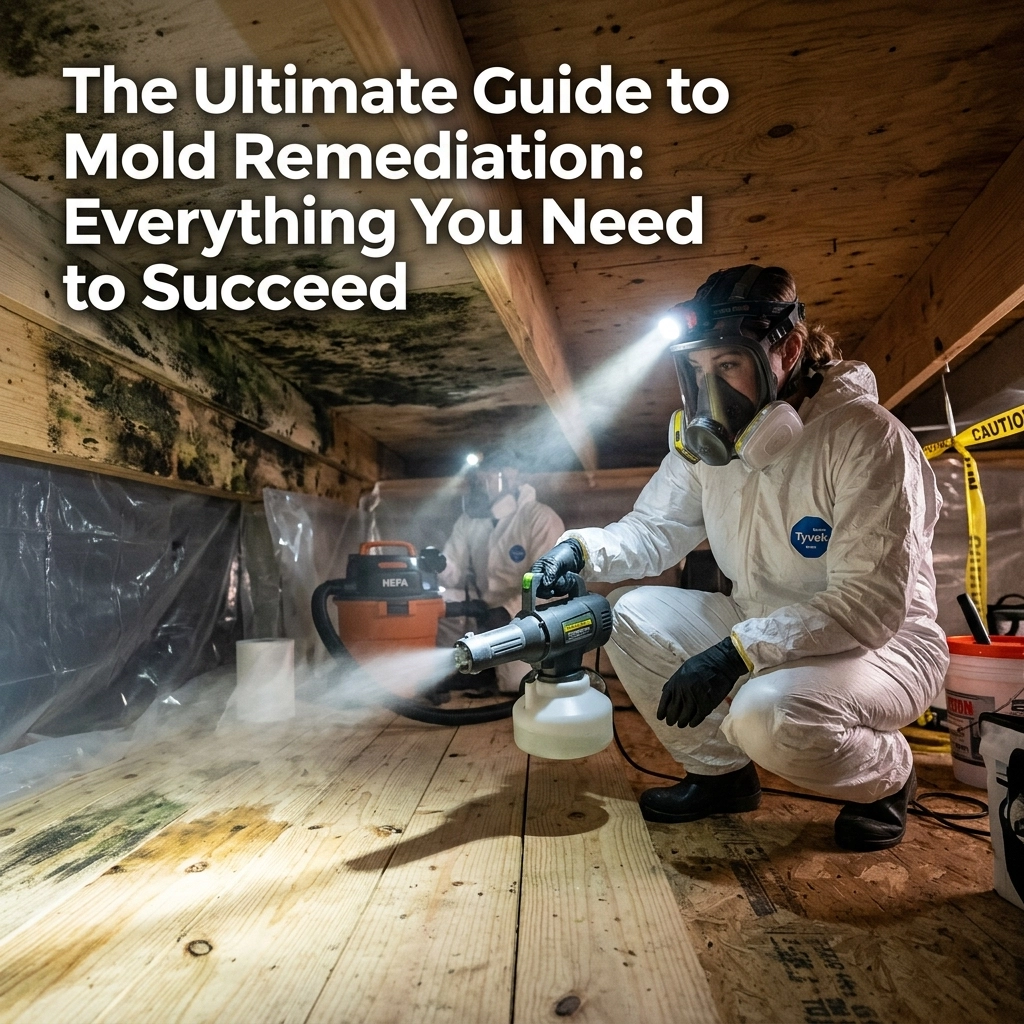
The Reality: By the time you actually see mold spots on your drywall, you likely have a much larger colony growing on the backside of that wall. Ignoring this can lead to health issues for your family and a much more expensive mold remediation bill down the road.
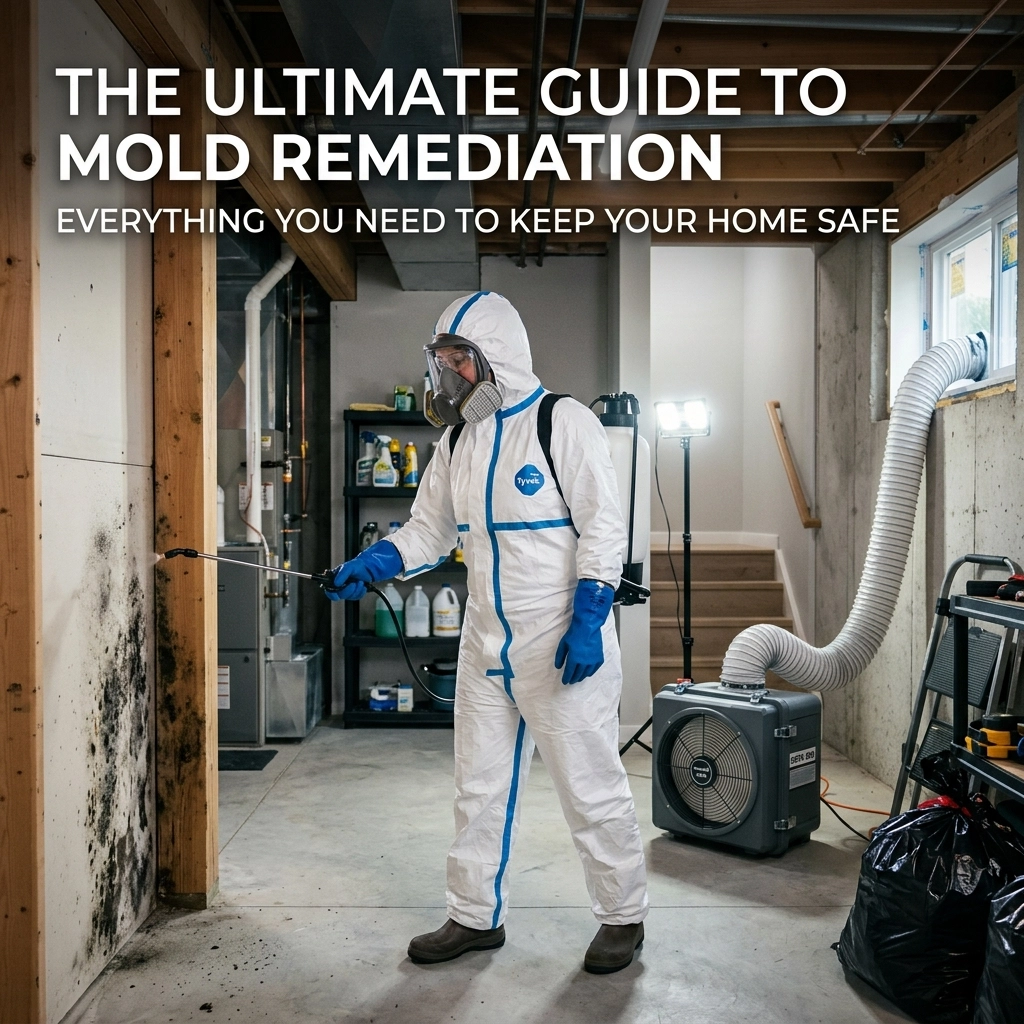
The Fix: Always assume mold is a possibility if things have been wet for more than a day. Use a moisture meter (or have a professional use one) to check the "unseen" areas. If you suspect growth, don't just spray it with bleach: that often doesn't kill the roots. You need professional-grade antimicrobials to ensure the job is done right.
When a pipe bursts in the upstairs bathroom, homeowners often focus on the bathroom floor. But water follows the path of least resistance. It travels down through the floorboards, into the ceiling of the room below, and down the inside of the walls.
The Reality: If you only dry the bathroom, the ceiling below might eventually collapse, or you’ll find yourself dealing with fire damage restoration needs if that water hits electrical wiring behind the scenes.
The Fix: Perform a "top-to-bottom" inspection. Check the rooms directly below the leak. Look for bubbling paint, yellow staining on the ceiling, or damp spots on the walls. A professional team uses thermal imaging cameras to "see" the water traveling through your walls without having to tear them down first.
When water sits in a home, it doesn't just affect the floors. The humidity levels in the whole house skyrocket. This moisture can enter your ductwork, where it meets dust and pet dander.
The Reality: This creates the perfect environment for mold to grow inside your vents. Every time your AC or heater kicks on, you’re blowing spores and musty air throughout the house. This is especially true if you’ve recently dealt with fire damage restoration or smoke, as those particles settle in the vents too.
The Fix: After any major water or fire event, it’s a great idea to schedule air duct cleaning. This ensures that the air your family is breathing is clean and that you aren’t spreading contaminants from the "damaged" part of the house to the "clean" part.

We’ve seen homeowners wading through a flooded basement while the power is still on. This is incredibly dangerous. Water and electricity are a deadly combination. Furthermore, not all water is "clean."
The Reality: There are three categories of water. Category 1 is clean water (like from a pipe). Category 3 is "black water" (like sewage or floodwater from a local creek). Black water is full of bacteria and pathogens that can make you very sick if you don't have the right protective gear.
The Fix:
Many homeowners call their insurance company and then just wait. Or, they start throwing away damaged items before documenting them.
The Reality: Insurance companies need proof. If you throw away your ruined rugs and furniture before the adjuster sees them or before you take photos, you might not get reimbursed for them. Also, many people don't realize that standard homeowners insurance often doesn't cover "seepage" or "groundwater" unless you have a specific rider.
The Fix:

Dealing with water, mold, or fire damage is stressful. We get it. Your home is your sanctuary, and seeing it under water is heartbreaking. But remember: a mistake today doesn't have to be a disaster tomorrow if you take the right steps.
At My Water Damage Hero, we’re proud to serve our local community. We don't just show up with fans; we show up with a plan to get your life back to normal. From carpet cleaning after a small leak to full-scale mold remediation and fire damage restoration, we’ve got your back 24/7.
Don't let a small leak turn into a big mistake. If you're standing in water or smelling something "off" in your basement, give us a call. We’ll help you fix those mistakes and get your home back to being the safe, dry place it’s meant to be.
Stay dry, Berks County!
Contact us for quick, trusted restoration.
See how we’ve turned tough situations into success stories.

