
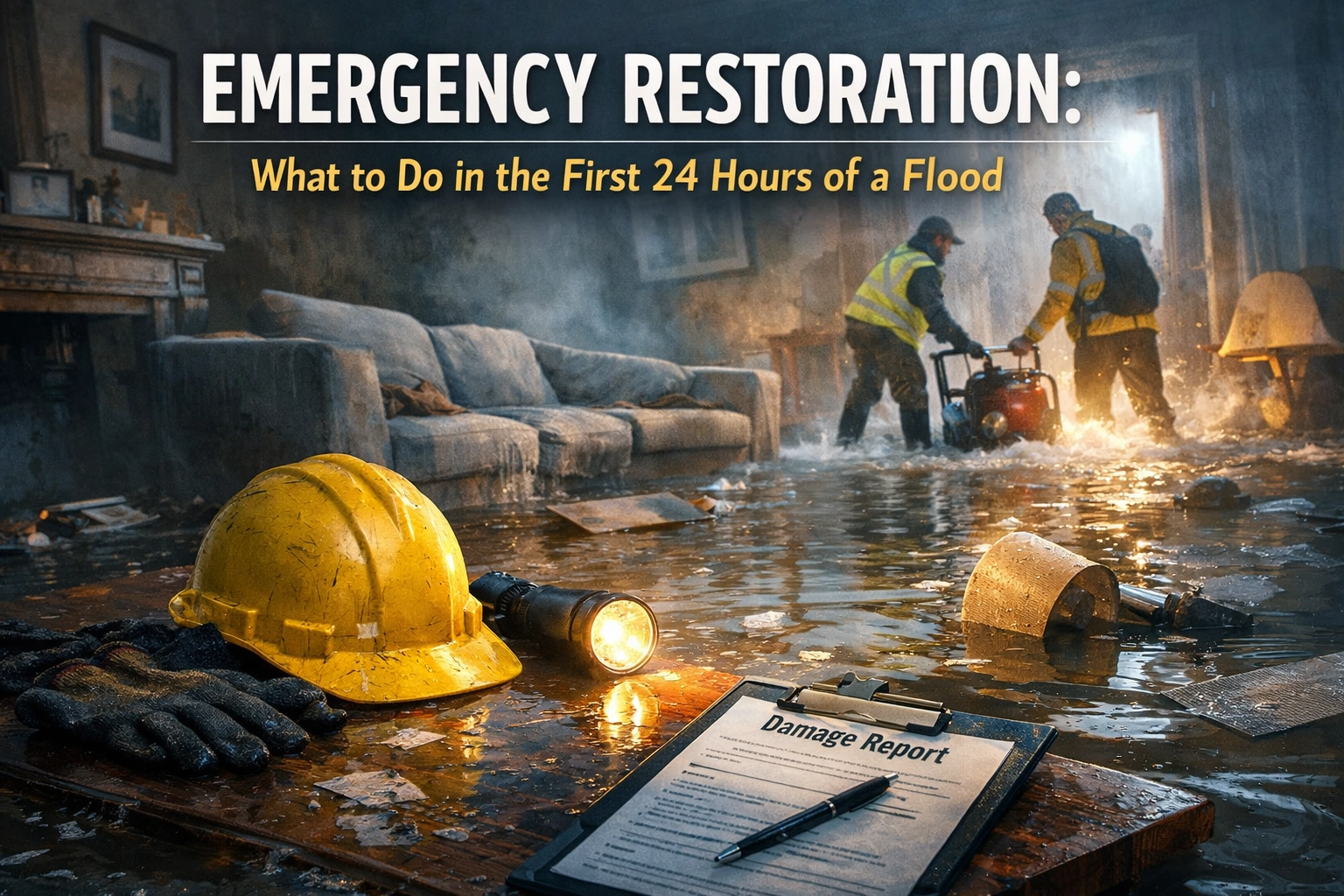
A flood just hit your home. Maybe a pipe burst in the middle of the night. Maybe a storm pushed water into your basement. Whatever the cause, you're standing there wondering what on earth to do next.
Here's the thing: the first 24 hours after a flood are absolutely critical. What you do (or don't do) during this window can mean the difference between a manageable cleanup and a full-blown disaster. We're talking thousands of dollars in repair costs and the very real threat of mold taking over your home.
Take a breath. We're going to walk you through exactly what to do step by step.
Before you do anything else, you need to make sure it's actually safe to be in your home.
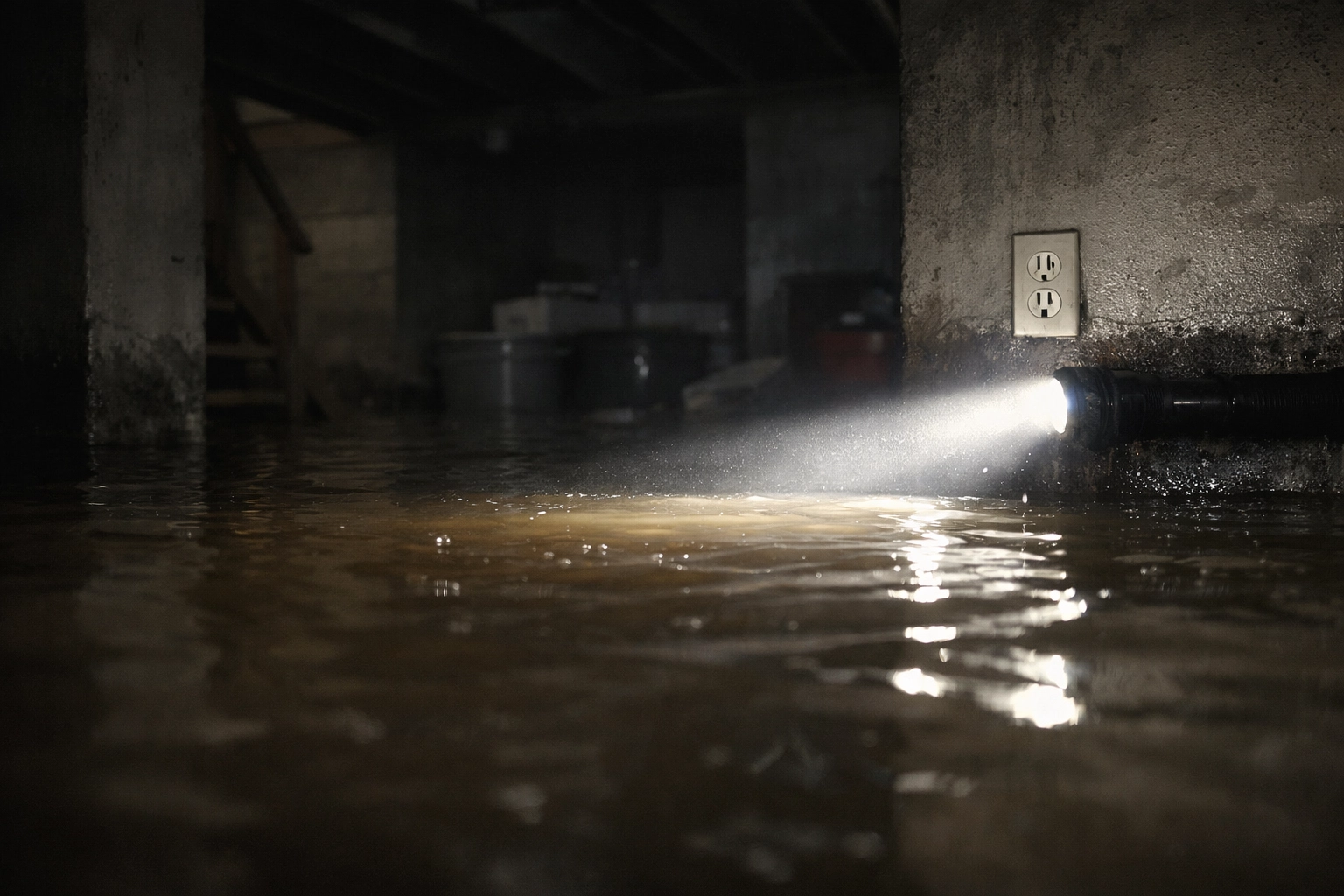
This might sound obvious, but people get hurt every year by rushing back into flooded properties without thinking. Standing water isn't just gross, it can be genuinely dangerous.
Here's what you need to watch out for:
One more thing: don't use your regular household vacuum or any power tools in wet areas. That's a shock hazard waiting to happen.
Okay, so you've confirmed it's safe to move around. Your next job is to figure out where the water is coming from and stop it.
This step is huge. You can't start drying things out if water is still pouring in. It's like trying to bail out a boat with a hole in the bottom.
Common water sources to check:
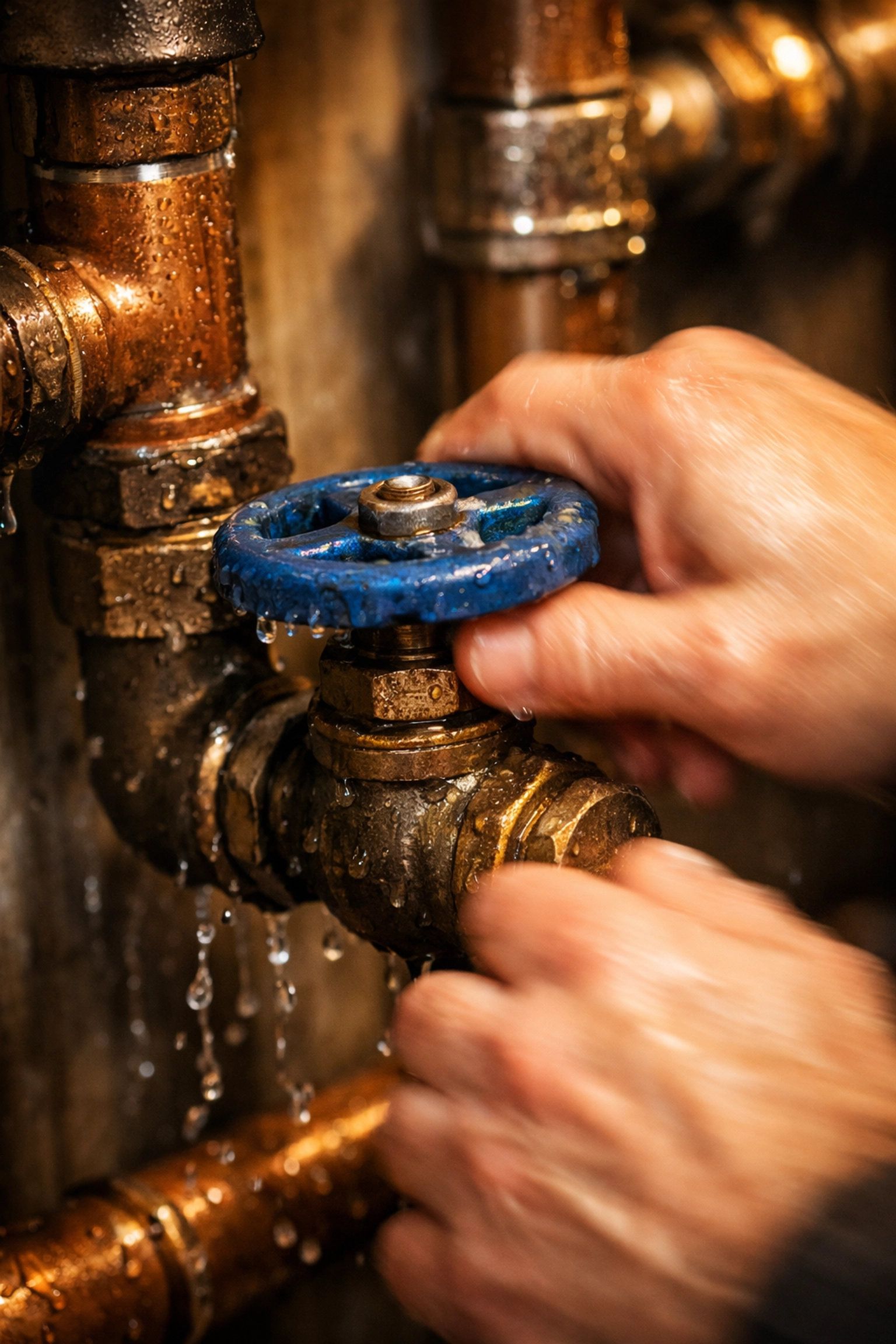
If it's a pipe issue, locate your main water shutoff valve and turn it off. Not sure where that is? It's usually in the basement, crawl space, or near your water meter. Every homeowner should know where this valve is before an emergency happens.
If the water is coming from outside, like storm flooding, you may not be able to stop it completely. Focus on containing it as much as possible and move on to the next steps.
We know this feels like a weird time to be taking photos. But trust us on this one.
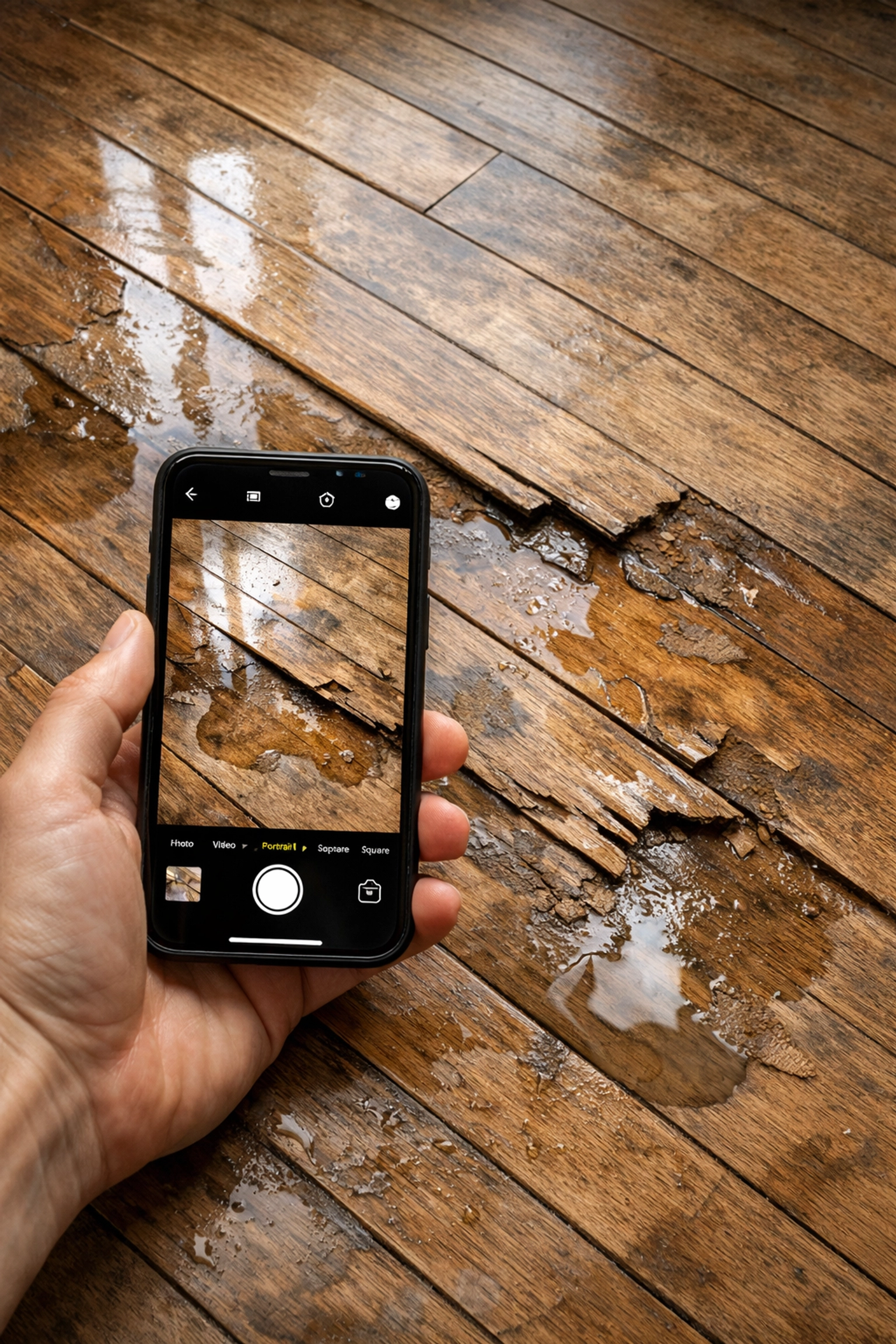
Before you start cleaning up or throwing anything away, grab your phone and document the damage. Take pictures and videos of:
This documentation is going to be your best friend when you file your insurance claim. The more evidence you have, the smoother that process will go.
Pro tip: Don't just photograph the obvious stuff. Water travels in sneaky ways, through walls, under floors, into places you can't see. Make sure you capture everything visible now, even if it seems minor.
Here's the honest truth: water damage restoration isn't a DIY project.
Sure, you can mop up a small spill. But actual flood damage? That requires industrial equipment, specialized knowledge, and speed that most homeowners just don't have access to.
Professional restoration companies have:
When you call a restoration company, look for one that's IICRC-certified. That certification means they've been trained in proper water damage restoration techniques and follow industry standards.
The goal in those first 24 hours is to remove as much standing water as possible. The faster that water gets extracted, the less time it has to soak into your floors, walls, and belongings. Every hour counts here.
At My Water Damage Hero, we understand that floods don't wait for convenient timing. That's why emergency water removal services exist: to get to you fast when it matters most.
While you're waiting for the restoration team to arrive, pick up the phone and call your insurance company.
The sooner you report the damage, the sooner your claim gets started. Your insurance adjuster will want to know:
Have your documentation ready to share. Those photos and videos you took earlier? They're about to come in very handy.
Ask your insurance company what's covered under your policy and what your next steps should be. Some policies cover water damage restoration costs, while others have specific exclusions. It's better to know now than to be surprised later.
While you wait for professionals to arrive, there are some safe steps you can take to start controlling moisture:
Do this:
Don't do this:
The key here is controlling humidity. Mold loves moisture, and it can start growing within 24-48 hours of water exposure. By keeping air moving and reducing humidity levels, you're buying yourself valuable time.
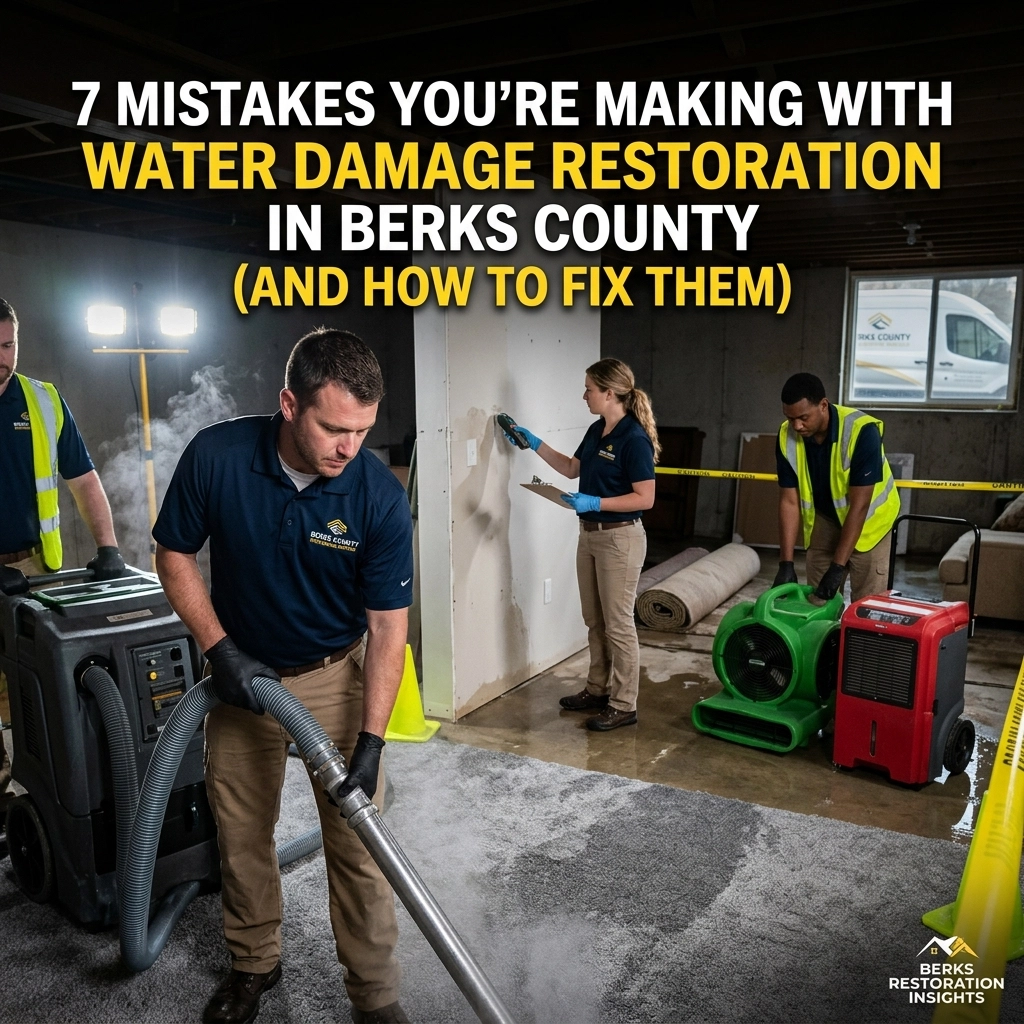
Once the water damage restoration team gets to your home, they'll take over with a systematic approach:
Assessment. They'll use moisture meters and thermal imaging to find all the water: including the stuff you can't see.
Water extraction. Industrial pumps and vacuums will remove standing water fast. This is emergency water removal at its most effective.
Containment. They'll set up barriers to prevent moisture from spreading to unaffected areas of your home.
Drying and dehumidification. Commercial-grade equipment will dry out your structure over the following days.
Monitoring. They'll track moisture levels to make sure everything is drying properly and adjust equipment as needed.
This process takes time: usually several days to a week or more, depending on the severity of the damage. But starting it within that first 24-hour window makes a massive difference in the final outcome.
Flooding is stressful. There's no way around that. But knowing what to do in those critical first 24 hours can save you money, protect your home, and give you peace of mind.
Quick recap of your action plan:
The most important thing to remember? Speed matters. Every hour that water sits in your home, it's causing more damage. Don't wait to see if things will "dry out on their own." They won't.
If you're dealing with a flood right now, take action. Your home: and your wallet( will thank you later.)
Contact us for quick, trusted restoration.
See how we’ve turned tough situations into success stories.

