
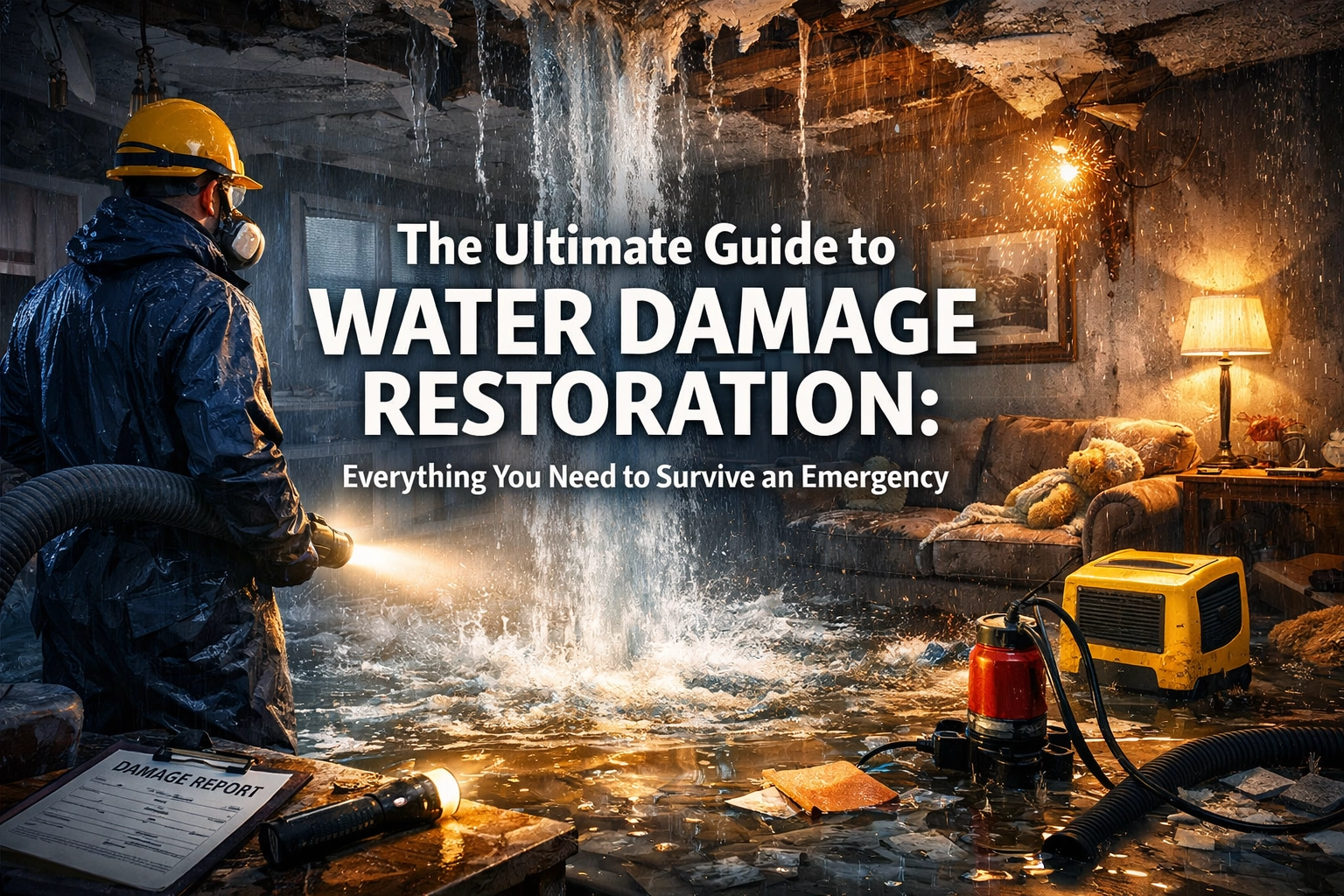
Water damage hits when you least expect it, burst pipes, flooding, roof leaks, or even a washing machine gone rogue. One minute everything's fine, the next you're standing in ankle-deep water wondering what on earth to do next. Take a breath. We're going to walk you through everything you need to know about water damage restoration so you can tackle this emergency like a pro.
Here's the deal: when it comes to water damage, time isn't just money, it's everything. You've got a 24 to 48-hour window to act before things go from bad to worse. After that, mold starts making itself at home in your walls, floors, and pretty much anywhere moisture lingers.
The faster you move, the more you can save. Quick action means less demolition, lower costs, and a better chance of salvaging your belongings. So put down that phone (after you read this, of course) and let's get to work.
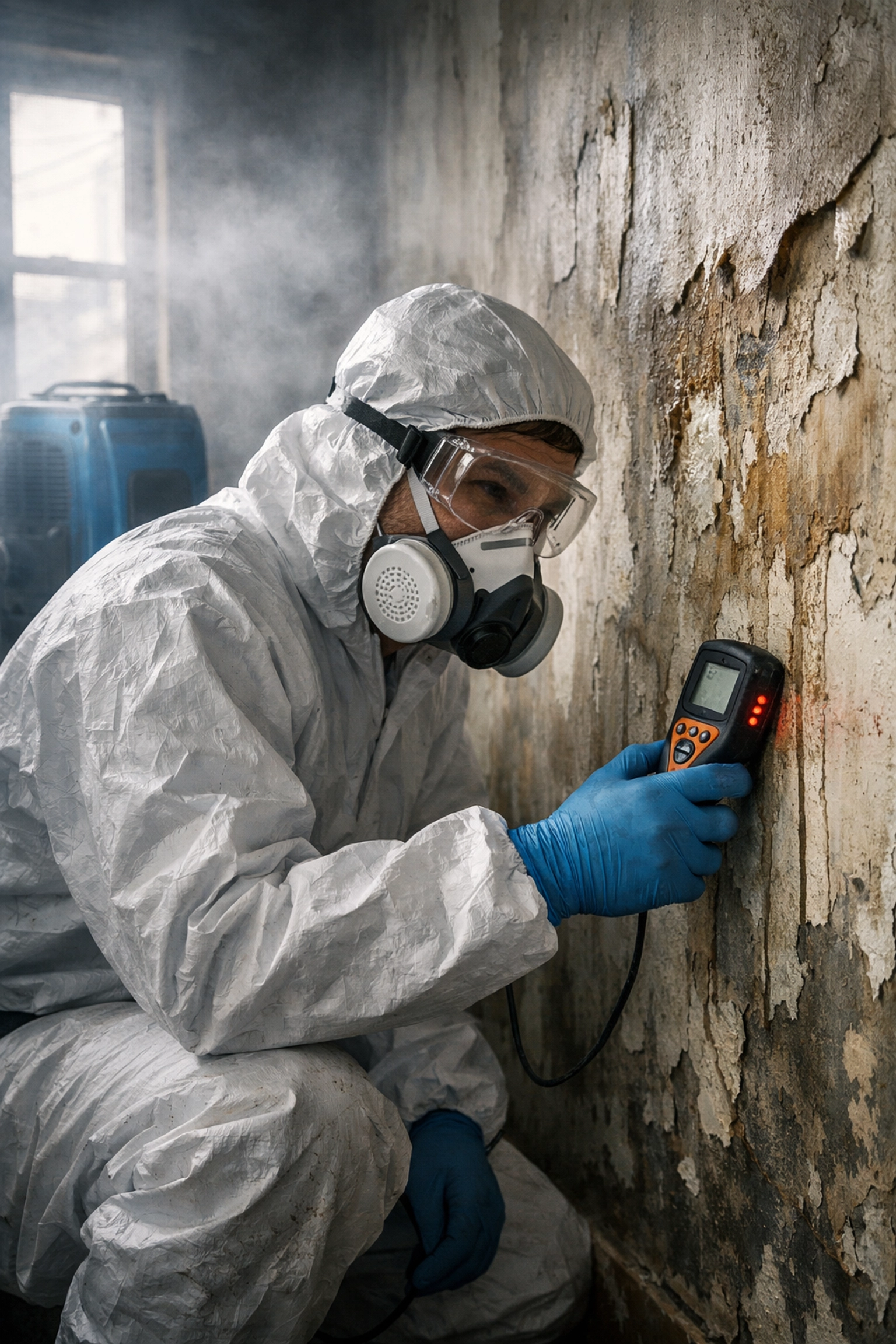
Before you start playing hero, shut off the electricity in affected areas. Water and electricity are a terrible combination, and you don't want to become part of the problem. If you can't safely reach your electrical panel, call an electrician or wait for the pros.
Next up, stop the water source if possible. Shut off your main water valve if it's a plumbing issue. If it's rain or flooding from outside, you might need to wait for the storm to pass or set up temporary barriers.
The water damage restoration process happens in three phases: mitigation, remediation, and restoration. Think of mitigation as emergency response, stopping the bleeding, so to speak. This is where you focus your immediate energy.
Once it's safe to proceed, it's time to remove standing water. For minor situations, you might manage with a wet/dry shop vac and some towels. But for anything serious, you're looking at industrial-grade pumps and extraction equipment that can handle hundreds of gallons.
Professional restoration teams use specialized extractors that don't just remove surface water, they pull moisture from carpet fibers, padding, and even inside wall cavities. Sometimes they'll remove baseboards or drill small holes to access hidden water between your walls. Yeah, it sounds invasive, but it's way better than letting water sit and breed mold.
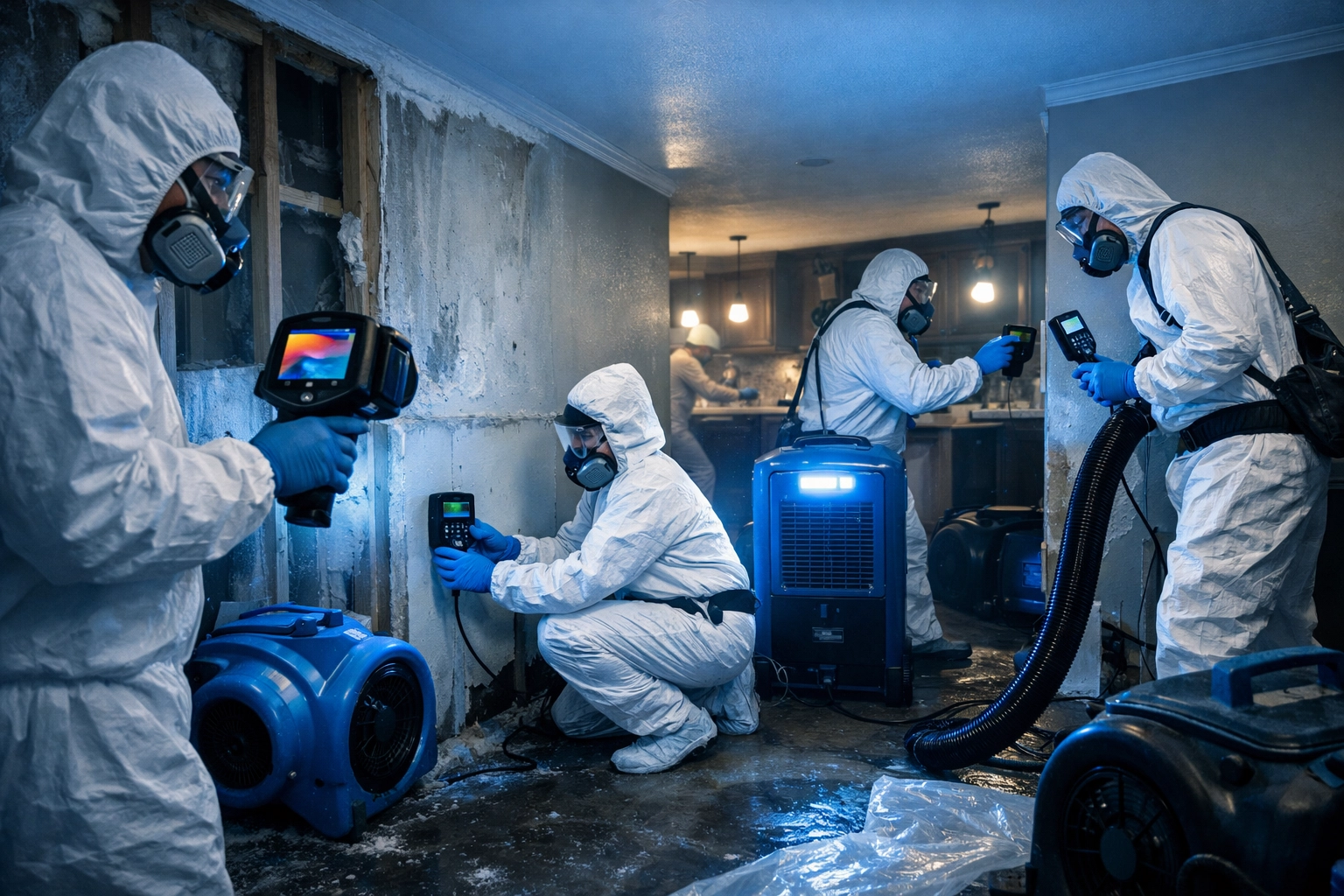
Here's a cool part: restoration pros use moisture meters and infrared thermal cameras to find water you can't even see. That puddle might be gone, but moisture could be lurking in places you'd never think to check.
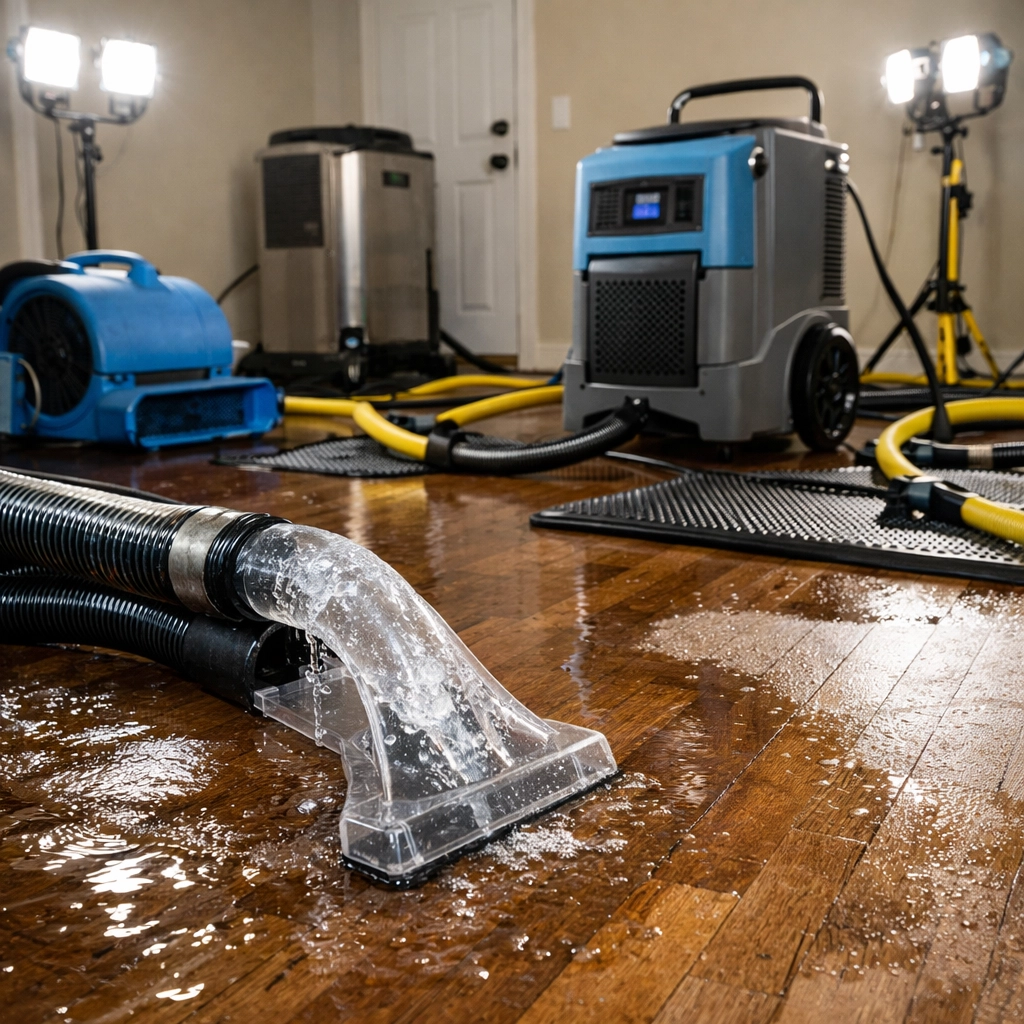
Water extraction is just round one. Now comes the drying phase, which honestly takes longer than most people expect. This isn't "open a window and hope for the best" territory: you need industrial dehumidifiers and air movers running 24/7 for days.
Why so intense? Because incomplete drying is mold's best friend. Even a little moisture trapped between your drywall and insulation can turn into a full-blown mold problem in less than a week. The goal is to get every surface, every corner, and every hidden space completely dry.
Professional equipment doesn't just dry faster: it dries better. Those massive fans aren't just moving air around; they're creating airflow patterns that pull moisture from materials and evaporate it efficiently.
Once everything's dry, the real cleaning begins. Water damage isn't just about wetness: it brings contamination, especially if we're talking about flooding or sewage backup. Even "clean" water from a pipe can pick up nasty stuff as it spreads through your home.
This phase involves deep cleaning and sanitizing salvageable materials, deodorizing to eliminate musty smells, and treating areas where mold spores might be hanging out. Some items just can't be saved: drywall below the flood line, carpet padding, and certain types of trim usually get tossed.
The harsh truth? It's better to throw out compromised materials than risk health problems down the road. Your family's wellbeing beats sentimentality every time.
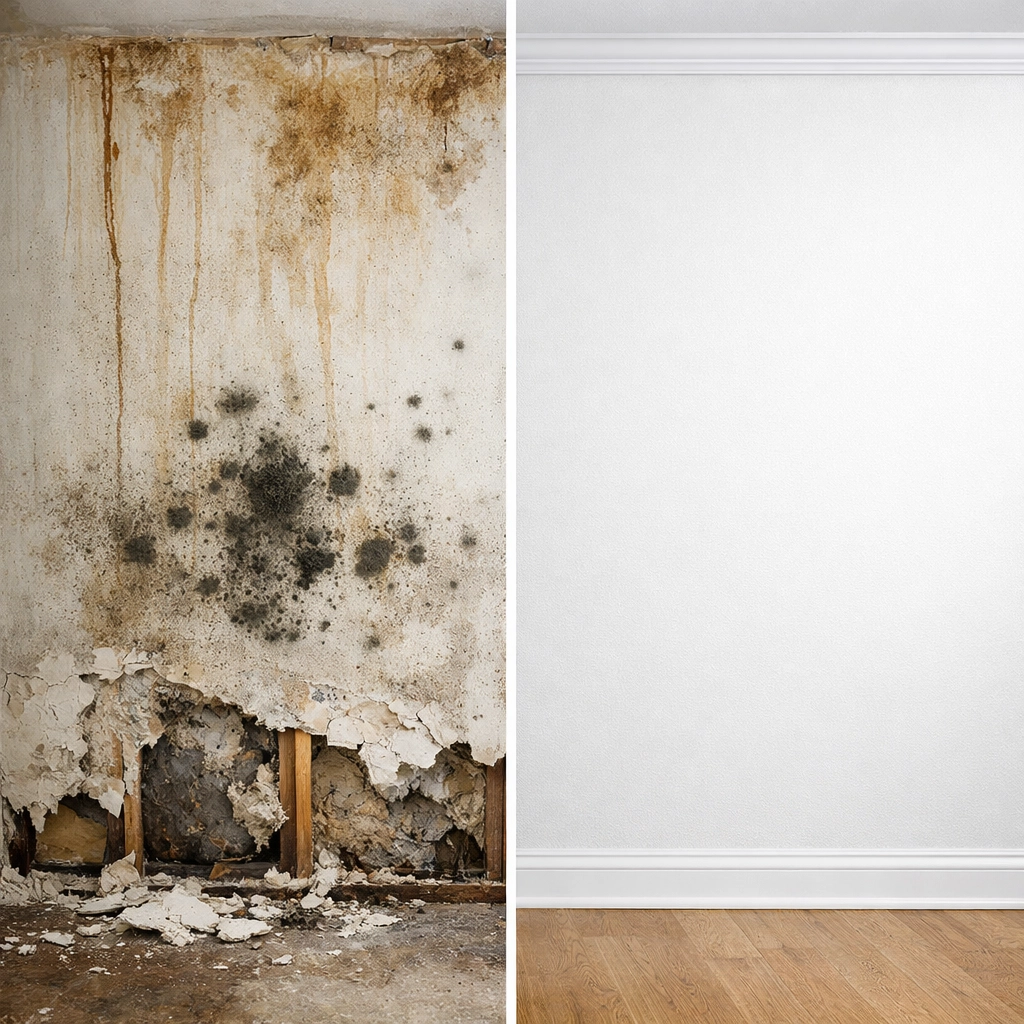
Now we get to reconstruction: turning your disaster zone back into a livable space. This could mean anything from minor drywall patches to major rebuilding projects, depending on the damage extent.
Repairs typically start at the ceiling and work downward. Why? Because a sagging or collapsing ceiling is both dangerous and can damage everything below it during repairs. Even minor ceiling water stains might need repainting after mold treatment.
Common repairs include:
The scope varies wildly. Sometimes it's a weekend project. Other times, you're looking at weeks of work.
Look, we get it. You're handy. You've watched YouTube videos. You want to save money. But water damage restoration isn't like installing a ceiling fan: the stakes are way higher.
Professional water damage restoration teams bring specialized equipment you can't rent at Home Depot. They understand IICRC standards for classifying water contamination and determining the proper response. They know how to prevent mold growth, not just clean up what's visible.
Most importantly, they work fast. While you're still figuring out where to start, they've already extracted thousands of gallons and set up a complete drying system. In those critical first 48 hours, that speed makes all the difference.
Let's talk money because pretending costs don't matter helps nobody. Ceiling repairs alone can run $45-55 per square foot, and that doesn't include fixing whatever caused the leak in the first place.
Total costs depend on your home's age, the materials involved, and how much area got damaged. A small bathroom flood? Maybe a few thousand dollars. Whole-house flooding? We're talking tens of thousands, potentially more.
The good news: your homeowner's insurance might cover it. Document everything with photos and videos, keep receipts, and review your policy. Some damage is covered, some isn't: it depends on the cause and your specific coverage.
Professional restoration might seem pricey upfront, but consider the alternative: incomplete drying leading to mold remediation costs later, structural damage from missed moisture, or health problems from contamination. Suddenly, paying for professionals doesn't seem so expensive.
Water damage is stressful, messy, and never convenient. But it's also manageable when you know what to do and who to call. Remember: act fast, prioritize safety, and don't underestimate what professional help can accomplish.
If you're facing water damage right now, take that first step. Turn off utilities if needed, document the damage, and reach out for professional help. The clock's ticking, but you've got this. And when everything's restored and you're back to normal? You'll be amazed at how well you handled a genuine emergency.
Need expert help with water damage restoration? Visit My Water Damage Hero to connect with professionals who can get your home back to normal, fast.

Contact us for quick, trusted restoration.
See how we’ve turned tough situations into success stories.

