
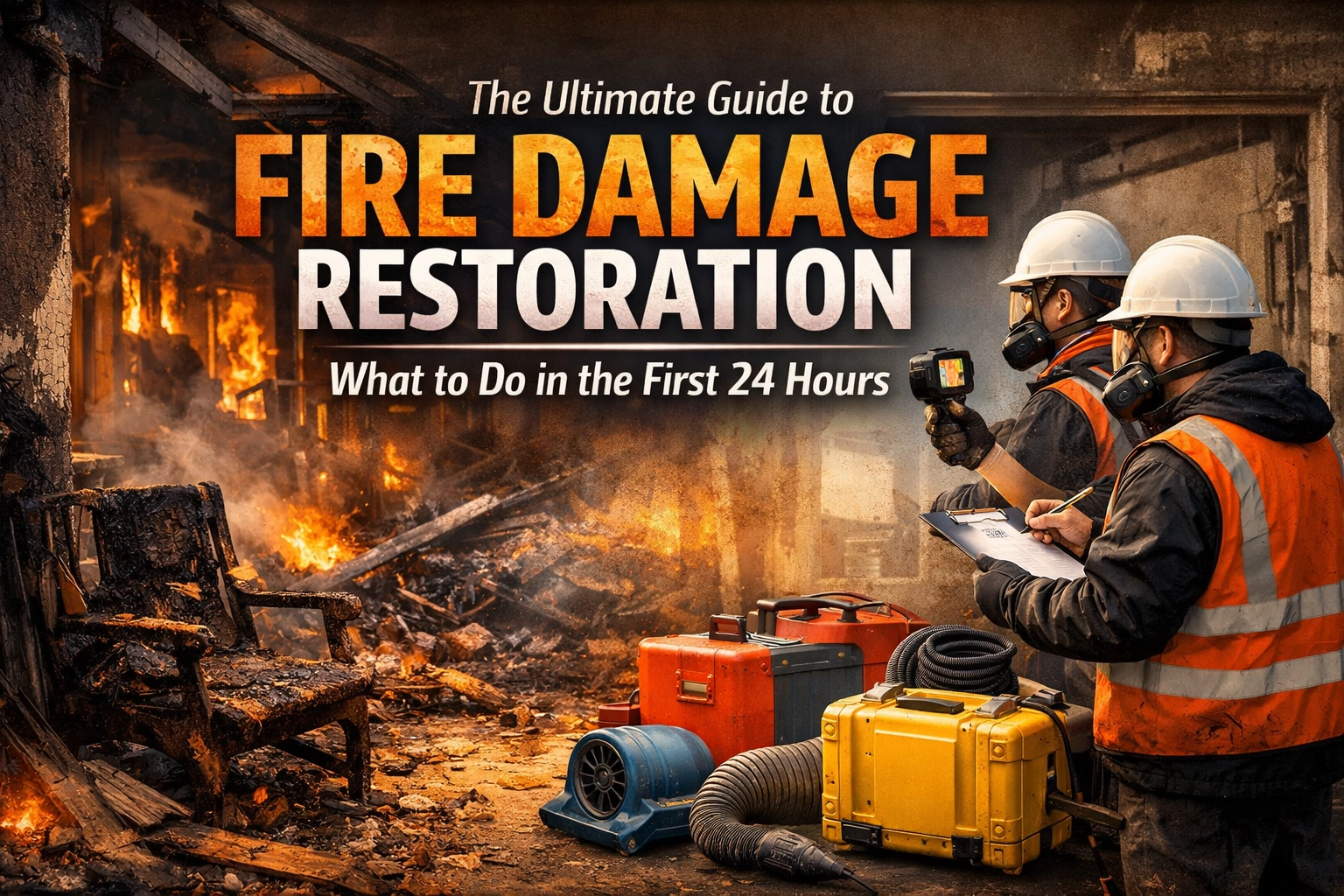
Experiencing a house fire is one of the most stressful things a homeowner can go through. Once the fire trucks pull away and the smoke clears, you’re left standing there wondering, "What now?" The clock starts ticking the moment the flames are out.
At My Water Damage Hero, we’ve seen it all. We know that the first 24 hours after a fire are the most critical for your home’s recovery. What you do: and what you don’t do: during this window can be the difference between a successful restoration and permanent damage. This guide is here to help you navigate those first few hours with a clear head.
It’s tempting to run inside to grab your jewelry, photo albums, or even just to see the extent of the damage. But stop right there. Even if the fire is out, the structure of your home might be compromised.
Fire can weaken floor joists and roof supports. Plus, the water used to put out the fire adds thousands of pounds of weight to the building. Before anyone steps foot inside, you need a "clear to enter" from the fire department or a structural engineer.
Beyond the structure, there are hidden hazards like:
Wait for the experts to tell you it’s safe. Your life is worth more than any item in that house.
Once the fire marshal says it’s okay to be on the property, your next job is to secure it. If windows were broken or the roof was damaged, your home is vulnerable to the elements and to intruders.
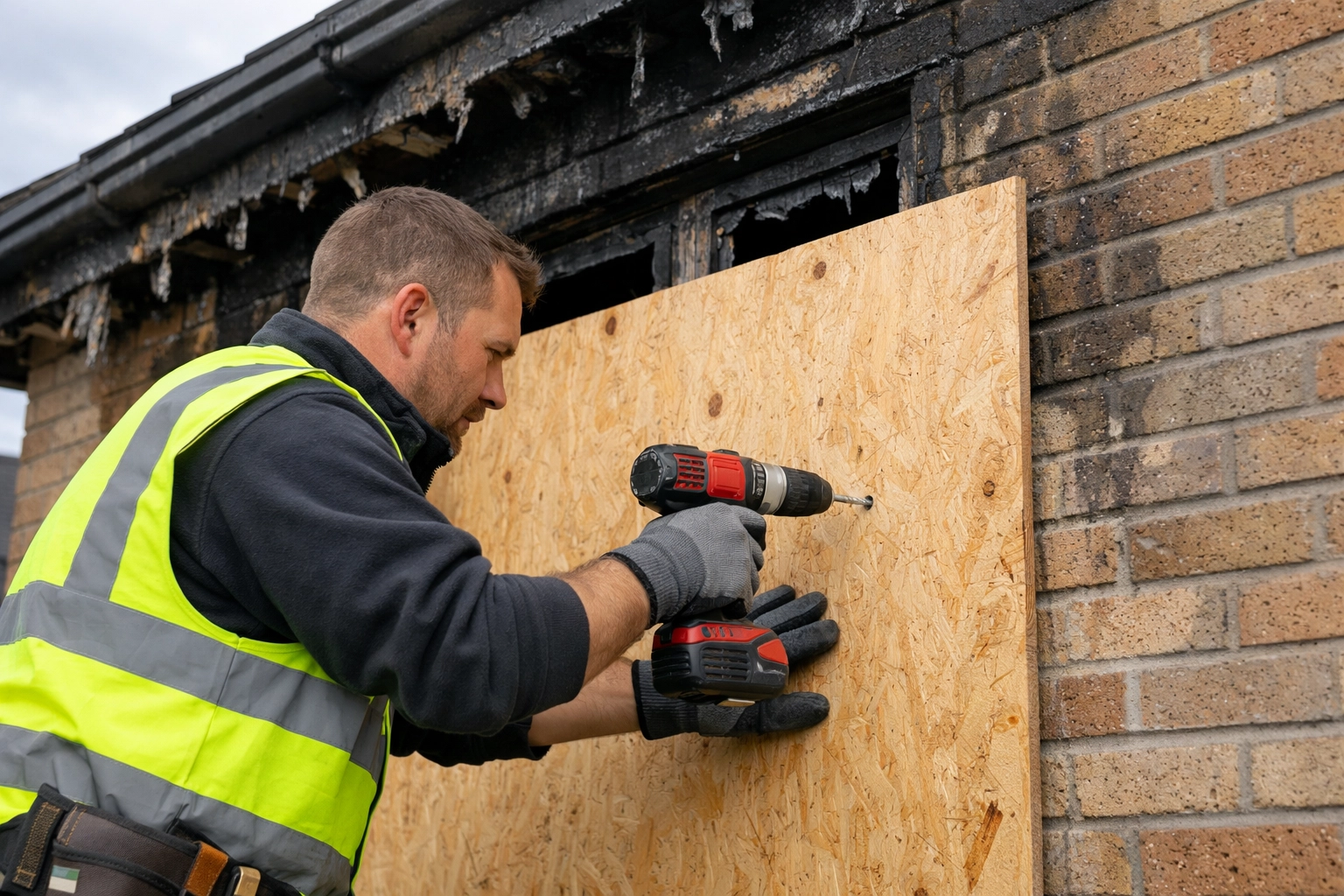
Boarding up windows and tarping the roof is essential. Rain coming through a hole in the roof will only lead to more problems, like the need for extensive water damage restoration. Securing the site also protects you from liability if someone wanders onto the property and gets hurt. If you can’t do this yourself, many fire damage restoration companies offer 24/7 emergency board-up services.
You need to call your insurance company immediately. They will guide you on their specific process and help you understand your coverage. At the same time, you should call a professional restoration team like My Water Damage Hero.
Why call a pro so early? Because restoration isn't just about cleaning up; it's about stabilization. A professional team can start the "triage" process, preventing the damage from spreading. We often work directly with insurance adjusters to make the paperwork side of things much smoother for you.
Your insurance company is going to want proof of everything. Before you move a single piece of furniture or wipe a smudge of soot, grab your phone and start taking photos and videos.
This documentation is your best friend when it comes to getting the settlement you deserve.
It’s a bit ironic, isn't it? You had a fire, but now your house is soaking wet. Firefighters use a lot of water to save your home, and that water doesn't just disappear. If it sits there for more than 24 hours, you’re looking at a serious risk of mold.
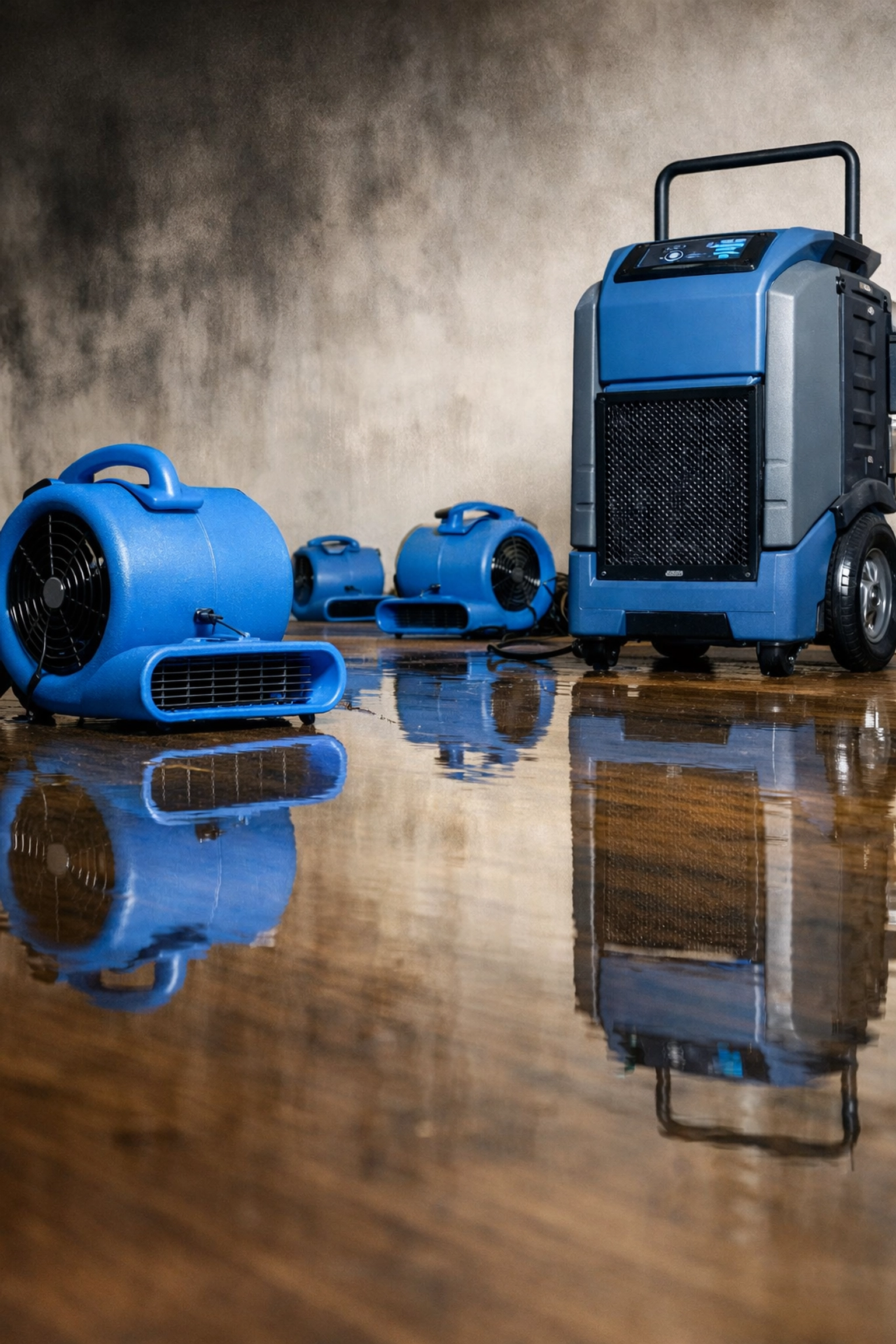
This is where water damage restoration crosses paths with fire recovery. We use industrial-grade dehumidifiers and air movers to dry out the structure as fast as possible. If the water stays, you'll eventually need mold remediation, which adds another layer of cost and time to your recovery. Acting fast to extract water from carpets and floorboards is a top priority in those first 24 hours.
Soot isn't just "dirt." It’s acidic. If it sits on your surfaces for too long, it will start to etch into glass, tarnish metal, and permanently stain your walls.
Smoke is also a sneaky traveler. It gets into every nook and cranny, including your HVAC system. This is why air duct cleaning is almost always a necessary part of the fire restoration process. If you don't clean the ducts, every time you turn on the AC or heat, you'll be blowing "campfire" smell and toxic particles back into your living space.
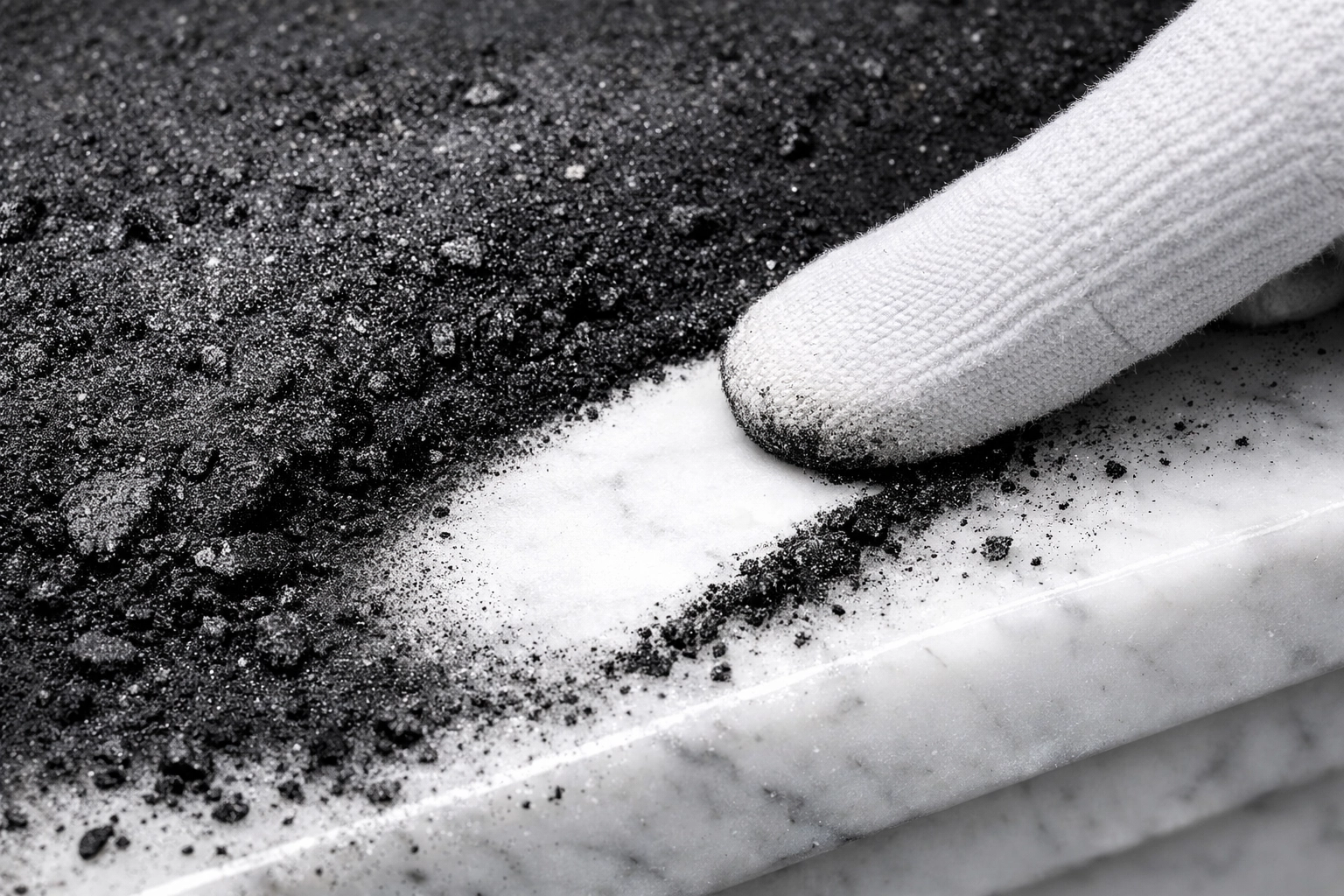
In the first 24 hours, people often try to help by cleaning up, but you can actually make things worse. Here are a few things to avoid:
You might think, "I'll deal with this tomorrow." But in the world of restoration, "tomorrow" can be too late for many of your belongings.
By jumping on the problem within the first day, you can save items that would otherwise end up in a landfill.
In the first 24 hours, you likely won't be living in your home. Take a moment to gather the essentials if the fire department allows you to enter briefly:
If these items are smoke-damaged, don't worry. Professional cleaners have specialized ways to restore even delicate documents and fabrics.
We know that looking at a charred room is overwhelming. You don’t have to do this alone. We specialize in the full spectrum of recovery, from the initial fire damage restoration and board-up to the deep carpet cleaning and air duct cleaning that makes your home smell fresh again.

Our team is trained to handle the delicate balance of removing soot without damaging the materials underneath. We also prioritize water damage restoration and mold remediation to ensure that once the fire damage is gone, you aren't left with a lingering health hazard from damp walls.
Recovery is a marathon, not a sprint, but the way you start the race determines how it ends. If you’ve experienced a fire, don't wait. Give us a call or visit http://www.mywaterdamagehero.om to get the help you need right now. We’re here to help you get your home: and your life( back to normal.)
Contact us for quick, trusted restoration.
See how we’ve turned tough situations into success stories.

