
If you are reading this, you have probably just experienced one of the most stressful events a homeowner can face. First off, we are so sorry you’re going through this. A house fire is terrifying, and the aftermath can feel completely overwhelming. Between the charred walls, the smell of smoke, and the soggy carpets left behind by the fire department, it’s hard to know where to even start.
At My Water Damage Hero, we see people at their toughest moments, and we want you to know that your home can be restored. The process of fire damage restoration is complex, but it follows a specific path to get you back to normal. This guide will walk you through every step of the journey, from the first 24 hours to the moment you walk back through your front door.
It might seem strange to worry about "speed" when you’re still processing the shock of the fire. However, the first 24 to 48 hours are absolutely critical. Once the fire is out, the secondary damage begins.
Ash and soot are acidic. If they sit on your surfaces for too long, they start to etch into glass, tarnish metal, and permanently stain your walls. Furthermore, because firefighters use thousands of gallons of water to put out flames, your home is now a prime target for mold. Starting water damage restoration and mold remediation immediately is the only way to prevent a bad situation from getting much worse.
Before anyone even picks up a sponge, a professional team needs to make sure the site is safe. A fire can weaken the structural integrity of your home in ways that aren't obvious to the naked eye.
When we first arrive, we conduct a thorough inspection of:
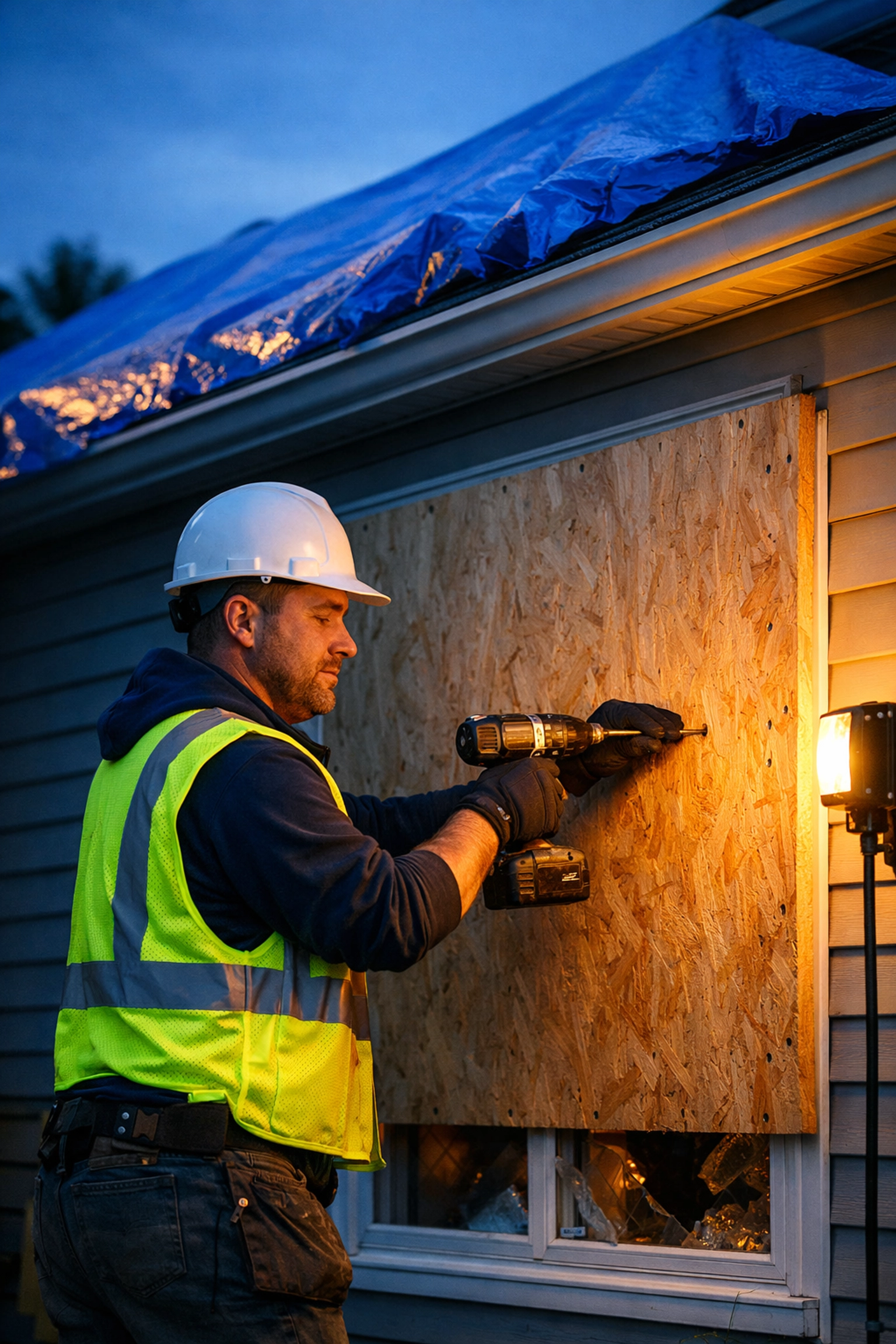
Once we know the home is safe to enter, we move to "Board-Up and Tarp" services. If the fire broke windows or burned a hole in the roof, your home is vulnerable to rain and intruders. We secure these openings immediately to protect what’s left of your belongings.
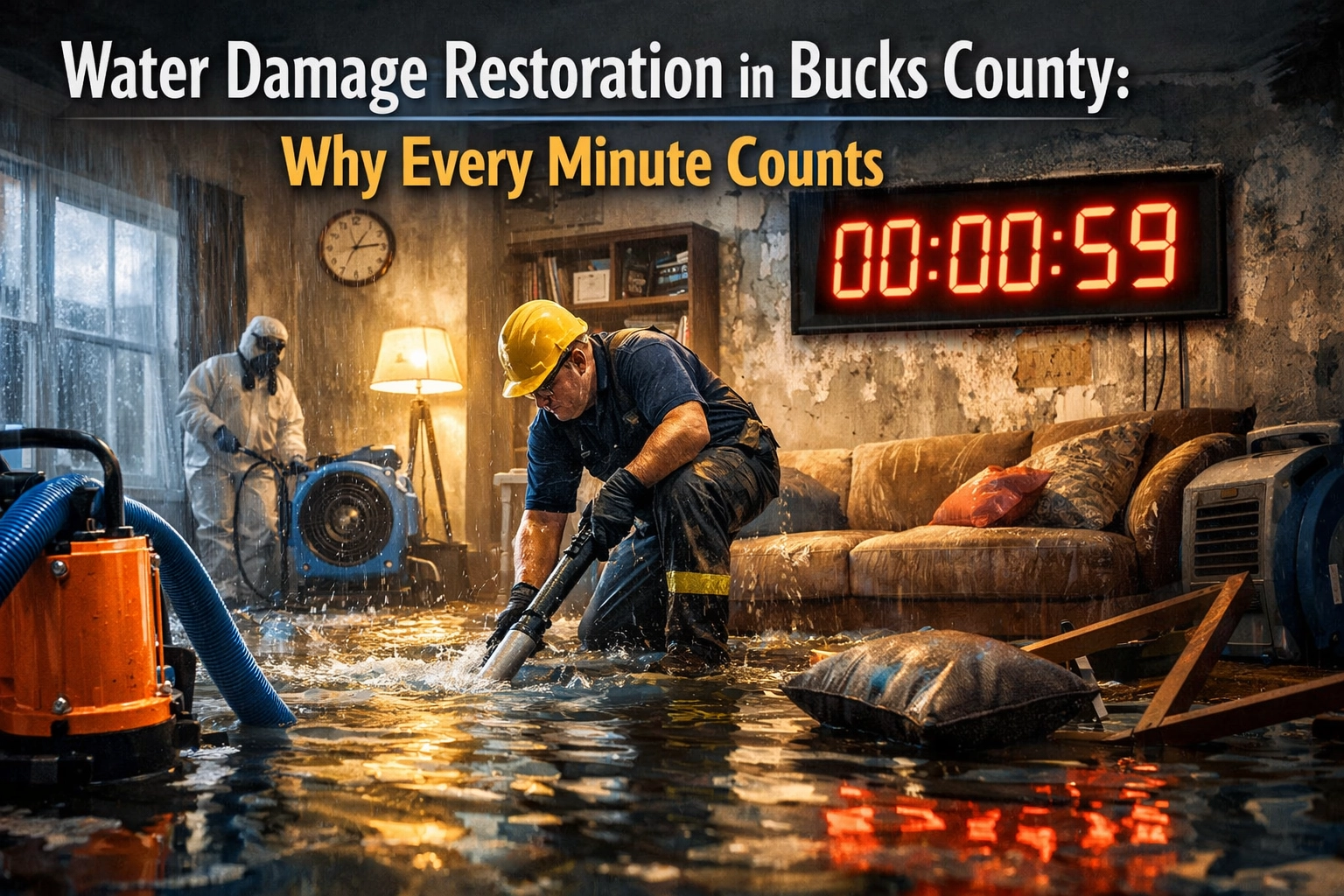
It sounds counterintuitive, but fire damage almost always involves serious water damage. Whether it came from the fire hoses or the overhead sprinkler system, that water is now soaking into your subfloors and drywall.
This is where water damage restoration kicks in. We use industrial-grade air movers and dehumidifiers to pull moisture out of the air and the structure. If this step is skipped, you’ll be dealing with a massive mold remediation project within just a few days. We don't just want your home dry; we want it "scientifically dry" to ensure no spores have a chance to grow.
Now comes the "dirty" part. Anything that is charred beyond repair needs to go. This includes burnt furniture, melted electronics, and contaminated insulation. Removing this debris isn't just about cleaning up the mess; it’s about removing the source of the toxic smoke odor.
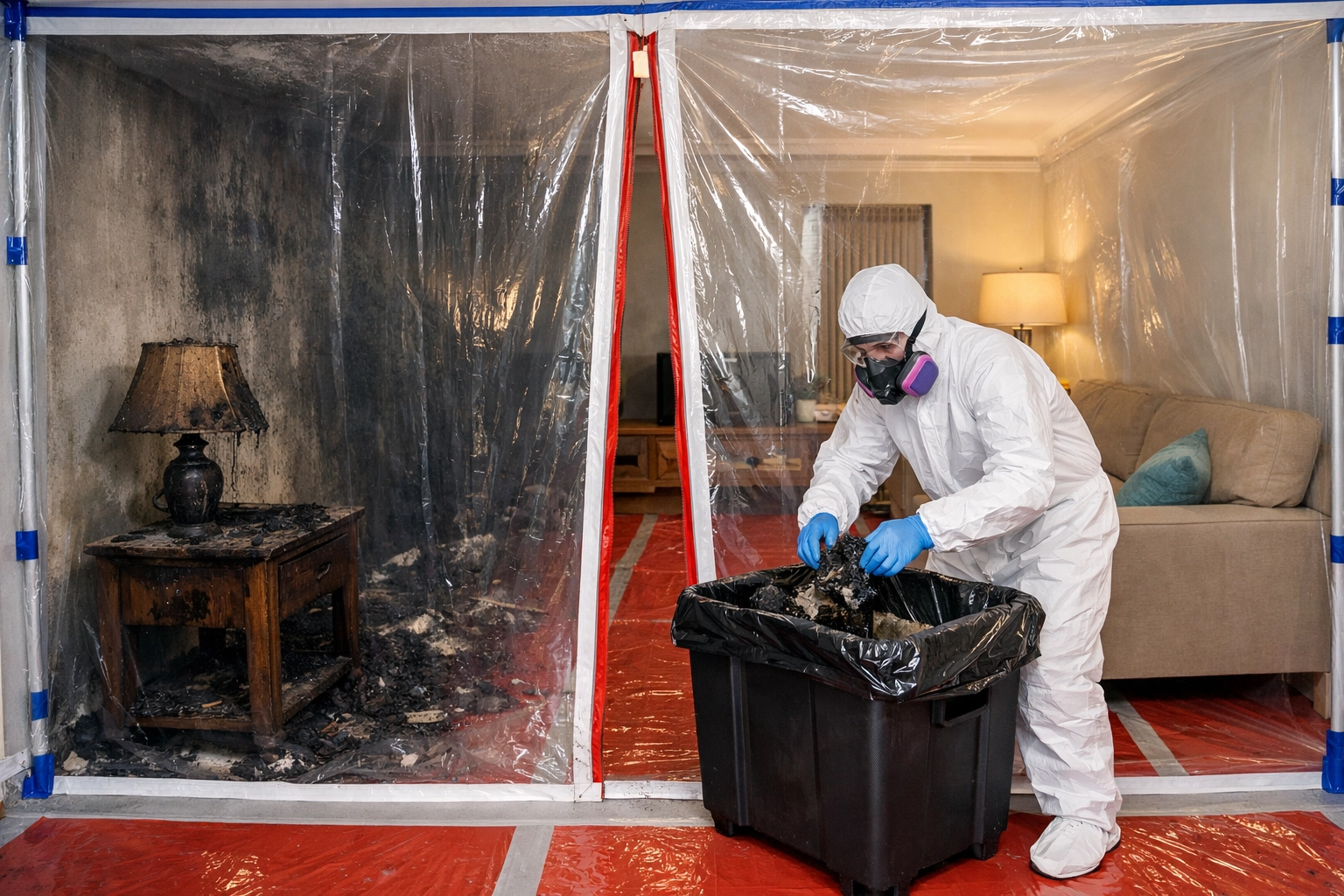
Our teams use specialized equipment to contain dust and soot particles so they don't drift into unaffected parts of the house. We also document everything we remove. This inventory is vital for your insurance claim, ensuring you get the proper value for your lost items.
Smoke is sneaky. It travels through your HVAC system and settles into every crack and crevice. There are actually different types of soot depending on what burned. For example, "wet soot" from a kitchen grease fire is sticky and smeary, while "dry soot" from wood or paper is powdery.
Cleaning this requires more than just soap and water. Professionals use:
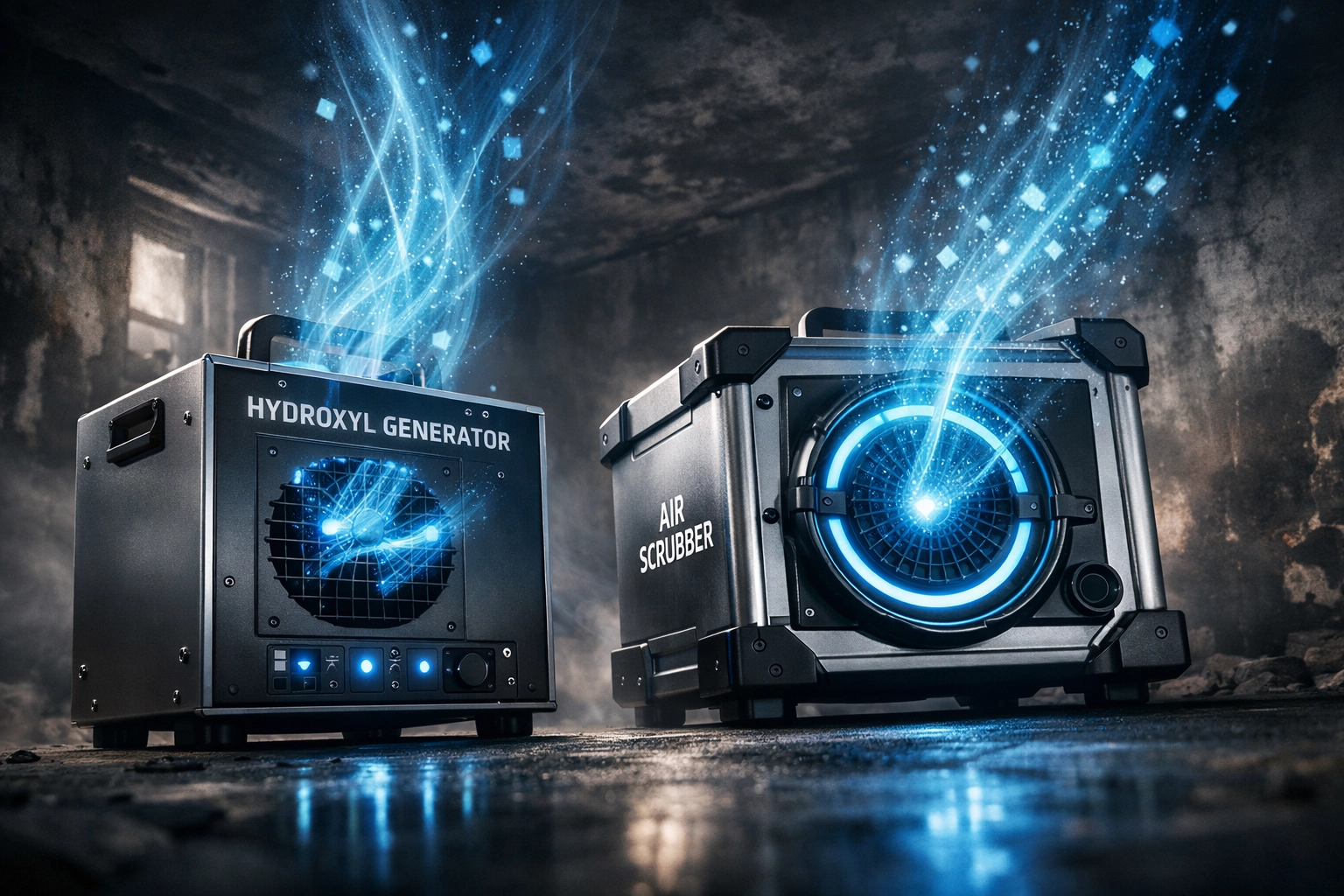
Even after the soot is gone, that "fire smell" can linger for months if not treated correctly. You can’t just mask it with candles or sprays. We use industrial equipment like ozone generators or hydroxyl generators. These machines break down the odor molecules at a chemical level, literally destroying the smell rather than just covering it up.
During this stage, we also sanitize all water-impacted areas. This is a key part of preventing future health issues, as the water used by fire departments is often "Category 3" or black water, which can contain bacteria and contaminants.
Once the house is clean, dry, and odor-free, it’s time to rebuild. This is the light at the end of the tunnel! Restoration isn't just about cleaning; it's about making your home whole again.
Reconstruction might involve:
Our goal at My Water Damage Hero is to make this phase as seamless as possible, coordinating with your insurance company to ensure the repairs meet all modern building codes.
We know you want to get home as soon as possible. While every fire is different, here is a general idea of what to expect:

Dealing with insurance is often the most stressful part of fire damage restoration. Here are a few tips to make it easier:
We love a good DIY project as much as anyone, but fire damage is the exception. Here is why:
Recovering from a fire is a marathon, not a sprint. It takes patience, the right team, and a clear plan. Whether you are dealing with a small kitchen fire or significant structural damage, My Water Damage Hero is ready to step in. We handle everything from the initial water damage restoration and mold remediation to the final carpet cleaning and air duct cleaning.
If you've suffered a loss, don't wait. Reach out to a professional who can help you navigate the insurance maze and get your life back on track. Your home is your sanctuary, and we are dedicated to helping you rebuild it, one step at a time.
Contact us for quick, trusted restoration.
See how we’ve turned tough situations into success stories.

