
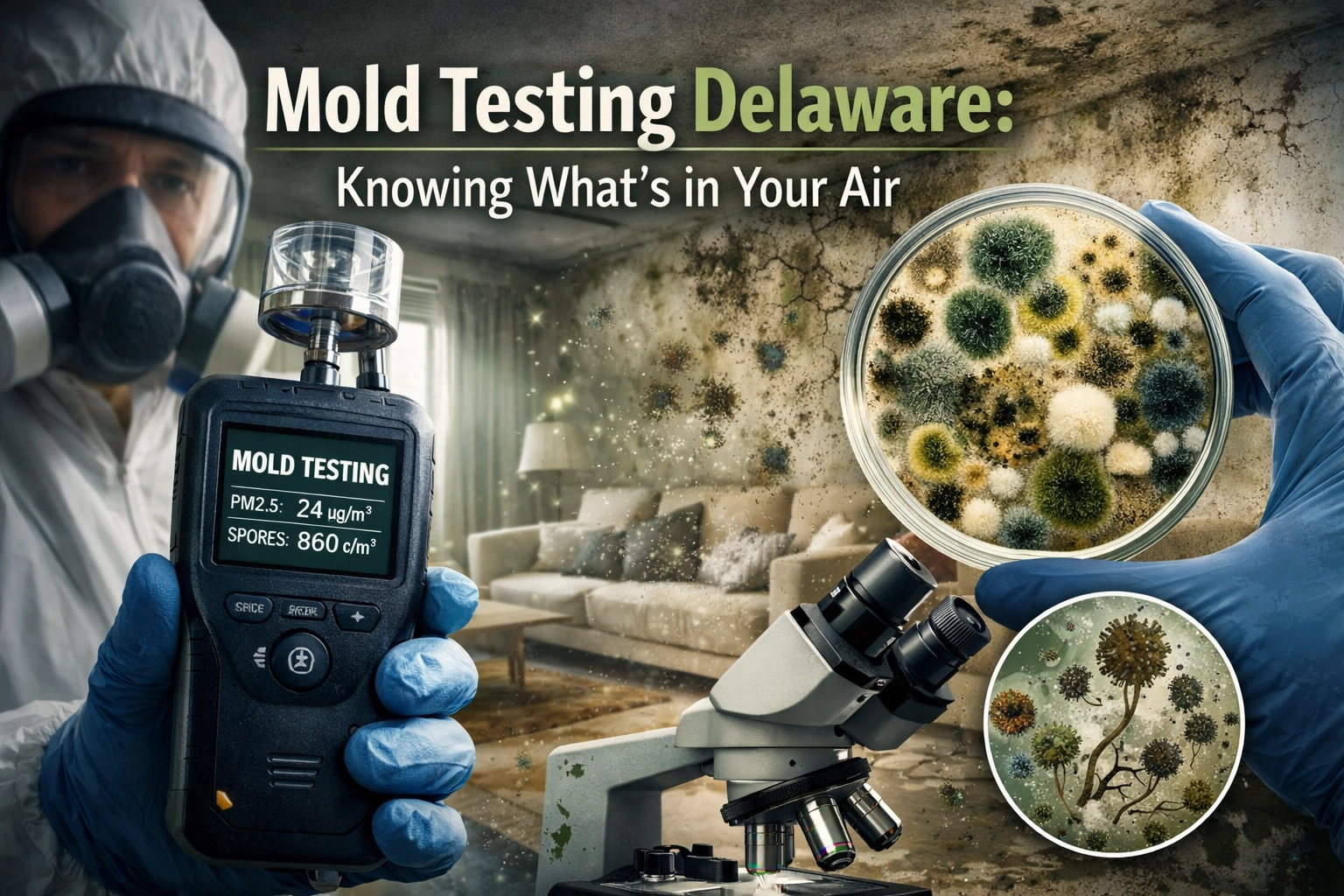
Nobody wants to think about what might be growing in their walls. But if you've noticed a musty smell in your Delaware home, spotted some suspicious dark patches, or dealt with water damage recently, mold testing might be exactly what you need.
Here's the thing: mold doesn't always announce itself with big, obvious signs. Sometimes it's lurking in places you can't even see, quietly affecting your indoor air quality and potentially your health. That's where professional mold testing comes in.
Let's talk about why this stuff is important. Mold isn't just unsightly: it can actually mess with your health. We're talking allergic reactions, respiratory issues, and for folks with compromised immune systems or existing respiratory conditions, things can get pretty serious.
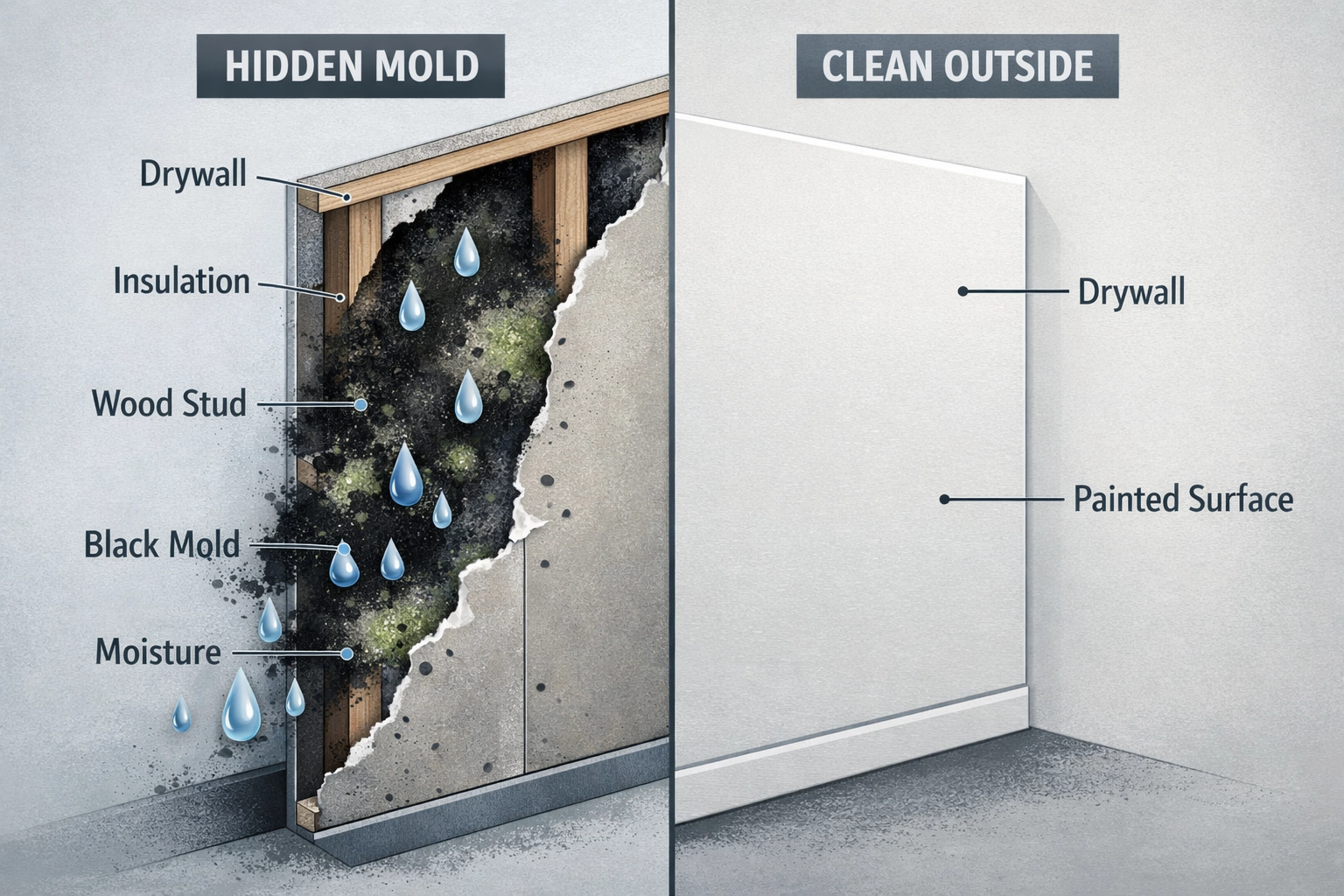
The tricky part? Mold loves to hide. Behind walls, under floors, in crawl spaces, basically anywhere dark and damp. You might not see it, but that doesn't mean it's not there affecting your air quality every single day.
In Delaware, our humid summers and damp basements create the perfect breeding ground for mold. Add in a leaky pipe, some flooding, or just poor ventilation, and you've got yourself a potential mold problem.
So when should you actually call in the pros for mold testing? Here are the big red flags:
You See Visible Mold
This one's obvious, but if you spot mold growing anywhere in your home, testing can tell you exactly what type you're dealing with and how widespread the problem really is.
That Musty Smell Won't Go Away
If your basement, bathroom, or any room has that distinctive musty, earthy smell, that's often mold's calling card. Even if you can't see it, your nose knows something's up.
Recent Water Damage or Flooding
Delaware gets its share of storms and flooding. If your home's been affected: even if you cleaned everything up: mold testing can confirm whether mold started growing in hidden areas.
Unexplained Health Issues
Are you or your family members dealing with constant sniffles, coughing, or allergy symptoms that seem worse at home? Indoor mold exposure could be the culprit.
You're Buying or Selling a Home
Smart move to get mold testing as part of your home inspection process. It protects both buyers and sellers and gives everyone peace of mind about the property's condition.
Professional mold testing isn't just someone walking through your house with a flashlight. It's a thorough process that gives you real, actionable information about what's happening with your indoor air quality.
Visual Mold Inspection
First up, a certified inspector will do a complete walkthrough of your Delaware home. They're checking all the usual suspects: basements, crawl spaces, attics, bathrooms, kitchens, and any areas that have had water damage. They know where mold likes to hide.
Air Testing for Mold Spores
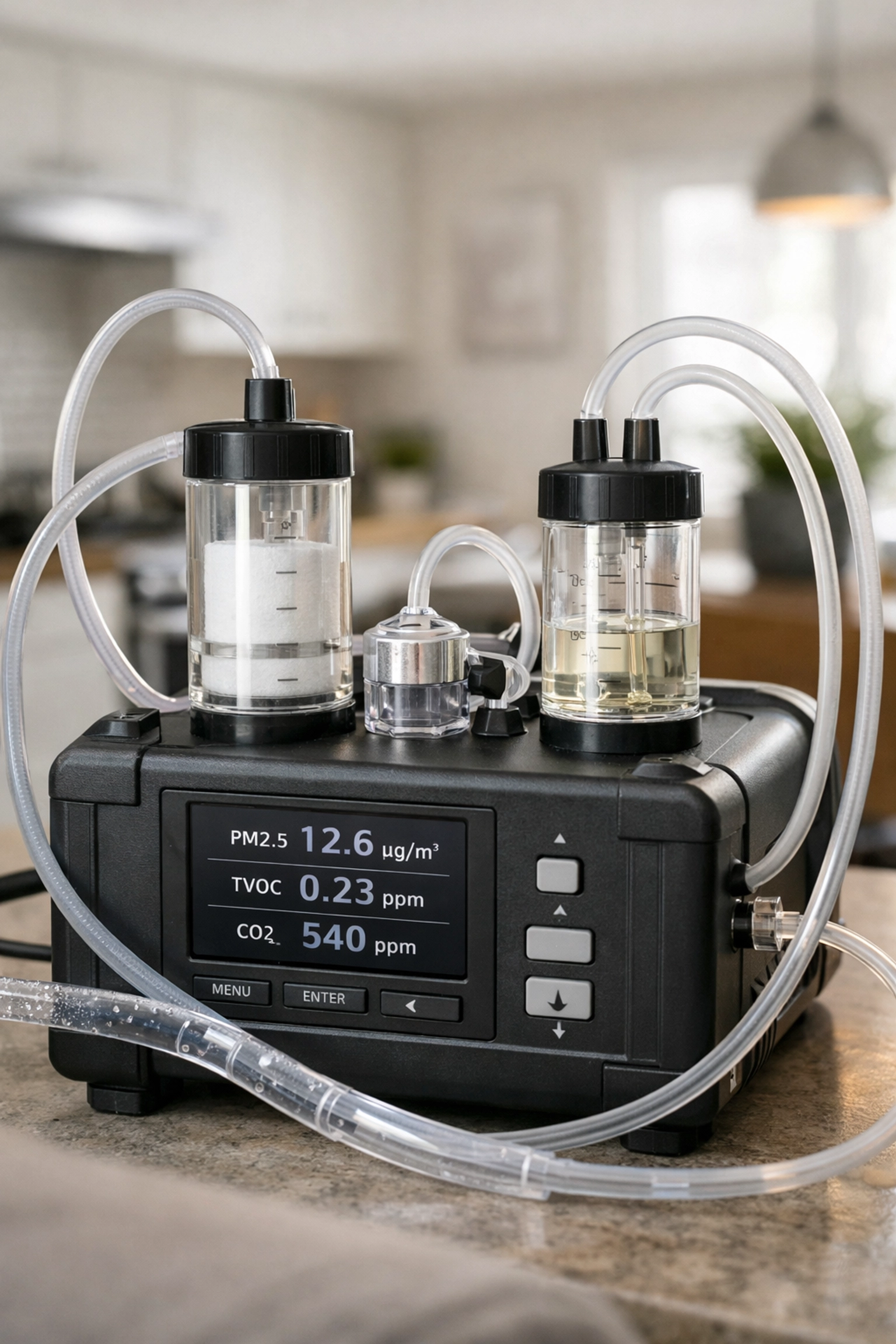
This is where things get technical. Air sampling collects samples from different rooms in your home to measure the concentration of mold spores in your indoor air. These samples get sent to a lab for analysis, which tells you exactly what types of mold are present and in what quantities.
Surface and Tape Testing
If there's visible mold or suspicious spots, inspectors might take surface samples using tape or swabs. This helps identify the specific mold species and determine if it's one of the more problematic varieties.
Moisture Assessment
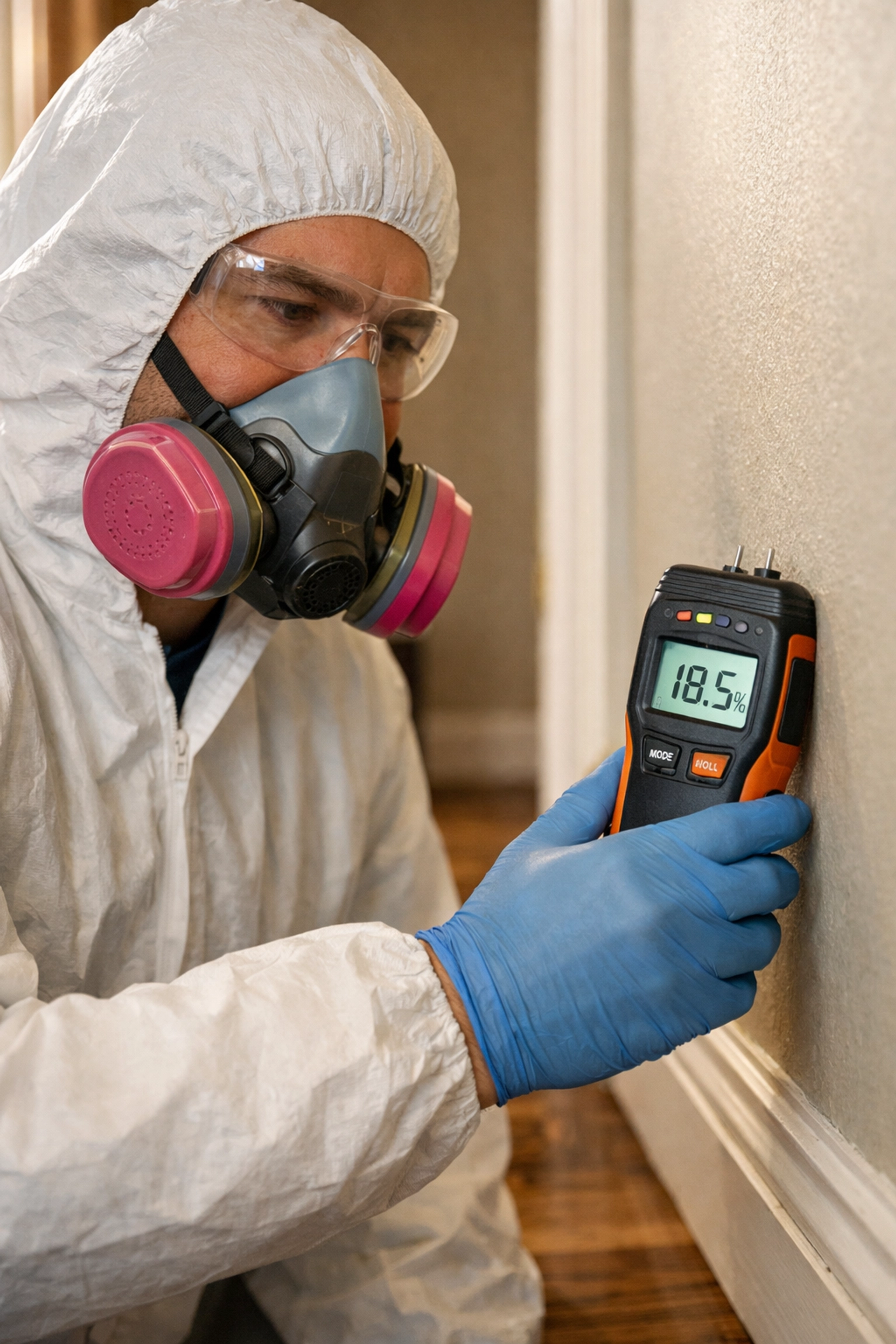
Since mold needs moisture to grow, inspectors use specialized equipment to detect moisture in walls, floors, and ceilings. Finding moisture sources is key to preventing future mold growth.
Detailed Report
After all the testing, you'll get a comprehensive report that breaks down exactly what was found, where the problems are, and what needs to happen next. Good companies make these reports easy to understand: no PhD required.
People often use these terms interchangeably, but they're actually different services.
Mold inspection is the visual examination of your property. An inspector looks for signs of mold, water damage, and conditions that could lead to mold growth. Think of it as the detective work.
Mold testing goes deeper. It involves collecting actual samples: air, surface, or bulk samples: and sending them to a lab for analysis. This tells you definitively what's in your air and on your surfaces.
Most of the time, you'll want both. The inspection finds the problem areas, and the testing confirms what you're dealing with and how serious it is.
Living in Delaware comes with some unique mold challenges. Our coastal climate means humidity is a constant factor, especially during summer months. Those beautiful historic homes in Wilmington and Dover? Often built before modern moisture barriers were a thing.
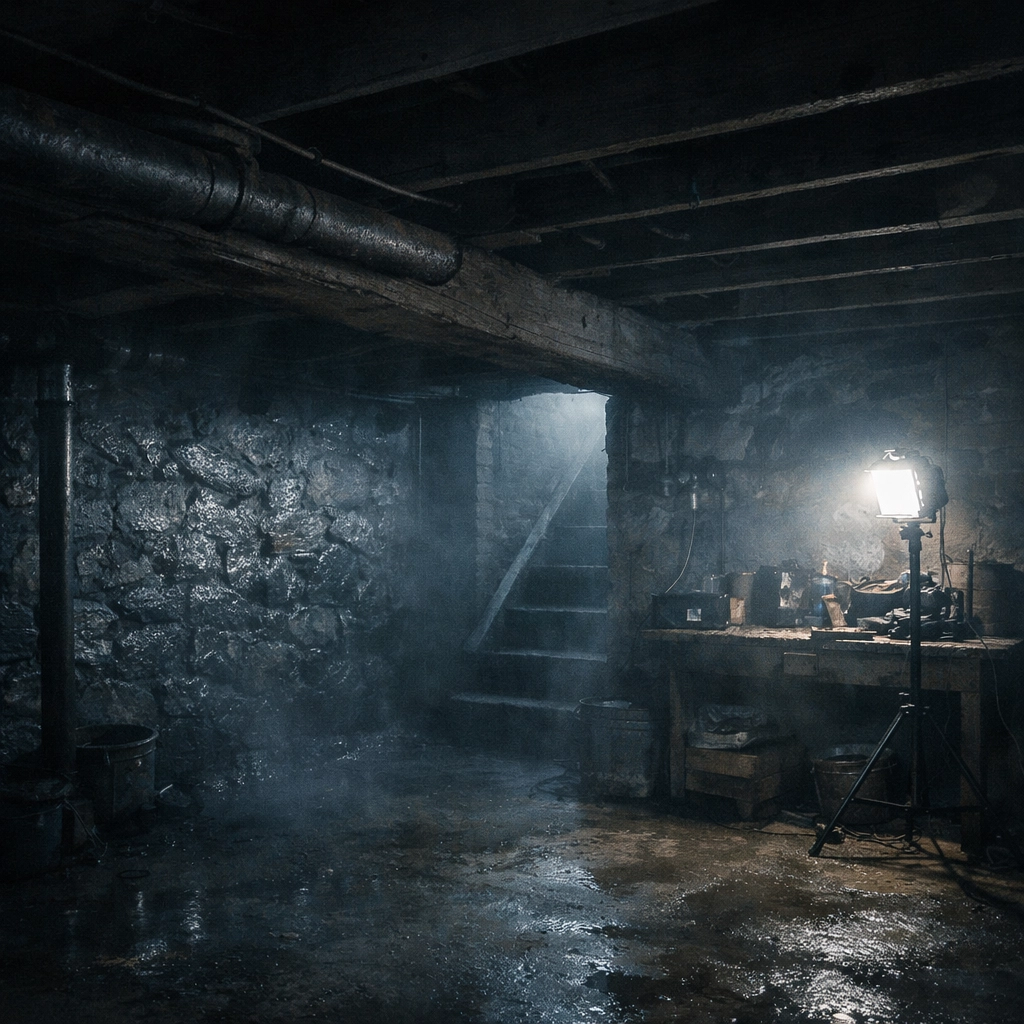
Basement mold is particularly common in Delaware homes. Between our water table, occasional flooding, and those summer thunderstorms, basements can easily become mold havens without proper waterproofing and ventilation.
If you're in New Castle County, Kent County, or Sussex County, you're probably familiar with the humidity struggles. Professional mold testing helps you understand if that humidity is creating problems inside your walls.
Getting mold testing done is just the first step. Here's what typically follows:
If the results come back showing elevated mold levels or problematic mold types, you'll need mold remediation. This isn't a DIY job: professional remediation ensures the mold is properly removed and the source of moisture is addressed so it doesn't come back.
If the testing shows minor issues or mold in isolated areas, you might be able to address it with targeted cleaning and improved ventilation. Your testing report should give clear recommendations.
Even if everything comes back clean, you'll have valuable baseline information about your home's air quality. Plus, you'll probably get tips on preventing future mold growth.
When you're looking for mold testing in Delaware, make sure you're working with certified professionals. Ask about their certifications, how long they've been doing mold inspections, and what their testing process includes.
At My Water Damage Hero, we understand that dealing with potential mold issues can be stressful. We offer comprehensive mold testing and inspection services throughout Delaware, using the latest equipment and techniques to give you accurate results and clear next steps.
We don't just hand you a report and disappear. We walk you through the findings, explain what they mean in plain English, and help you understand your options moving forward.
Here's the truth: the best way to deal with mold is to prevent it in the first place. After you've had mold testing done and addressed any issues, focus on keeping moisture under control.
Fix leaks promptly. Run dehumidifiers in damp areas. Make sure your bathroom fans are actually venting outside. Keep gutters clean so water doesn't pool around your foundation. These simple steps go a long way in keeping mold from becoming a recurring problem in your Delaware home.
You spend most of your time inside your home. The air you're breathing matters. If you've got any concerns about mold: whether it's visible growth, mysterious smells, or just peace of mind: professional mold testing gives you the answers you need.
Don't wait until a small problem becomes a big one. Mold testing in Delaware is an investment in your home's health and your family's wellbeing. And when you know exactly what you're dealing with, you can make informed decisions about protecting your biggest investment.
Ready to find out what's really in your air? Contact My Water Damage Hero at http://www.mywaterdamagehero.om for professional mold testing services throughout Delaware. We'll help you breathe easier, literally.

Contact us for quick, trusted restoration.
See how we’ve turned tough situations into success stories.

