
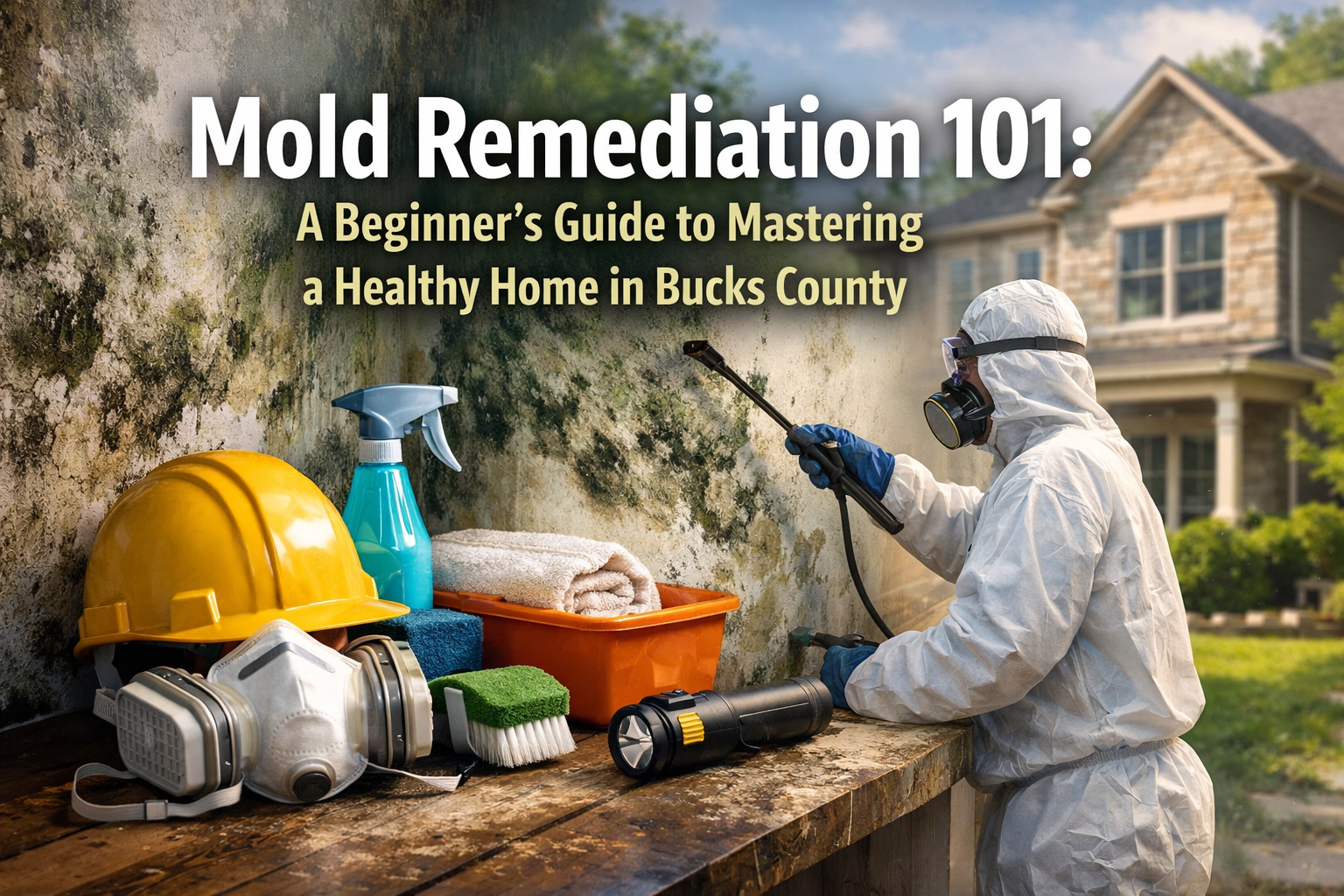
Hey there, Bucks County neighbor! If you’ve just discovered a fuzzy green patch behind your basement storage bins or noticed a funky, musty smell in your Doylestown attic, don't panic. You aren't alone. In our neck of the woods, where the humidity can get high and our beautiful historic homes have plenty of nooks and crannies, mold is a common uninvited guest.
At My Water Damage Hero, we believe that every homeowner should feel empowered to keep their living space safe and healthy. That’s why we’ve put together this beginner-friendly guide to mold remediation. Think of this as your roadmap to taking back your home from those pesky spores.
Before we dive into the "how-to," let's clear up a common misconception. People often use "mold removal" and "mold remediation" interchangeably, but they are actually a bit different. Since mold spores are everywhere in nature (even inside!), it’s impossible to remove 100% of mold from a home.
Mold remediation is a much more comprehensive process. It involves finding the root cause of the moisture, fixing it, cleaning up the existing growth, and taking steps to ensure it doesn't come back. It’s about restoring your home to a healthy, natural balance.
You can’t fix what you can’t see: or smell. The first step is identification. Mold loves moisture, so start your search in high-risk areas like:
Look for visible signs like black, green, or white patches. Sometimes mold looks like "dirt" that just won't wipe away. But even if you don't see anything, your nose might know. That signature "wet basement" smell is often a dead giveaway that mold is hiding behind a wall or under the floorboards.
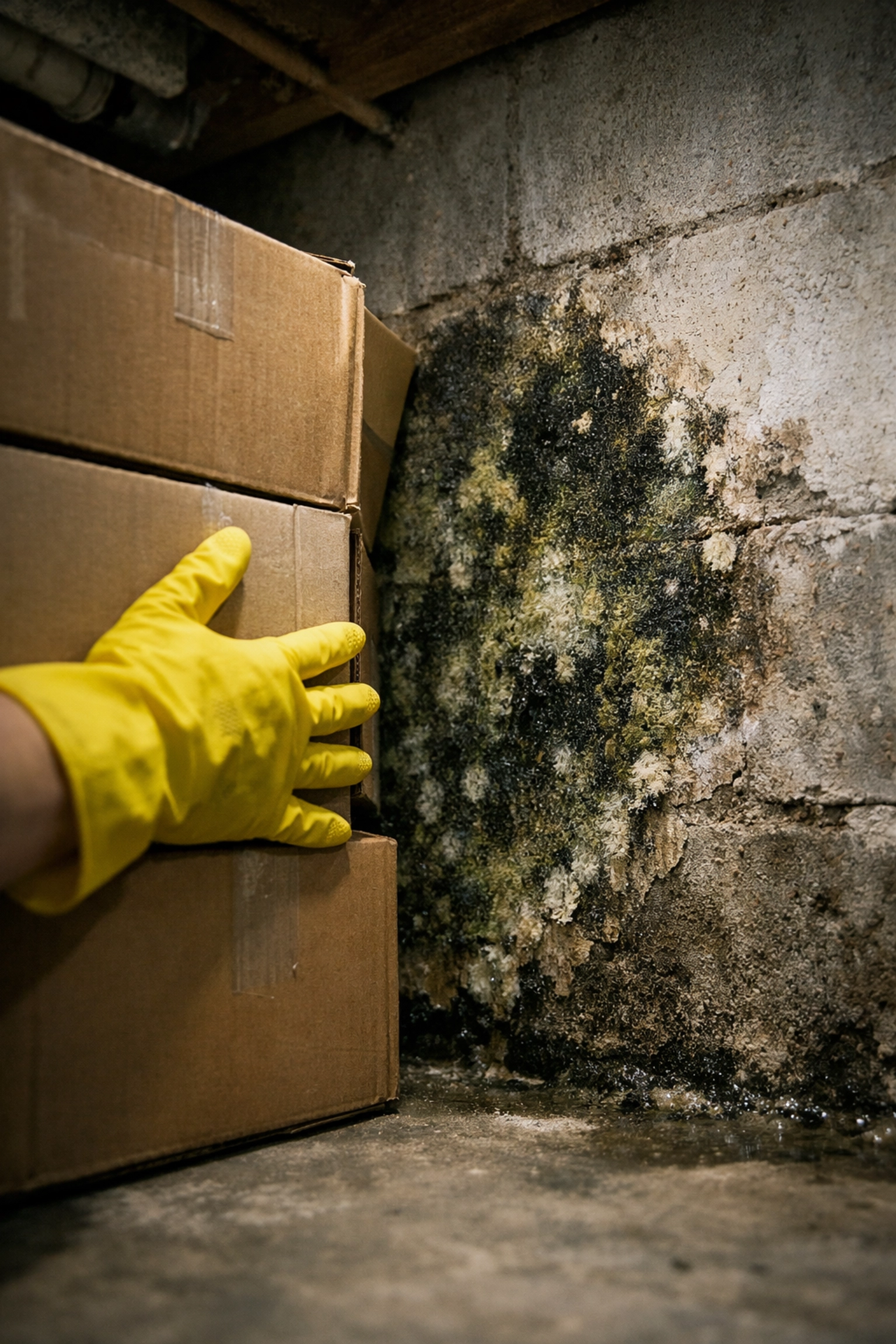
Once you’ve found the mold, it’s tempting to grab a bucket of bleach and start scrubbing. Hold your horses! Doing it wrong can actually spread the spores and make the problem worse. Here is what you should do immediately:
If you’re hiring a pro or tackling a small area yourself, this is the standard sequence of events that needs to happen for a successful cleanup.
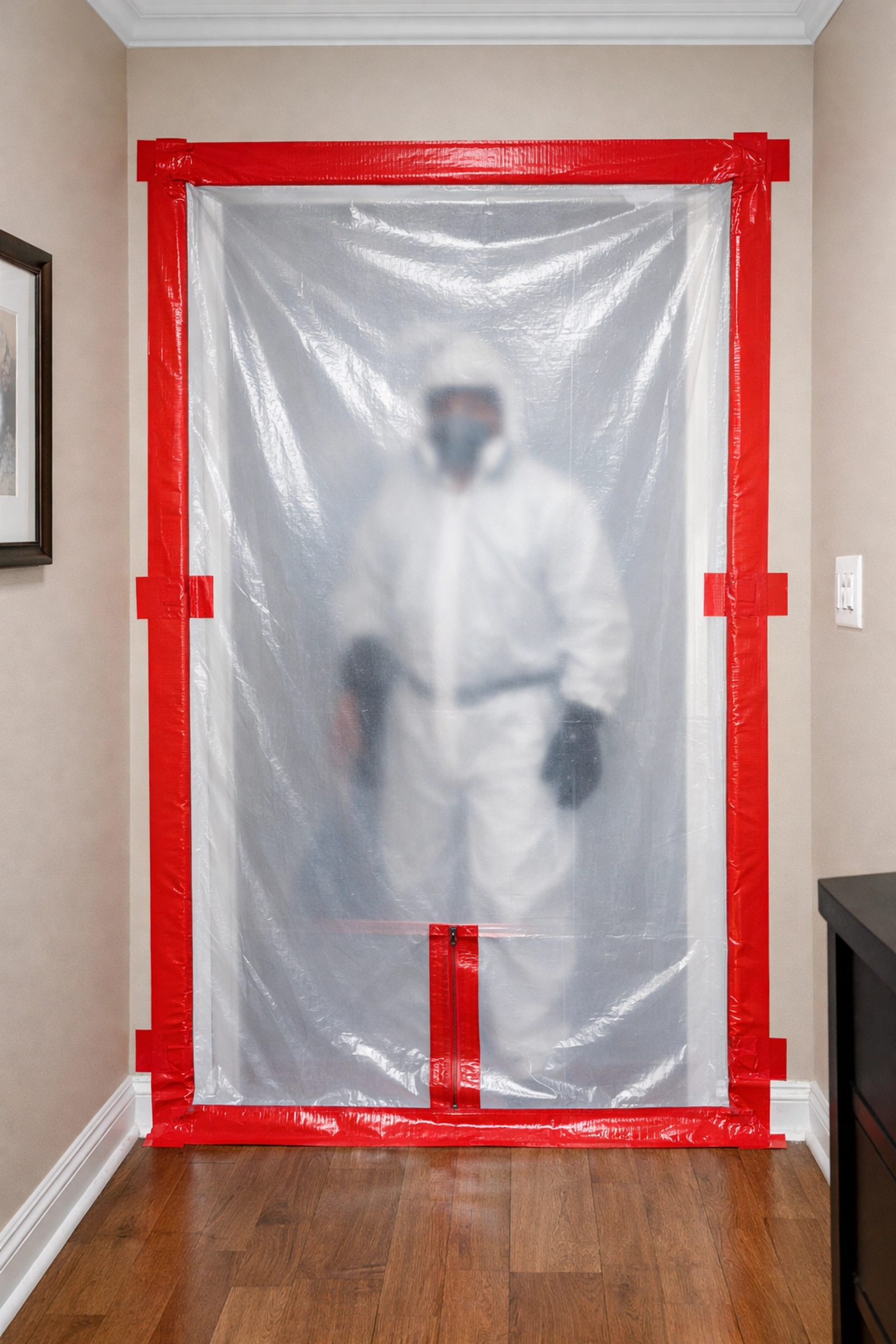
A professional will come in to determine how far the mold has spread. Sometimes it's hidden inside the drywall or under the carpet. Once the area is mapped out, "containment" is set up using heavy-duty plastic sheeting. This creates a mini-lab environment where the mold is trapped.
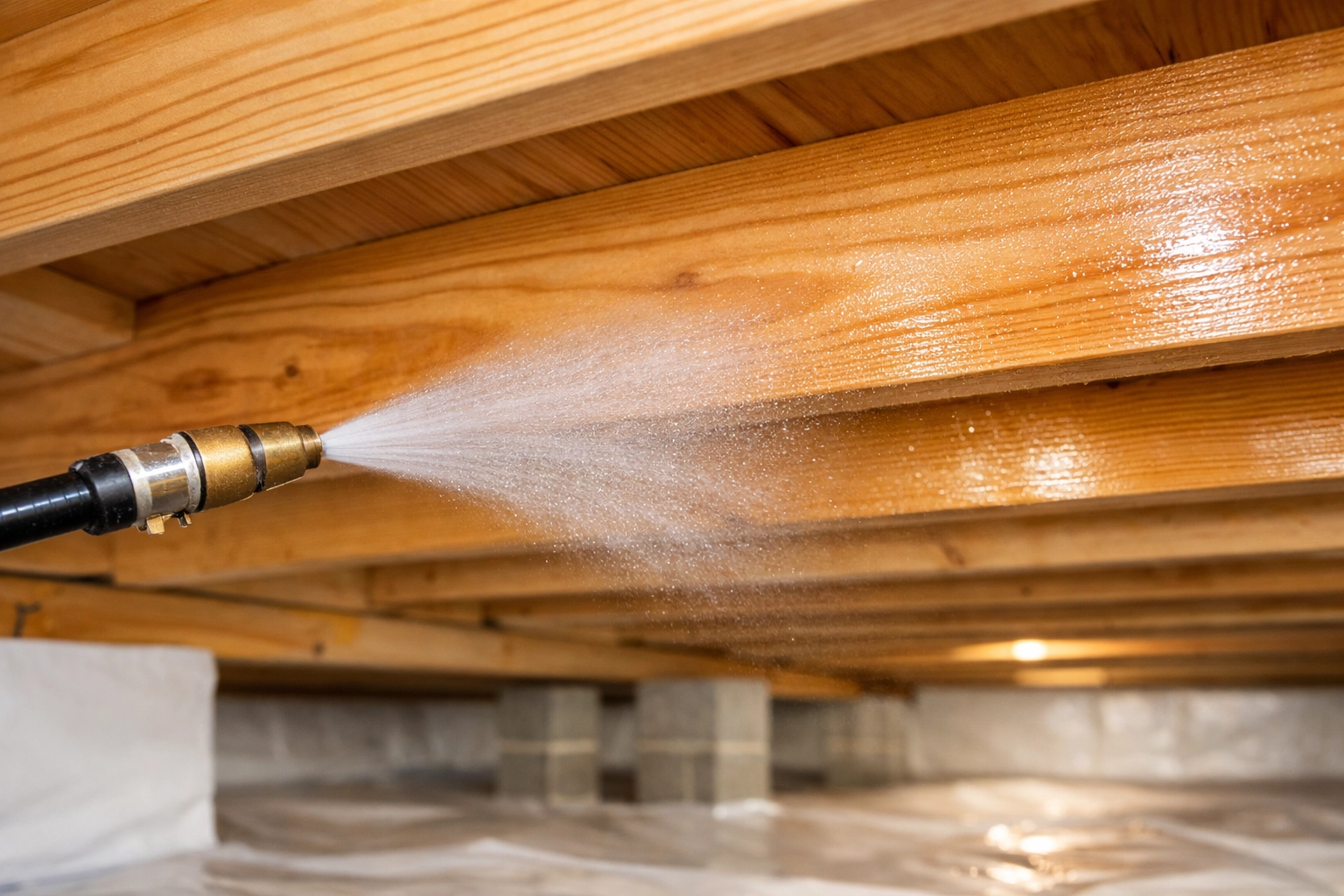
To keep the dust down (which carries the spores), pros often use a humidifier to create a light mist. This weighs down the spores so they don't go airborne while we’re working.
Some things just can't be saved. If drywall, insulation, or thin carpeting gets moldy, it usually has to go. These items are carefully sealed in bags and disposed of according to EPA standards.
Speaking of carpets, if the mold is caught early and hasn't soaked through, sometimes a professional carpet cleaning using industrial-grade antimicrobials can save the day: but often, it's safer to replace.
For hard surfaces like wood, metal, or tile, we get to scrubbing. You can use a solution of detergent and water or a mix of no more than 1 cup of household bleach to 1 gallon of water. Important Safety Tip: Never mix bleach with ammonia or other household cleaners! It creates toxic fumes.
This is the most critical step. The area must be dried to below 20% moisture. Professionals use moisture meters, high-powered fans, and HEPA air-scrubbers to get every last drop of dampness out. If it stays wet, the mold wins.
Once everything is dry, we vacuum the entire area: not once, but three times: using a HEPA vacuum. This captures the tiny dead mold spores that a regular vacuum would just blow back out into the room.
Finally, we apply a biocide: an EPA-approved liquid that kills any remaining spores: and then a mold-resistant coating (basically a special paint) that prevents future mold from getting a foothold on that surface.
When dealing with mold in Bucks County, there are a few traps people fall into. Avoid these at all costs:
If the mold covers more than a 3×3 foot area (about the size of a standard doorway), the EPA recommends calling in the experts. At My Water Damage Hero, we have the gear and the training to handle large-scale infestations safely.
Also, keep in mind that mold often goes hand-in-hand with other home issues. If your home has recently suffered from a fire, the water used to put out the flames can lead to mold within 24 to 48 hours. That’s why fire damage restoration always includes a mold prevention phase.
Furthermore, if you’re worried about air quality, it might be time for an air duct cleaning. Mold spores love to hide in dusty vents and then blow through your house every time the AC kicks on. Keeping those ducts clean is a great way to maintain a healthy home.
Once you’ve gone through the remediation process, you want to make sure you never have to do it again! Here are some simple tips for Bucks County homeowners:
Dealing with mold can feel overwhelming, but you don’t have to do it alone. Whether you need advice, a professional assessment, or full-scale water damage restoration, the team at My Water Damage Hero is ready to jump into action.
We love serving our neighbors throughout Bucks County, ensuring every home is a safe place to breathe. If you’re worried about mold or just have questions about keeping your home in tip-top shape, feel free to visit our website at http://www.mywaterdamagehero.om for more resources.
Stay dry, stay healthy, and remember( you’ve got a hero in your corner!)

Contact us for quick, trusted restoration.
See how we’ve turned tough situations into success stories.

