

If you own a home in Chester County, there's something you need to know: nearly half of the homes here were built before 1978. Why does that matter? Because that's when the U.S. government banned lead-based paint for residential use. If your house falls into that category, there's a real chance you're living with lead paint, and that's not something to ignore.
Lead exposure is serious business, especially for kids. But here's the good news: with proper lead abatement in Chester County, you can protect your family and make your home safe again.
You might be thinking, "My paint looks fine, why worry?" The thing is, lead paint becomes dangerous when it starts breaking down. Peeling, chipping, or crumbling paint releases lead dust into the air. And when you're doing renovations? That's when things can get really risky.
Kids under six are especially vulnerable. Lead can affect their brain development, causing learning disabilities, behavioral problems, and lower IQ. Even adults aren't safe, lead exposure can lead to high blood pressure, kidney problems, and reproductive issues.
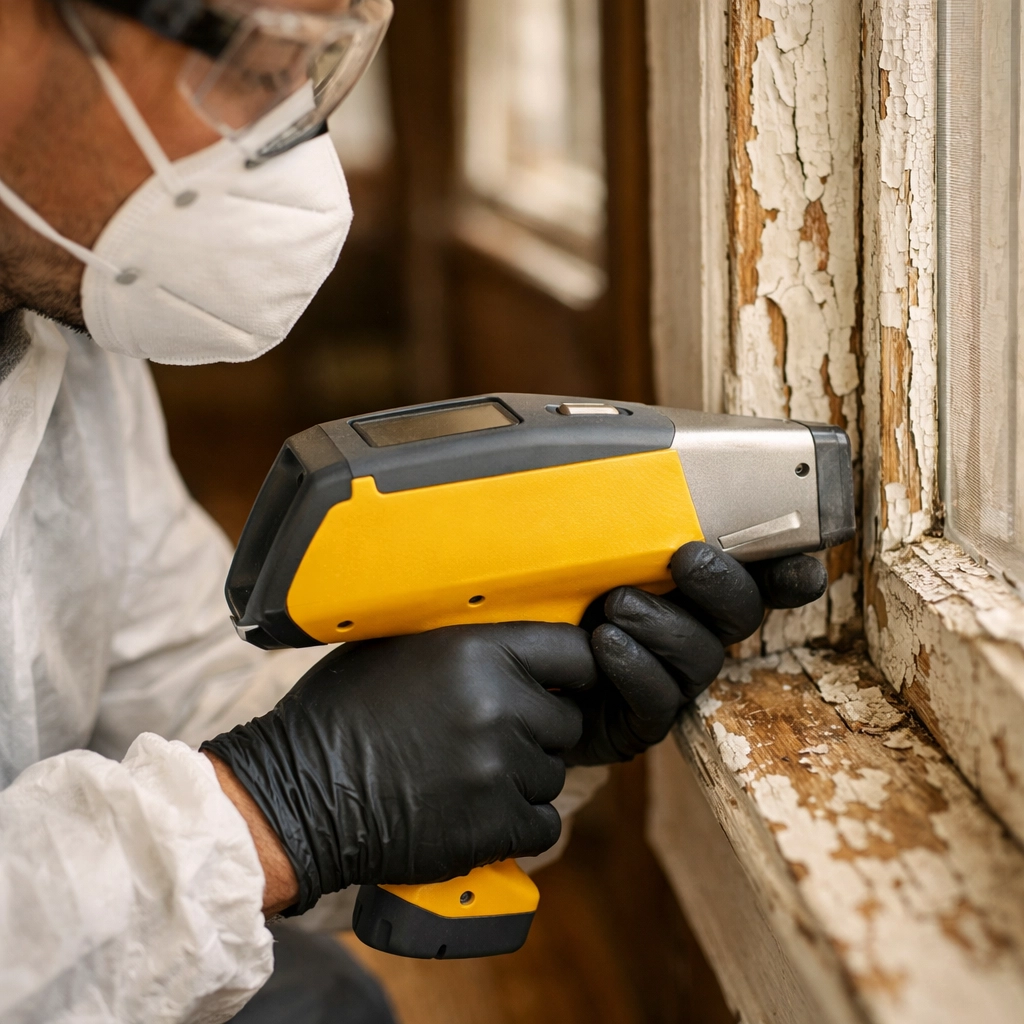
The tricky part is that you can't see or smell lead. It's hiding in plain sight on your walls, door frames, and window sills. That's why testing and professional lead abatement matter so much.
Here are some warning signs that it might be time to call in the professionals:
Your home was built before 1978. This is the biggest red flag. The older your home, the higher the chance it has lead paint.
You've got chipping or peeling paint. Especially around windows, doors, and trim, places that get a lot of wear and tear.
You're planning renovations. Sanding, scraping, or demolishing old painted surfaces can spread lead dust throughout your entire house.
Your kids have elevated blood lead levels. If your pediatrician has flagged this, you need to find the source fast.
You notice a lot of dust. Lead dust can settle on floors, windowsills, and furniture, especially near deteriorating paint.
If any of these sound familiar, it's time to get your home tested by certified professionals.
Lead abatement isn't a DIY project. In fact, doing it yourself can make things worse by spreading contamination. Professional lead abatement in Chester County follows strict protocols to keep everyone safe.
Here's what certified professionals typically do:
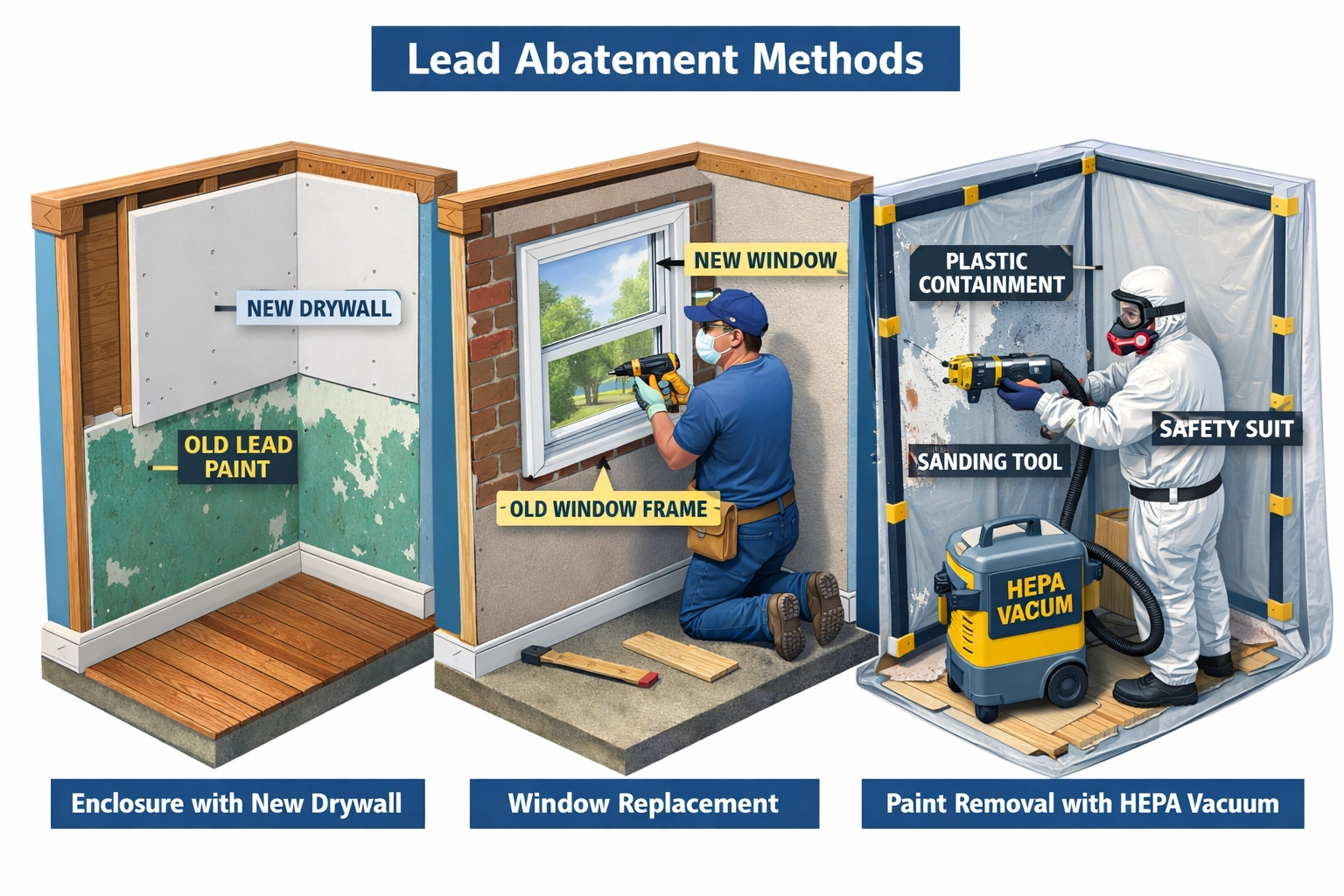
Enclosure: This method covers lead-painted surfaces with new materials like drywall or paneling. It's like putting a protective barrier between the lead and your family. It's less invasive than full removal and works great for walls and ceilings.
Removal and Replacement: For high-traffic areas like windows and doors, professionals often remove the entire component and replace it with new, lead-free materials. This completely eliminates the hazard.
Specialized Removal: Using HEPA-filtered vacuum systems and containment barriers, pros can carefully remove lead paint without spreading dust. They seal off the work area with heavy plastic sheeting and use negative air machines to keep contaminated air from spreading to other parts of your home.
Encapsulation: Sometimes contractors will apply a special coating that seals lead paint and prevents it from deteriorating. This is a good option for surfaces in good condition.
Lead Dust Cleanup: After the main work is done, certified teams do thorough cleaning to remove every trace of lead dust. They'll test surfaces afterward to make sure lead levels are safe.
If you're a Chester County homeowner dealing with lead hazards, here's what you can expect:
Step 1: Testing and Inspection
A certified lead inspector will come to your home and test painted surfaces. They might use an X-ray fluorescence (XRF) machine or take paint chip samples to send to a lab.
Step 2: Risk Assessment
Once lead is confirmed, professionals assess how serious the hazard is and where it's located. They'll prioritize areas that pose the biggest risk to your family.
Step 3: Creating a Plan
If your home is flagged for lead hazards by the county, you typically have 30 days to submit a written remediation plan. This plan has to meet federal EPA guidelines, Pennsylvania state regulations, and HUD standards.
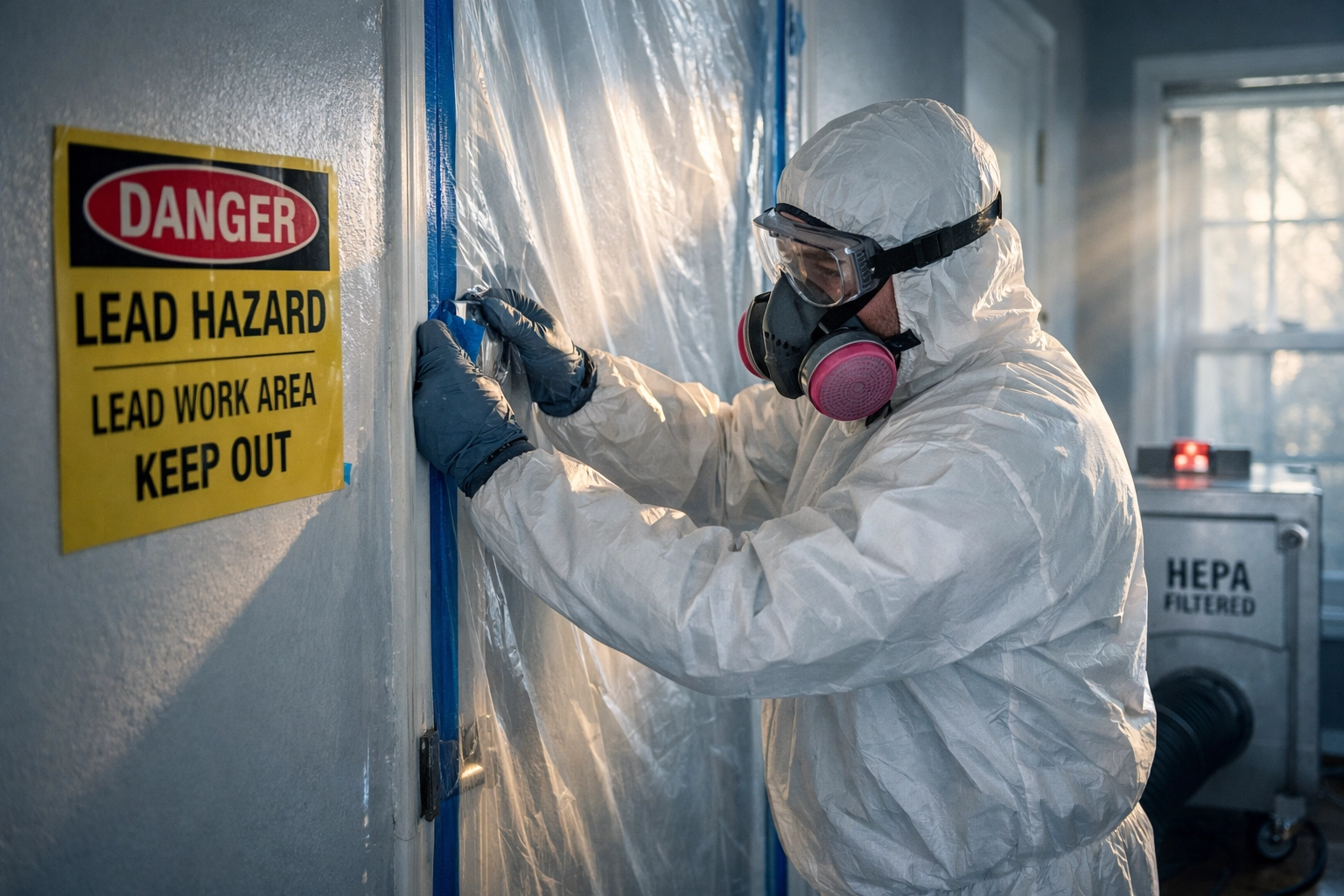
Step 4: The Abatement Work
Certified contractors will contain the work area, remove or encapsulate the lead, and clean up thoroughly. They follow strict protocols to protect both workers and your family.
Step 5: Clearance Testing
After work is complete, an independent inspector tests the area to confirm lead dust levels are below EPA limits. You'll get a clearance certificate proving your home is safe.
Step 6: Documentation
You'll receive all the paperwork showing what was done, where, and confirmation that your home now meets safety standards.
Look, we get it, hiring professionals costs money. But when it comes to lead abatement in Chester County, cutting corners isn't worth the risk.
Certified lead abatement contractors have specialized training and equipment you just can't replicate on your own. They know how to contain lead dust, dispose of hazardous materials properly, and follow regulations that protect your family and the environment.
Plus, if you're selling your home, having proper documentation from certified professionals makes the whole process smoother. Buyers want proof that lead hazards were handled correctly.
And here's something most people don't think about: improper lead removal can actually increase exposure. Sanding or scraping without proper containment spreads lead dust everywhere. You could end up contaminating rooms that were perfectly safe before.
The good news is that Chester County has several certified lead abatement companies ready to help. When you're looking for a contractor, make sure they're certified by the EPA and the Pennsylvania Department of Labor and Industry.
Ask for references, compare quotes from multiple companies, and make sure they carry proper insurance. Don't just go with the cheapest option, this is your family's health we're talking about.

At My Water Damage Hero, we understand that protecting your home and family is your top priority. While we're known for water damage restoration, we work with certified professionals throughout Chester County who can help with lead testing and abatement. If you're dealing with lead concerns or need guidance on finding the right certified contractors, we're here to point you in the right direction.
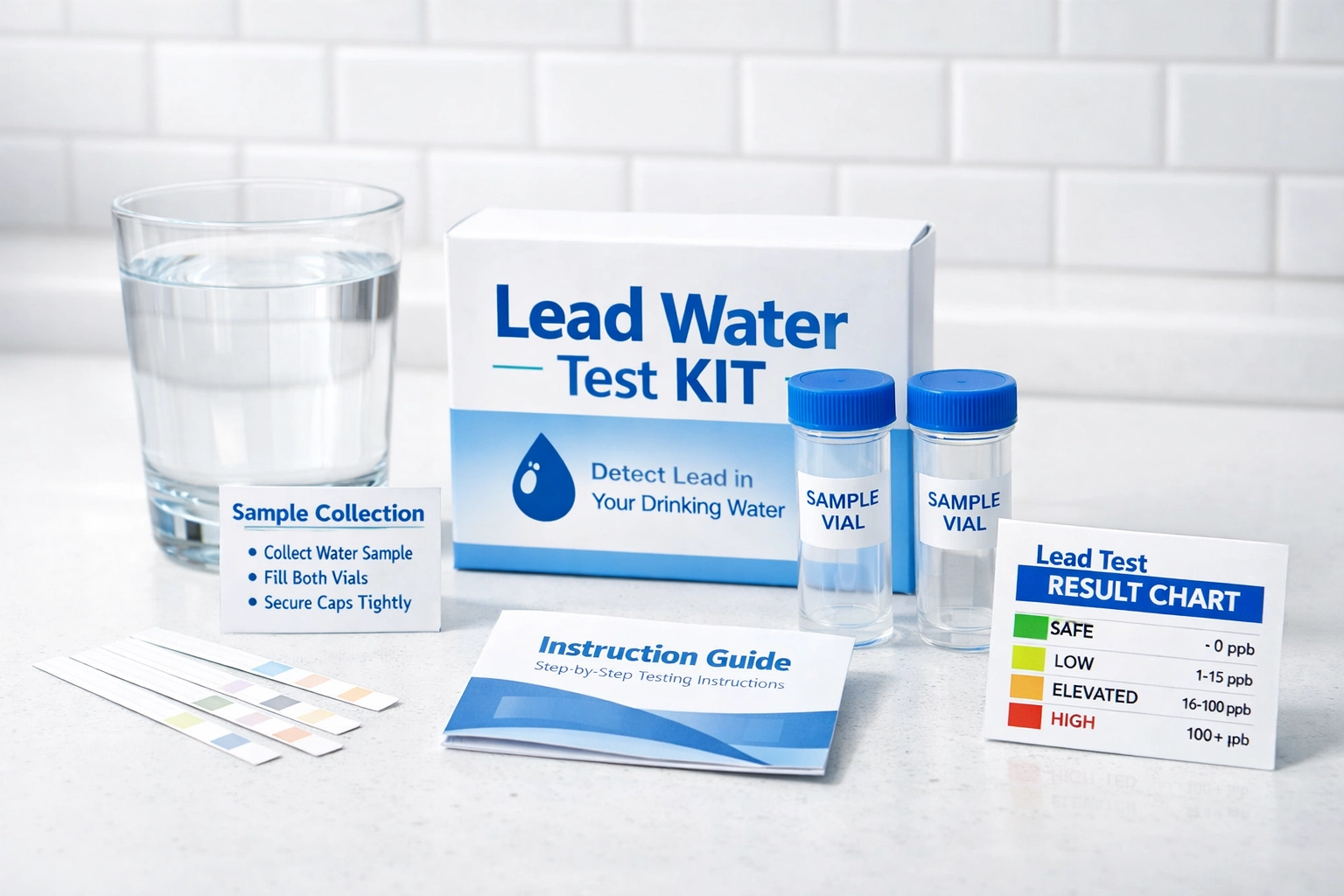
Quick side note: lead doesn't just come from paint. It can also leach into your drinking water from old pipes and plumbing fixtures. If your home is older, consider having your water tested too. Simple lead filters can make a big difference.
Living in Chester County means enjoying beautiful historic homes and charming neighborhoods. But with that charm comes responsibility, especially when it comes to lead safety.
If your home was built before 1978, don't wait for a problem to show up. Get it tested. If lead is found, work with certified professionals to address it properly. Yes, lead abatement costs money upfront, but the peace of mind knowing your family is safe? That's priceless.
And remember, if you're planning any renovations on an older home, lead testing should be your first step. It's way easier to handle lead issues before you start tearing into walls.
Your family deserves a safe, healthy home. Lead abatement in Chester County doesn't have to be overwhelming when you've got the right team on your side. Take that first step today: get your home tested and take control of your family's safety.
Need help navigating the process or looking for trusted professionals in the Chester County area? Reach out to My Water Damage Hero at http://www.mywaterdamagehero.om. We're here to help connect you with the resources you need to keep your home safe and healthy.


Contact us for quick, trusted restoration.
See how we’ve turned tough situations into success stories.

