
Finding a patch of fuzzy green or black growth in your basement or under your sink is enough to ruin any homeowner’s day. Your first instinct is probably to grab a scrub brush and some heavy-duty cleaner and go to town. We totally get it! You want that stuff out of your house as fast as possible.
But here’s the thing: mold is tricky. If you don’t handle it the right way, you might actually make the problem worse. At My Water Damage Hero, we’ve seen it all, from DIY projects gone wrong to "pro" jobs that skipped the most important steps.
When it comes to mold remediation, there’s a big difference between just cleaning up a mess and actually solving the problem. If you’re currently dealing with a fuzzy situation, check out these common mistakes so you can avoid a major headache (and a major bill) down the road.
This is hands down the biggest mistake people make. You can spend thousands of dollars on the best cleaning supplies in the world, but if you don’t fix the leak, the mold will come back.
Mold isn't like a regular stain. It’s a living organism that needs water to survive. If you have a leaky pipe, a window that isn't sealed right, or high humidity in your attic, you’re basically running an all-you-can-eat buffet for mold spores.
Before you even think about cleaning, you need to identify where the water is coming from. This is why water damage restoration is usually the first step in any real cleanup. If you ignore the dampness, you’re just putting a Band-Aid on a broken bone.
We’ve all heard it: "Just put some bleach on it!" While bleach is great for killing germs on your kitchen counter, it’s actually not the best tool for mold, especially on porous surfaces like wood or drywall.
Here’s why: Bleach is mostly water. When you spray it on a wooden beam or a piece of sheetrock, the chlorine stays on the surface, but the water soaks deep into the material. The chlorine might turn the mold white so it looks like it’s gone, but the water is actually feeding the roots of the mold that are hiding deep inside.
A few weeks later, that mold will come back stronger than ever because you literally just watered it. Instead of reaching for the bleach, it's better to use specialized antimicrobial cleaners designed for mold remediation.
It’s tempting to just grab a gallon of "mold-resistant" paint and cover up those ugly spots on the ceiling. Please, don’t do this!
Painting over mold doesn’t kill it; it just hides it. The mold will continue to eat the drywall or wood underneath the paint. Eventually, the paint will start to bubble, peel, or crack, and you’ll realize the problem has grown ten times larger while it was hidden.
Even if the paint says "mold-resistant," that only means the paint itself won't grow mold. It does absolutely nothing to stop the colony that’s already living on your wall. You have to remove the mold completely before any cosmetic repairs can happen.
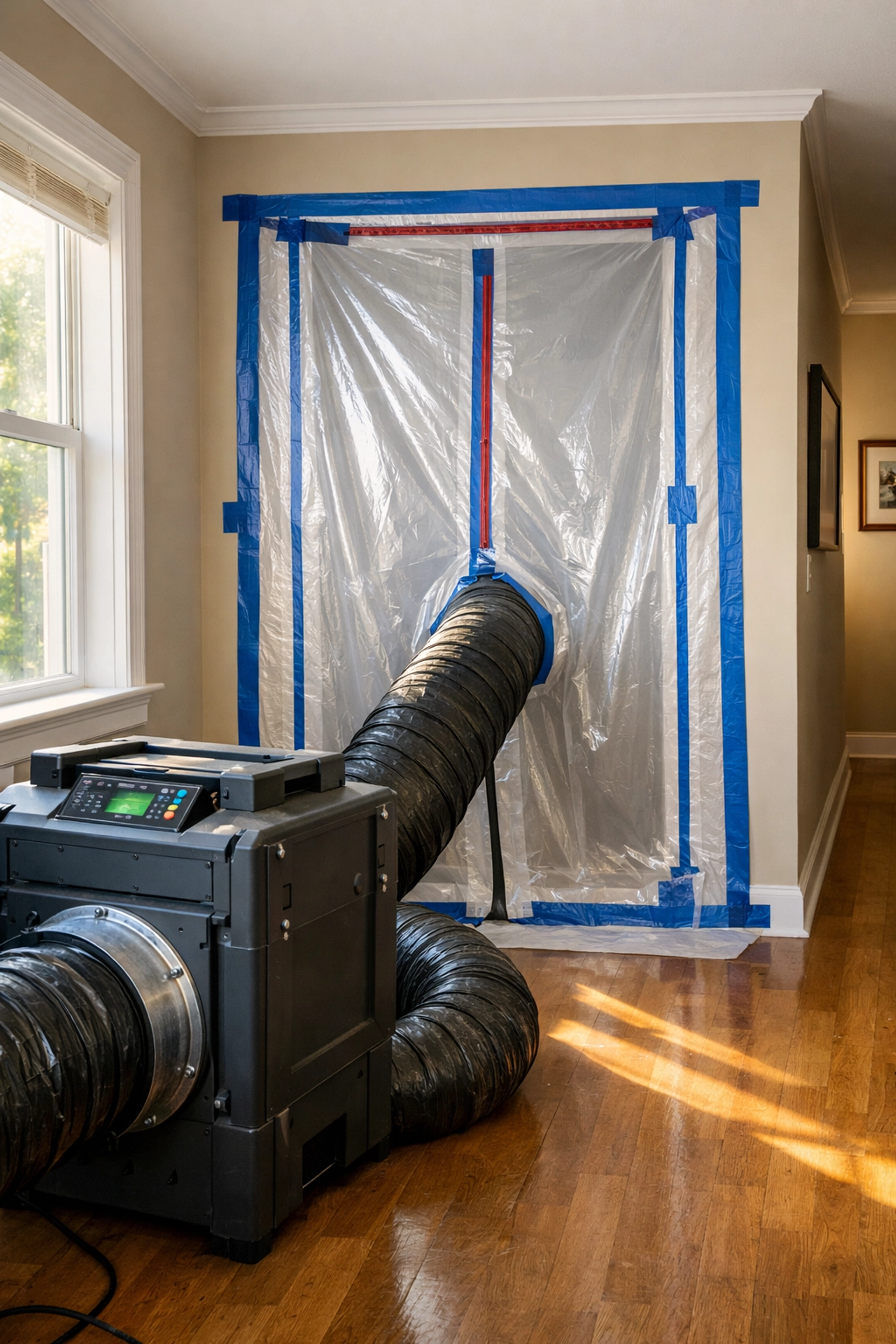
When you start scrubbing or tearing out moldy materials, you’re stirring up millions of tiny spores. If you don't have the right equipment, those spores will fly into the air, travel through your house, and land in other rooms.
This is why professional mold remediation involves "containment." Pros use plastic sheeting and "negative air machines" to make sure the spores stay in the work area.
Another big part of this is your HVAC system. If you have mold in one room, there’s a good chance spores have made their way into your vents. This is where air duct cleaning becomes vital. If you clean the walls but leave the dust and spores in your ducts, your AC will just blow them right back into the room the next time it kicks on.
Mold is a speed demon. It can start growing in as little as 24 to 48 hours after a water leak or flood. We see this a lot after a fire: the fire department saves the house, but the water used to put out the flames sits in the walls for a few days. Suddenly, the homeowner is looking at fire damage restoration and a massive mold problem.
If you have a spill, a leak, or a flood, you need to dry it out immediately. Every hour you wait is an hour the mold has to get a foothold in your home. If you catch it early, it might just be a simple drying job. If you wait a week, it’s a full-blown remediation project.
We get it: you love your stuff. But some things just can't be saved once they’ve been soaked and moldy.
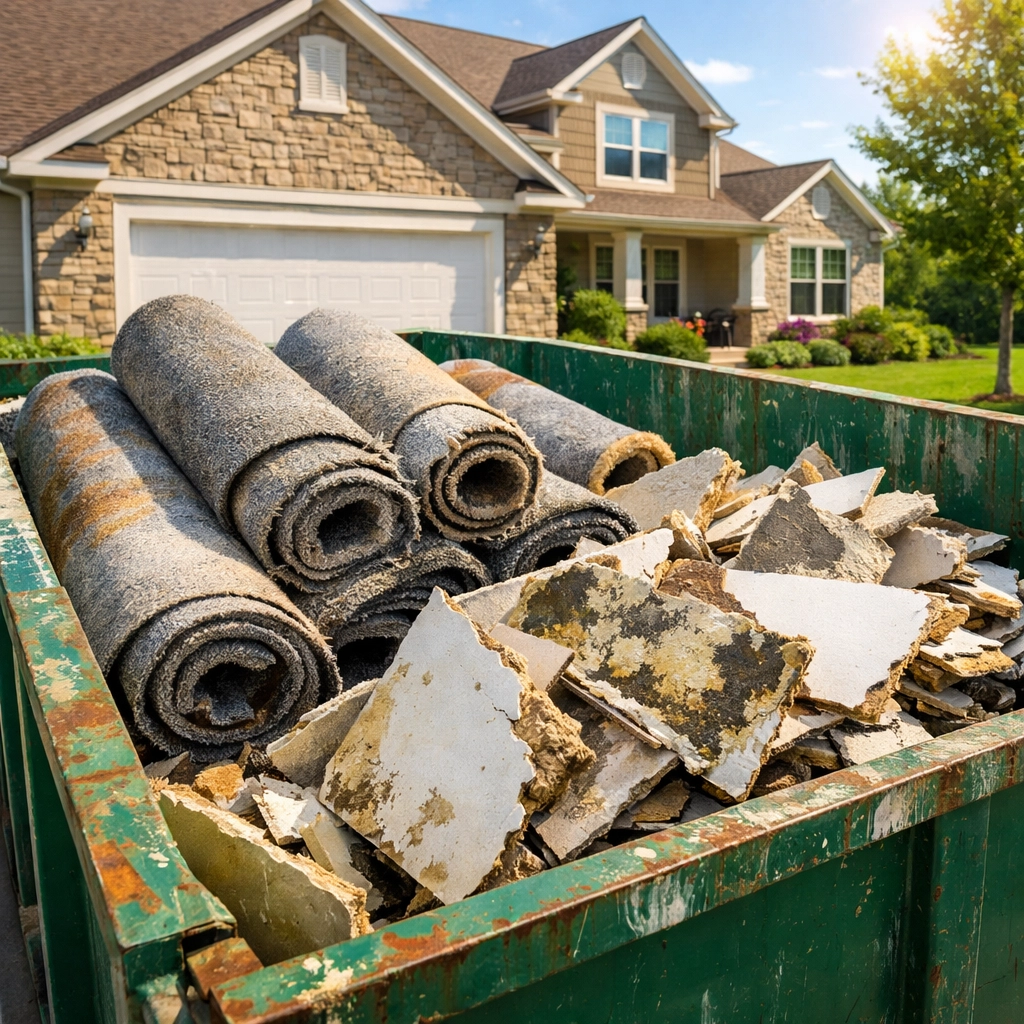
Non-porous items like glass, metal, and hard plastics can usually be cleaned and sanitized. However, porous materials like drywall, insulation, particle board, and even some furniture act like sponges. Once the mold gets inside the "pores" of these items, you can’t get it all out.
The same goes for your floors. If you had a major leak, a simple carpet cleaning might not be enough. If the padding underneath the carpet is wet and moldy, the whole thing usually needs to go. It’s heartbreaking to throw things away, but it’s better than keeping a mold factory inside your home.
If you are going to tackle a very small area (think less than 10 square feet) yourself, you can't just wear your regular clothes and a smile. Mold spores are irritants. They can cause sneezing, coughing, itchy eyes, and even more serious respiratory issues for people with allergies or asthma.
Professional restorers wear "moon suits" (Tyvek suits), gloves, and N95 masks for a reason. If you’re cleaning mold without a mask, you are breathing in those spores. Protect yourself!
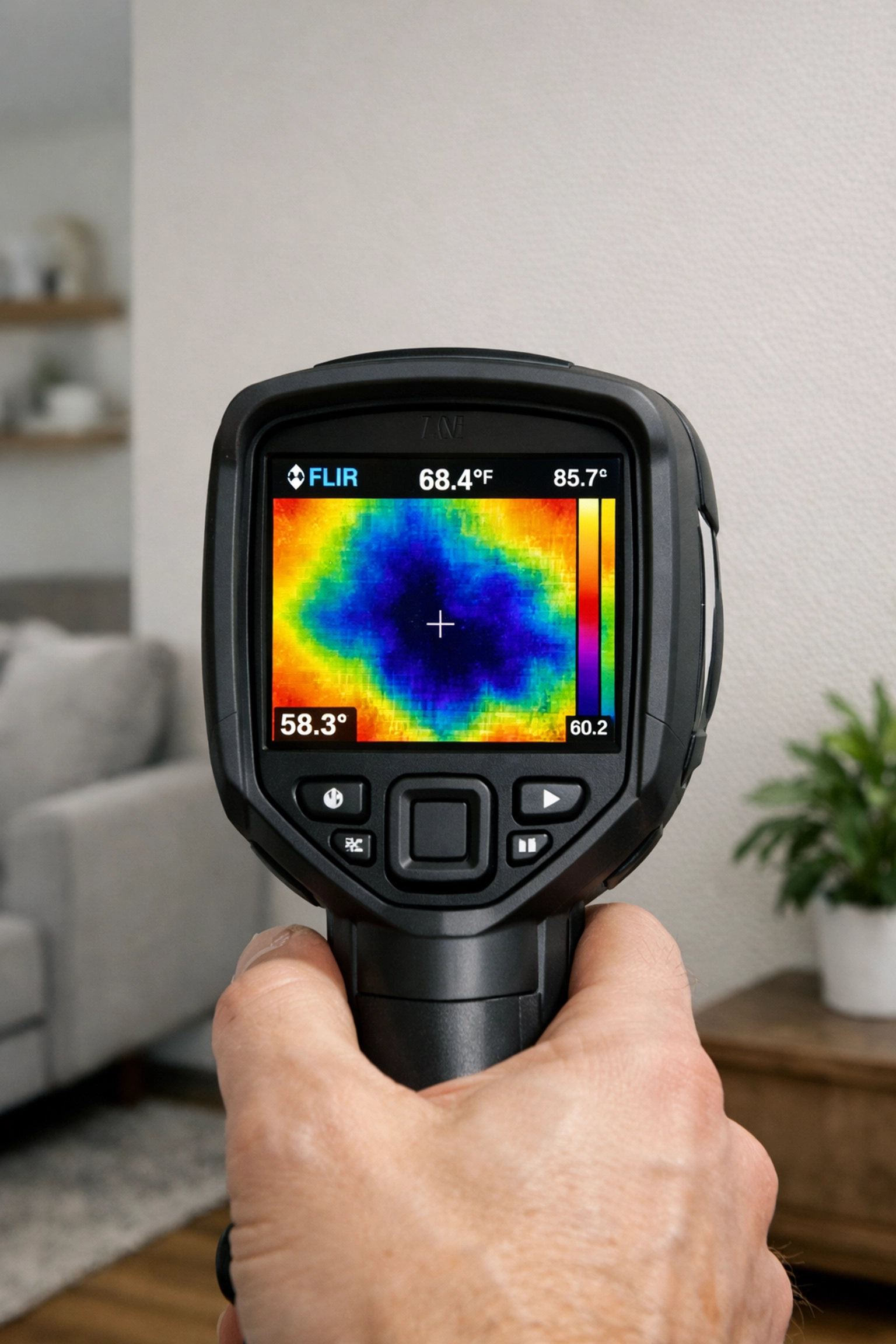
We love a good DIY project, but mold is one of those things where it pays to bring in the experts. A professional company like My Water Damage Hero has the tools that most homeowners don’t have: like moisture meters to find hidden leaks, thermal imaging cameras, and industrial-strength HEPA air scrubbers.
If the mold covers more than a 3×3 foot area, or if you can smell a musty odor but can't find the source, it’s time to call for help. Trying to save a few bucks by doing it yourself can lead to massive structural damage or health issues if it's not done correctly.
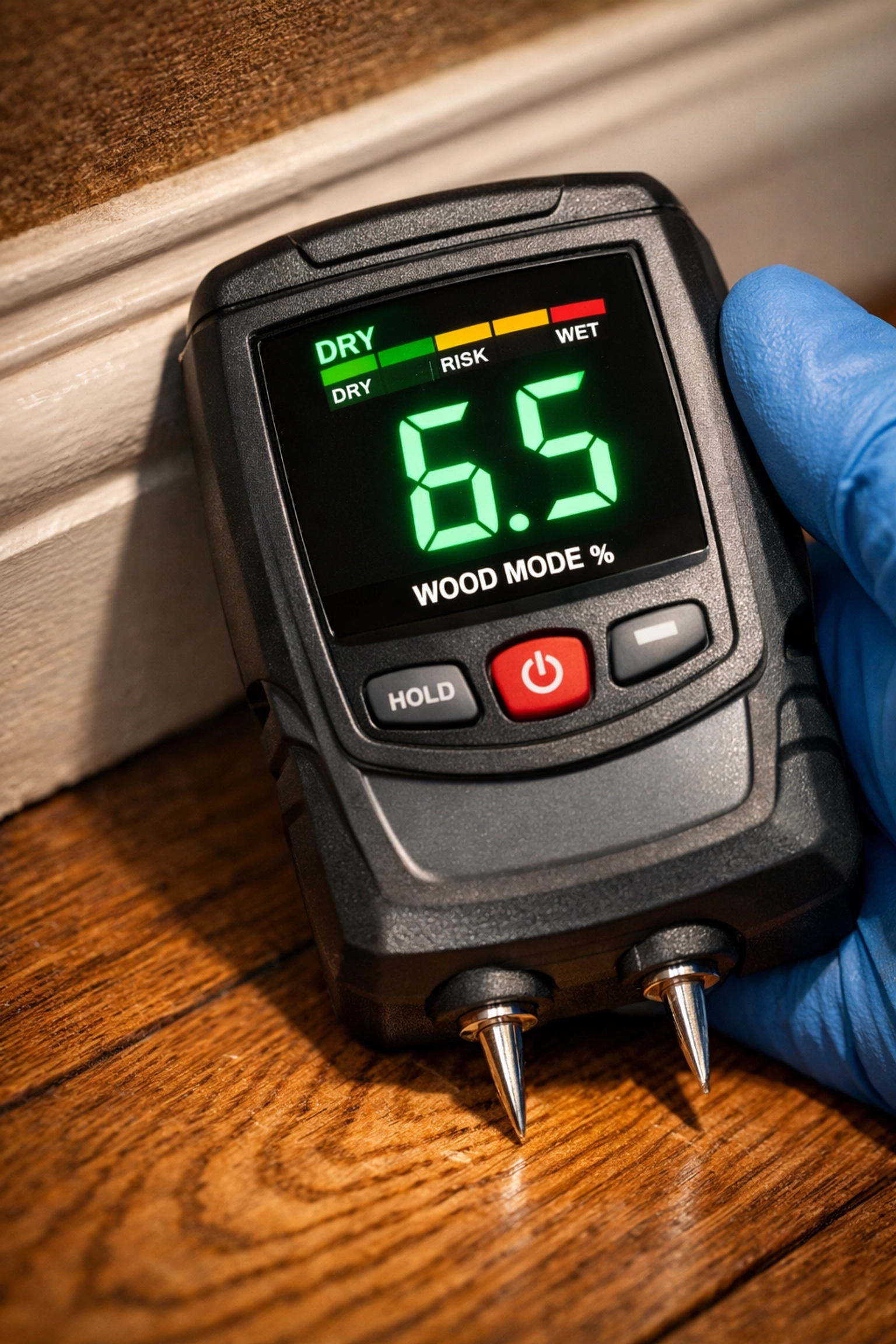
Dealing with mold is stressful, but you don’t have to do it alone. Whether you’re dealing with the aftermath of a burst pipe and need water damage restoration, or you’ve discovered a hidden mold colony during a fire damage restoration project, we’ve got your back.
Our team doesn't just "clean" mold; we remediate it. That means we find the source, contain the area, safely remove the contaminated materials, and ensure your air is clean and safe to breathe again. We can even help with carpet cleaning and air duct cleaning to make sure your home is fresh from top to bottom.
Your home is your sanctuary, and the last thing you want is a hidden enemy like mold making your family sick or eating away at your walls. By avoiding these common mistakes: like using bleach or ignoring the moisture source: you’re already ahead of the game.
Remember:
If you're feeling overwhelmed, don't sweat it. Give us a call at My Water Damage Hero. We’ll handle the dirty work so you can get back to enjoying your home. We're here to be your hero!


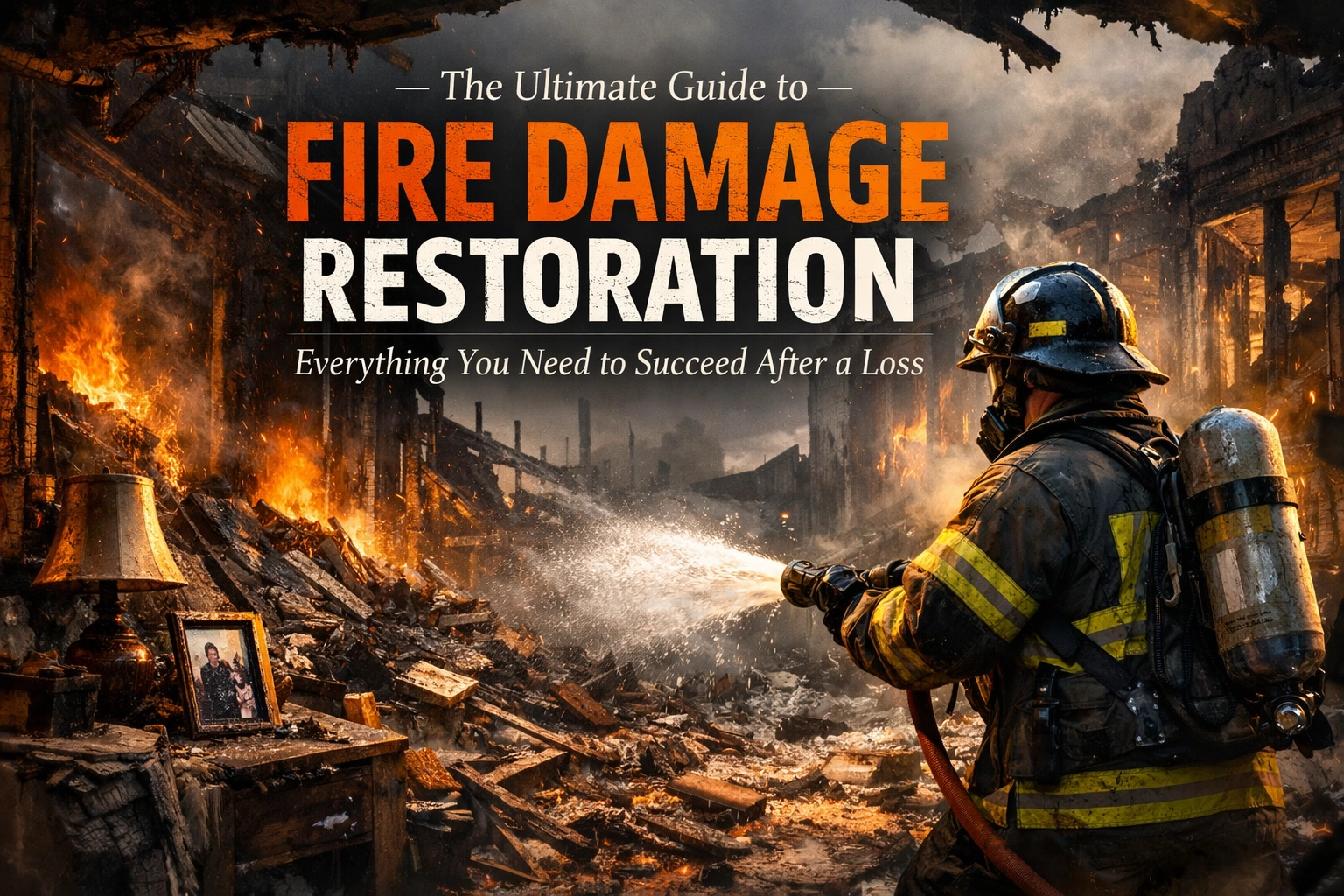

Contact us for quick, trusted restoration.
See how we’ve turned tough situations into success stories.

