
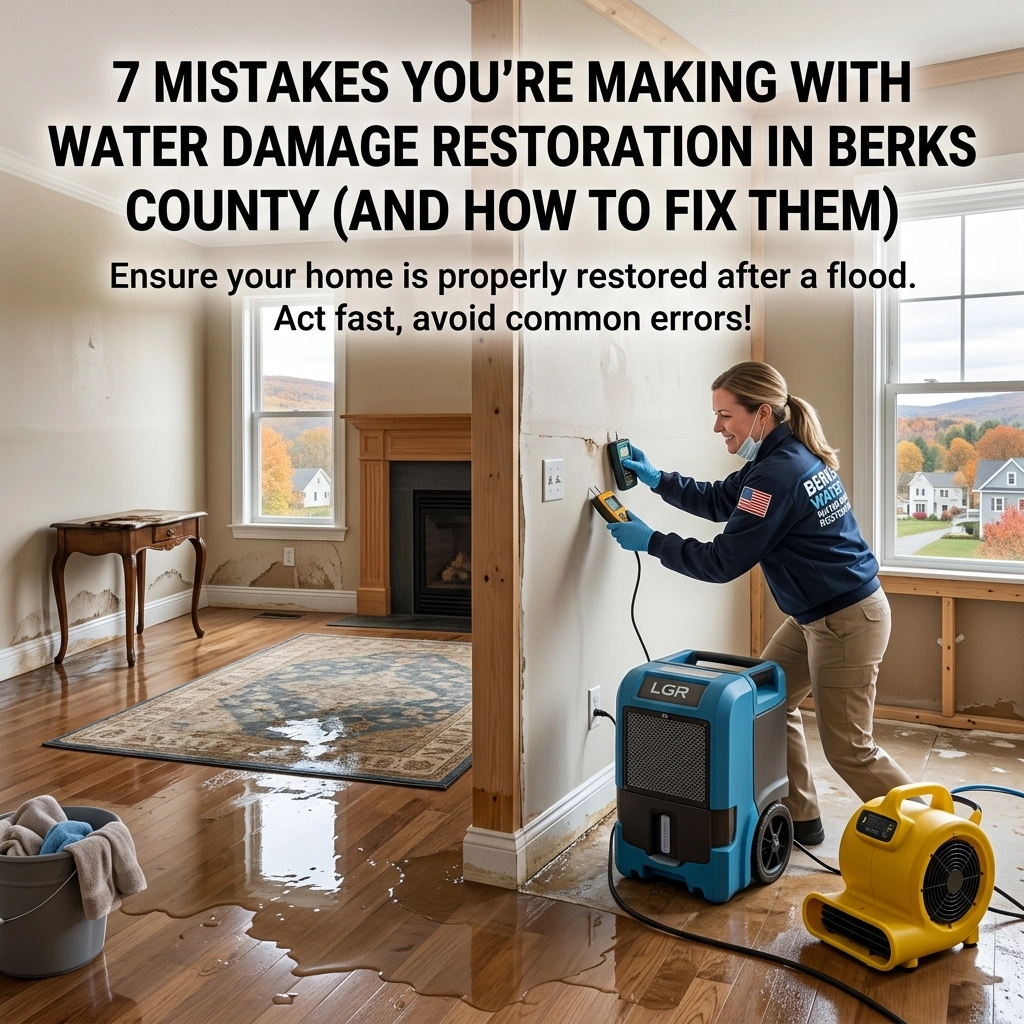
If you live in Berks County, you know that water is usually our friend: whether we’re enjoying a day out near the Schuylkill River or just watering the garden in Wyomissing. But when that water ends up inside your basement or soaking through your living room ceiling, it quickly becomes your worst enemy.
At My Water Damage Hero, we see it all the time. A pipe bursts in Reading, a heavy storm floods a basement in Kutztown, or an appliance leaks in Boyertown. The first instinct for most homeowners is to grab a mop and a few old towels and try to handle it themselves. While we love the DIY spirit of our neighbors, water damage restoration is one of those things that can go south really fast if you don't know the pitfalls.
Mistakes in the first few hours can lead to structural rot, expensive insurance headaches, and: everyone’s favorite nightmare: mold.
Here are the seven biggest mistakes we see homeowners in Berks County make when dealing with water damage, and more importantly, how you can fix them.
This is the number one mistake. You see a wet spot on the drywall or a small puddle in the corner of the basement and think, "I'll deal with that this weekend."
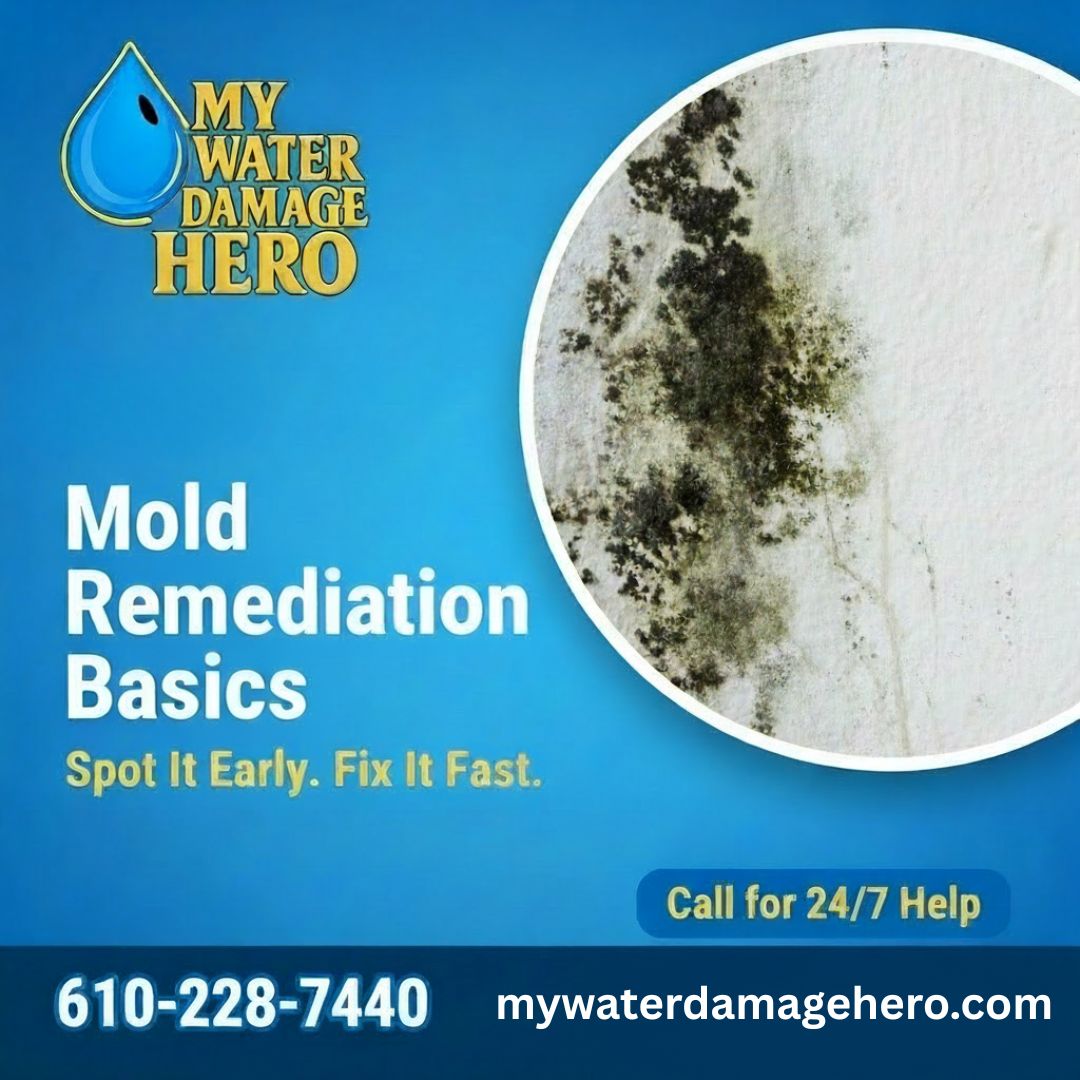
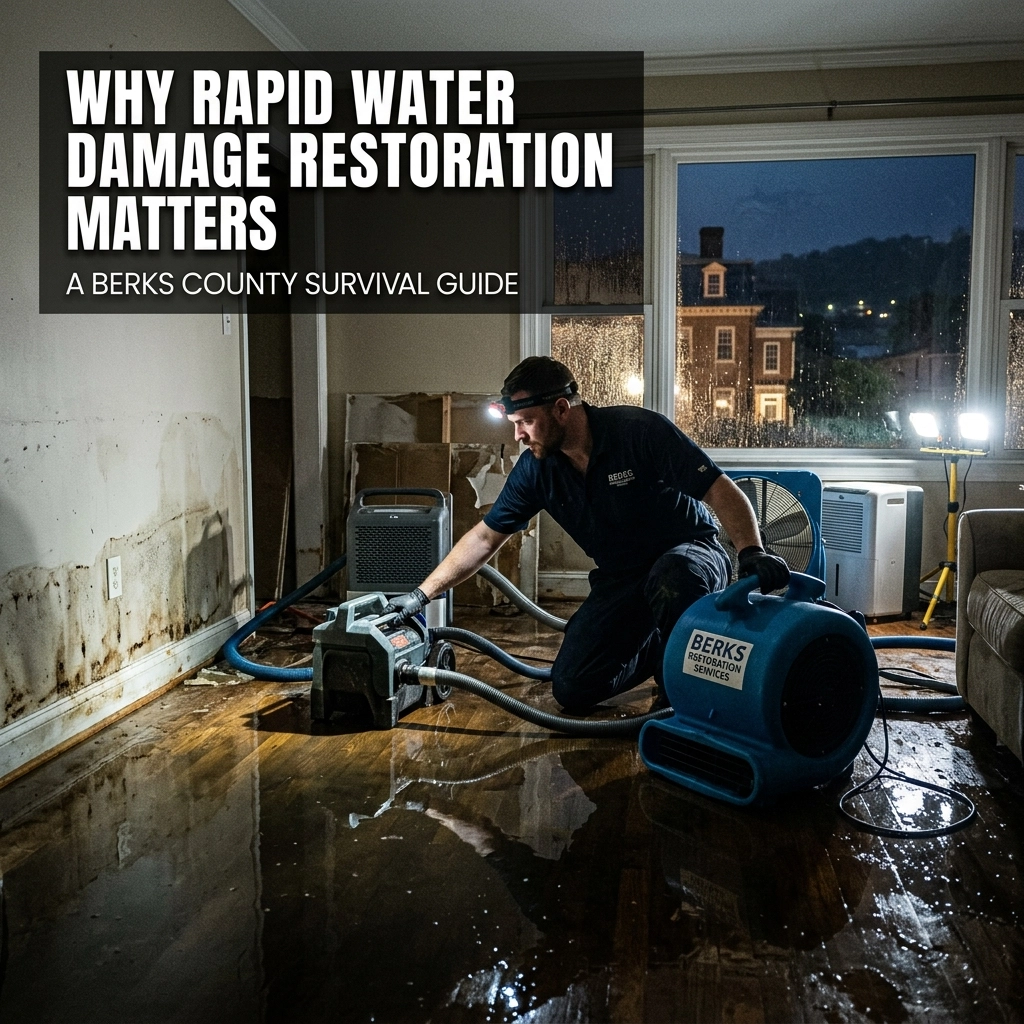
Why it’s a mistake: Water is a ticking time bomb. Within 24 to 48 hours, mold spores can begin to colonize. Beyond the mold risk, water continues to soak deeper into your home's structural components, like studs and subfloors, every minute it sits there. In a climate like ours, where humidity can already be high, waiting even a day can turn a simple dry-out job into a full-scale mold remediation project.
How to fix it: Act immediately. If you see water, stop the source and start the extraction process. If you can’t get it dry within 24 hours, you need to call in the pros. Speed is the only way to save your materials and your money.
You’ve run a few shop-vacs, wiped down the floor, and the carpet feels mostly dry to the touch. You're good, right? Probably not.
Why it’s a mistake: Water is sneaky. It loves to hide behind baseboards, under floorboards, and inside wall cavities. Just because the surface is dry doesn't mean the insulation or the wooden framing inside your walls isn't soaking wet. If that moisture stays trapped, it leads to wood rot and hidden mold growth that you won't smell or see until it’s a massive problem.
How to fix it: Use professional tools. At My Water Damage Hero, we use thermal imaging cameras and moisture meters to "see" through walls. If you’re doing it yourself, at least pull back the carpet and check the padding, or remove a piece of baseboard to see if the drywall behind it feels damp.

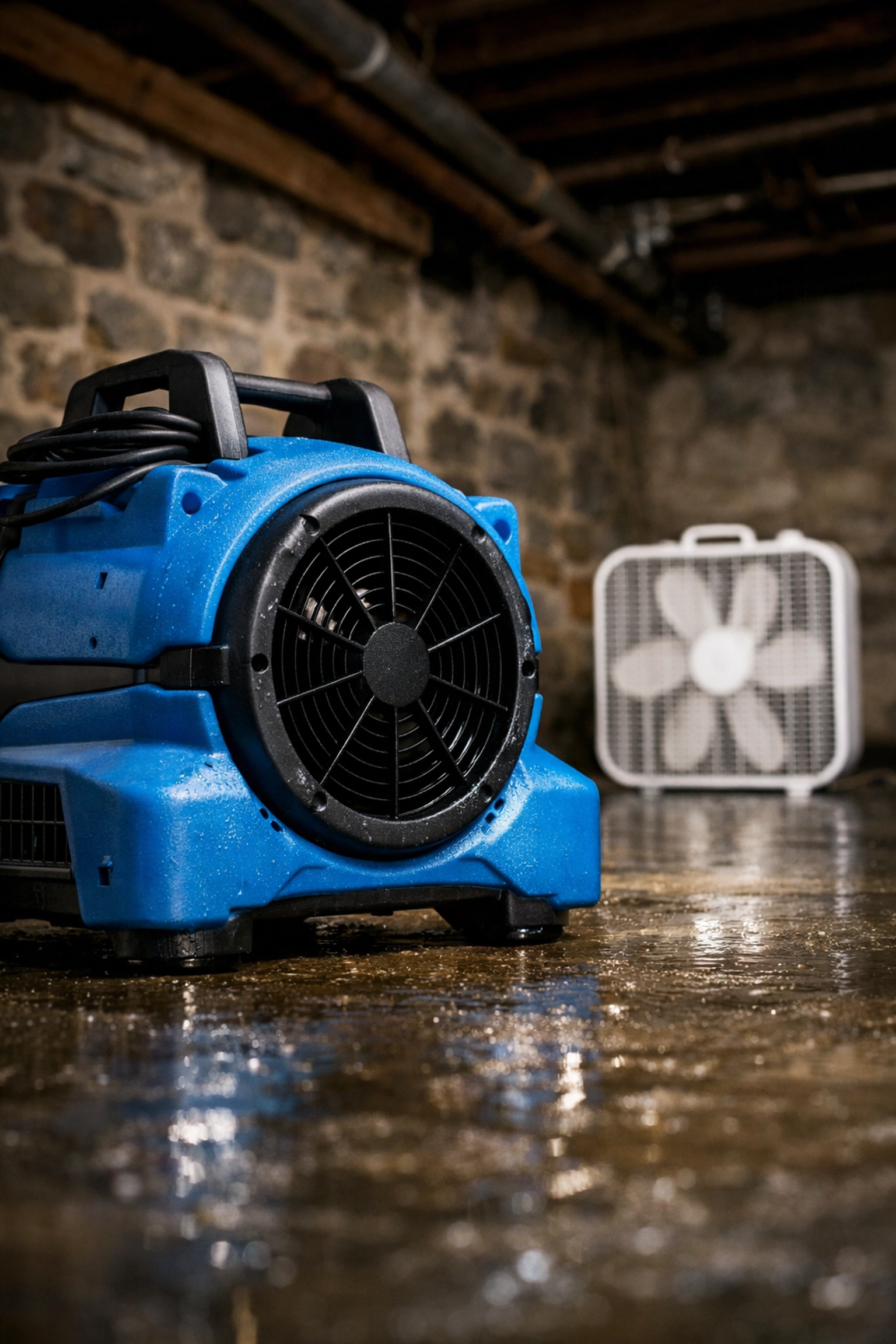
We’ve all been there: lining up every oscillating fan in the house to point at a wet spot.
Why it’s a mistake: Standard household fans are great for a summer breeze, but they don't have the "static pressure" needed to pull moisture out of dense materials like wood or drywall. They just move the surface air around. To truly dry a room, you need to lower the humidity in the entire space so the air can "pull" the moisture out of the materials.
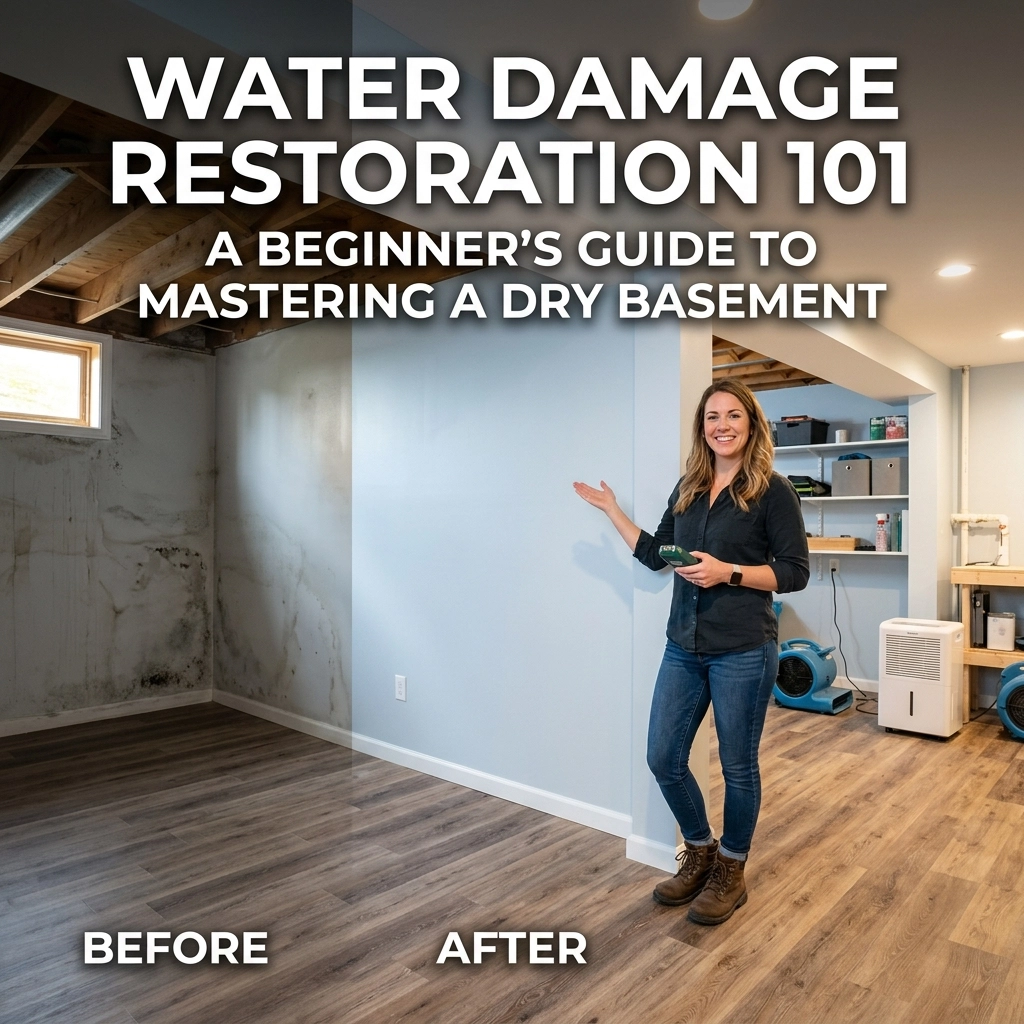
How to fix it: You need industrial-grade equipment. This includes high-velocity air movers and, more importantly, LGR (Low Grain Refrigerant) dehumidifiers. These machines are designed to pull gallons of water out of the air every day. Without a professional-grade dehumidifier, you’re just circulating damp air.
When a pipe bursts, your first thought is usually "Help!" not "Where’s my camera?" But failing to document the scene is a mistake that can cost you thousands.
Why it’s a mistake: Insurance companies need proof. If you start cleaning up and throwing away ruined furniture or soaked carpet before taking photos, the adjuster might not have enough evidence to cover the full extent of your loss. In Berks County, where we deal with everything from flash floods to frozen pipes, being your own "claims investigator" is crucial.
How to fix it: Before you move a single item, take a video walk-through of the damage. Take close-up photos of the source (like the cracked pipe) and the affected areas. Keep a list of every item you have to toss. This documentation makes the water damage restoration claim process much smoother.
When people think of water damage, they think of floors and walls. They rarely think about what they are breathing.
Why it’s a mistake: When water enters a home, it often brings contaminants with it: especially if it’s "black water" from a sewer backup or "gray water" from a dishwasher. As that water dries, particles can become airborne. Furthermore, if mold has started to grow, those spores are now circulating through your home.
How to fix it: This is where air duct cleaning and air scrubbing come into play. If you've had a major water event, it’s a smart move to have your HVAC system checked. Dust and moisture in your ducts are a recipe for mold. A professional cleaning ensures that once your walls are dry, the air you’re breathing is clean too.

Not all water is created equal. In the restoration world, we talk about Category 1 (clean water), Category 2 (gray water), and Category 3 (black water).
Why it’s a mistake: Treating a sewage backup (Category 3) the same way you’d treat a leaky sink (Category 1) is dangerous. Black water contains bacteria, viruses, and pathogens. If you try to mop up a sewage leak with a standard mop and bucket, you’re essentially spreading disease around your home.
How to fix it: Know when to step back. If the water is cloudy, smells, or came from a toilet or outdoor flooding, it is contaminated. You need professional-grade disinfectants and PPE (Personal Protective Equipment) to handle it safely. This isn't just about drying; it’s about sanitizing.
Many homeowners think that if they handle the cleanup, they’ve saved a bunch of money. But skipping a professional inspection can lead to "secondary damage."
Why it’s a mistake: Water damage often goes hand-in-hand with other issues. For example, if the water came from a small fire that was put out, you might also need fire damage restoration or smoke odor removal. Or, the excess moisture might have triggered a massive mold bloom in the attic that you haven't noticed yet.
How to fix it: Even if you want to do the heavy lifting yourself, have a professional come out for an assessment. Most reputable companies (like us!) can give you a clear picture of what’s actually happening under the surface. It’s better to spend a little now on an inspection than to spend a fortune later on structural repairs.
When you're dealing with home emergencies, local knowledge counts. Whether you're in a historic home in Oley that needs extra care or a modern build in Sinking Spring, the way water interacts with your specific structure matters.
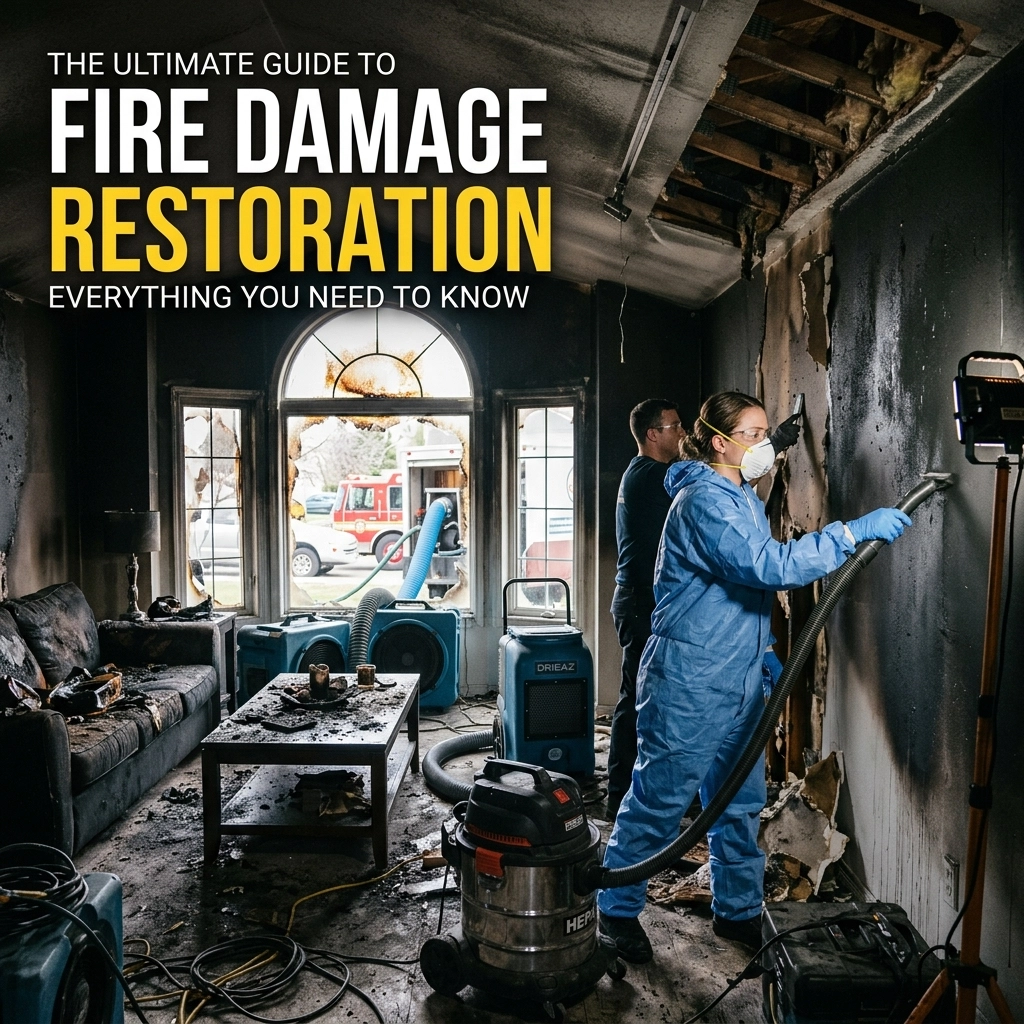
At My Water Damage Hero, we don't just "suck up water." We look at the whole picture. Our services cover everything from the initial emergency water removal to carpet cleaning and even fire damage restoration if things got really messy.
We know that a flooded basement isn't just a maintenance task: it’s a disruption to your life and your family’s safety. That’s why we focus on simple, clear communication and fast action.
It’s okay to ask for help. In fact, when it comes to water, it’s the smartest thing you can do. By avoiding these seven common mistakes, you’re protecting your home’s value and your family’s health.
If you’ve found a leak, smelled something funky, or walked into a "lake" in your basement, don't wait. Grab your phone before you grab the mop.
Need a hero? We’re right here in Berks County, ready to help you get your home back to normal. From mold remediation to emergency drying, we've got your back. Give us a call, and let’s get that water out for good!
Contact us for quick, trusted restoration.
See how we’ve turned tough situations into success stories.

