
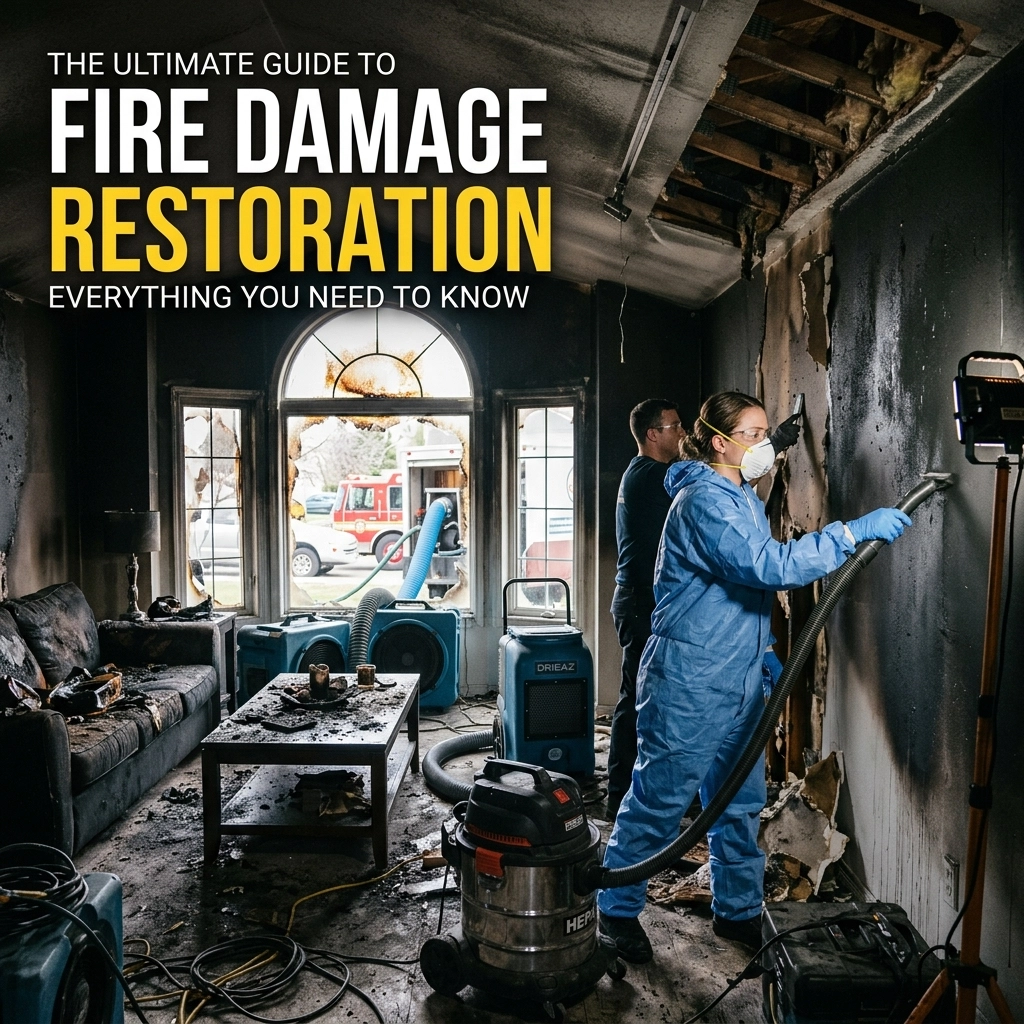
A house fire is probably one of the most stressful things a homeowner can go through. Between the initial shock and the mess left behind, it’s easy to feel overwhelmed. At My Water Damage Hero, we see it all the time, the smoke, the soot, and the unexpected water damage from the fire hoses.
But here is the good news: your home can be restored. It’s not just about cleaning up the mess; it’s about making your space safe and livable again. This guide will walk you through the entire fire damage restoration process so you know exactly what to expect.
When a fire happens, the clock starts ticking. You might think the damage stops once the flames are out, but that’s not true. Smoke and soot are acidic. If they sit on your furniture, walls, or appliances for more than a day or two, they can cause permanent staining and corrosion.
FEMA actually recommends starting the restoration process within 24 to 48 hours. This quick window helps prevent secondary issues like mold growth (since fire usually involves a lot of water) and deep-set odors that are impossible to get out later.
Before anyone steps foot inside, the fire marshal has to clear the building. Once it’s safe to enter, the professional fire damage restoration team comes in.
We don't just look at the charred wood. We look at everything. We check the structural integrity of the roof and floors, look for hidden water damage in the walls, and assess how far the smoke has traveled. Most people are surprised to find soot in rooms that weren't even near the fire!
During this phase, we also test for hazards like asbestos or lead-based paint, especially in older homes. We want to make sure the cleanup doesn't accidentally release harmful particles into the air you breathe.

A fire-damaged home is vulnerable. Windows might be blown out, or there might be a hole in the roof. To protect your home from rain, animals, and even looters, we perform "board-up and tarping" services.
By boarding up the doors and windows and placing heavy-duty tarps over the roof, we stabilize the environment. This is a crucial step to prevent the damage from getting worse while we work on the inside.
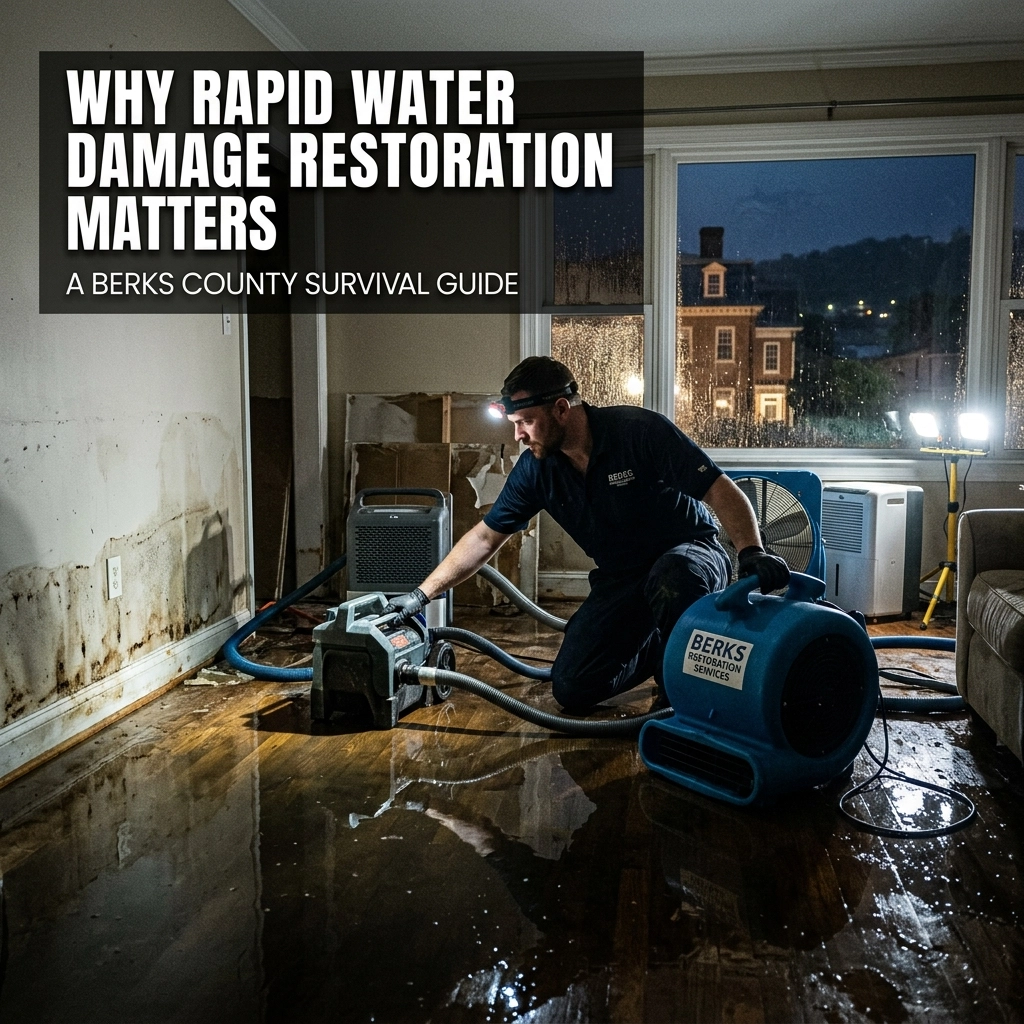
It sounds counterintuitive, but fire damage almost always includes a need for water damage restoration. Firefighters use thousands of gallons of water to put out the flames. That water seeps into your floorboards, drywall, and insulation.
If we don't get that water out fast, you’ll be dealing with a massive mold problem in less than 72 hours. We use industrial-strength pumps to extract the standing water and high-speed air movers to dry everything out.
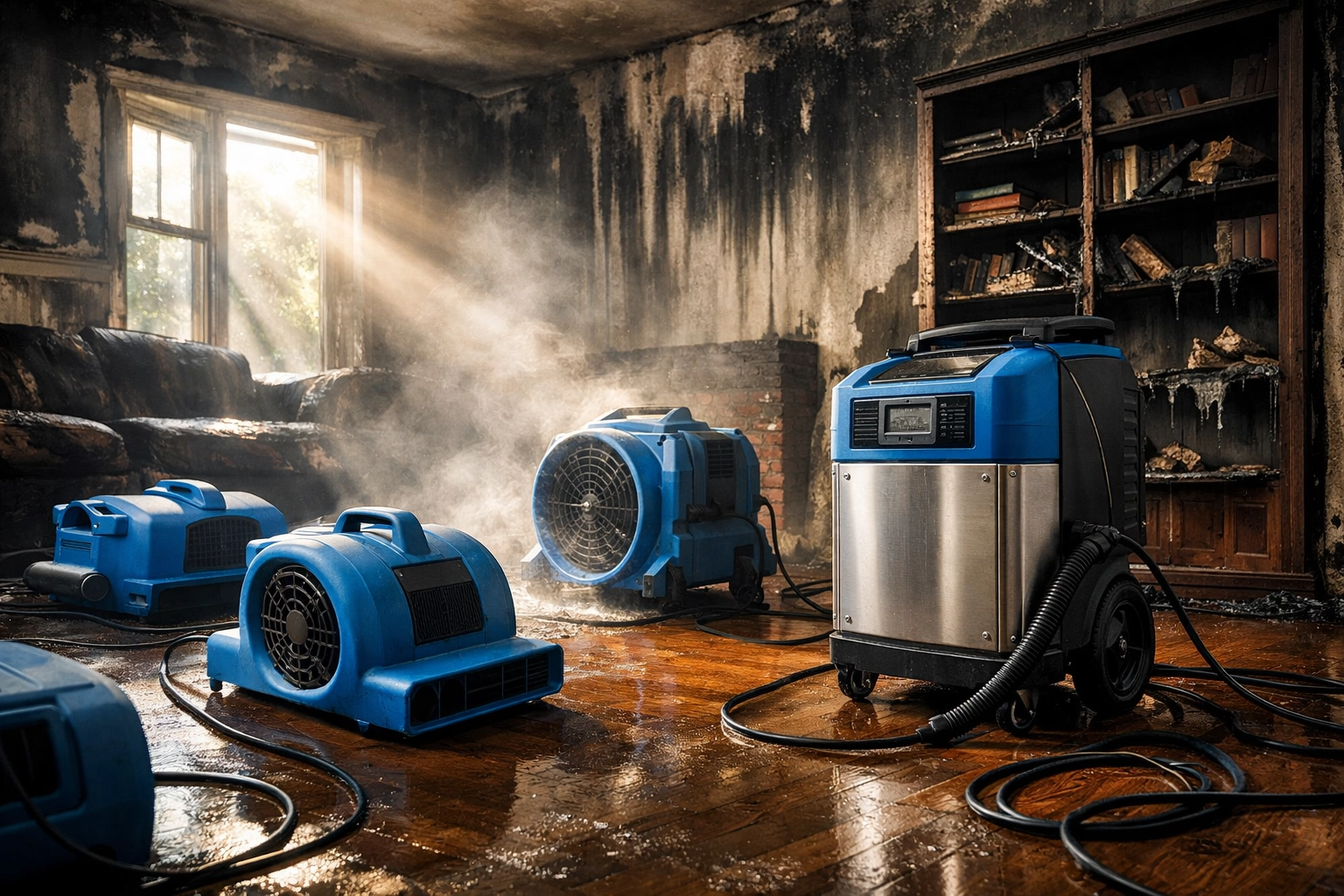
This is the most labor-intensive part of the job. Soot is oily and messy. If you try to wipe it away with a standard household cleaner, you’ll likely just smear it deeper into the surface.
Professional restoration teams use specialized dry sponges and chemical cleaners designed to lift soot without damaging the underlying material. Every inch of the home, from the ceiling fans to the baseboards, needs to be cleaned.
This is also where we handle carpet cleaning. Smoke particles settle deep into carpet fibers. Traditional vacuuming won't cut it. We use deep-cleaning extraction methods to pull those particles out and save your flooring whenever possible.
Because of all that water used to fight the fire, mold is a very real threat. Mold remediation is often baked into the fire restoration process. We treat affected areas with antimicrobial sprays to kill any spores and ensure the humidity levels in the house are low enough that mold can’t grow back.
If you smell a musty odor along with the smoke, that’s a sign that mold has already started to take hold. Don’t ignore it!
Have you ever noticed how the smell of a campfire stays on your clothes for days? Now imagine that smell inside your walls and furniture.
One of the biggest culprits for lingering smells is your HVAC system. During a fire, the AC or heater often pulls smoke and soot into the vents. If you don't perform a professional air duct cleaning, every time you turn on your air, you'll be blasting smoke particles back into your clean rooms.
We use "scrubbers" and ozone generators to neutralize the air molecules. This doesn't just mask the smell with perfume; it actually breaks down the odor-causing particles so the air is fresh again.

Once everything is clean, dry, and odor-free, it’s time to put the house back together. This is the "restoration" part of fire damage restoration. It might involve:
Our goal is to make it look like the fire never happened. When we’re done, your home should be just as safe: if not safer: than it was before.
While you should always wait for professional help for the heavy lifting, here are a few tips for homeowners in those first few hours:
Fire restoration isn't a DIY job. It requires specialized equipment and certifications to ensure the air is safe to breathe and the structure is solid. At My Water Damage Hero, we take pride in being there for our neighbors when things get tough.
We don't just clean; we care. We handle the water damage restoration, the mold remediation, and the air duct cleaning all under one roof so you don't have to juggle five different contractors.
If you’re facing the aftermath of a fire, don't wait. The longer you wait, the harder (and more expensive) the cleanup becomes. Give us a call, and let’s get your home back to normal.
Your home is your sanctuary. Even after a fire, it can be that way again. It just takes the right hero to help you through the process!
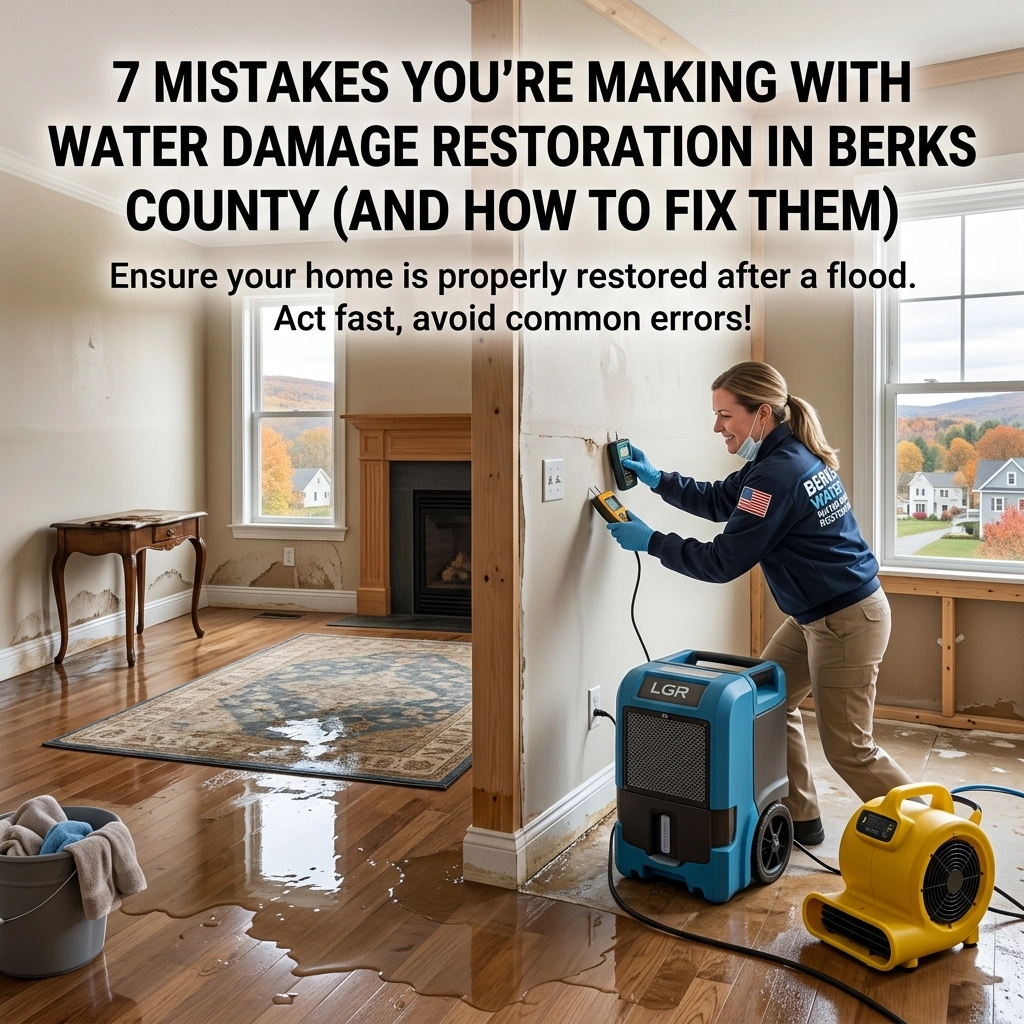
Contact us for quick, trusted restoration.
See how we’ve turned tough situations into success stories.

