
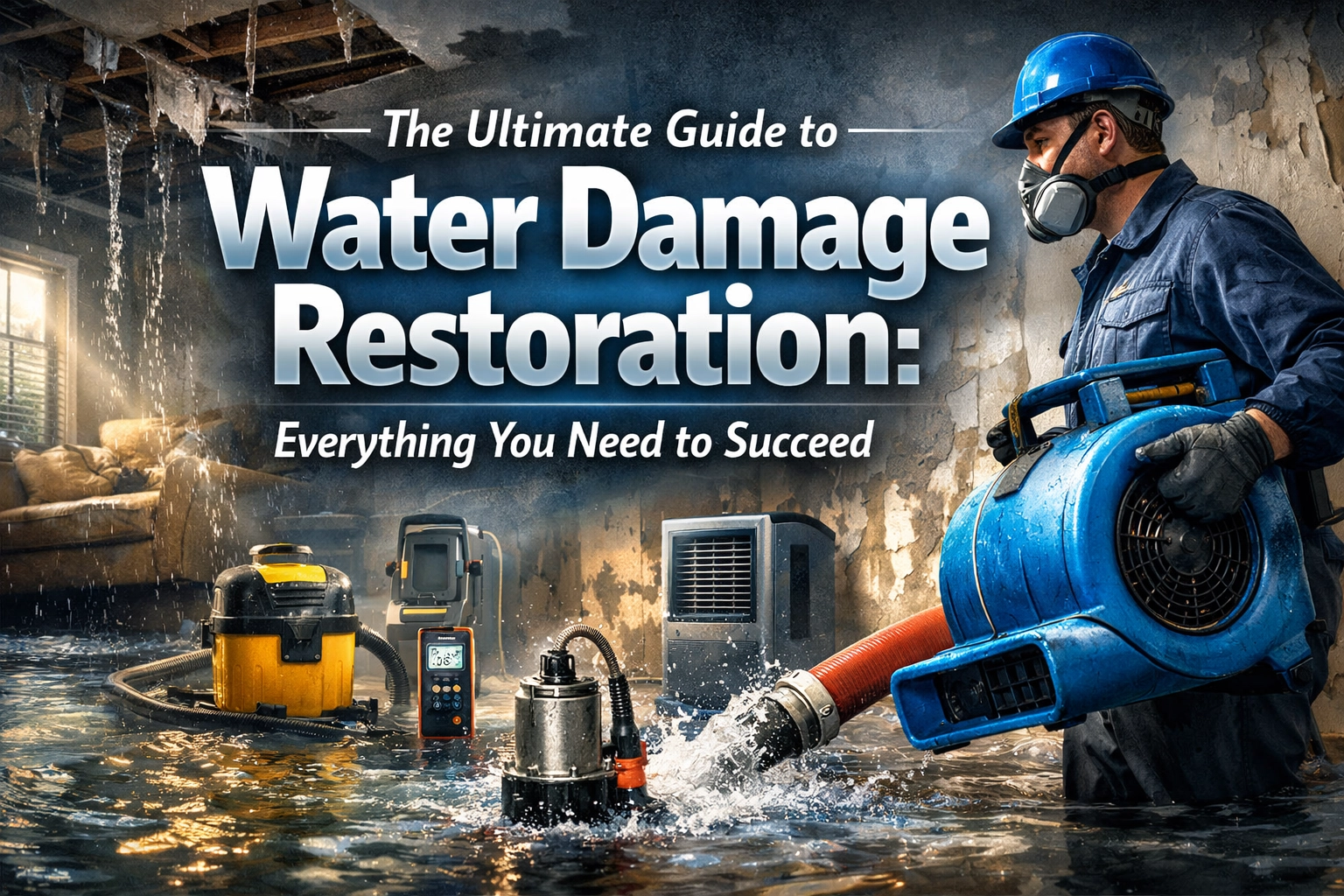
Finding a puddle in your basement or seeing a dark stain spreading across your ceiling is enough to make any homeowner’s heart sink. We get it: water damage is stressful, messy, and usually happens at the worst possible time. But here is the good news: with the right knowledge and a quick response, you can save your home and get things back to normal faster than you think.
At My Water Damage Hero, we see these situations every day. Whether it’s a burst pipe, a leaky roof, or a flash flood, the process of bringing your home back to life is called water damage restoration. In this guide, we’re going to walk you through everything you need to know to handle the situation like a pro.
A lot of people think restoration is just mopping up the water. While that’s a big part of it, true water damage restoration is a complete, step-by-step process. It starts with removing the water, but it ends with rebuilding your home so it looks and feels like the damage never happened.
It’s different from "mitigation," which is just stopping the damage from getting worse. Restoration is the "happily ever after" part where we replace the drywall, fix the floors, and make sure your air is clean and safe to breathe again.
When it comes to water, the clock is your biggest enemy. Within minutes, water spreads into your floors, walls, and furniture. Within hours, your furniture can start to swell and crack. But the real trouble starts at the 24-to-48-hour mark: that’s when mold starts to grow.
Once mold takes root, you’re no longer just dealing with a water leak; you’re looking at a full-scale mold remediation project. Acting fast isn’t just about saving your carpet; it’s about protecting your family’s health and your wallet.
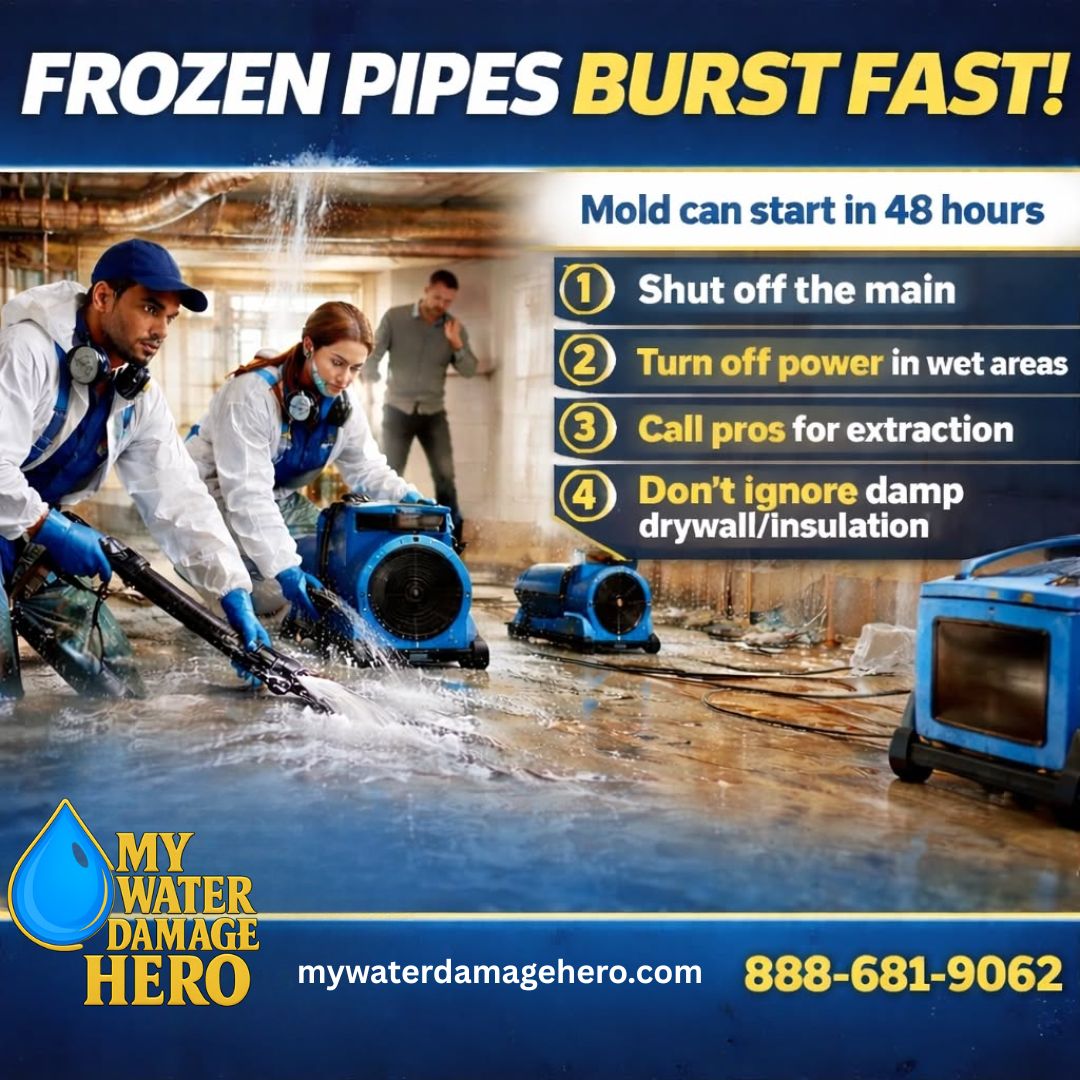
Every restoration project is unique, but they all follow a similar roadmap. Here is what you should expect when the pros arrive.
Before anyone picks up a vacuum, we have to make sure the area is safe. This means checking for electrical hazards (water and electricity don't mix!) and making sure the structure is stable.
Our technicians use cool tech like thermal imaging cameras and moisture meters. Why? Because water hides. It gets behind baseboards and under floorboards where you can't see it. We map out the "wet zone" so we don't miss an inch.
This is the "heavy lifting" phase. We use industrial-strength pumps and truck-mounted extraction units to get the standing water out. If you have a flooded basement, this step is critical to stop the foundation from soaking up more moisture.

Once the standing water is gone, the materials (like wood and drywall) are still "wet" on a molecular level. We use high-speed air movers and industrial dehumidifiers to pull the moisture out of the air and the building materials. This step can take a few days, but it’s the only way to prevent rot and mold.
Floodwater isn't usually clean. Even a "clean" pipe leak can pick up dirt and bacteria as it travels through your house. We use professional-grade antimicrobial treatments to sanitize everything. This is also a great time to think about carpet cleaning. If your carpets can be saved, they’ll need a deep, professional scrub to get rid of any lingering contaminants.
The final step is the most rewarding. We replace the drywall we had to cut out, install new flooring, and repaint. When we’re done, you shouldn't even be able to tell there was ever a leak.
Not all floods are created equal. In the industry, we talk about "classes" of water damage to decide how much equipment we need.
One thing homeowners often overlook is what water does to the air they breathe. If your house stays damp for too long, mold spores can start to fly around. That’s why mold remediation is such a common partner to water restoration.
If you start to notice a musty smell, don't ignore it! That "old basement smell" is actually the scent of mold growing.
While we’re talking about air quality, it’s also a smart move to look into air duct cleaning. If your home has been damp, your HVAC system could be spreading dust, moisture, and spores through every room. Keeping your ducts clean ensures that once the water is gone, your air stays fresh.

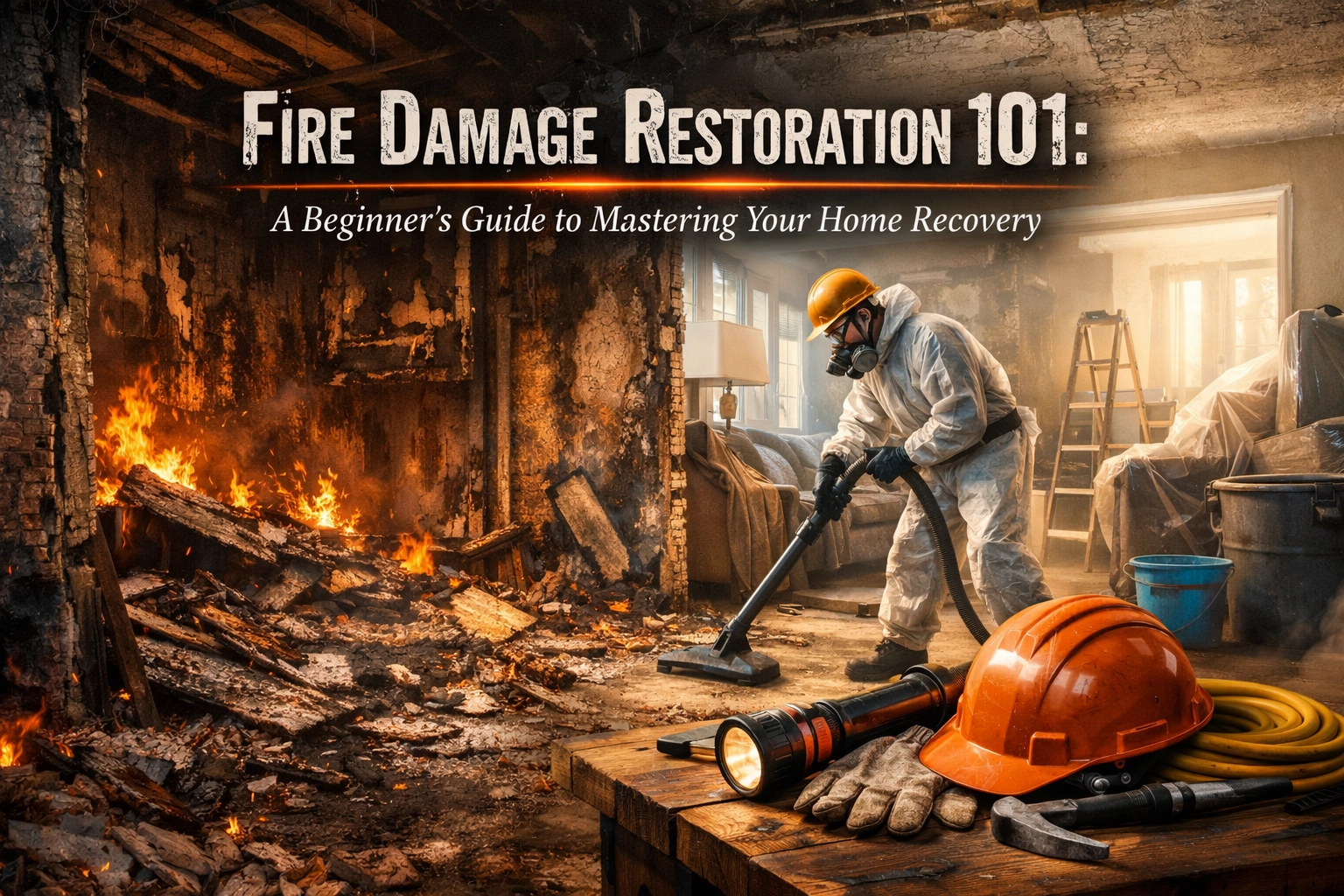
It sounds weird to talk about fire during a water damage guide, right? But believe it or not, most fire damage actually involves a ton of water damage because of the fire hoses!
If you’re dealing with the aftermath of a fire, you need a team that understands fire damage restoration. This involves cleaning up soot and smoke odors, but also dealing with the thousands of gallons of water used to put the fire out. It’s a double whammy, but a full-service pro can handle both at once.

If you’re standing in a wet room reading this on your phone, here are your immediate "Hero" steps:
We know you have choices when it comes to your home. At My Water Damage Hero, we keep things simple. We don't use confusing jargon, and we don't hide costs. We’re just neighbors helping neighbors get back on their feet.
Whether you need emergency water damage restoration, deep carpet cleaning after a messy winter, or specialized mold remediation, we have the tools and the heart to get it done right. We even handle air duct cleaning to make sure your home’s "lungs" are as clean as your floors.
Water damage is a chapter in your home’s story, but it doesn't have to be the end. With a little help from the heroes, your home will be dry, safe, and beautiful again in no time.
Got a leak? Don't wait! Give My Water Damage Hero a call today, and let’s get your home back to normal.
Contact us for quick, trusted restoration.
See how we’ve turned tough situations into success stories.

