
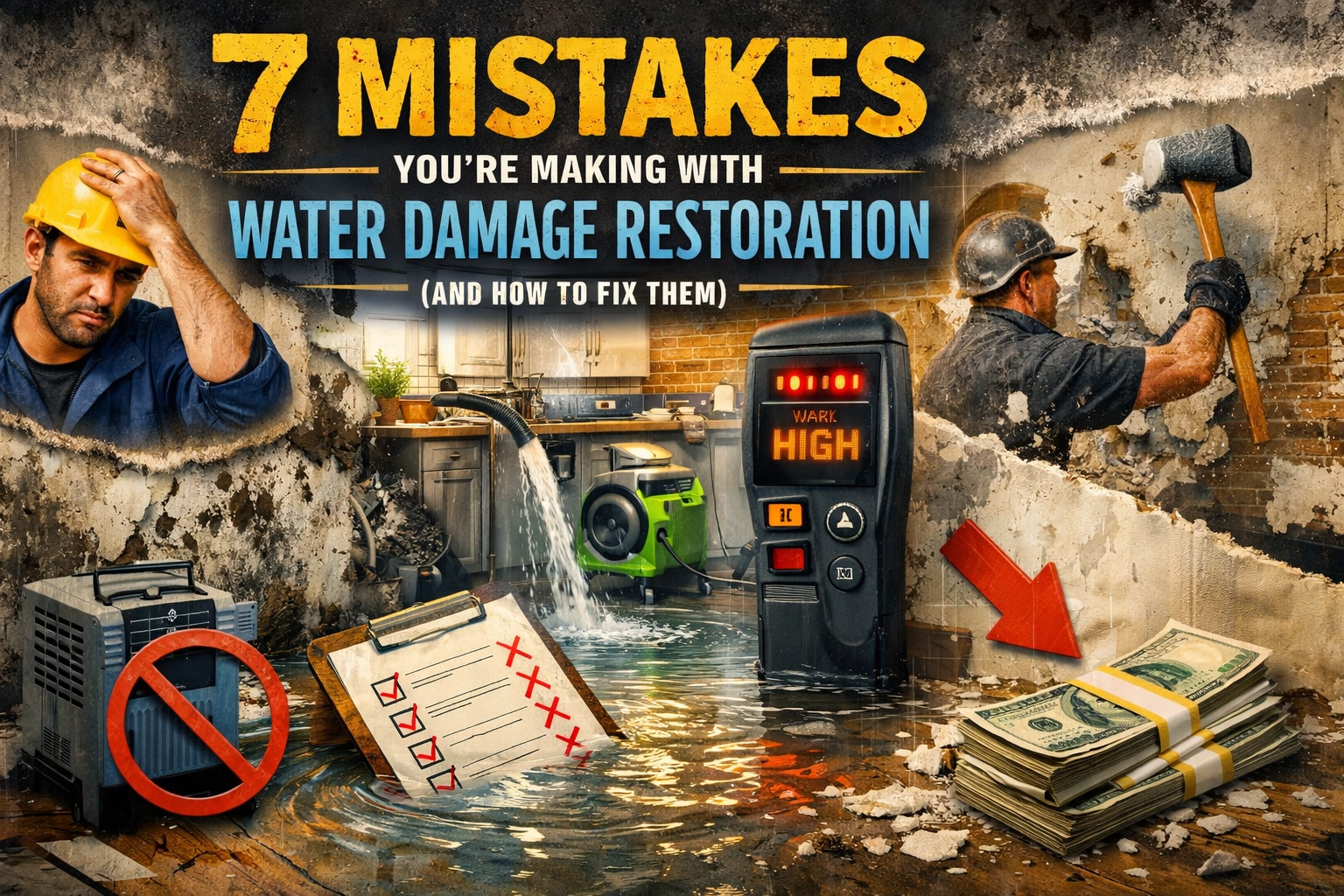
Water damage hits when you least expect it. A burst pipe at 2 AM. A flooded basement after a storm. A leaking dishwasher you didn't notice for days. And when it happens, how you respond in those first few hours makes all the difference.
Unfortunately, most homeowners make critical mistakes during water damage restoration, mistakes that lead to mold growth, structural damage, and way higher repair bills down the road. The good news? These mistakes are totally avoidable when you know what to watch for.
Let's walk through the seven biggest water damage restoration mistakes and exactly how to fix them.
Here's the thing about water damage: time is not your friend.
Water spreads fast, really fast. It seeps into walls, under floors, into furniture, and basically anywhere it can reach. And here's the kicker: mold can start growing within 24 to 48 hours of water exposure.
The problem: Many homeowners think they can wait until Monday to call someone, or they try to handle it themselves over the weekend. By the time professional help arrives, the damage has already escalated. Wood starts warping. Drywall gets soggy. And mold spores begin their takeover.
The fix: Act immediately. As soon as you spot water damage, start the restoration process. Call a professional water damage restoration team right away. The faster you respond, the less damage occurs and the lower your overall restoration costs will be.
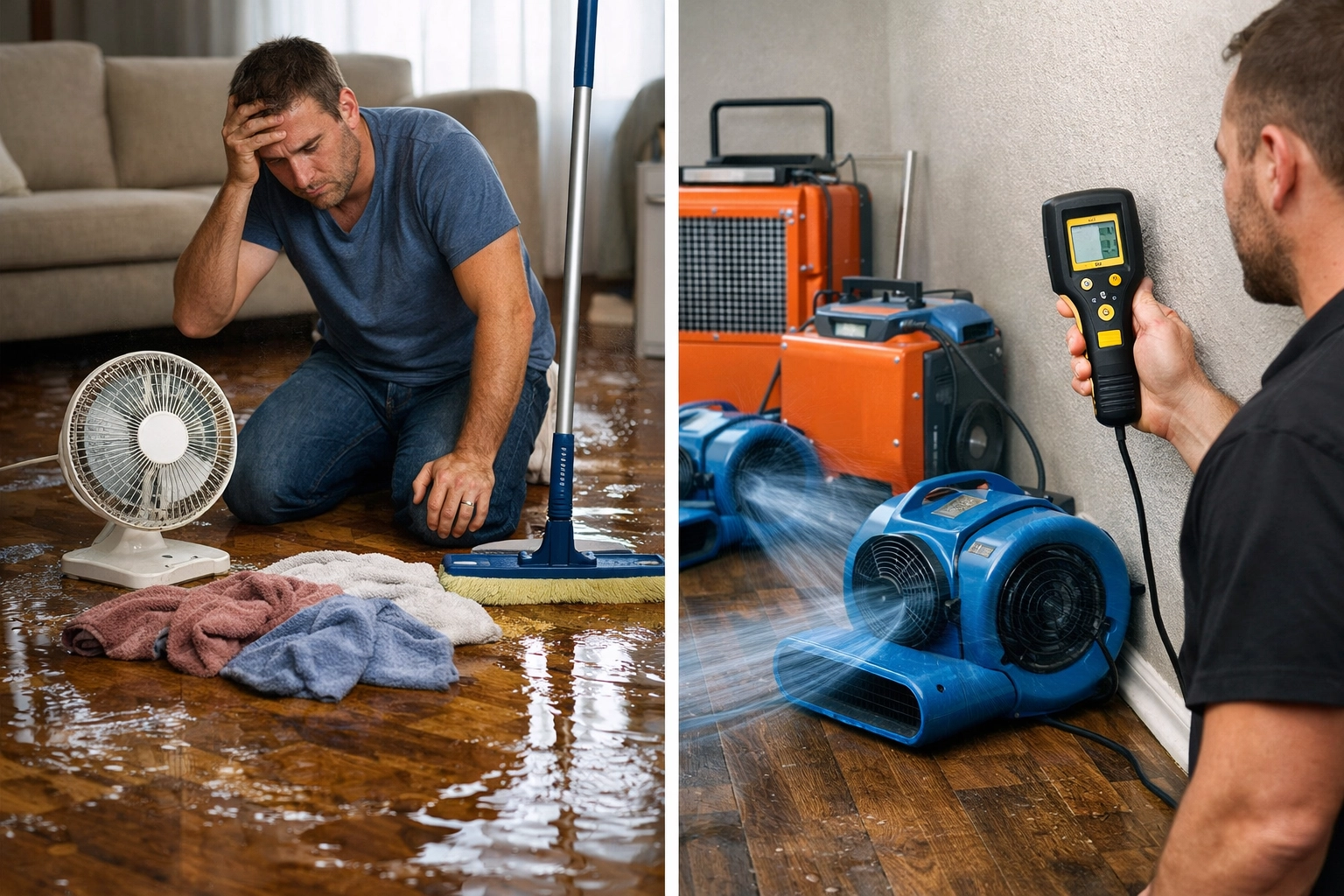
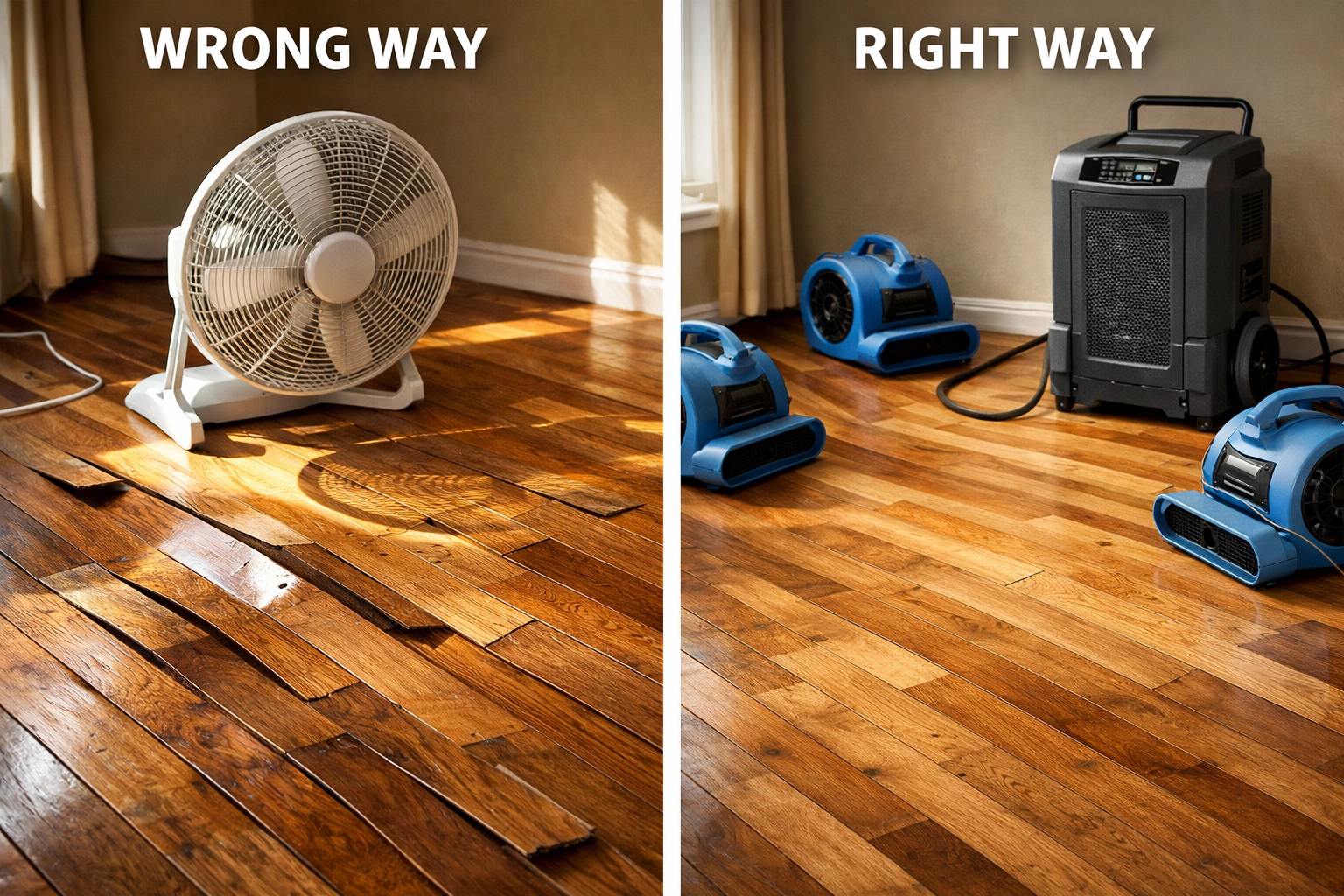
You know those household fans in your closet? The ones you pull out during summer? Yeah, they're not going to cut it for water damage restoration.
The problem: Homeowners often grab towels, mops, and regular household fans thinking they can dry everything out. But here's what they miss: water doesn't just sit on surfaces. It penetrates deep into materials: inside walls, under flooring, into subflooring and insulation. Regular fans and towels can't reach that hidden moisture, which means it stays trapped and eventually leads to mold growth and funky odors.
The fix: You need industrial-grade equipment. We're talking professional dehumidifiers, high-powered air movers, and moisture meters that actually measure how much water is hiding in your walls and floors. Professional restoration teams use this advanced drying technology to make sure every trace of moisture gets removed: not just what you can see on the surface.
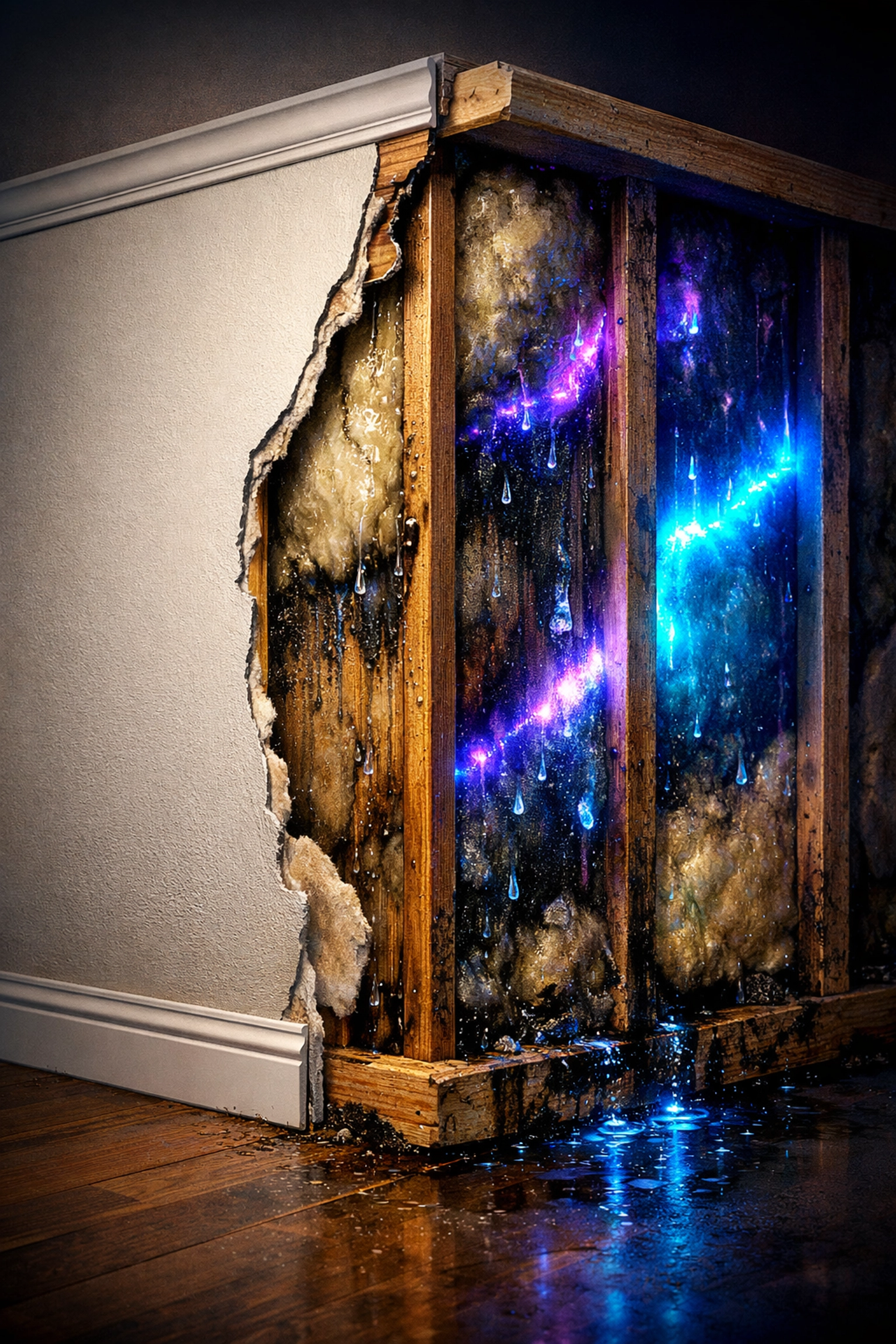
Water is sneaky. It doesn't just stay where you can see it.
The problem: After mopping up the visible water, many people assume the problem is solved. But water seeps into places you can't easily access: behind walls, under flooring, into insulation, even into your HVAC system. Those hidden pockets of moisture are ticking time bombs. They weaken structures, promote rot, and create perfect breeding grounds for mold colonies.
The fix: Don't trust your eyes alone. Professional water damage restoration teams use moisture meters and infrared cameras to detect moisture where you can't see it. These tools identify problem areas before they become serious structural issues or health hazards. A comprehensive assessment looks at all potential water damage zones, not just the obvious wet spots.
Drying out the water is only half the battle.
The problem: Water, especially from floods, sewage backups, or outdoor sources, carries contaminants, bacteria, and all kinds of nasty stuff you don't want lingering in your home. Even after the area dries out, those contaminants remain on surfaces and in the air, creating ongoing health concerns and persistent odors.
The fix: Deep cleaning and disinfection are essential steps in proper water damage restoration. After water removal, affected surfaces need to be thoroughly cleaned and sanitized. Air purification helps eliminate airborne contaminants, and odor removal ensures your home doesn't smell like a swamp for weeks afterward. This isn't just about making things look clean: it's about making your home safe and healthy again.
Here's a scenario: Your basement floods. You clean it up, dry everything out, and move on with life. Then it floods again. And again.
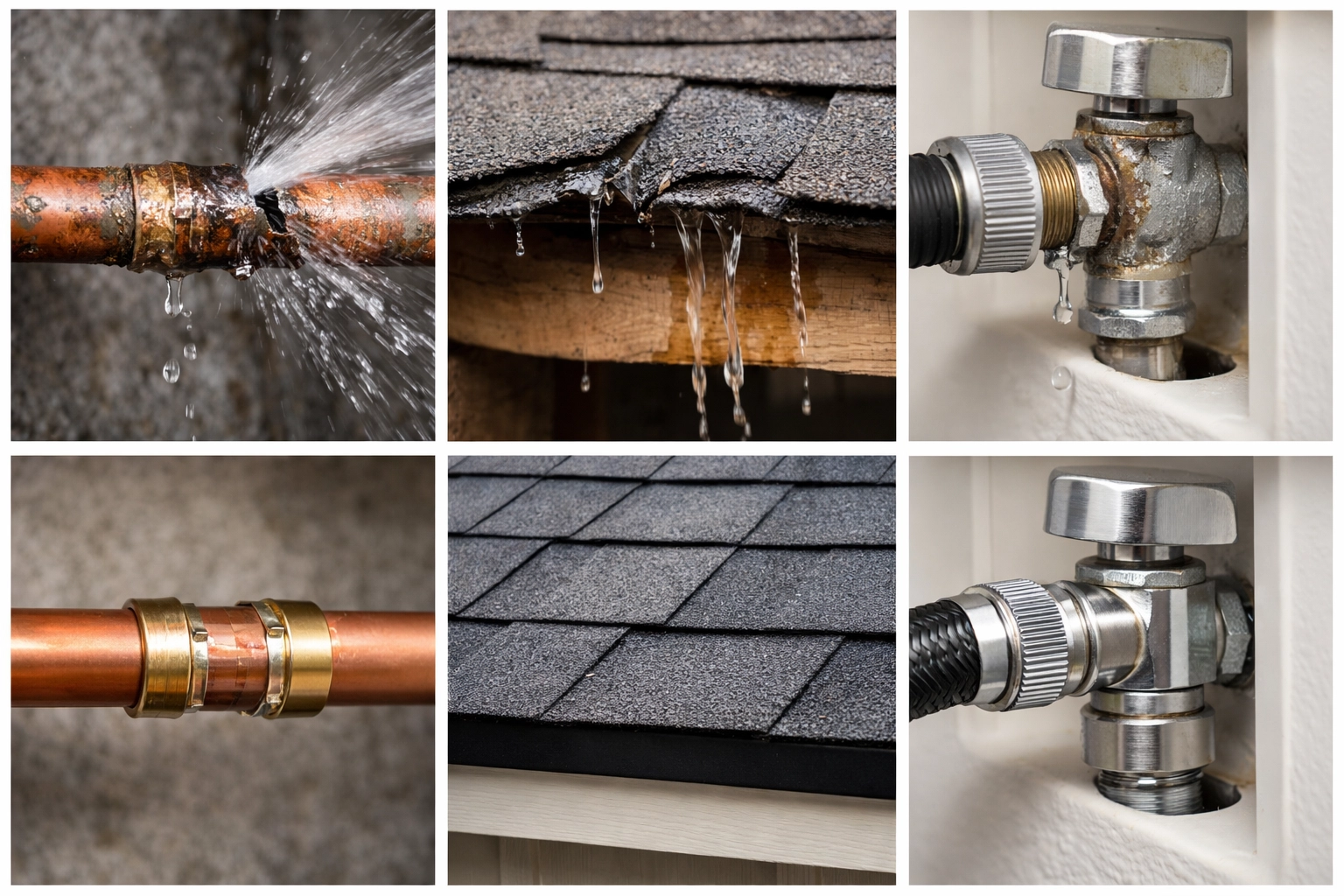
The problem: Too many homeowners focus entirely on cleaning up the mess without addressing what actually caused the water damage. Was it a burst pipe? A roof leak? A failing appliance? A drainage problem? If you don't fix the underlying issue, you're just setting yourself up for round two (and three, and four…).
The fix: Identify and repair the root cause. This might mean fixing plumbing issues, repairing your roof, replacing a faulty appliance, or improving your home's drainage system. A professional contractor can help you pinpoint exactly what caused the damage and make the necessary repairs to prevent it from happening again. Prevention is always cheaper than repeated restoration.
Believe it or not, you can actually dry things out too fast: or in the wrong way.
The problem: Some homeowners blast affected areas with direct fans, crank up the heat, or leave items in direct sunlight thinking faster drying is better drying. But rapid, uncontrolled drying can warp wood, damage materials, and ironically, even accelerate mold growth rather than prevent it. Different materials need different drying approaches.
The fix: Use controlled drying techniques. Professional water damage restoration involves carefully managing temperature, humidity levels, and airflow patterns. It's not about blasting everything with heat: it's about creating the right conditions for materials to dry properly without causing additional damage. Avoid pointing fans directly at wooden furniture or floors, and don't use excessive heat unless a restoration professional specifically recommends it for your situation.
We get it. Calling in professionals costs money. And maybe the damage doesn't look that bad. So you grab some towels and get to work.
The problem: DIY water damage restoration almost always results in incomplete drying, missed damage, and secondary problems like mold or structural weakening. Without proper training and equipment, homeowners can't spot the micro signs of damage: the slight discoloration that indicates hidden moisture, the subtle sagging that means structural compromise, or the musty smell that warns of growing mold colonies.
The fix: Hire professional restoration experts who actually know what they're looking for. At My Water Damage Hero, our teams are trained to assess the full scope of water damage, identify potential risks you might miss, and execute a comprehensive restoration plan that prevents future issues. We have the equipment, expertise, and experience to do it right the first time.
Water damage restoration isn't just about mopping up water and running a few fans. It's a complex process that requires the right equipment, expertise, and approach to truly protect your home and health.
The seven mistakes we covered: waiting too long, using wrong equipment, overlooking hidden damage, skipping sanitization, ignoring root causes, drying improperly, and going the DIY route: can all turn a manageable situation into a much bigger (and more expensive) problem.
When water damage strikes, remember: speed matters, equipment matters, and expertise matters. The investment in professional water damage restoration pays off in prevented mold growth, preserved structural integrity, and peace of mind knowing the job was done right.
If you're dealing with water damage right now, don't wait. Don't guess. And don't go it alone. Reach out to experienced restoration professionals who can help you avoid these common mistakes and get your home back to normal: the right way.
Contact us for quick, trusted restoration.
See how we’ve turned tough situations into success stories.

