
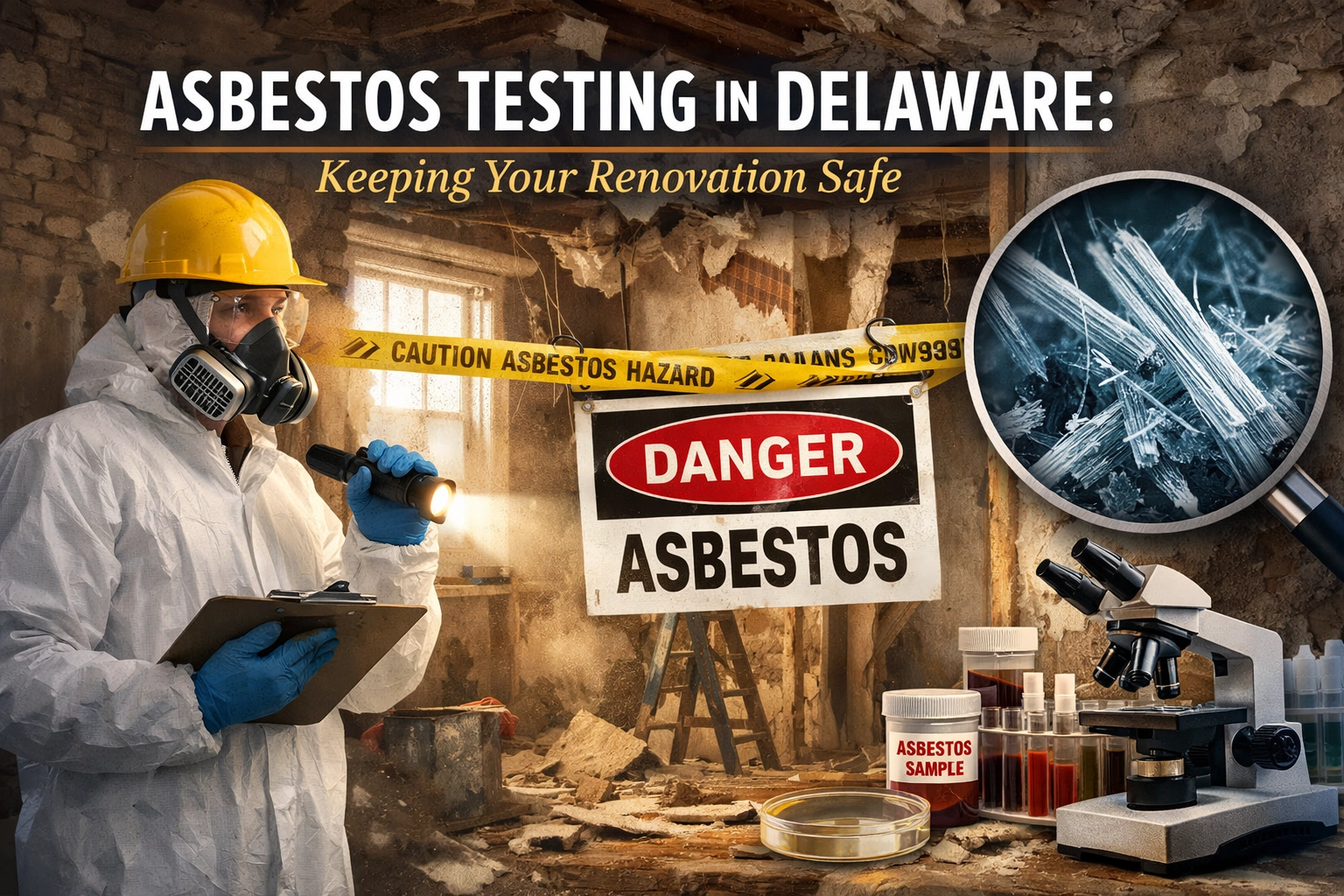
Planning a renovation in Delaware? Whether you're knocking down walls, replacing flooring, or updating that vintage bathroom, there's one crucial step you need to take before the sledgehammer comes out: asbestos testing.
We know: asbestos sounds like something from a scary movie. But if your Delaware home was built before the 1980s, there's a real chance it's hiding in your walls, floors, or insulation. The good news? Getting your home tested is straightforward, and it could save you from serious health risks and legal headaches down the road.
Here's the thing about asbestos: when it's undisturbed and in good condition, it's not particularly dangerous. The problem happens when you start renovating. Drilling, sawing, or tearing out old materials can release microscopic asbestos fibers into the air. Breathe those in, and you're looking at potential health issues years down the line: lung disease, mesothelioma, and other respiratory problems.
In Delaware, asbestos testing isn't just a good idea: it's legally required before renovation projects. The state takes this seriously, and for good reason. Delaware has specific regulations managed by DNREC (Delaware Department of Natural Resources and Environmental Control) that property owners must follow.
Asbestos is a naturally occurring mineral that was super popular in construction materials from the 1940s through the 1980s. Builders loved it because it was fire-resistant, durable, and cheap. Unfortunately, nobody knew about the health risks back then.
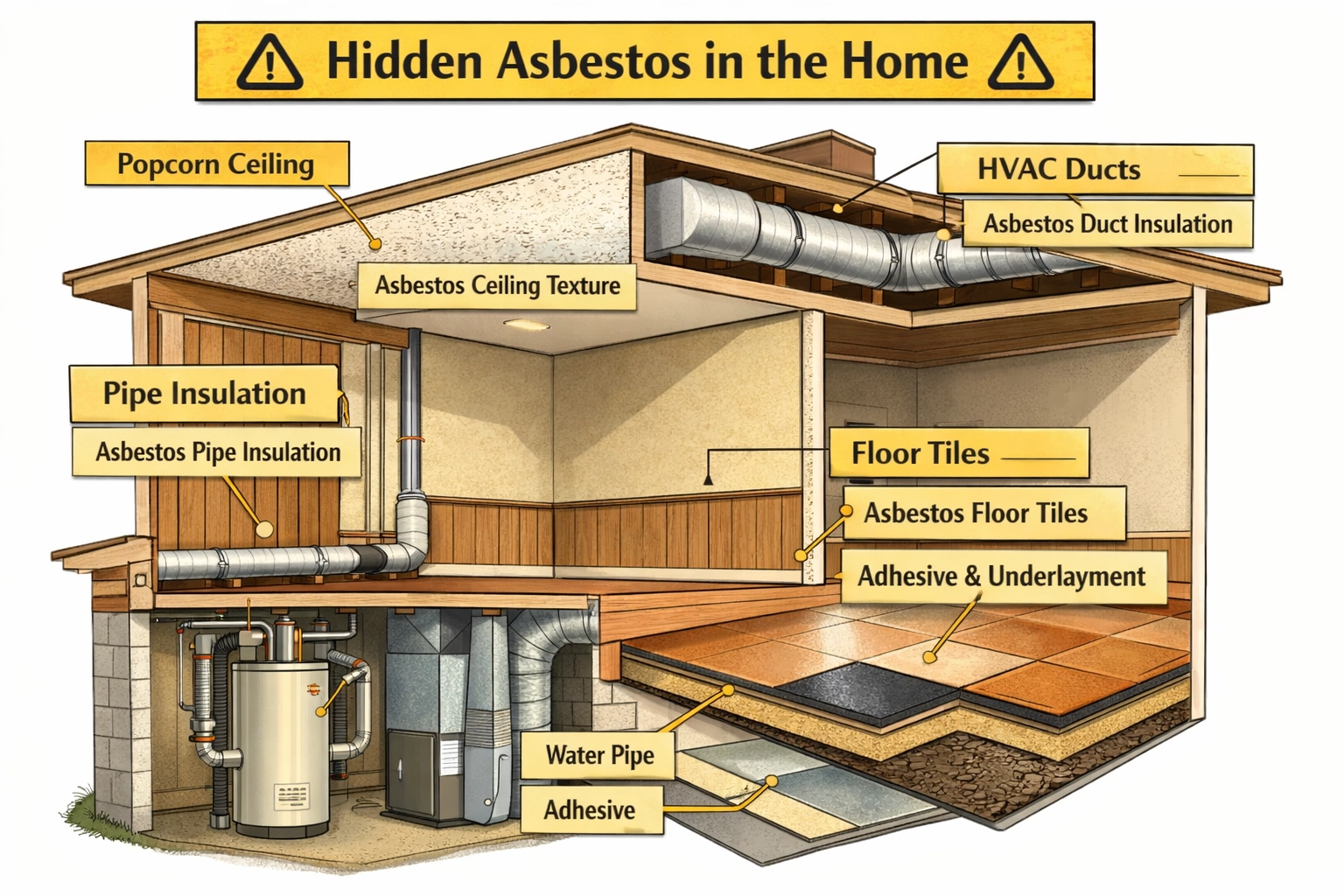
In Delaware homes, you might find asbestos in:
The tricky part? You can't identify asbestos just by looking at it. That vintage tile might be harmless, or it might be loaded with asbestos fibers. The only way to know for sure is through professional testing.
Delaware doesn't mess around when it comes to asbestos safety. Before you start any renovation work, the state requires a thorough inspection by a Delaware-licensed asbestos professional. Not your cousin who's "good with houses": an actual licensed inspector.
These professionals work for service firms licensed by Delaware's Office of Management and Budget Division of Facilities Management. They know exactly what to look for and how to collect samples safely.
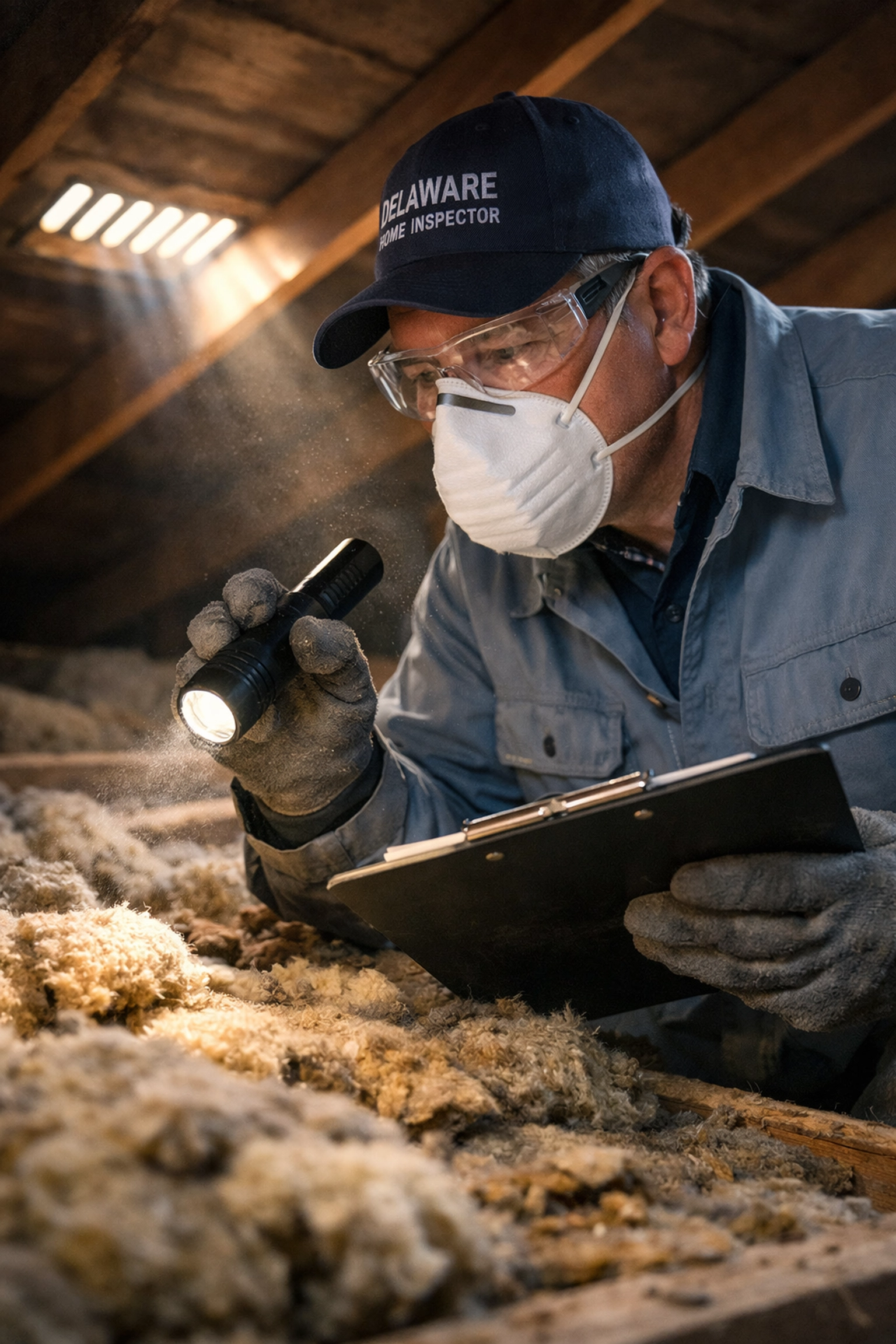
When a licensed inspector comes to your Delaware home, they'll do a walkthrough looking at:
They'll assess whether materials are in good condition or deteriorating, and they'll figure out how likely it is that asbestos fibers could be released during your project. If they need to collect samples, they'll do it carefully to avoid contamination.
After the inspection, you'll get a formal report documented on Delaware Asbestos Survey/Inspection Forms. This isn't some casual email: it's an official document you'll need to keep for your records.
Finding asbestos in your Delaware home isn't the end of the world. What happens next depends on the condition of the material and your renovation plans.
If the asbestos-containing material is intact and you're not planning to disturb that area, you might be able to leave it alone. Many older Delaware homes have asbestos materials that are perfectly safe as long as they're not damaged or disturbed.
If the material is deteriorating or you need to work in that area, it must be properly removed by a Delaware-licensed abatement contractor. This is where things get serious: and where hiring professionals becomes non-negotiable.
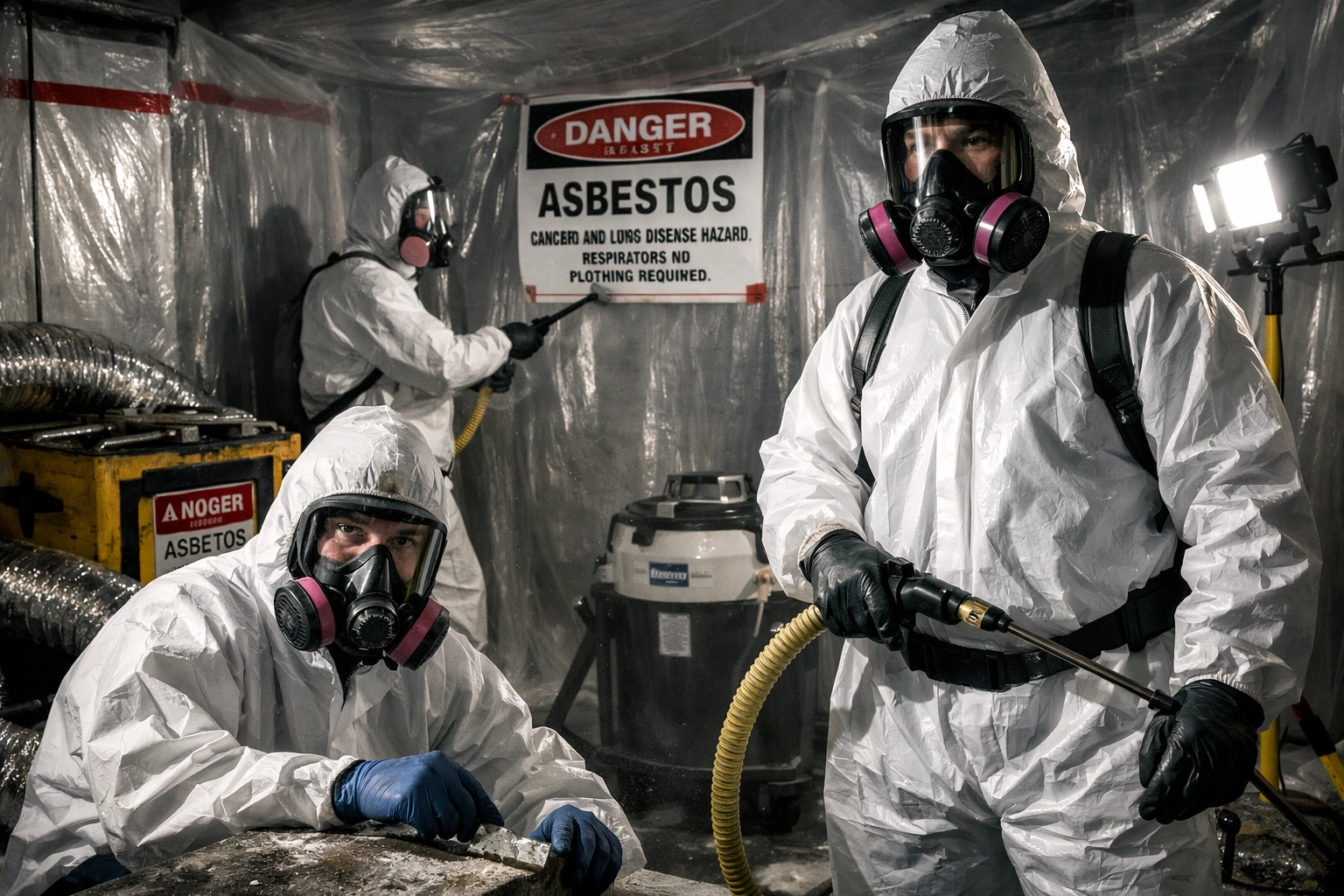
Delaware law makes it crystal clear: it's illegal to hire anyone other than a Delaware-licensed asbestos abatement contractor to remove asbestos. That means no unlicensed handymen, no DIY removal (even if you're trying to save money), and definitely no cash deals with someone's "guy who can do it cheaper."
Licensed contractors have the training, equipment, and certifications required by Delaware law. They know how to:
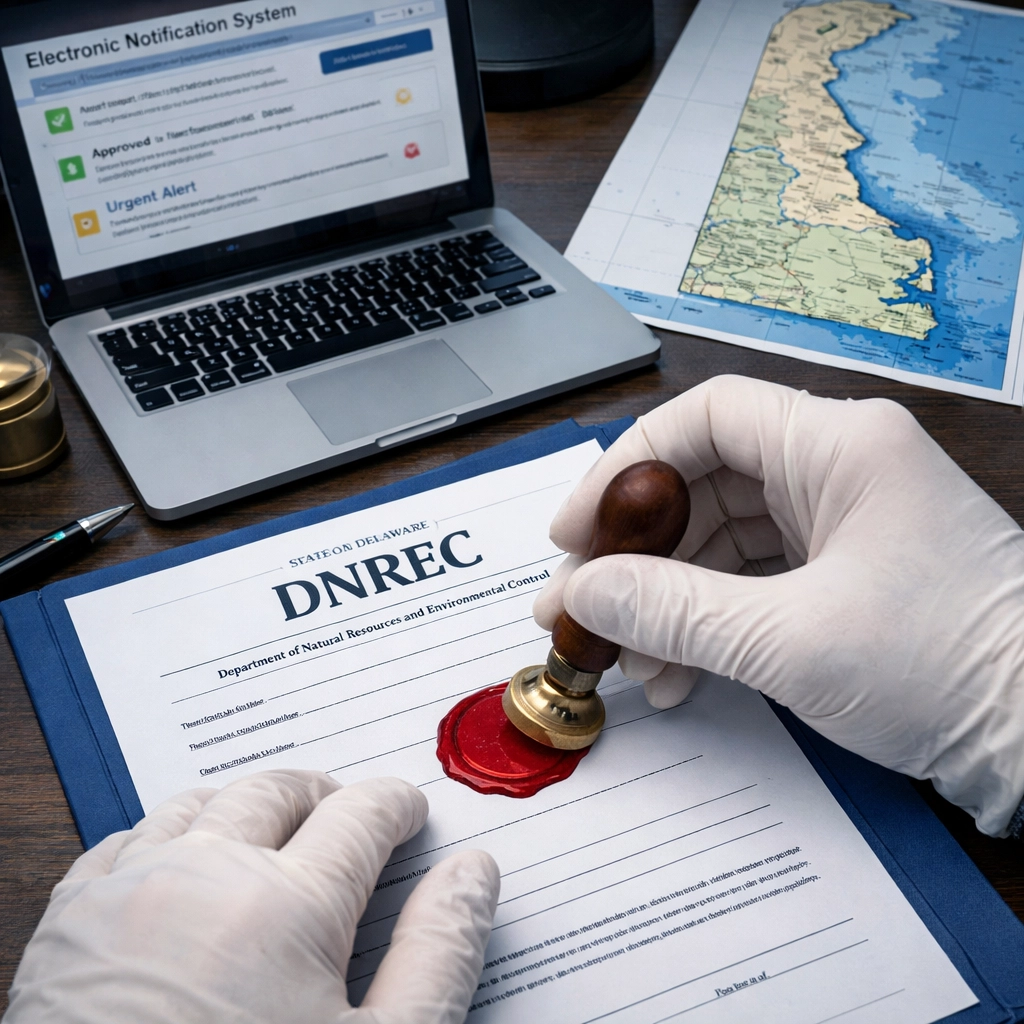
Here's something Delaware homeowners often don't know: before any renovation that could disturb asbestos materials, you must provide electronic notification to DNREC at least ten working days prior to starting work. This isn't optional: it's a legal requirement.
This notification gives DNREC time to review your plans and ensure everything's being done safely and legally. After the removal work is complete, you'll need a final clearance report from your contractor verifying that no asbestos remains.
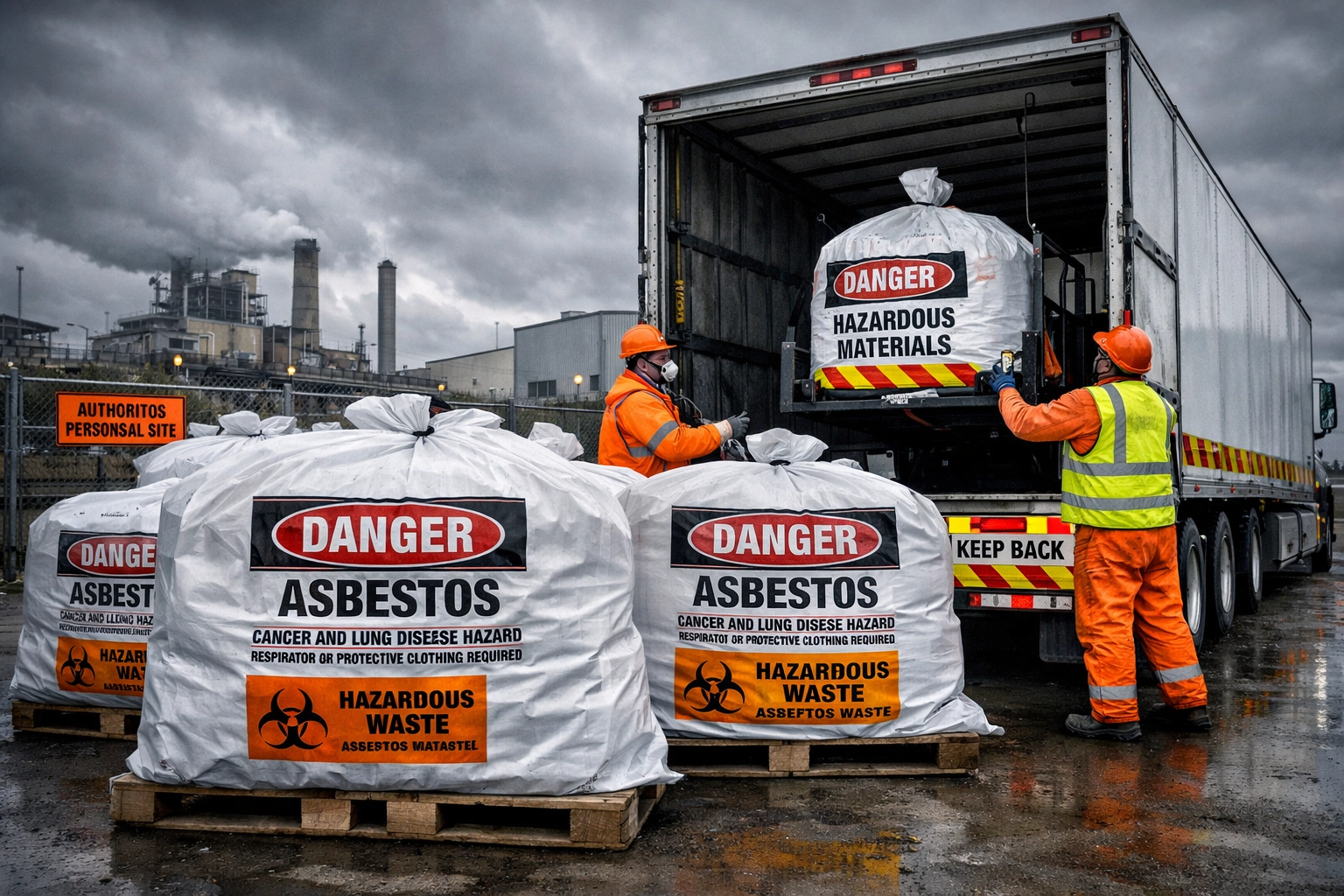
You can't just throw asbestos-containing materials in your regular trash or construction dumpster. Asbestos waste may only be transported by approved hazardous waste haulers and disposed of at approved facilities.
Your licensed abatement contractor will handle this, but you should keep receipts showing proper disposal. If you're a property owner who somehow got approval to perform your own removal (rare situations), you'll need to provide receipts reflecting controlled disposal per DNREC regulations.
Look, we get it: adding asbestos testing to your renovation budget isn't fun. But skipping this step can cost you way more in the long run:
Professional testing typically costs a few hundred dollars, depending on your home's size and the number of samples needed. That's a small price for peace of mind and legal compliance.
At My Water Damage Hero, we understand that dealing with asbestos testing and potential removal adds stress to what should be an exciting renovation project. While we specialize in water damage restoration and building maintenance, we work with Delaware-licensed asbestos professionals who can help you navigate the testing and removal process.
We can connect you with the right experts and help coordinate the timeline so your renovation stays on track. Our goal is making the whole process as smooth as possible for Delaware homeowners.
If you have questions about Delaware's asbestos regulations or need help with the required forms, you can contact DNREC's Division of Air Quality. Colin Gomes at 302-323-4542 is the go-to contact for asbestos-related questions.
Planning a renovation in Delaware? Don't skip the asbestos testing. It's required by law, it protects your health, and it gives you peace of mind that your project is starting off on the right foot.
Find a Delaware-licensed asbestos inspector, get your testing done at least ten working days before you plan to start work, and if asbestos is found, hire a licensed abatement contractor to handle removal properly. Keep all your documentation: you'll need it.
Renovations should be exciting, not scary. Getting proper asbestos testing done means you can swing that sledgehammer knowing your Delaware home is safe for you and your family.
Need help coordinating your renovation project or dealing with unexpected building maintenance issues? Visit My Water Damage Hero or give us a call. We're here to help Delaware homeowners tackle whatever their homes throw at them.
Contact us for quick, trusted restoration.
See how we’ve turned tough situations into success stories.

